

Spain Joins Forces with Italy, Greece, France, Germany and Over Twenty Other Countries in a Bold EU Push to Fight Overtourism and Protect Sustainability Throughout Europe with New Natura 2000 Guidelines from This Year – Travel And Tour World
Spain Joins Forces with Italy, Greece, France, Germany and Over Twenty Other Countries in a Bold EU Push to Fight Overtourism and Protect Sustainability Throughout Europe with New Natura 2000 Guidelines from This Year
By: Jishnoo Banerjee
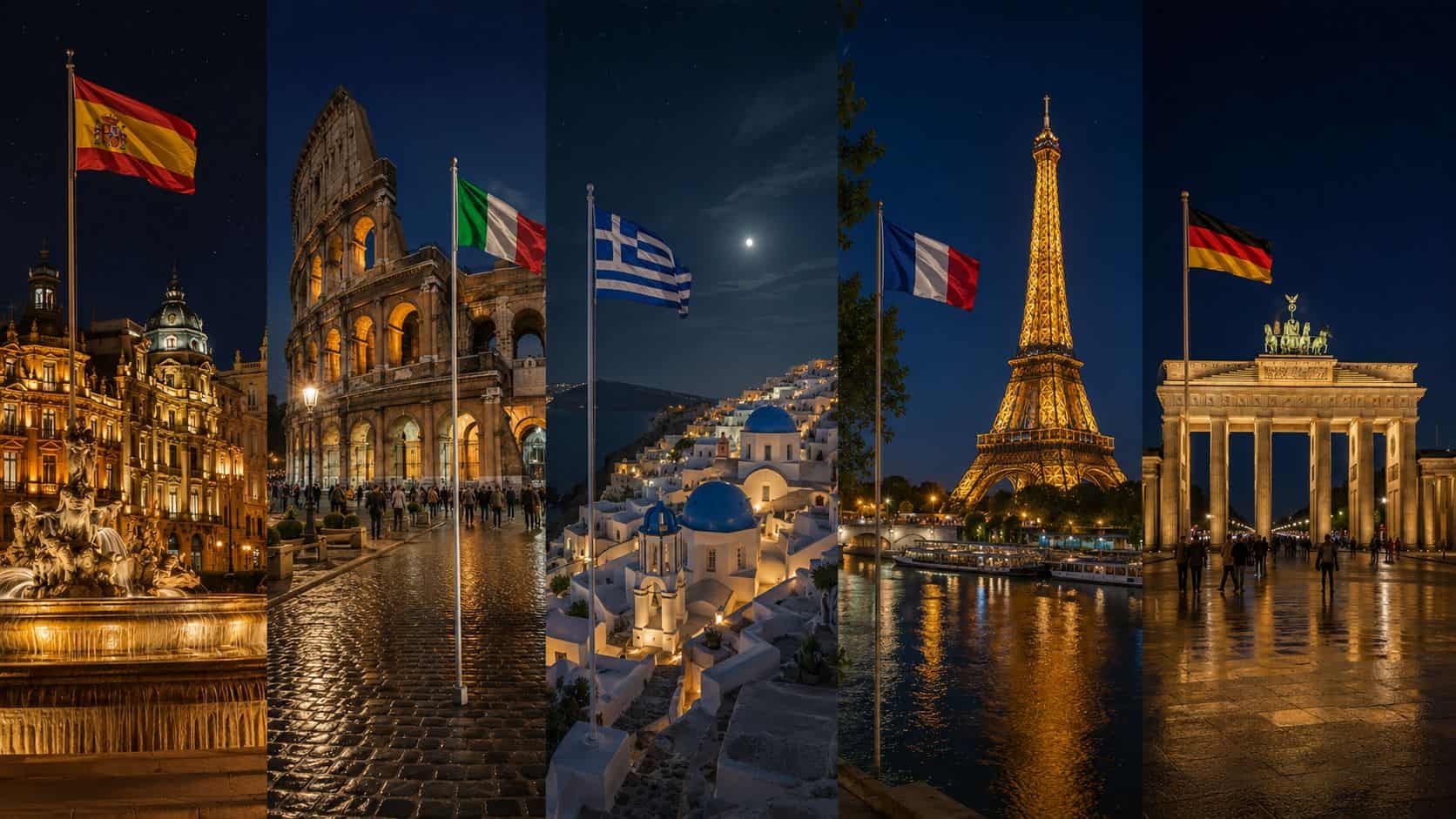
Image generated with Ai
Spain joins forces with Italy, Greece, France, Germany and more than twenty other countries in a bold EU push to fight overtourism and protect sustainability throughout Europe through the new Natura 2000 guidelines introduced this year. The initiative aims to balance rising tourism demand with biodiversity conservation by managing visitor flows, protecting fragile ecosystems and promoting responsible travel across more than 27,000 protected sites. As popular destinations face growing environmental pressure, the European Union’s Natura 2000 framework provides a coordinated approach to safeguard natural landscapes while supporting local economies, sustainable tourism growth and the long-term protection of Europe’s most valuable habitats.
What Is Natura 2000?
Natura 2000 is the European Union’s flagship biodiversity conservation network and the largest coordinated network of protected areas in the world. Established under the EU Birds Directive and the EU Habitats Directive, the network protects Europe’s most valuable and threatened wildlife, habitats and ecosystems while allowing sustainable human activities to continue. Rather than excluding people, Natura 2000 promotes a balanced approach where conservation, tourism, agriculture, fisheries and local economic development can coexist.
Advertisement
Today, the network comprises more than 27,000 protected sites across all EU Member States, covering nearly 20% of the European Union’s land area and more than 10% of its marine waters. These protected areas include mountains, forests, wetlands, rivers, coastal regions, islands, grasslands and marine ecosystems that are home to thousands of endangered species. Many of Europe’s most popular natural tourism destinations fall within the Natura 2000 network, making sustainable visitor management increasingly important.
The European Commission’s Guidelines on Sustainable Tourism in Natura 2000 Areas, published on 14 July 2026, are intended to ensure that growing tourism demand strengthens local economies without damaging the very ecosystems that attract visitors. The guidance encourages Member States to carefully manage visitor numbers, protect biodiversity, improve environmental awareness and promote responsible tourism practices that can safeguard these destinations for future generations
Advertisement
Advertisement
Spain: Protecting Natural Parks While Tackling Europe’s Overtourism Crisis
Spain is expected to become one of the biggest beneficiaries of the European Commission’s new sustainable tourism guidelines because it has faced some of Europe’s strongest backlash against overtourism in recent years. With destinations such as the Canary Islands, Balearic Islands, Doñana National Park and the Pyrenees welcoming millions of visitors every year, authorities are under increasing pressure to protect biodiversity while sustaining tourism, which contributes around 12% of Spain’s GDP. The new Natura 2000 guidance encourages Spain to move away from concentrating visitors in a handful of hotspots and instead spread tourism across lesser-known destinations and throughout the year. By protecting fragile habitats today, Spain hopes to secure long-term tourism growth, reduce pressure on local communities and strengthen its reputation as a sustainable destination.
Key changes Spain is expected to implement
Advertisement
Advertisement
- Conduct visitor carrying-capacity studies for national parks and Natura 2000 sites.
- Redirect tourists towards lesser-known natural destinations.
- Promote year-round tourism instead of seasonal peaks.
- Increase biodiversity monitoring and habitat restoration.
- Encourage eco-certified accommodation and tourism businesses.
- Improve public transport to protected areas.
- Restrict access to ecologically sensitive zones during breeding seasons.
Why Spain supports the guidelines
- Tourism contributes around 12% of national GDP.
- Rising overtourism protests have highlighted pressure on destinations.
- Protecting biodiversity safeguards the country’s long-term tourism economy.
- Supports Spain’s wider climate and sustainability commitments.
Italy: Safeguarding Fragile Heritage and Protected Landscapes
Italy’s tourism challenge extends beyond Venice, Florence and Rome. The country manages one of Europe’s richest collections of Natura 2000 sites, including the Dolomites, Apennines, wetlands and Mediterranean coastal ecosystems. Increasing visitor numbers have created pressure on trails, wildlife habitats and protected landscapes. The Commission’s guidance provides Italy with a practical framework to better manage tourism through science-based planning, visitor monitoring and conservation-first policies. Italy believes preserving its natural landscapes is just as important as protecting its historic cities because both form the foundation of its global tourism appeal.
Advertisement
Advertisement
Key changes Italy is expected to implement
- Visitor-capacity limits in sensitive protected areas.
- Better trail management across mountain parks.
- Digital visitor information and reservation systems.
- Greater promotion of eco-tourism experiences.
- Habitat restoration programmes.
- Environmental certification for tourism operators.
- Improved monitoring of visitor impacts.
Why Italy supports the guidelines
- Reduce environmental pressure on fragile ecosystems.
- Protect UNESCO landscapes and Natura 2000 habitats.
- Ensure tourism growth remains sustainable.
- Preserve natural assets that support local economies.
Greece: Balancing Record Tourism Growth with Island Conservation
Greece continues to record strong tourism growth, but that success has placed increasing pressure on islands, beaches, wetlands and marine ecosystems protected under Natura 2000. Many sites provide habitats for endangered sea turtles, migratory birds and rare Mediterranean wildlife. The EU guidelines encourage Greece to carefully balance tourism expansion with ecological protection by improving visitor management, expanding eco-tourism and protecting biodiversity. Authorities see sustainability as essential because the country’s natural beauty remains one of its strongest tourism advantages.
Key changes Greece is expected to implement
Advertisement
Advertisement
- Spread tourism beyond the busy summer season.
- Limit access to fragile nesting beaches when necessary.
- Expand eco-tourism programmes.
- Improve visitor education on biodiversity.
- Increase environmental monitoring.
- Promote sustainable transport in protected areas.
- Support community-led conservation initiatives.
Why Greece supports the guidelines
- Record visitor numbers are increasing environmental pressure.
- Islands have limited ecological carrying capacity.
- Protect endangered marine species and coastal habitats.
- Maintain tourism competitiveness for future generations.
France: Preserving National Parks While Promoting Quality Tourism
France oversees an extensive Natura 2000 network covering alpine ecosystems, Atlantic wetlands, Mediterranean coastlines and overseas territories rich in biodiversity. Rather than pursuing unlimited tourism growth, France increasingly focuses on attracting higher-value visitors while protecting natural assets. The Commission’s guidelines reinforce this strategy by encouraging scientific monitoring, sustainable tourism investment and improved management of protected landscapes. France believes environmental protection and economic competitiveness can strengthen each other when tourism is carefully managed.
Key changes France is expected to implement
- Strengthen biodiversity monitoring programmes.
- Reduce visitor pressure in overcrowded natural areas.
- Promote lesser-known rural destinations.
- Encourage sustainable accommodation and transport.
- Reduce tourism-related waste and emissions.
- Expand environmental education programmes.
- Support conservation-led tourism development.
Why France supports the guidelines
- Protect internationally important biodiversity.
- Reduce overtourism in popular destinations.
- Strengthen rural tourism economies.
- Align tourism with France’s climate objectives.
Croatia: Protecting the Adriatic’s Sensitive Marine Ecosystems
Croatia’s Adriatic coastline, islands and national parks have become some of Europe’s fastest-growing tourism destinations. However, the rapid increase in visitors has also placed pressure on marine biodiversity, protected coastal habitats and island ecosystems. The Commission’s new framework offers Croatia an opportunity to improve tourism management before environmental damage becomes more severe. Authorities want to ensure that tourism continues supporting economic growth while preserving the crystal-clear waters, marine life and landscapes that attract visitors from around the world.
Key changes Croatia is expected to implement
Advertisement
Advertisement
- Visitor-capacity assessments for coastal protected areas.
- Sustainable boating and diving guidelines.
- Better monitoring of marine biodiversity.
- Promotion of eco-tourism operators.
- Conservation of protected islands and coastal habitats.
- Visitor education on marine protection.
- Restoration of degraded coastal ecosystems.
Why Croatia supports the guidelines
- Tourism is a major pillar of the national economy.
- Marine ecosystems are central to Croatia’s tourism appeal.
- Prevent long-term environmental degradation.
- Protect the Adriatic for future generations.
Germany: Using Science-Based Management to Protect Nature
Germany manages one of Europe’s largest Natura 2000 networks, covering forests, rivers, wetlands and coastal habitats across the North Sea and Baltic Sea. Although Germany experiences less overtourism than many Mediterranean countries, domestic and international nature tourism continues to grow steadily. The Commission’s guidance closely matches Germany’s evidence-based environmental management model, encouraging authorities to use scientific research, ecological monitoring and adaptive management to balance visitor access with conservation. Germany views healthy ecosystems as essential for biodiversity, climate resilience and sustainable rural development.
Key changes Germany is expected to implement
- Scientific visitor carrying-capacity assessments.
- Continuous biodiversity monitoring.
- Data-driven tourism management.
- Stronger cooperation between tourism and conservation authorities.
- Improved visitor-impact reporting.
- Expanded habitat restoration projects.
- Sustainable rural tourism development.
Why Germany supports the guidelines
- Protect one of Europe’s largest Natura 2000 networks.
- Support biodiversity and climate resilience.
- Encourage sustainable nature tourism.
- Balance economic development with environmental conservation.
Natura 2000 at a Glance
| Category | Details |
|---|---|
| Network Name | Natura 2000 |
| Managed By | European Union |
| Legal Basis | EU Birds Directive and EU Habitats Directive |
| Protected Sites | More than 27,000 |
| EU Land Covered | Nearly 20% |
| EU Marine Waters Covered | More than 10% |
| Main Objective | Protect biodiversity while supporting sustainable development |
| Tourism Economy | Estimated €50–85 billion annually |
| Jobs Supported | Up to 2 million full-time equivalent jobs |
Why Natura 2000 Matters
| Key Benefit | Impact |
|---|---|
| Biodiversity Protection | Conserves thousands of threatened species and habitats across Europe. |
| Sustainable Tourism | Helps destinations balance tourism growth with nature conservation. |
| Economic Development | Supports rural, coastal and mountain communities through nature-based tourism. |
| Climate Resilience | Protects forests, wetlands and marine ecosystems that store carbon and reduce climate risks. |
| Local Communities | Creates employment while preserving cultural and natural heritage. |
| Future Tourism | Ensures Europe’s most iconic landscapes remain attractive and healthy for generations to come. |
What the New Guidelines Mean for Natura 2000
| Focus Area | Expected Action |
|---|---|
| Visitor Management | Assess ecological carrying capacity and regulate visitor flows. |
| Biodiversity Conservation | Protect sensitive habitats and endangered wildlife. |
| Overtourism | Spread visitors across different seasons and lesser-known destinations. |
| Sustainable Mobility | Improve public transport and reduce transport-related emissions. |
| Environmental Education | Increase awareness through interpretation centres and visitor programmes. |
| Eco-certification | Encourage tourism businesses to adopt sustainable practices. |
| Monitoring | Continuously assess tourism impacts and adapt management strategies. |
Why Natura 2000 Is Important for European Tourism
Nature tourism has become one of Europe’s fastest-growing travel segments, with millions of visitors choosing national parks, coastal reserves, mountain landscapes and wildlife habitats every year. Visitor activities within<a href="https://environment.ec.europa.eu/news/natura-2000-network-offers-sustainable-tourism-opportunities-2026-07-14_en” rel=”nofollow noopener” target=”_blank”>Natura 2000 sites generate an estimated €50–85 billion annually and support up to two million jobs, particularly in rural and coastal regions where tourism is a vital source of income. The European Commission believes that protecting these natural assets is essential not only for biodiversity but also for maintaining Europe’s long-term competitiveness as one of the world’s leading tourism destinations. The new guidelines therefore provide a practical roadmap for ensuring that tourism growth and environmental conservation advance together rather than at each other’s expense.
Spain joins forces with Italy, Greece, France, Germany and over twenty other countries in a bold EU push to fight overtourism and protect sustainability throughout Europe with new Natura 2000 guidelines this year, aiming to balance tourism growth with biodiversity protection and responsible visitor management
In conclusion, Spain joins forces with Italy, Greece, France, Germany and over twenty other countries in a bold EU push to fight overtourism and protect sustainability throughout Europe through the new Natura 2000 guidelines this year. The initiative provides a coordinated strategy to manage visitor pressures, conserve biodiversity and ensure that Europe’s most valuable natural landscapes remain protected while supporting tourism economies. By combining sustainable visitor management, ecological protection and responsible tourism practices, the Natura 2000 guidelines help countries address environmental challenges while securing long-term growth. This collective European effort marks a major step towards creating a future where tourism development and nature conservation progress together.
Advertisement
Tags: Europe sustainable tourism, Natura 2000 guidelines, overtourism management
Advertisement
Advertisement
This content is protected under the Copyright Act. Unauthorized scraping, AI extraction, reproduction, or republication is strictly prohibited. Read ourCopyright Policy.
Follow Travel And Tour World in Google News

PARTNERS












REGIONAL NEWS
Europe

Hungary’s Danube River Cruise Industry Faces Major Disruption as Low Water Lev
Saturday, July 18, 2026

Oulu Shines as Europe’s Capital of Culture 2026 with Midnight Sun Festivals an
Saturday, July 18, 2026
America

Argentina Is Surging The Tourism Industry With New Visa Free Travel Entry Policy
Saturday, July 18, 2026

Saint Lucia Stands With Turks And Caicos, Jamaica, Mexico And More Caribbean Cou
Saturday, July 18, 2026
Middle East
UAE Introduces Major Family and Friends Visit Visa Update with New Sponsorship R
Saturday, July 18, 2026
UAE Sounds a Blazing Weekend Travel Alarm as Extreme Heat, Dense Fog, Surging Hu
Saturday, July 18, 2026
Asia

Malaysia Issues Thunderstorm and Heavy Rain Warning Across Kuala Lumpur, Putraja
Saturday, July 18, 2026

Vietnam Leads Radisson Hotel Group Southeast Asia Expansion as New Hotels Transf
Saturday, July 18, 2026
© 2026 Travel And Tour World. All Rights Reserved.
Copyright Policy
We use cookies on our website to give you the most relevant experience by remembering your preferences and repeat visits. By clicking “Accept”, you consent to the use of ALL the cookies.Do not sell my personal information.
Settings
Manage consent
X
