

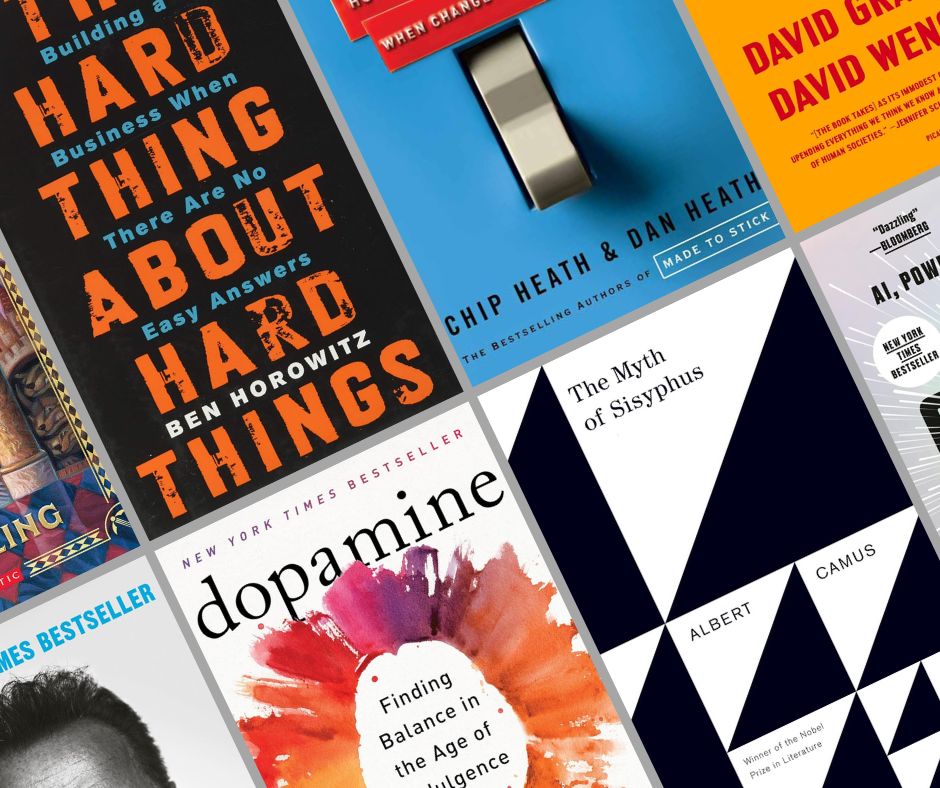
The power lists Observer publishes aren’t just rankings of success. They are blueprints of influence, charting the flow of capital and ideas across industries. When we started digging into themost influential names in artificial intelligence in 2026, we realized that beyond a list of names and titles, we were looking for a window into how each of our honorees thinks about the world. To that end, we asked them not only for their thoughts on the future of A.I. but also for book recommendations. The result is a reading list curated by the engineers, thought leaders, financiers and founders making the decisions molding the future of artificial intelligence (and, concurrently, the future of the growing number of industries the technology powers). There’s no one unifying thread in their answers, and in that sense, the titles reveal little about the field’s direction. What the selection of books below does offer is a glimpse into the priorities of the people stacking the building blocks of our technological future.
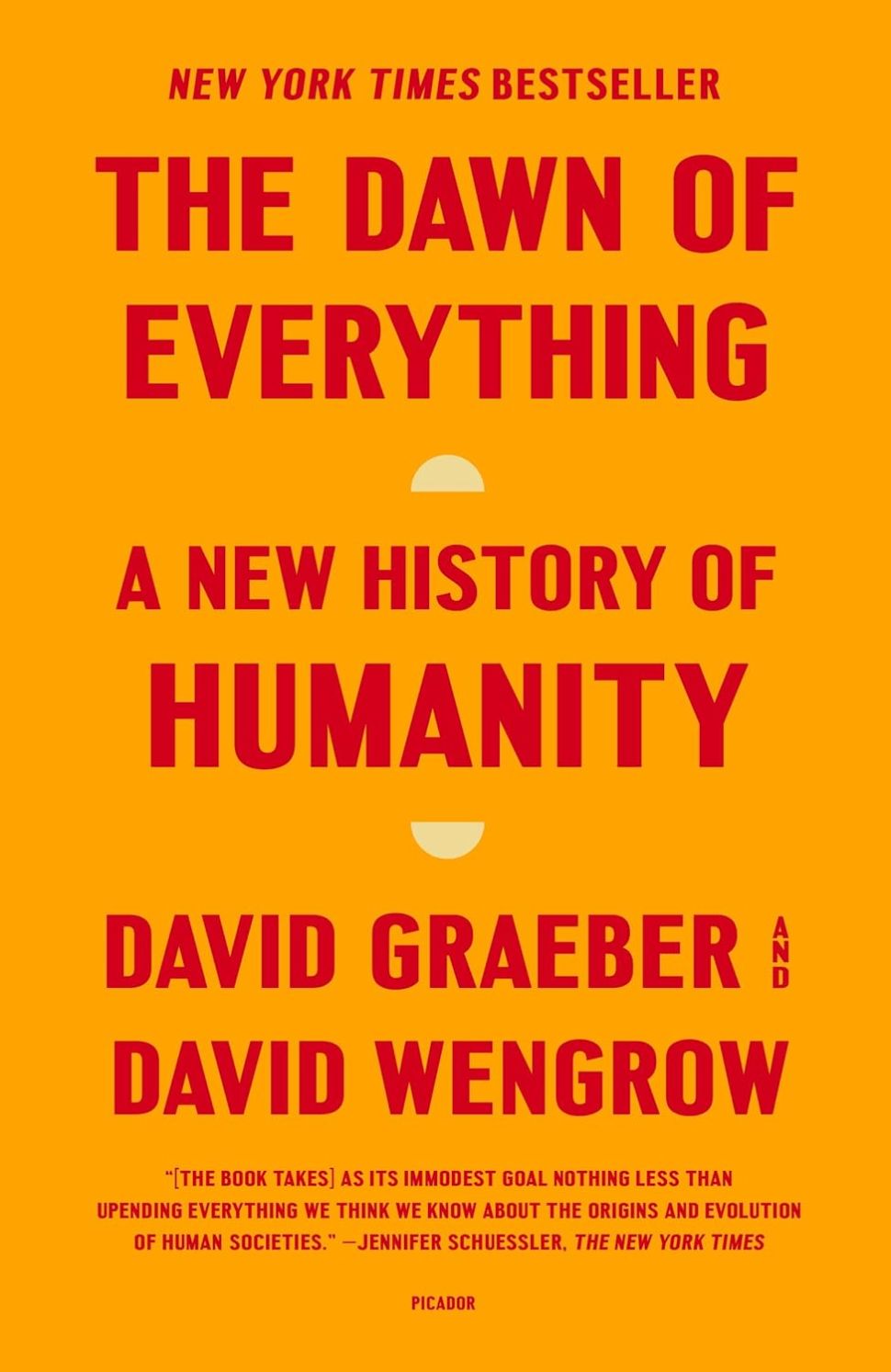
- ‘The Dawn of Everything: A New History of Humanity’ by David Graeber
- ‘The Myth of Sisyphus’ by Albert Camus
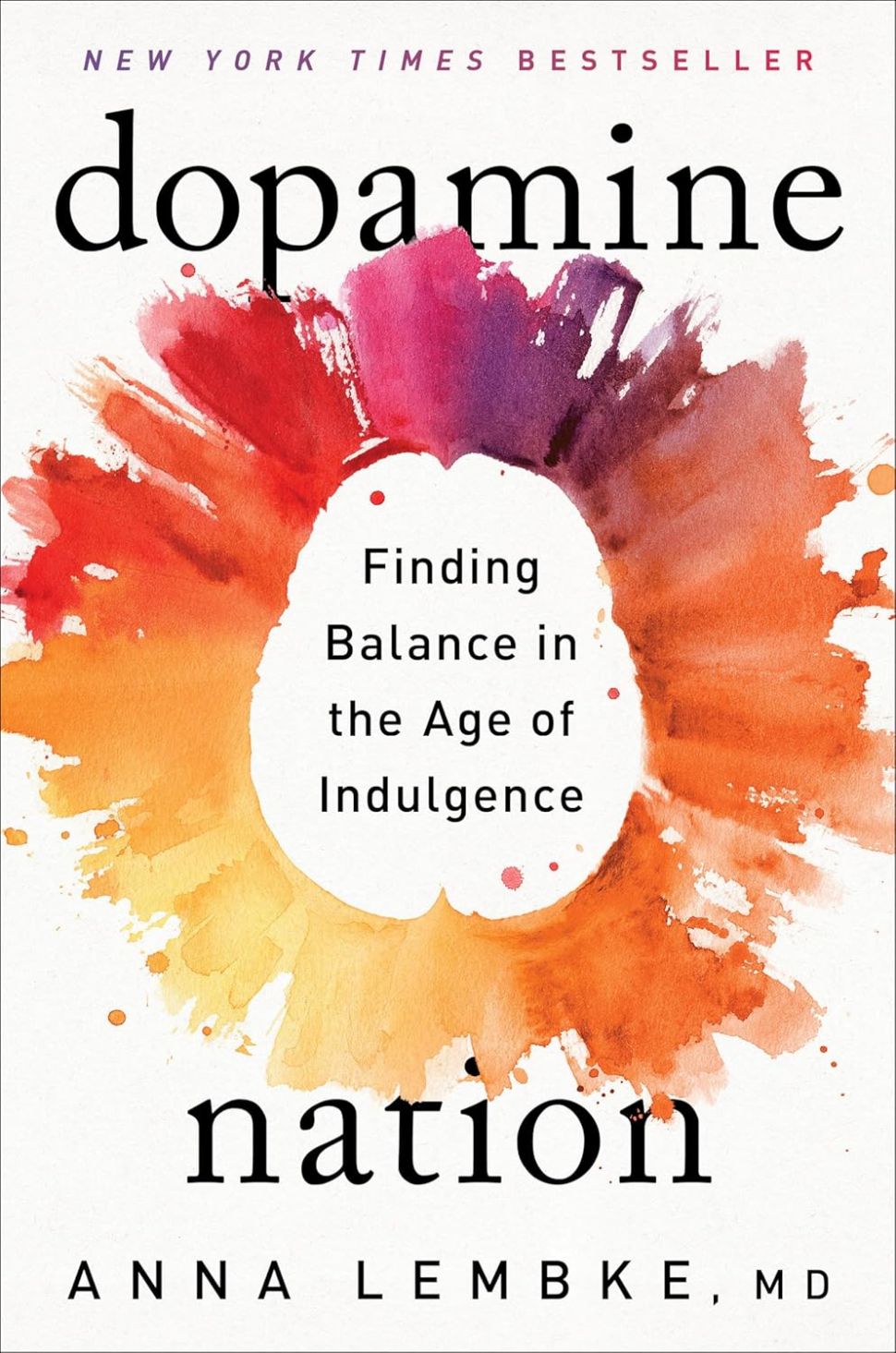
- ‘Dopamine Nation’ by Dr. Anna Lembke
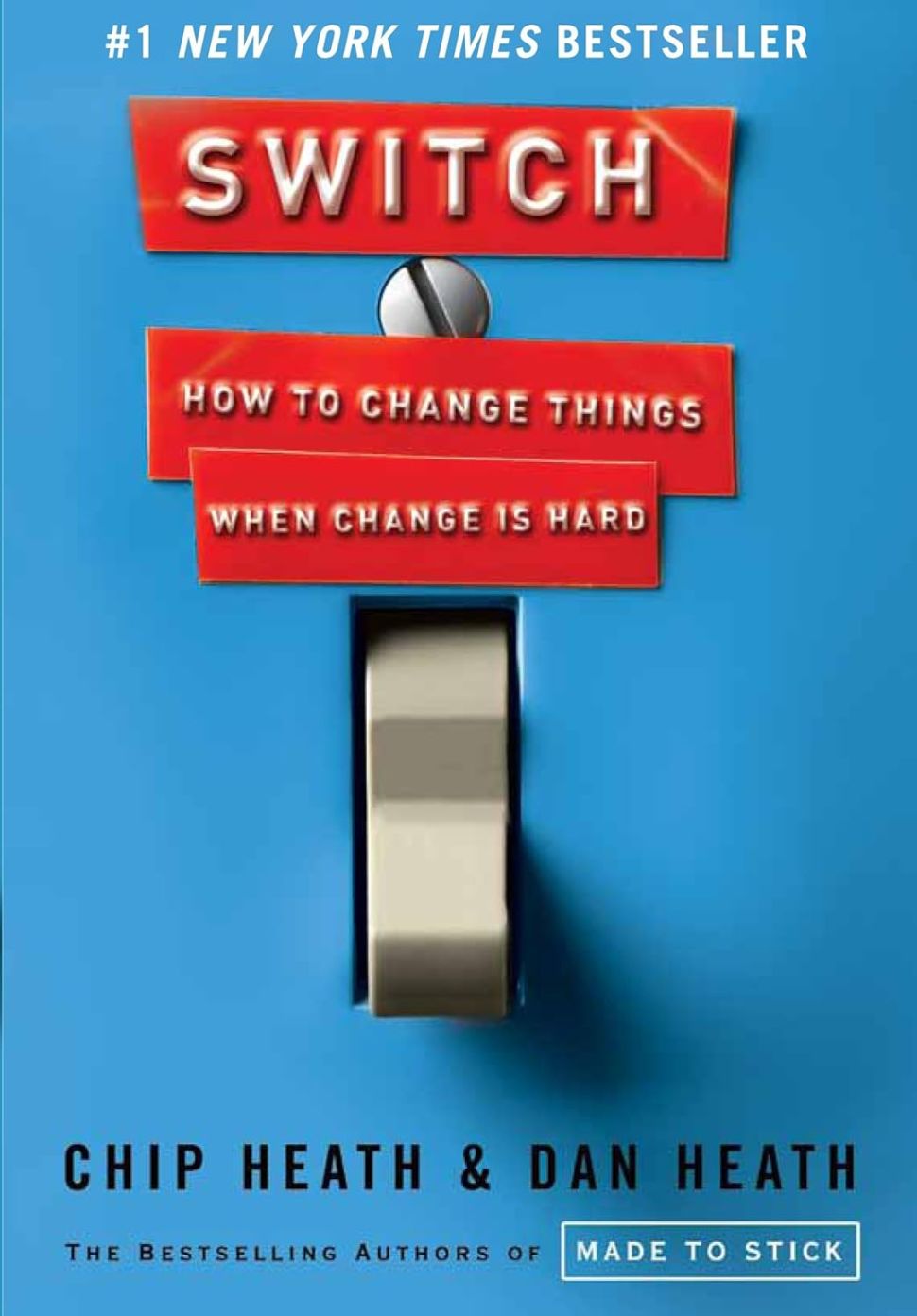
- ‘Switch: How to Change Things When Change Is Hard’ by Chip and Dan Heath
- ‘The Coming Wave: AI, Power, and Our Future’ by Mustafa Suleyman and Michael Bhaskar
- ‘Good to Great’ by Jim Collins
- ‘Be Useful: Seven Tools for Life’ by Arnold Schwarzenegger
- The ‘Harry Potter’ series by J.K. Rowling
- ‘The Hard Thing About Hard Things’ by Ben Horowitz
‘The Dawn of Everything: A New History of Humanity’ by David Graeber
- Recommended by Nick Frosst, co-founder of Cohere
The Dawn of Everything upends the idea that humanity started out living in small, equal groups that grew over time into large, unfair societies, positing instead that ancient people actively experimented with many different ways of being, discarding what didn’t work. In other words, humanity’s story is not a simple straight-line narrative. “It’s an account of the nonlinear progression of the development of societies in prehistory, and I found that very interesting,” Nick Frosst told Observer. “It was very interesting to think about the ways in which technology is adopted or discarded by cultures, depending on whether it is useful or not.”
Courtesy Picador Paper
‘The Myth of Sisyphus’ by Albert Camus
- Recommended by Clément Delangue, co-founder of Hugging Face
In his 1942 essay, Camus argues that life is meaningless but, faced with an uncaring universe, we must nonetheless live lives of passion, freedom and revolt. “It’s all about finding joy in the process,” Clément Delangue told Observer. “Sisyphus has been cursed to push the rock up the mountain and each time it reaches the summit the rock goes down and he has to start again. At the end of the book, Camus asks us to picture Sisyphus happy; even if he’s not reaching a specific point with his tasks, he’s happy just to put in the effort to progress, to learn, to just be alive. That’s something we try to apply with entrepreneurship, with Hugging Face, too. It’s not just targeting an outcome or a specific point, but rather enjoying the process and the building itself.”

Courtesy Vintage
‘Dopamine Nation’ by Dr. Anna Lembke
- Recommended by Andrew Feldman, co-founder & CEO of Cerebras Systems
Lembke, a professor at Stanford, explains how our brains process pleasure and pain to make the case that the modern world’s endless supply of instant gratification has hijacked our brain’s reward centers—and not for the better. “I think it’s bad for kids,” Andrew Feldman told Observer. “You have to put the phone down. You have to go outside. You have to play a sport. Watching other people who are good at things is bad for you. Obviously, you can use YouTube and all these things to learn, to get excited, to be motivated, to be inspired, but you have to go out and do things, whether that’s soccer or karate or fencing or knitting or building robots or playing badminton.”
Courtesy Dutton
‘Switch: How to Change Things When Change Is Hard’ by Chip and Dan Heath
- Recommended by Shishir Mehrotra, CEO of Superhuman, and Daphne Koller, founder & CEO of Insitro
Switch offers a framework for driving behavioral change through three core elements: the logical mind, the emotional drive and the environment. “They use this analogy of a rider on an elephant on a path,” Shishir Mehrotra told Observer. “You can direct the rider (give them instructions). You can motivate the elephant so it moves—you’re not exactly sure where it’s going to move, but you can make it move. Or you can shape the path, setting up guidelines so that the elephant moves in a particular direction. Whenever I’m faced with how to think about change, whether that’s inside the company or outside the company, in my personal life, I always find myself applying this book.”
Courtesy Crown Currency
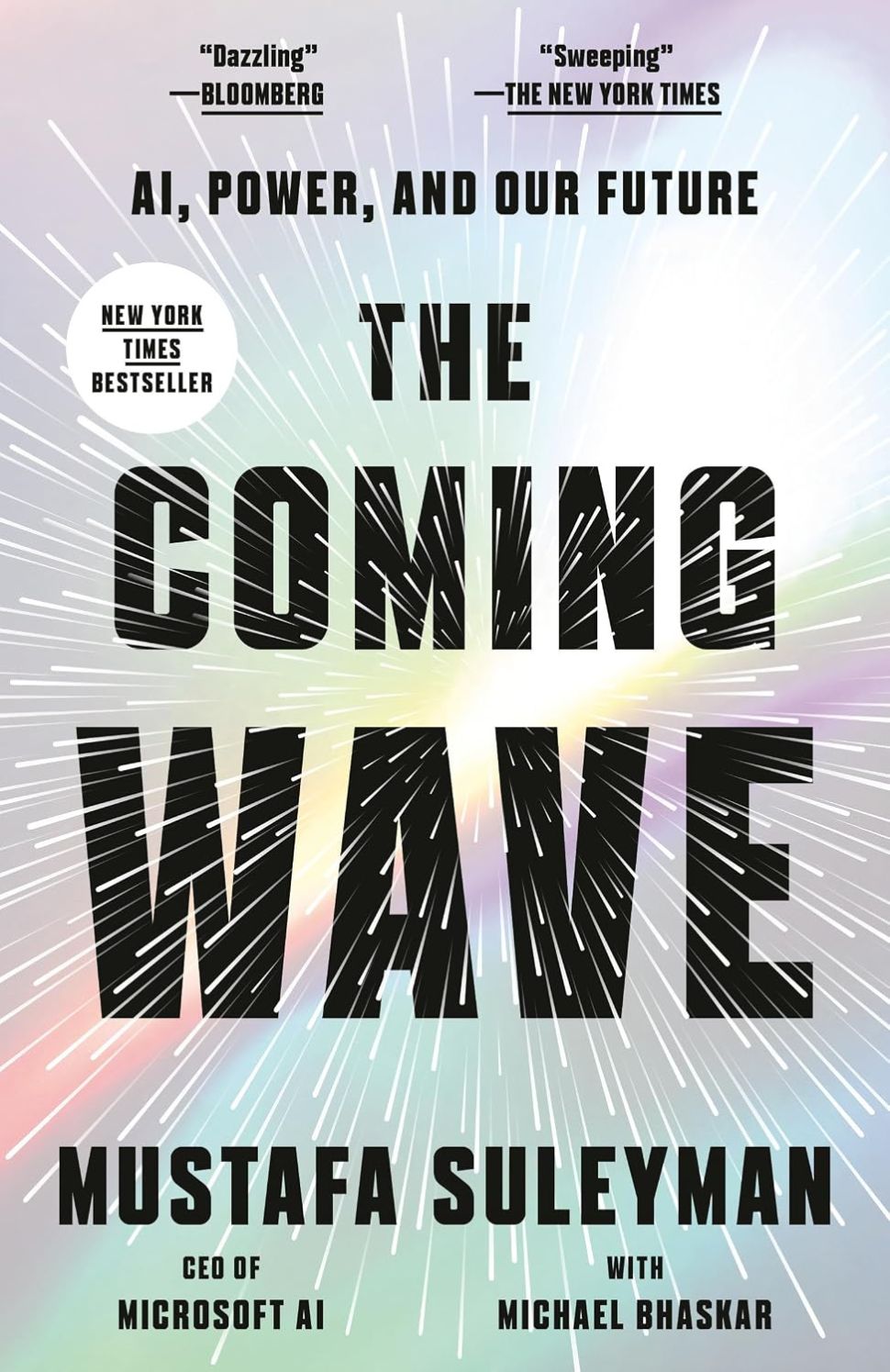
‘The Coming Wave: AI, Power, and Our Future’ by Mustafa Suleyman and Michael Bhaskar
- Recommended by Malte Kosub, co-founder & CEO of Parloa
The Coming Wave argues that rapid and unstoppable advances in A.I. will change the world sooner rather than later, and while these technologies have enormous possible benefits, they also pose significant risks. Ensuring the safest possible future means building guardrails into artificial intelligence from day one. “After reading this book, I got encouraged even more that we need to very, very actively think about how to approach A.I., and we need to actively shape how A.I. is going to be deployed,” Malte Kosub told Observer. “It encouraged me in my work to think about sustainably bringing A.I. to the world.”
Courtesy Crown
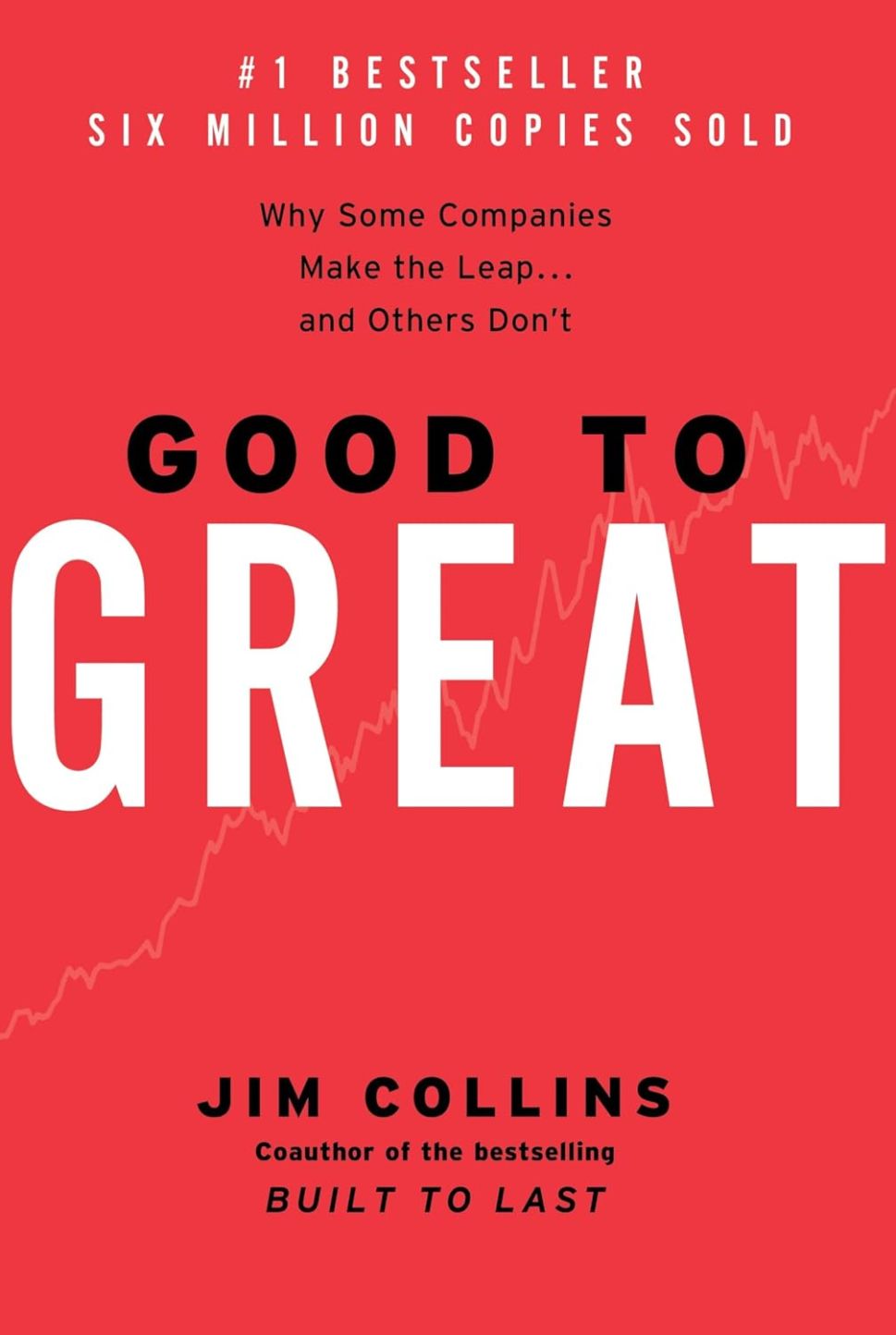
‘Good to Great’ by Jim Collins
- Recommended by Kevin Ooley, incoming CEO of DataBank
In Good to Great: Why Some Companies Make the Leap…and Others Don’t, Collins explores how average companies transform into elite, long-lasting businesses—and why some never make it past initial successes. He lays out multiple keys to sustained growth, including great leaders, steadfast optimism, self-directed discipline, and tactical thinking. “It wasn’t a mandatory read, but most of the leadership team has read parts or all of that book in different stages of their career,” Kevin Ooley told Observer. “It’s one of the books our leadership team talks about a lot. It’s about getting the right people… people who are high competency, but low ego, and then always having very honest conversations, attacking issues, not the people. And then just going about things in a disciplined way versus an emotional or territorial way.”
Courtesy Harper Business
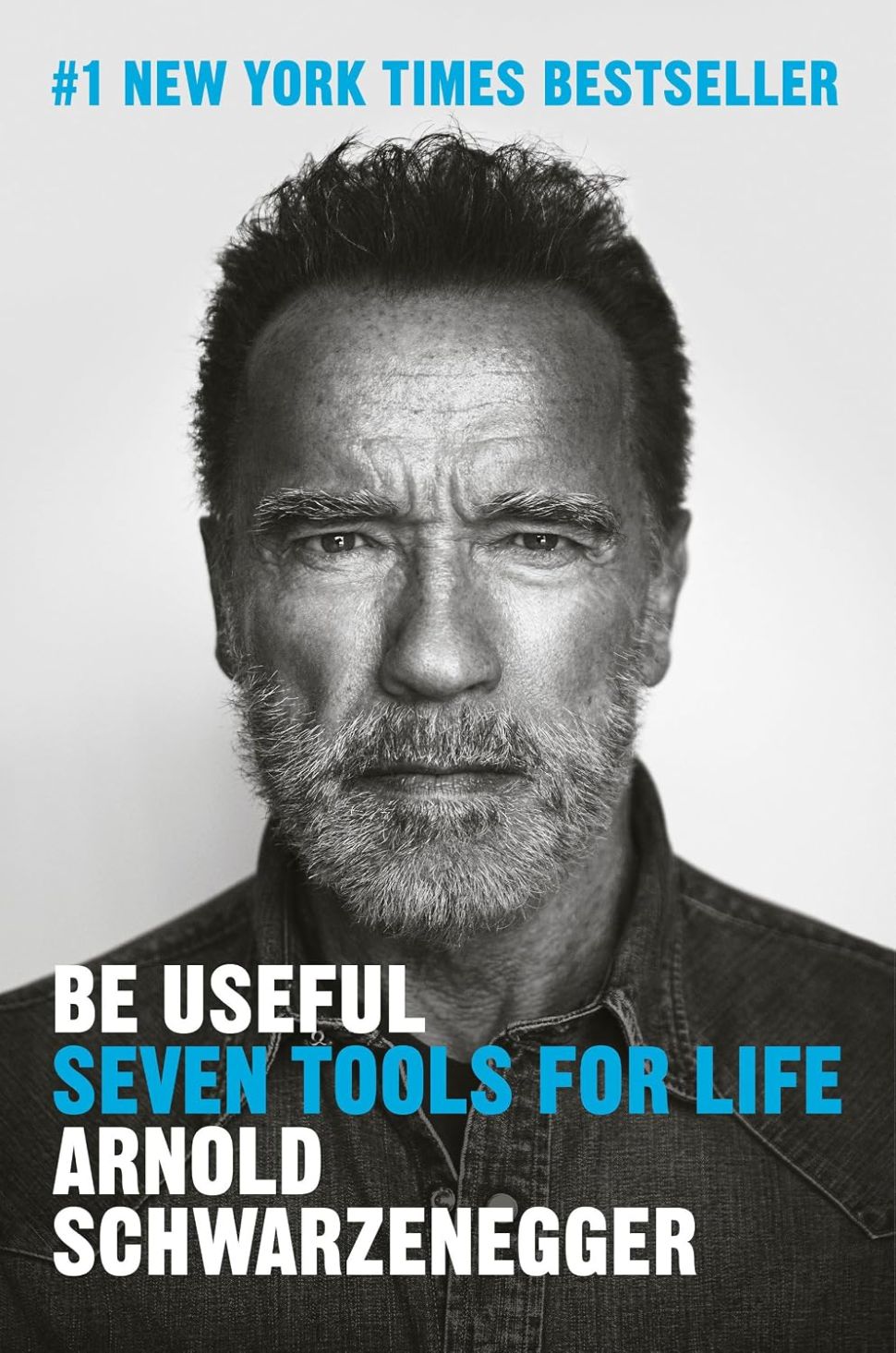
‘Be Useful: Seven Tools for Life’ by Arnold Schwarzenegger
- Recommended by Walid Mehanna, Chief Data and A.I. Officer of Merck KGaA, Darmstadt, Germany
Schwarzenegger’s practical self-help guide, inspired in part by his father’s admonition to always be of service to others, offers life lessons drawn from the actor-turned-politician’s experiences in bodybuilding, Hollywood and the governorship of California. “The underlying foundational principle is always be useful, and that deeply resonated with me,” Walid Mehanna told Observer
Courtesy Penguin Press
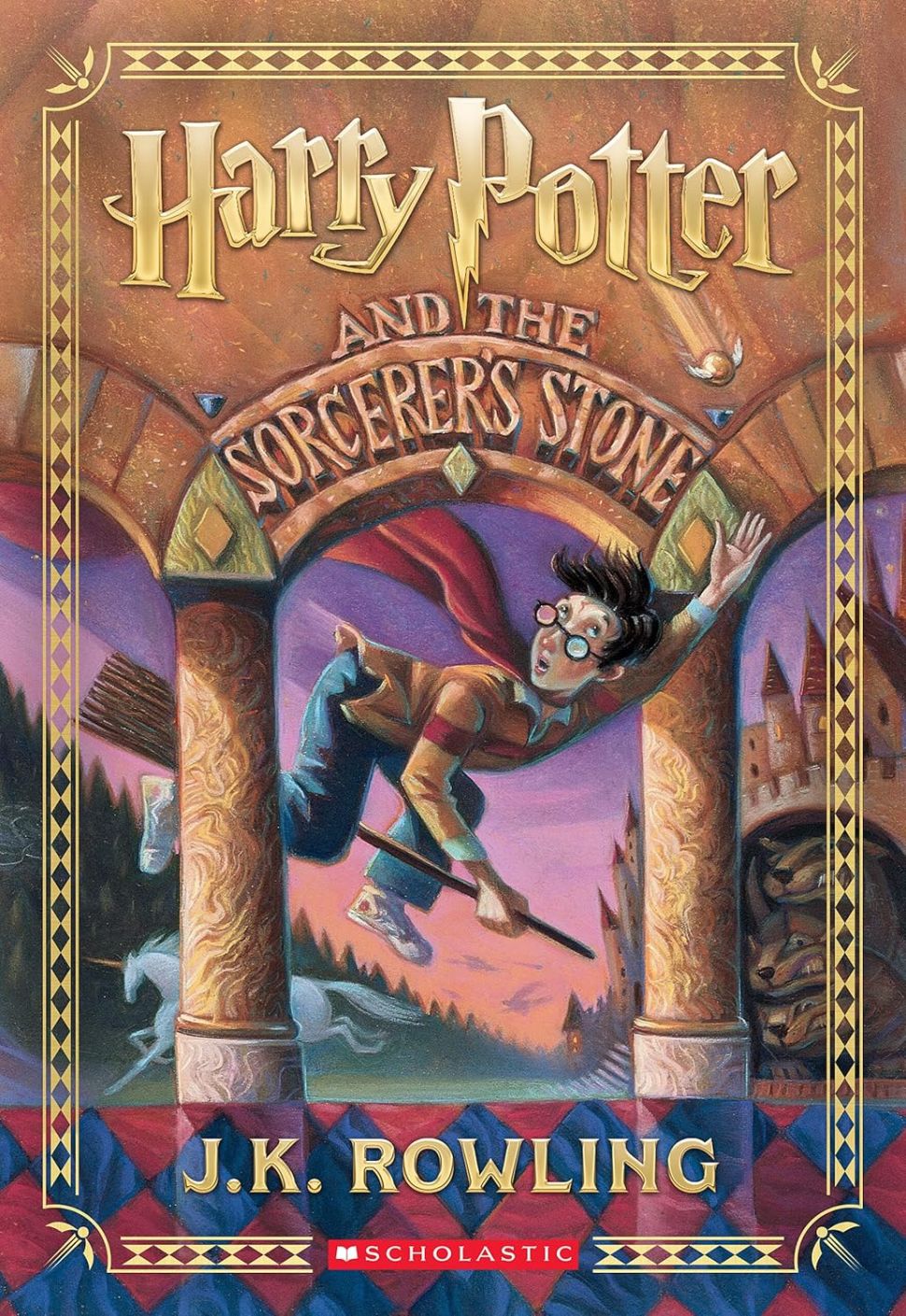
The ‘Harry Potter’ series by J.K. Rowling
- Recommended by Minna Song, co-founder of EliseAI
“Our core value (‘Make Magic’) traces back to this book for me,” Minna Song told Observer. “The notion of using magic to get you exactly what you need, exactly when you need it is so captivating. That’s what we should be building with A.I., and that’s what I want our customers to feel—that the thing they needed just happened without any delay or confusion. A resident gets an answer to their question at midnight on a Saturday instead of waiting until Monday. A patient gets their appointment scheduled without three phone calls. If we’re doing our job right, nobody’s thinking about the technology at all. They’re just getting what they need, when they need it.” Like magic.
Courtesy Scholastic Inc.
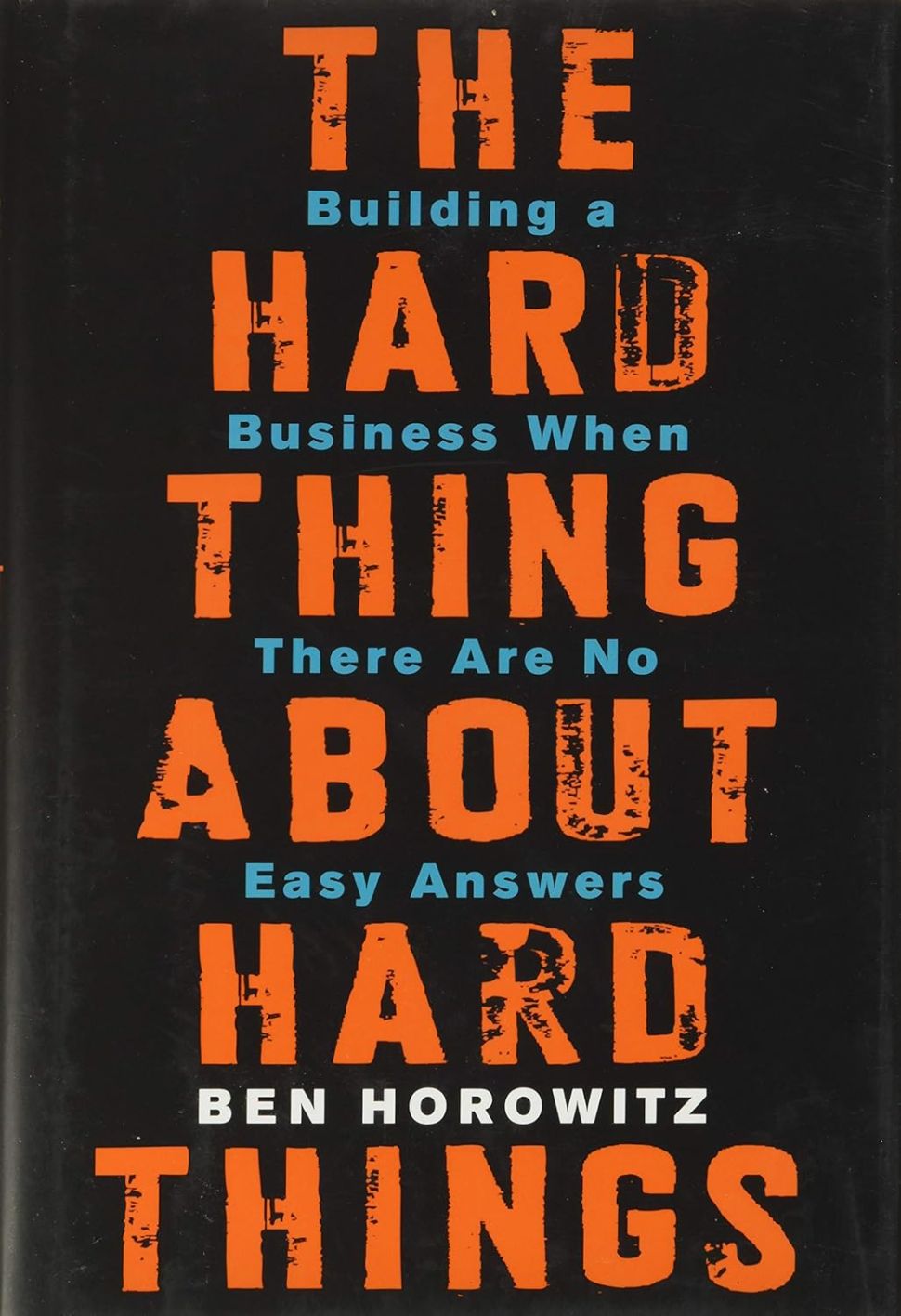
‘The Hard Thing About Hard Things’ by Ben Horowitz
- Recommended by Laurel Taylor, founder & CEO of Candidly
The ultimate field manual for managing a crisis, this book is essential reading for veteran entrepreneurs and startup executives. In it, Horowitz taps into his experience as a Silicon Valley CEO to offer actionable advice that distinguishes between “peacetime” and “wartime” leadership, which, according to him, require very different approaches. Laurel Taylor called it “the classic for every founder,” and added that “it’s definitely wartime right now.”
Courtesy Harper Business
