


Op-Ed: Doubling Down on Circular Fashion Requires More Than Regulation – Global Fashion Agenda
Op-Ed: Doubling Down on Circular Fashion Requires More Than Regulation

By María Luisa Martínez DíezAugust 10, 2026
Europe is rewriting the rules of fashion. The question now is whether this new system will actually work
At a moment when the European Union is introducing the most far-reaching set of sustainability rules the fashion industry has ever faced, barriers to scaling circular textiles persist, even with legislation in place, due to a lack of the right financial and market conditions. Global Fashion Agenda has therefore put forward a Call to Action to mobilize action, urging EU and national policymakers to study and introduce incentives needed to make circularity work in practice
At its core, the challenge is economic. Circular textiles will only scale when the system functions as a measures until it becomes commercially competitive. Today, none of these conditions are in place
Demand for recycled materials is rising due to upcoming mandatory ecodesign requirements. But still, it remains volatile. Supply is constrained, with less than 1 percent of textiles being recycled into new garments. Across the EU, collection, sorting and recycling capacity is underdeveloped, with many operators having to shut down their operations, while recycled fibers continue to struggle to compete on price with virgin alternatives
The result is a market that does not function: investment is delayed, infrastructure is not built, and circularity remains stuck below scale
At the same time, fragmentation across the EU is compounding the problem. Diverging national approaches to the implementation of Extended Producer Responsibility (EPR), unclear definitions of waste and misaligned timelines in the adoption of relevant legislation are creating uncertainty and barriers in what should be a single market
This is not a failure of ambition. It is a failure of market conditions. Closing this gap will require more than the right legislative framework in place. It requires fixing the fundamentals of how the system works:
First, circular textiles must operate within ad signals and long-term visibility, companies cannot justify the investments needed to scale recycling. Creating that certainty, through public procurement that prioritizes sustainable textiles and robust yet realistic recycled content requirements, is essential to unlocking capital and accelerating market growth
Second, the system must operate as a harmonized single market. Today, fragmentation means materials do not flow, rules on compliance differ across countries, and costs increase for companies operating across borders. Greater harmonization, through consistent implementation of Extended Producer Responsibility schemes, timely adoption of eco-modulation criteria, as well as simpler and more harmonized compliance requirements across Member States, is critical
Third, circularity must be supported through targeted financial and economic measures. Today, recycled materials can’t compete at scale, and early-stage investments carry significant risk. Targeted support is therefore needed to unlock investment, narrowing a price premium that today ranges from around 20 percent to as much as double the cost of virgin materials. Further, prioritizing textile circularity within the EU’s next long-term investment framework will be essential to mobilize capital and build the infrastructure needed at scale. As the EU reshapes how it supports strategic industries in the coming years, circular textiles must be recognized as part of this transformation, not as a niche sustainability issue, but as a core industrial priority.
As portrayed, the scale of the challenge is significant. Recent estimates suggest that scaling textile-to-textile recycling infrastructure across the EU alone will require 8-11 billion euros in capital investment. However, that capital will not flow without clear demand, reduced risk and a coherent market framework
Incentives are therefore not a complement to regulation. They are the missing piece that determines whether the system the EU intends to build for circular textiles succeeds or fails
When designed coherently, these incentives also translate directly into tangible business value. For instance, it is calculated that harmonized approaches to EPR schemes for textiles and aligned EU-wide definitions can reduce compliance costs for companies by an estimated 25–30 percent
With the forthcoming Circular Economy (expected in September), the EU has a final chance to directly address these market failures. At its core, the Act will aim to strengthen the single market for secondary raw materials, increase both supply and demand, and “get the economics right” so these materials can compete. In practice, this should mean reducing fragmentation and legal uncertainty so materials can move more easily across borders, and making EPR compliance simpler and more consistent. It should also mean introducing the legal basis for financial and fiscal tools to support the textile transition towards circularity, particularly by prioritizing investment in collection, sorting and recycling infrastructure, and facilitating risk-sharing mechanisms to unlock private capital at scale.
Without these changes, recycled materials will continue to struggle to compete, and Europe’s circular ambitions will remain out of reach
The EU has set the direction. Now it must double down on incentives. Because the success of this transition will not be defined by the ambition of its rules, but by whether circularity can compete, and scale, in the market
María Luisa Martínez Díez is vice president of public affairs at the Global Fashion Agenda. She is responsible for strengthening, developing, and executing GFA’s Policy Engagement Strategy. Her responsibilities are to ensure strategic engagement with relevant stakeholders and develop partnerships with key organizations. Martínez Díez joined Global Fashion Agenda as senior public affairs manager in September 2019. She holds a Master’s degree in EU politics and law from Sciences Po Paris and brings over 10 years of experience in Public Affairs, first in Paris, then in Brussels where she worked at namely at the European Commission, the Regional Office of Madrid and the Brussels-based consultancy EURALIA where she was leading the agri-consumers department working in the fields of circular economy and sustainability in the supply chains including the fashion and food industries.
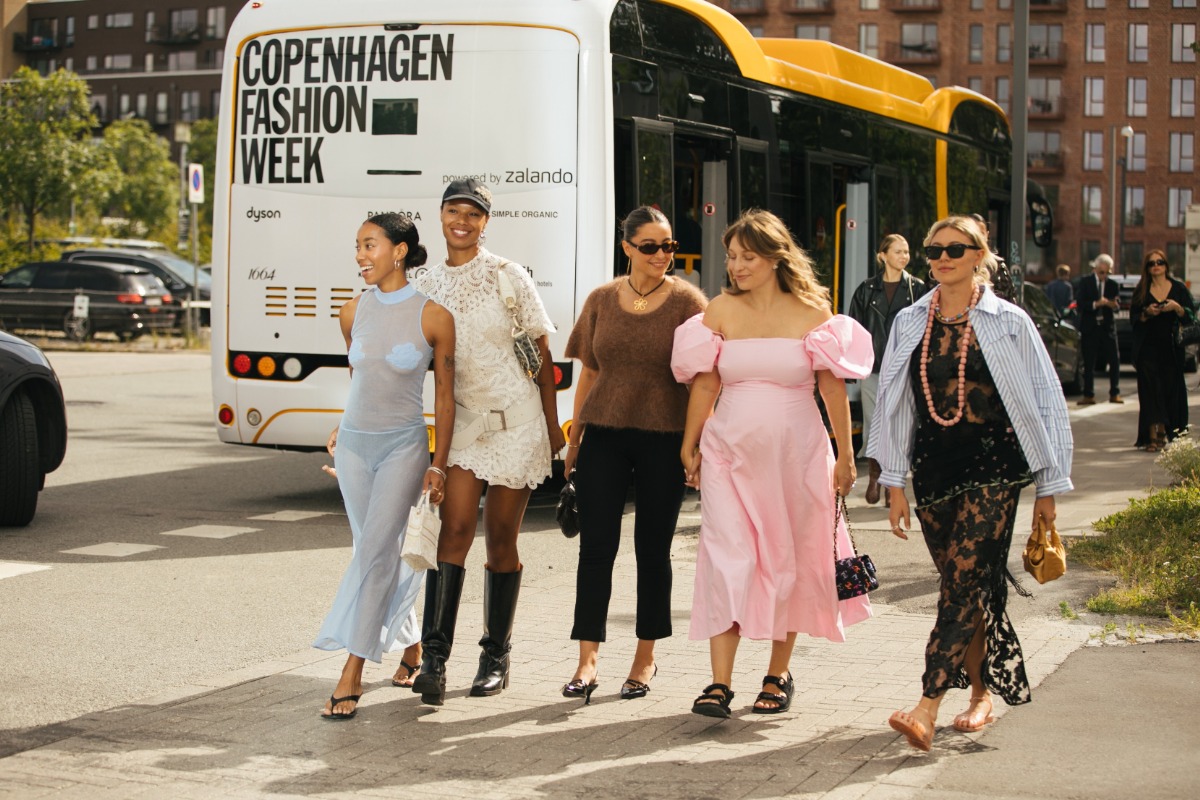
As Copenhagen Fashion Week hosts its Spring/Summer 2027 season, it does so not only by celebrating its twentieth anniversary, but by reinforcing Copenhagen’s position as one of the world’s leading fashion capitals
Read Article
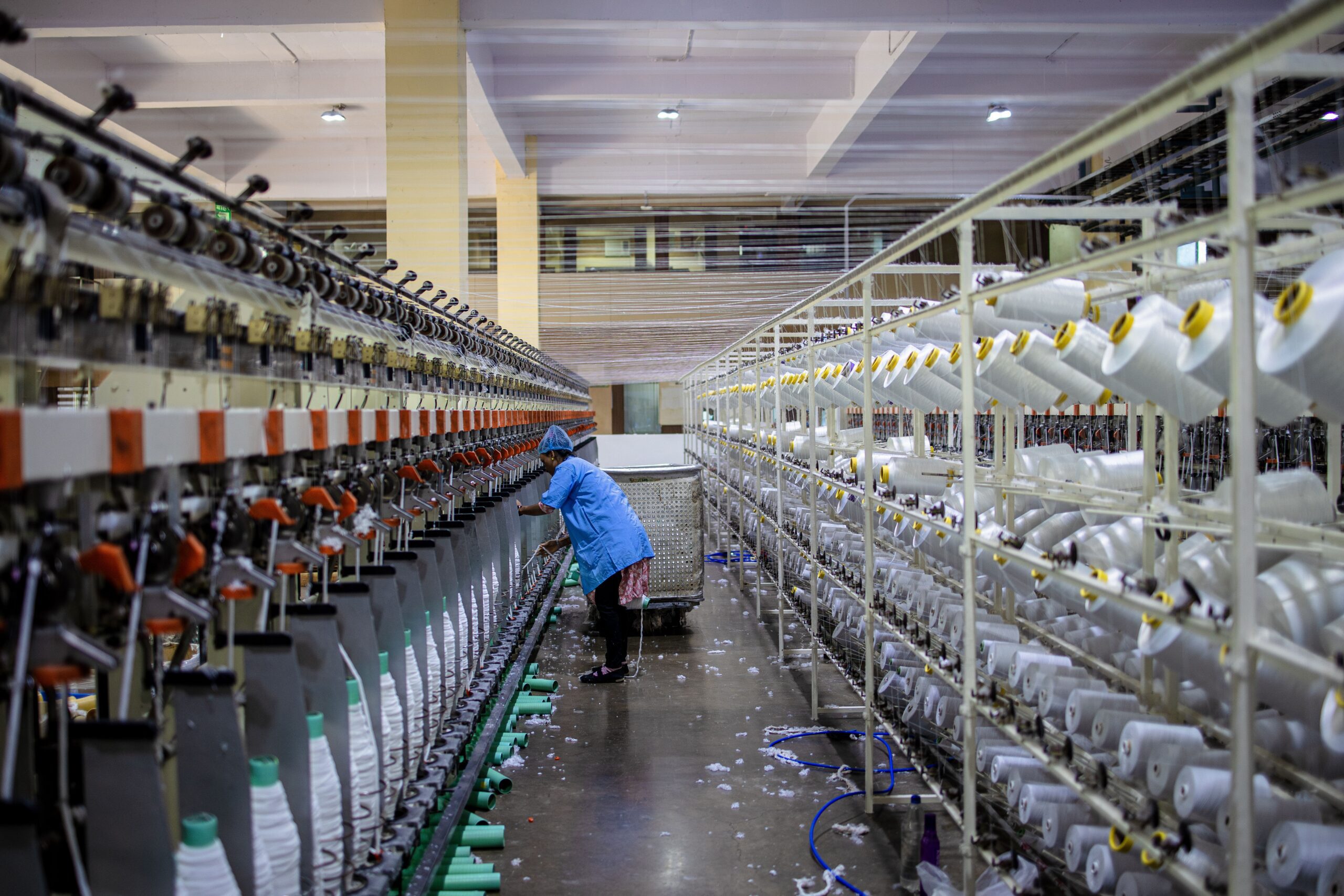
A new sustainability dimension is increasingly shaping boardroom discussions: financial resilience
Read Article

As we closely monitor fashion’s global legislative evolution, we zoom into GFA’s Policy Matrix: the new Asia Edition, Americas and EU editions, offering clarity and updates on emerging and existing legislation
Read Article
We use cookies on our website to give you the most relevant experience by remembering your preferences and repeat visits. By clicking “Accept All”, you consent to the use of ALL the cookies. However, you may visit “Cookie Settings” to provide a controlled consent.
Cookie Settings
Manage consent
