

Italy Joins Greece, France, and Spain in Receiving Emergency EU Border Flexibility as Entry/Exit System Delays Challenge Summer Tourism Across Europe – Travel And Tour World
Italy Joins Greece, France, and Spain in Receiving Emergency EU Border Flexibility as Entry/Exit System Delays Challenge Summer Tourism Across Europe
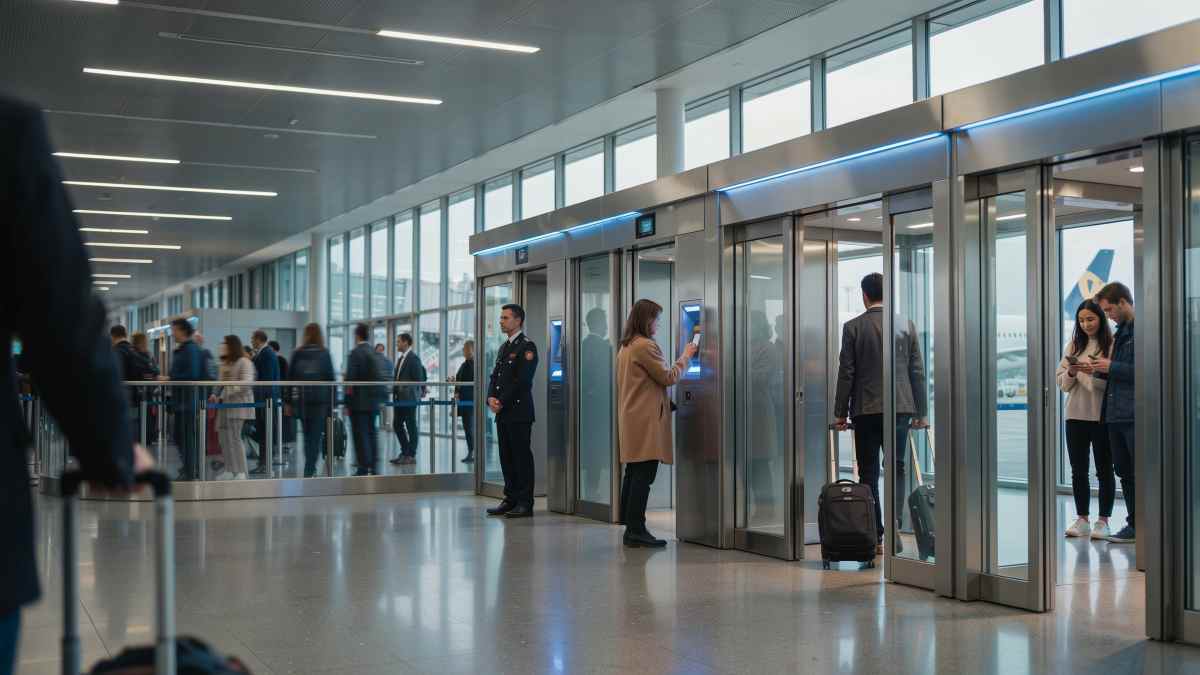
Image generated with Ai
Italy Joins Greece, France, and Spain in Receiving Emergency EU Border Flexibility as Entry/Exit System Delays Challenge Summer Tourism Across Europe. Spain, France, Italy, Greece and several other major European tourism destinations are receiving emergency operational flexibility from the European Commission as airports continue to grapple with long queues linked to the rollout of the European Union’s Entry/Exit System (EES). The temporary measure comes as the summer travel season reaches its busiest phase, with millions of international visitors arriving across the Schengen Area every week.
The move follows growing concerns from airlines, airports and tourism stakeholders that the new digital border system could create significant bottlenecks at some of Europe’s busiest gateways. To prevent widespread disruption, the European Commission has authorised member states to temporarily suspend certain biometric registration procedures until early September 2026, when passenger volumes become unmanageable
The decision represents one of the first major operational adjustments since the EES became fully operational across the Schengen Area earlier this year
Europe’s Digital Border Revolution Faces Summer Pressure
The Entry/Exit System was introduced to modernise border management across Europe
Advertisement
Replacing traditional passport stamps, the system digitally records the movements of non-EU travellers entering and leaving the Schengen Area. First-time travellers are required to provide biometric information, including facial images and fingerprints, which are then stored securely within the system
The objective is to strengthen border security, improve immigration monitoring and create a more efficient long-term process for international arrivals
Advertisement
Advertisement
However, implementation has coincided with one of the busiest tourism periods Europe has experienced since the pandemic recovery
Airports across Spain, France, Italy, Greece and Portugal are welcoming millions of visitors from the United Kingdom, the United States, Canada, Australia and other visa-exempt markets. The combination of record passenger numbers and additional biometric checks has created operational pressure at several border control points
Advertisement
Advertisement
Industry organisations have reported that some airports have experienced extended processing times, particularly during peak arrival waves when multiple long-haul aircraft arrive simultaneously
European Commission Steps In
As concerns intensified, aonal flexibility
The European Commission subsequently confirmed that member states would be permitted to temporarily pause biometric registration procedures in exceptional circumstances when passenger queues become excessively long and threaten airport operations
The flexibility will remain available until early September 2026, covering the busiest weeks of the European summer travel season
Advertisement
Advertisement
The measure does not suspend the Entry/Exit System itself
Instead, it allows border authorities to prioritise passenger flow management during periods of extreme congestion while maintaining overall border security procedures
For airports facing intense pressure, the decision provides an important operational tool that can help prevent large-scale disruption
Tourism Destinations Seek Smooth Visitor Experience
The timing is particularly important for Europe’s tourism economy
Spain, France and Italy remain among the world’s most visited countries, while Greece and Portugal continue to experience strong international demand. Together, these destinations welcome hundreds of millions of visitors annually and depend heavily on efficient airport operations during the summer
Tourism authorities have worked closely with airports and airlines to minimise disruptions and ensure travellers continue to move smoothly through border checkpoints
Advertisement
Advertisement
The temporary flexibility offered by the European Commission is expected to support that objective during the remainder of the peak season
For destinations competing for global tourism spending, maintaining a positive arrival experience remains a key priority
Long border queues can affect visitor satisfaction, airport efficiency and airline schedules, making operational stability essential during periods of high demand
Airlines and Airports Welcome Temporary Relief
The a
Airlines and airport operators have consistently supported the long-term objectives of the Entry/Exit System but have emphasised the need for practical solutions during the transition period
Many airports have invested heavily in:
Advertisement
Advertisement
- New biometric equipment
- Additional border processing areas
- Passenger guidance systems
- Staff training programmes
- Digital queue management technology
Despite these investments, exceptionally high summer traffic volumes have placed additional strain on infrastructure
The emergency flexibility provides operators with additional tools to manage passenger flows while longer-term optimisation efforts continue
What Travellers Need to Know
For travellers arriving from non-EU countries, preparation remains essential
Visitors from countries including:
- United Kingdom
- United States
- Canada
- Australia
- New Zealand
- Japan
May still encounter longer border processing times at certain airports
Although emergency measures are available, the Entry/Exit System remains operational and travellers should expect enhanced border procedures compared with previous years
Advertisement
Advertisement
Industry bodies are advising passengers to:
- Arrive early for flights
- Allow additional connection time
- Keep travel documents readily available
- Follow airport guidance
- Monitor airline updates before departure
Travellers entering Europe for the first time since the introduction of EES may require additional processing compared with repeat visitors whose information is already recorded within the system
Schengen Tourism Continues to Grow
Despite the operational challenges, European tourism demand remains robust
The Schengen Area continues to attract visitors seeking cultural experiences, beach holidays, luxury travel, city breaks and business opportunities
Major destinations such as:
- Barcelona
- Madrid
- Paris
- Rome
- Milan
- Athens
- Lisbon
- Amsterdam
continue to report strong visitor interest throughout the summer season
Advertisement
Advertisement
Airlines have expanded capacity across several international routes, while hotels, cruise operators and tourism businesses continue to benefit from sustained travel demand
Industry analysts note that current challenges are primarily operational rather than demand-related, with traveller interest in Europe remaining exceptionally strong
Long-Term Border Transformation Continues
European authorities continue to emphasise that the Entry/Exit System represents a long-term investment in border modernisation
The programme forms part of a broader digital transformation strategy that will eventually include the introduction of the European Travel Information and Authorisation System (ETIAS), expected to launch later in 2026
Together, these systems aim to create a more integrated border management framework while supporting tourism, business travel and international mobility
Although initial implementation challenges are expected, European institutions maintain that the long-term benefits include stronger security, more accurate immigration monitoring and improved traveller management
Advertisement
Advertisement
Chronological Tracker
| Date | Event |
|---|---|
| October 2025 | Phased Entry/Exit System preparations accelerate |
| 10 April 2026 | EES becomes fully operational across the Schengen Area |
| June 2026 | Airports begin reporting increasing queue pressures |
| July 2026 | The aviation industry seeks emergency operational support |
| July 2026 | European Commission authorises temporary biometric flexibility |
| Early September 2026 | Emergency flexibility period scheduled to conclude |
Key Statistics
- Countries covered by EES: 29
- Temporary flexibility period: Until early September 2026
- ETIAS validity once launched: Up to 3 years
- Maximum Schengen stay: 90 days within 180 days
- First-time EES users: Subject to biometric registration
- Peak travel period: July–August 2026
FAQ
What is the Entry/Exit System (EES)?
The EES is the European Union’s digital border management system that records biometric and travel information for non-EU travellers entering and leaving the Schengen Area
Has the EU suspended EES?
No. The system remains operational. Member states have only received temporary flexibility to pause biometric registration procedures during severe congestion
Should travellers expect delays?
Yes. Travellers arriving from non-EU countries should allow additional time for border procedures, particularly during the peak summer season
Key Dates
- 10 April 2026 – EES fully operational across Schengen Area
- July 2026 – Emergency flexibility measures introduced
- Early September 2026 – Temporary flexibility period expected to end
- Late 2026 – ETIAS expected to begin rollout
Conclusion
Italy Joins Greece, France, and Spain in Receiving Emergency EU Border Flexibility as Entry/Exit System Delays Challenge Summer Tourism Across Europe. Brussels, Belgium, has become the focal point of Europe’s response to growing airport congestion as the Entry/Exit System undergoes its first major summer stress test. By granting temporary flexibility to member states, the European Commission aims to protect tourism flows, maintain airport efficiency and minimise disruption across key destinations including Spain, France, Italy and Greece. As millions of travellers continue heading to Europe throughout the summer, border authorities, airports and airlines are working to balance passenger convenience with the continent’s evolving digital border strategy.
Advertisement
Tags: Biometric Border Checks, EES Airport Delays, EU border control, EU Entry Exit System, Europe airport queues 2026
Advertisement
Advertisement
This content is protected under the Copyright Act. Unauthorized scraping, AI extraction, reproduction, or republication is strictly prohibited. Read ourCopyright Policy.
Follow Travel And Tour World in Google News

PARTNERS



REGIONAL NEWS
Europe
Europe Travel Industry Transforms With Milan At The Core Of A Rising Wave Of Lux
Monday, July 6, 2026
Jetbay Expands Fixed-Price Private Jet Routes Across Europe Linking London, Pari
Monday, July 6, 2026
America
Massive Travel Chaos Sweeps Across the US as New York, New Jersey, Massachusetts
Monday, July 6, 2026

WSI Mentor Award 2025 to 2026 Honours Industry Leadership at Global WSI Conventi
Monday, July 6, 2026
Middle East
Saudi Arabia Launches Digital Umrah Booking Platform in Landmark Partnership wit
Monday, July 6, 2026
Japan Reorders Middle East Travel Advisory Risk Across Iran, Iraq, Lebanon and I
Monday, July 6, 2026
Asia
Philippines Opens National Museum in Baler, Aurora Boosting Central Luzon Cultur
Monday, July 6, 2026

Fergana’s New Horizon: Uzbekistan and China Forge Strategic Tourism and Infras
Monday, July 6, 2026
© 2026 Travel And Tour World. All Rights Reserved.
Copyright Policy
We use cookies on our website to give you the most relevant experience by remembering your preferences and repeat visits. By clicking “Accept”, you consent to the use of ALL the cookies.Do not sell my personal information.
Settings
Manage consent
X
