

Here’s the biggest risk to America’s data center building boom
Brian Sozzi· Executive Editor
Wed, August 12, 2026 at 5:49 PM GMT+5:30
3 min read
Seemingly every Big Tech company is trying to put a data center in your backyard to fuel their AI ambitions
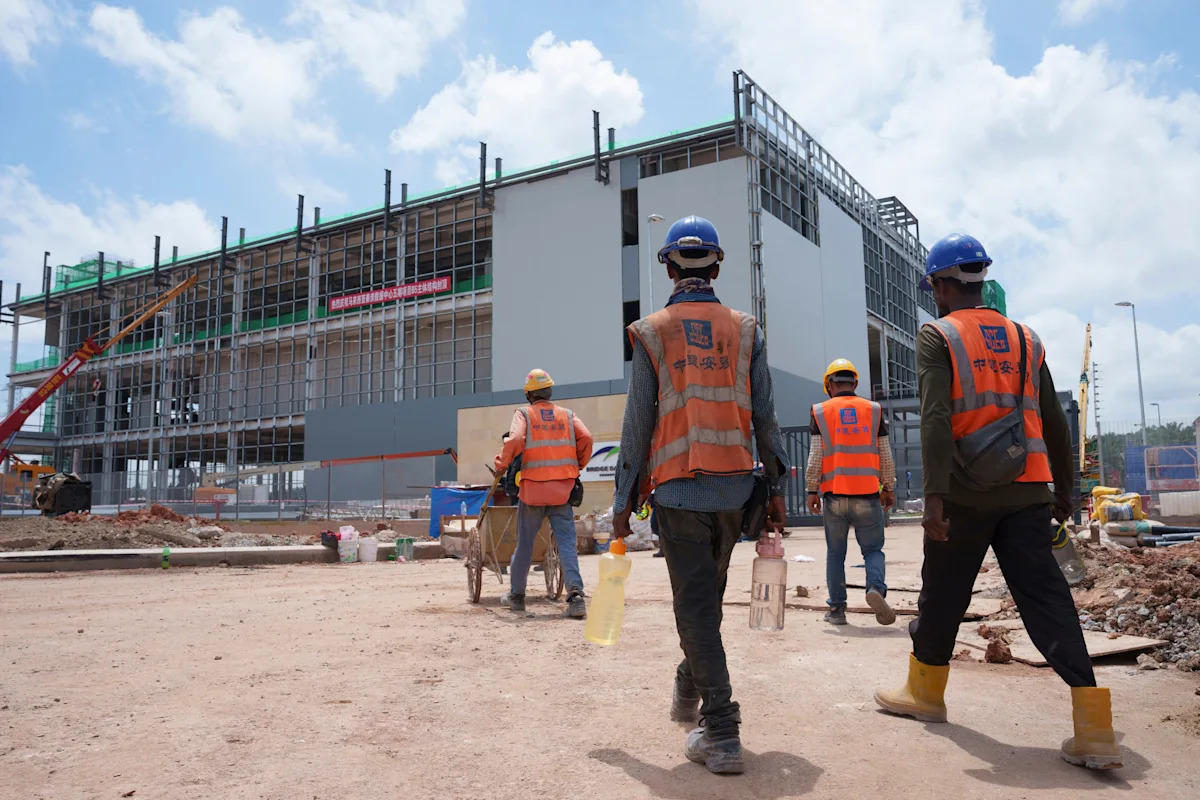
The biggest roadblock to that actually happening: Finding the skilled humans, such as welders and electricians, to build a state-of-the-art facility that will suck massive amounts of power from the electrical grid so we all can create AI-generated videos
The US MEP (mechanical, electrical, and plumbing trades) labor pool is smaller than the 1.8 million headline labor force suggests, Bernstein analyst Chad Dillard warned in a new note on Wednesday
“Not all MEP workers are qualified, geographically accessible or available,” Dillard explained. “Data center work requires a specialized set of skills, so even after narrowing this pool to [non-residential] construction (790,000), the pool needs further refinement given the high training bar. There is a geographic mismatch between where the data center projects will be built vs. where the labor is — only 30% of the MEP labor resides where 70% of the projects are located.”
“Data centers must compete with the labor needs of other construction projects,” Dillard added. “Tradespeople can’t be manufactured, so labor recruitment rates will set the construction pace.”
At recent peak recruitment rates, the US has added approximately 15,000 mechanical, 30,000 electrical, and 15,000 plumbing craft laborers, Dillard estimated
“In reality, this recruitment rate likely represents a ceiling,” Dillard said. “1) MEP recruitment rates have slowed since the 2023 peak; 2) MEP as a share of the total US labor pool is at a 20-year-high; 3) only craft labor can make craft labor — training is the true bottleneck.”
“Under this framework, data center capacity additions cannot grow materially faster unless either labor productivity improves or data centers take a greater share of workers from the rest of the construction economy,” he added
In effect, these are jobs that could be bucketed under what many experts call the essential economy
The essential economy — which includes construction, utilities, agriculture, transportation, oil and gas, and equipment manufacturing — accounts for $12 trillion of the gross domestic product, 95 million jobs, and 3 million businesses
This area of the economy continues to experience labor shortages as older workers age out of the workforce and the pool of Gen Z workers shrinks. Meanwhile, some existing workers lack the skills to stay current as artificial intelligence becomes embedded throughout the supply chain
