

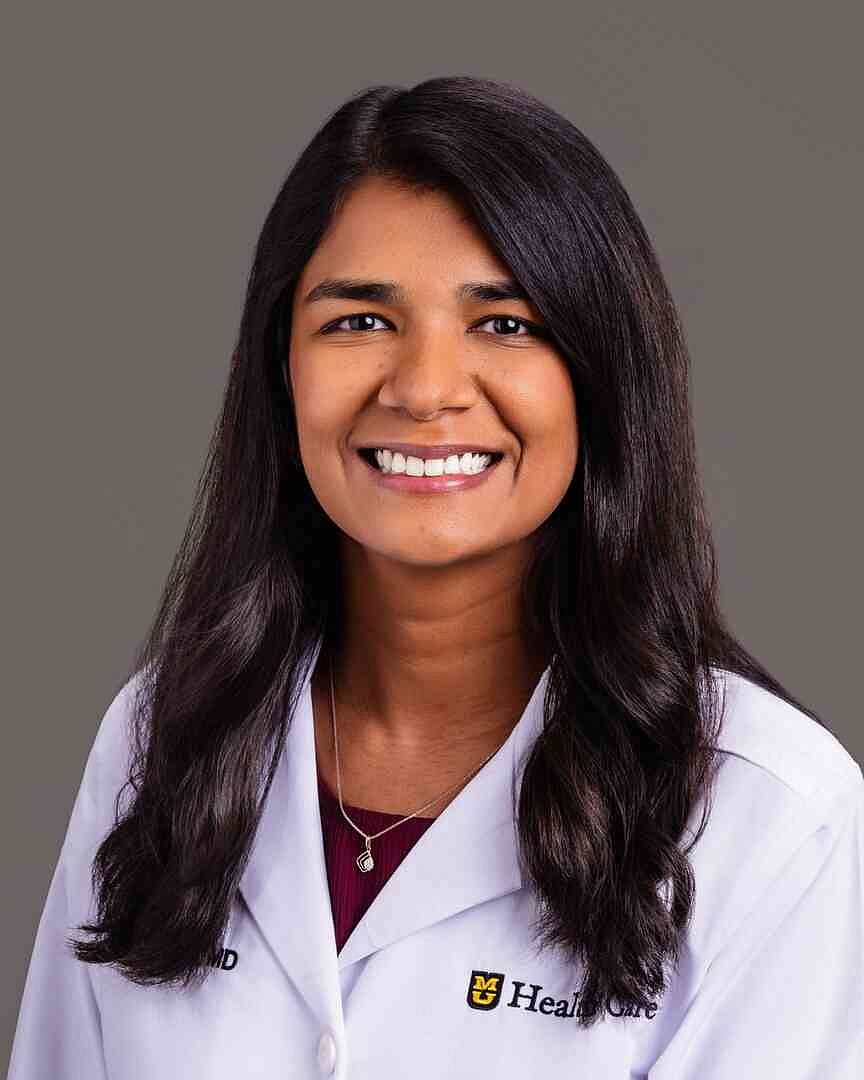
As a primary care physician, some of the most important conversations I have with patients are not about treating illness. They are about preventing it
As we age, staying ahead of health problems becomes increasingly valuable. Many of the most serious conditions affecting older adults develop quietly, often without symptoms. The good news is that routine screenings, vaccinations and preventive care can help identify problems early, when treatment is often most effective
Blood pressure: The silent threat
High blood pressure has earned the nickname “the silent killer” for a reason. Most people with high blood pressure feel completely normal. There may be no warning signs, pain or obvious symptoms
Yet uncontrolled blood pressure is a leading cause of heart attack, stroke, kidney disease, heart failure and even cognitive decline. Because high blood pressure often goes unnoticed, a simple blood pressure check at every office visit can make a significant difference. Identifying and treating elevated blood pressure early may prevent serious health problems later
Diabetes and high cholesterol follow a similar pattern. They often develop gradually, and many people do not realize they have either condition until complications begin to appear
Routine blood work can detect these conditions long before they cause noticeable symptoms. Early diagnosis allows us to take steps to protect the heart, kidneys, eyes, and nervous system. In many cases, lifestyle changes and appropriate treatment can help prevent long-term damage and improve overall quality of life
Stay up to date on vaccines
Vaccines are not just for children. They remain an important part of preventive care throughout adulthood
Adults age 65 and older should receive an annual flu vaccine, a pneumococcal vaccine, and the two-dose shingles vaccine if they have not already completed it. An RSV (respiratory syncytial virus) vaccine is now recommended for all adults age 75 and older. Adults ages 50-74 should talk with their physician about whether they would benefit from the vaccine based on their individual risk factors
These vaccinations can help prevent serious illness, reduce hospitalizations, and, in some cases, save lives
Cancer screening is not one-size-fits-all
Cancer screening remains one of the most effective tools we have for detecting disease early, but the recommendations often change as we get older
Colorectal cancer screening is recommended for adults ages 45-75 and may be considered on an individual basis through 85. Mammograms are recommended annually beginning at 40 through 74. After that, decisions should be based on overall health, life expectancy and patient preference
Cervical cancer screening typically begins at 21 and can often stop at 65 for women with a history of normal results. Lung cancer screening with a low-dose CT scan is recommended annually for adults ages 50-80 who have a significant smoking history
The most important message is that cancer screening should be personalized. The right test at the right time can make all the difference
Protect your bones
Osteoporosis is another condition that often develops silently. Most people are unaware they have it until a fracture occurs
Women ages 65 and older should have a bone density scan to evaluate for osteoporosis. Some men and women may benefit from earlier screening if they have risk factors such as a previous fracture, long-term steroid use, low body weight or a history of smoking
Detecting weak bones early allows us to take steps to reduce fracture risk and maintain mobility and independence
Prevention remains one of the most powerful tools we have to help people live longer, healthier and more active lives. It is not about doing every test available. It is about doing the right tests at the right time
The best prevention plan is one you build together with your health care provider. A simple conversation today may make a meaningful difference in your health and quality of life for years to come
Dr. Aditi More is an internal medicine physician with MU Health Care, based in Jefferson City. To schedule an appointment with More, call 573-634-2620
