

AUGUST 2, 2026 11:37
The 43rd Jerusalem Film Festival (JFF) ran from July 9-19 with an estimated 70,000 total attendees.
The festival took place roughly 10 months after the advocacy group Film Workers for Palestine launched a pledge naming the Jerusalem Film Festival directly among Israeli institutions its signatories would refuse to work with
This year marked the first full festival cycle to run under that pledge, which tested whether the boycott would impact who showed up and what films got screened
One attendee, Efrat Shvily, has been to the festival for many years, and said this year’s lineup outperformed the last two
“I know that in the past two years… the festival was down a bit because of boycotts… It was hard for the festival to get films,” said Shvily
This year, she said, the festival was lively as they managed to pull films from major international festivals such as Cannes, Berlin, and Venice
In contrast, Yoav Alon has over a decade’s worth of festivals behind him, and said the international variety felt thinner than in previous years
“This year I think it was really difficult to compose the program,” said Alon. “Hardly any films in English, nothing from Scandinaonly two from Spain. I would have loved to see films from Greece, which don’t really come often to Israel; I would love to see films from the Middle East.”
According to the festival’s executive director Roni Mahadav-Levin, fewer invited guests declined to attend this year compared to previous years, and that more than two dozen international filmmakers came to serve on juries or present work
“We’ve been around for 43 years; we have long connections, and people may not support Israel, but still want to show their film here,” said Mahadav-Levin
Israel’s cultural institutions have faced sustained international pressure since October 2023, with the Film Workers for Palestine pledge being one piece of that pressure. The pledge was launched on September 8, 2025, with more than 1,300 signatories including Ava DuVernay, Javier Bardem, and Mark Ruffalo, and had over 5,000 signatures by the month’s end
The pledge asked participants to refuse work with institutions “implicated in genocide and apartheid,” and examples of complicity include “whitewashing or justifying genocide and apartheid, and/or partnering with the government committing them.”
Some pushed back on the pledge, such as Ukrainian director Sergei Loznitsa, who accepted this year’s lifetime achievement award at JFF, an honor tied to his public opposition to cultural boycotts
The Israeli Film and TV Producers Association also issued a statement to Fox News calling the pledge misguided, saying by targeting them, “the creators who give voice to diverse narratives and foster dialogue – these signatories are undermining their own cause and attempting to silence us.”
The debate isn’t confined to outsiders weighing in on Israel from abroad. More than 50 Israeli documentary filmmakers signed their own open letter last September in support of the boycott, writing “we cannot, nor do we wish to, absolve ourselves of our responsibility – by our being part of the Israeli collective – for the crimes being committed in the West Bank and Gaza.”
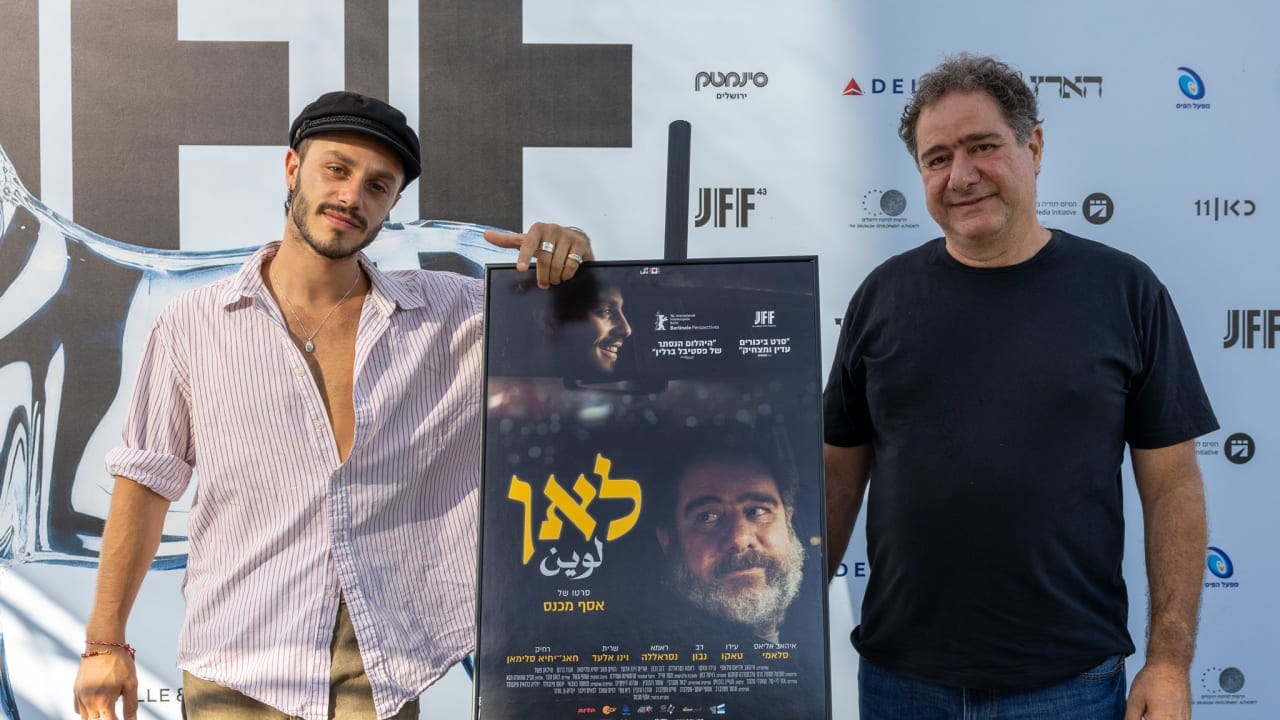
Despite the divide, the JFF managed to bring in a variety of genres, directors and opinions. This year’s top prize went to Where To?, a drama following a Palestinian cab driver and a young gay Israeli man who form a bond in Berlin, which won Best Feature, Best Screenplay, and Best Performance
