Ukrainian drone and missile maker Fire Point has secured agreements from over a dozen European defense companies to provide radar, guidance and other systems for the Freyja missile defense project, and is starting to integrate the various systems, its CEO has said
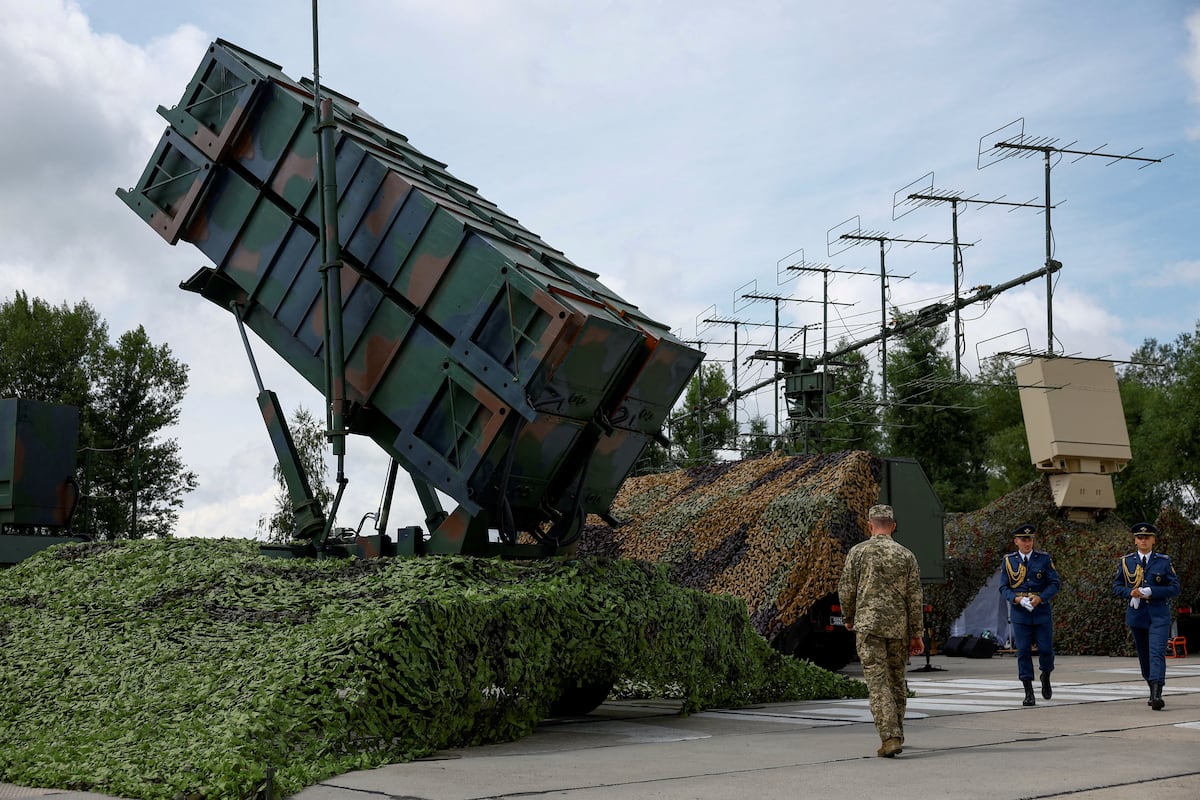
Ukraine had urgently sought partners to develop a weapon capable of stopping Russia’s ballistic missiles. The pan-European project was launched officially in Paris last month by 10 governments and 12 defense firms – including Eurosam, Leonardo, Thales and SAAB
Kyiv currently relies on the U.S.-made Patriot system to down ballistic missiles that fly at several times the speed of sound, but global shortages of its interceptor missiles, exacerbated by the war in Iran, have left Ukraine exposed
“Pretty much everything is agreed,” CEO Iryna Terekh told Reuters, saying 13 industrial partners had already joined. Fire Point aims to achieve its first successful interception by mid-2027, she added
Ukraine’s Fire Point builds pan European Freyja missile
The Ukrainian company is providing the FP7.X – a faster version of its FP7 ballistic missile – as the interceptor and is now integrating that with the guidance system, known as a seeker
“Right now we are in the most intense and also in the most complicated stage of finally assembling everything together with surveillance radars, with tracking radars, with the seekers,” Terekh said
Norway’s Kongsberg is working on the command center integrating the various systems. The company did not immediately respond to a request for comment
Industry publications have reported that Germany’s Diehl Defence — which produces a seeker for its own IRIS-T air defense system — will provide the guidance system
A Diehl spokesperson confirmed the firm was in talks with Fire Point but declined to discuss details. Terekh declined to comment
Fire Point aims to produce a ballistic interceptor for less than €1 million ($1.2 million) per missile, Terekh said — a quarter to a sixth of the cost of a Patriot
“We’re trying to squeeze a program that usually takes 20 or 30 years into a matter of a couple of years,” Terekh said, adding that there had been at least five tests of the interceptor missile
The project would use open-d out — such as a Weibel radar for one made by Saab
The number of industrial partners could rise to around 20, increasing production capacity, Terekh said. She added Fire Point was in talks with Ukrainian state-owned missile makers, but declined to name them
Terekh said the participating companies would finance research and development until a minimum was reached — which she said would mean the successful interception of a ballistic missile
Attack missiles nearly ready for combat
“We expect the launcher to have from four to six missiles. So if from one batch there was an interception of a ballistic missile for MVP, this would be a wonderful result,” Terekh said
A missile gets through only if all the interceptors in a launcher miss. Keeping the probability of six misses in a row below 5% — an industry standard — requires each interceptor to hit roughly 40% of the time missile expert at the Norwegian Institute for Defence Studies
If it could really be done for €1 million, it would be “pretty impressive,” and “very cheap,” Hoffmann said
The FP7 missile has an attack variant that can be used to strike ground targets. This has undergone about 15 test launches and is now being certified by the Ukrainian Defence Ministry, which she expected to take two to four more weeks
Fire Point aims for first combat use of this version in early autumn, and late autumn for the much larger FP9 ballistic missile, which it says will be able to reach Moscow
Terekh said the FP7’s architecture was based on Soviet-era designs for the S300 and S400 interceptors, but that Fire Point’s missile now shared only 20% similarity with those weapons
In a recent interview, Fire Point co-founder Denys Shtilierman said the Soviet plans had been procured as a favor by Timur Mindich, a former business associate of President Volodymyr Zelenskiy who faces charges of corruption and is now a fugitive in Israel
Fire Point says it declined an offer from Mindich to buy a stake in the company
Fire Point is pressing ahead with building its own engine for its FP5 cruise missile, known as the Flamingo, which has hit several prominent military targets in Russia this year
It had been using second-hand jet engines — “digging through the cemetery of the engines … like in a thrift store,” Terekh said
But these are getting harder and harder to find, so Fire Point is assembling the first 10 units of its own prototype
“As soon as we’re happy with the results of tests of these test engines, there’ll definitely be many more Flamingos,” Terekh said
More In Europe
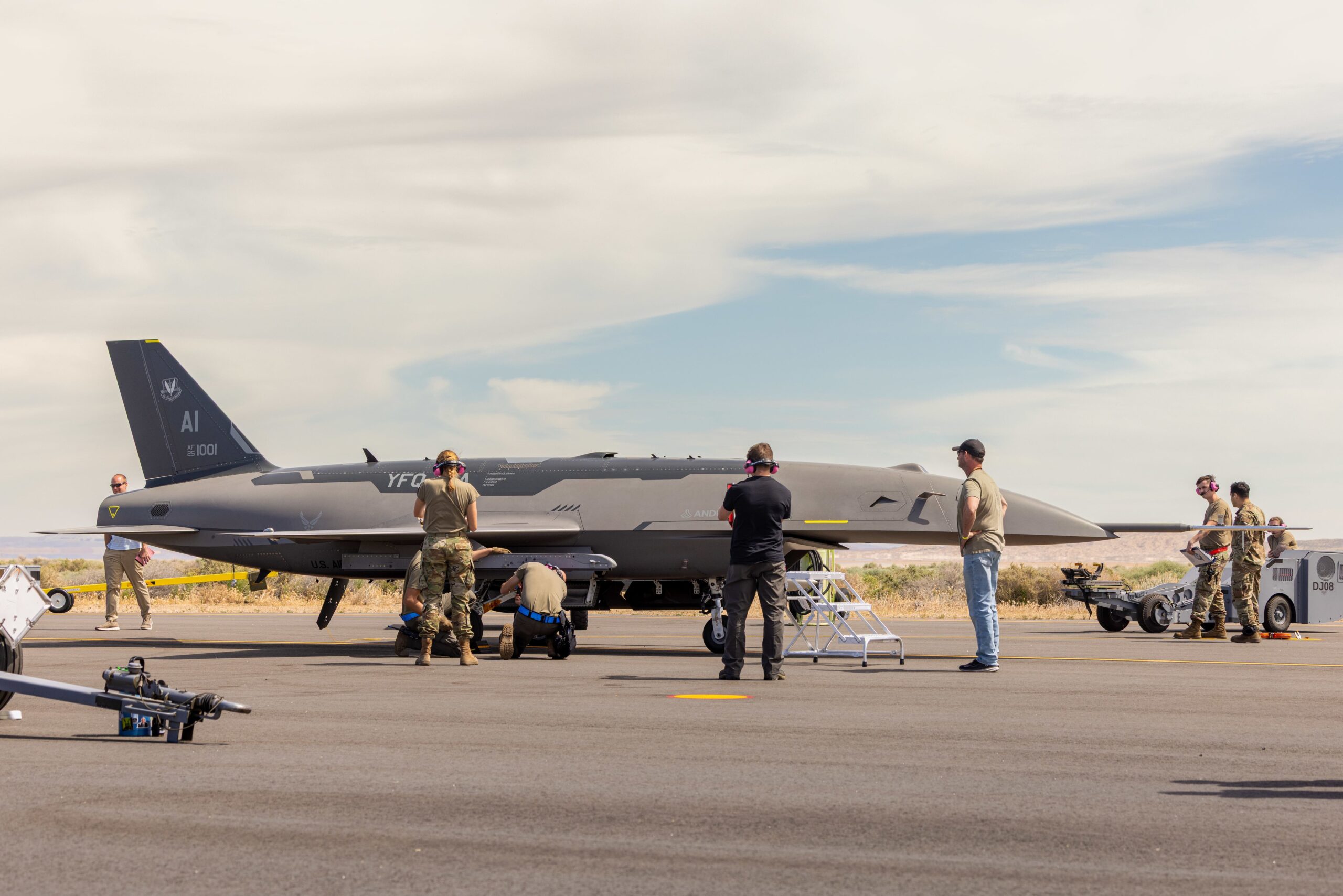
Trust between operators, CCAs starts with simulations: Former Air Force secretary
Simulations and exercises will be key to boosting trust between operators and CCAs, according to former U.S. Air Force secretary Frank Kendall.

Celebrating 40 years of Defense News
Since 1986, Defense News has been the authoritative voice for the world’s defense decision-makers.
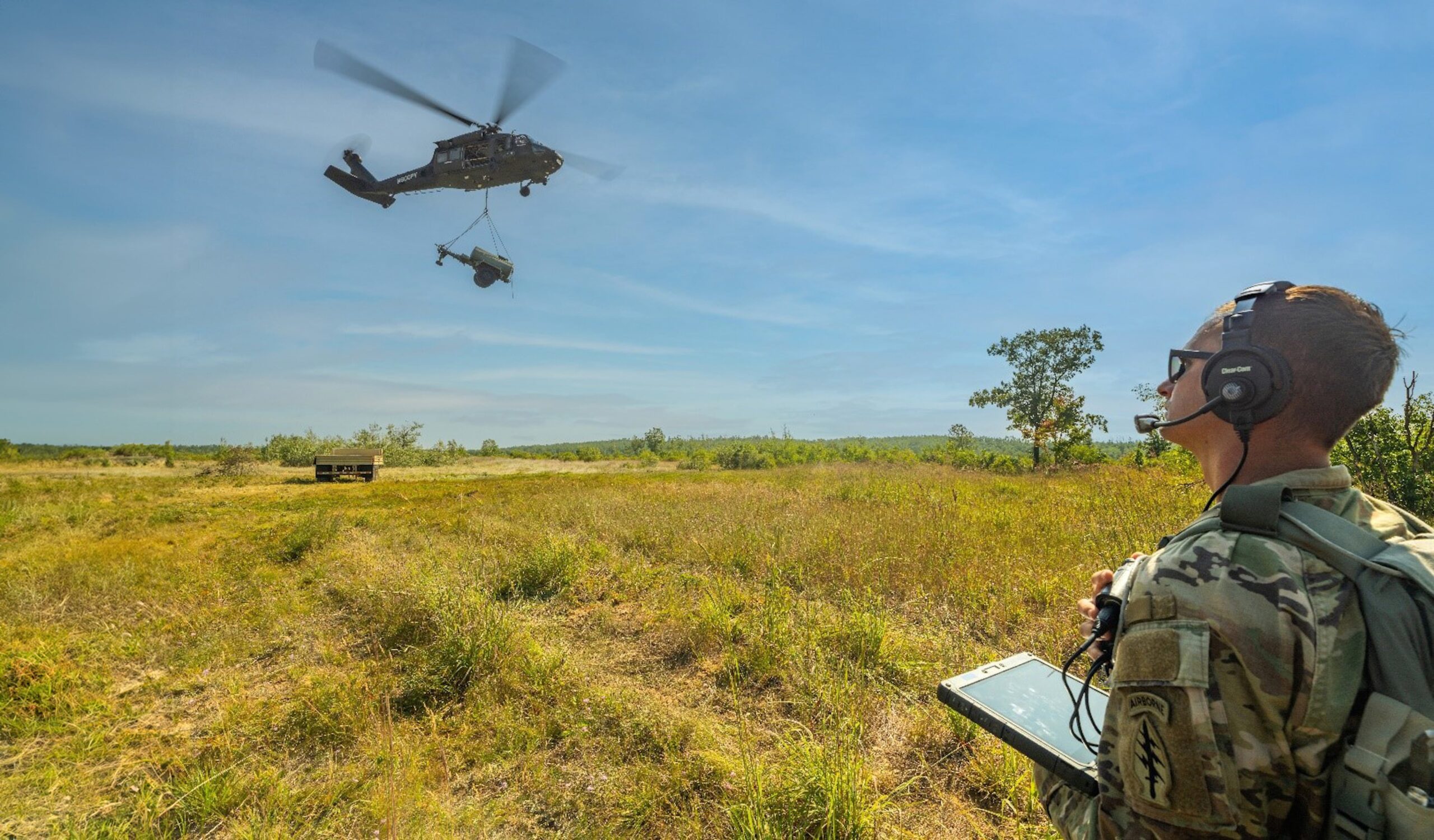
Guardsman learns to fly autonomous Black Hawk in less than an hour
In a training first, an Army National Guardsman used a tablet to control Sikorsky’s optionally piloted Black Hawk and plan its task during an exercise.

Recap: Highlights from the US Army’s 2025 conference in Washington
The Army continues to transform, with efforts focused on next-gen weaponry, long-range artillery, unmanned systems and much more.