

Words by ITV News Producer Andy Ward
The impact of this summer’s hot and dry weather went up another notch this week, with an official drought being declared across more than half of England and most of Wales
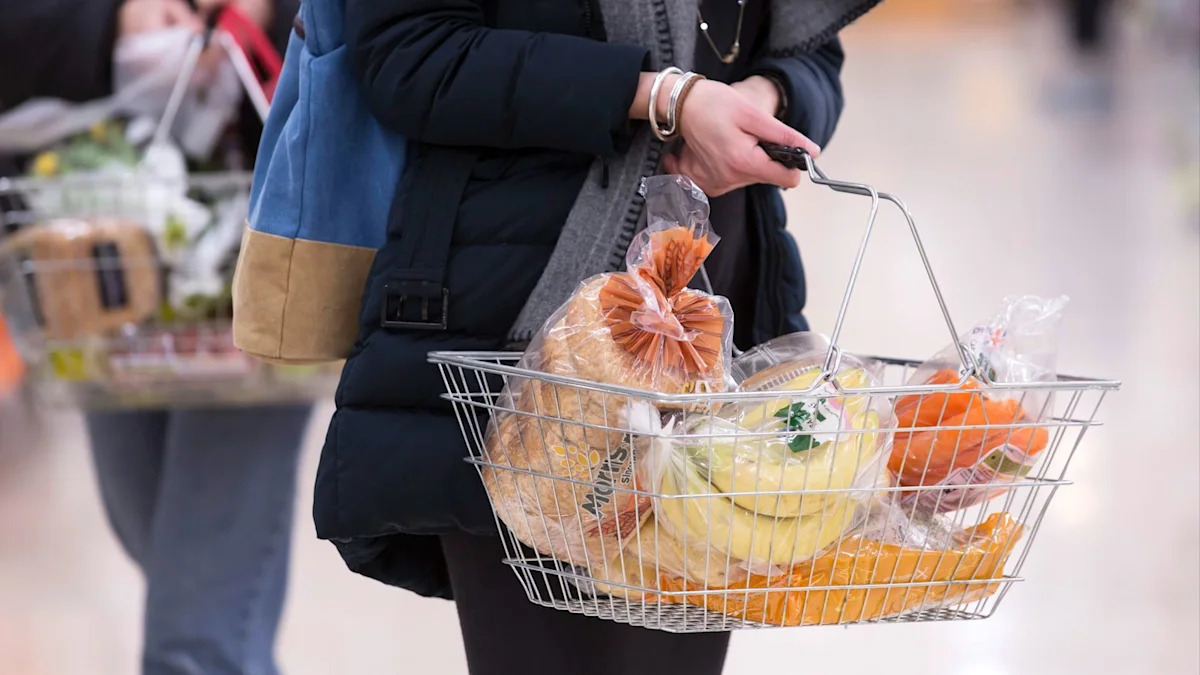
With some parts of the UK having not seen a drop of rain for more than 40 days now, there are growing concerns that food shortages and supermarket price hikes could be on the way
But just how worried should we be? ITV News explains
Could spuds be off the menu?
It may be stating the obvious, but many of our favourite vegetables need water to flourish – and plenty of it. However, that’s been in short supply
Advertisement
Although most potatoes aren’t harvested until the autumn, early indications are that yields are likely to be down, GB Potatoes Chief Executive Scott Walker told ITV News
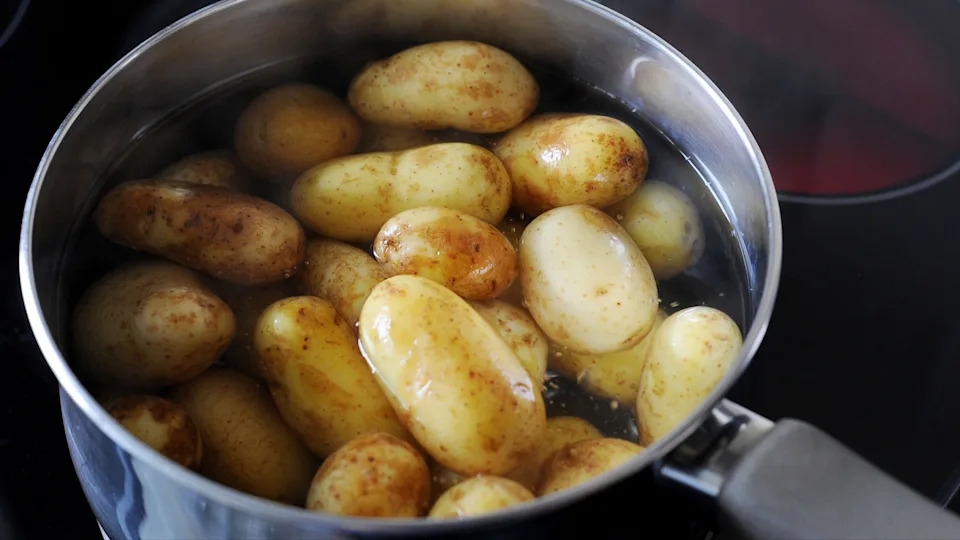
Mr Walker also speculated that those that do make it to supermarket shelves are likely to be smaller than normal, and potentially a bit more expensive
Shoppers will probably have to get used to seeing more “wonky spuds” on their dinner plates too, he added
Despite the challenges, confidence is high among those working in the industry that severe shortages will be avoided
“While there are major challenges ahead, the public can be assured that there will continue to be British potatoes available in the supermarkets and they will continue to offer incredible value, both in terms of cost and nutritional value,” the potato industry stakeholder group said in a joint statement
Advertisement
“Consumers can be assured that great tasting British potatoes will remain on supermarket shelves.”
Other household staples might be harder to find though
What other products are at risk?
Molly Monks, an insolvency expert at North West-based firm Parker Walsh, warned that certain products we all take for granted, like pasta, bread and cereal, could soon be in short supply
“For now, it looks like produce such as carrots and onions will be hit the hardest as a result of dry soil shrinking crop sizes,” she said
“Salad crops may also be impacted and are likely to be the first replaced by pricier imports, if necessary, due to the amount of irrigation required to grow them
“Even cupboard staples which are often viewed as relatively wallet-friendly could see a price rise as wheat and barley crops come under heat stress.”
Advertisement
And it’s not just crops feeling the heat
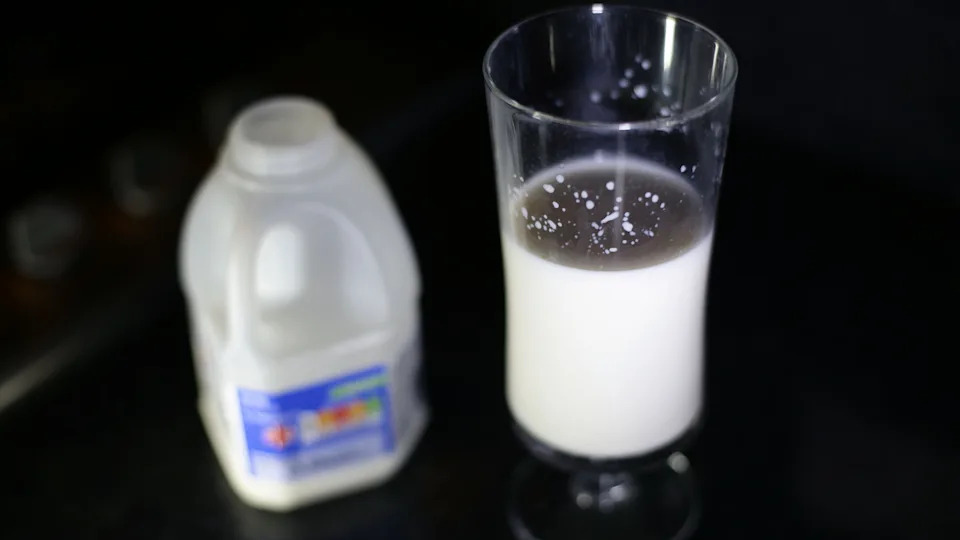
Milk production is down 20% across the UK, about 18.5 million litres, as cows struggle to keep cool and well-fed due to a lack of grass
“Just like humans, when cows are struggling to be comfortable, their productivity reduces,” Professor Nicola Cannon, from the Royal Agricultural University (RAU) in Cirencester, said
The Royal Association of British Dairy Farmers told ITV News that reduced milk production had “tightened supplies” but stopped short of saying that it would translate into higher supermarket prices

When could shoppers notice a difference?
Regardless of what the rest of the summer has in store, the damage may already have been done
Advertisement
The Bank of England admitted on Thursday that food inflation is set to rise again later this year, as supply issues linked to hot, dry weather have affected prices for shoppers
It comes hot on the heels of a warning from the Environment Agency last week that the hot weather is already affecting food production – leaving many farmers with no choice but to start their harvests early
And with yields almost certain to be lower than normal, supermarkets may have to
“Shoppers may not notice price hikes immediately, but if the hot and dry weather continues, they could notice it within a couple of months,” Monks said
Advertisement
“Larger supermarket chains will want full, healthy crops, and if they can’t find it on home soil, they may begin to import produce from abroad
“Certain crops and produce items will start to be imported if it becomes necessary, and the cost of that will likely be passed down to the customer.”
Supermarkets are hopeful it won’t come to that, though
“Extreme weather, including drought, can affect crop yields and place upward pressure on prices,” said Andrew Opie, Director of Food & Sustainability Policy at the British Retail Consortium
“Retailers are experienced in managing supply disruptions and will take all necessary steps, including sourcing from alternative suppliers where appropriate, to minimise any impact on customers.”
Could wine producers be toasting a successful summer?
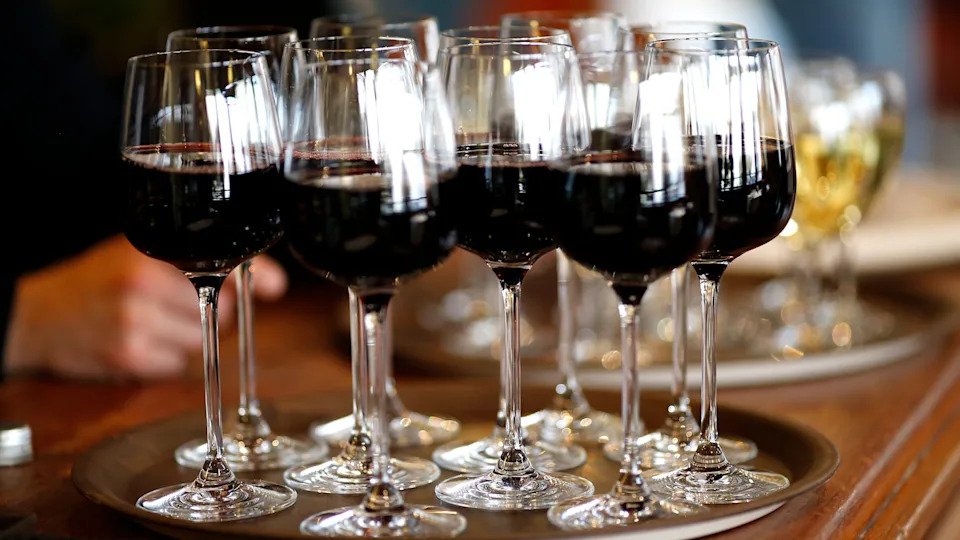
It’s not all bad news though, especially if you like a glass of red or white
Advertisement
Last year’s hot, dry summer saw wine production in England and Wales surge by 55% compared to the year before – making it the second-largest harvest on record in the UK
Wine GB, the official trade association and national body for the English and Welsh wine industry, told ITV News it was “optimistic” that this year would be just as good, if not better, but stressed it was too early to say for sure
And it’s not just wine production that is benefiting from the hot spell. In London, bananas are growing “in abundance” at the Rockingham Estate in Elephant and Castle
But anyone hoping to try one might be left disappointed
Advertisement
“You can eat the bananas, but they’re not tasty,” Winston Miller, the gardener at the Rockingham Estate, told ITV News London
“I’ve never eaten one myself – but apparently they’re quite sour!”
Want a quick and expert briefing on the biggest news stories? Listen to our latest podcasts to find out What You Need To Know…
