

St. Louis Fed says food, other costs rising but data center construction helping regional economy
St. Louis Public Radio |
By
Kavahn Mansouri
Published July 17, 2026 at 5:00 AM CDT
Brian Munoz
/
St. Louis Public Radio
Prices continue to rise, and consumers make more intentional purchases. However, data center construction is helping keep the region’s economy afloat, according to a report from the Federal Reserve Bank of St. Louis
The St. Louis Fed publishes reports through its Beige Book eight times a year, using anecdotal information gathered from key contacts within the Fed’s eighth district. The district includes the eastern half of Missouri, southern Illinois, all of Arkansas and parts of Indiana, Kentucky, Mississippi and Tennessee
The top line of the report focuses on prices rising at a “robust pace” since the book’s previous report last month
Costs go up for electricity, food, fuel
Charles Gascon, economist and assistant vice president at the Federal Reserve Bank of St. Louis, said the Fed has received numerous reports of price increases, especially from electricity providers
“An electricity provider noted that they’re having supply chain shortages, and that’s leading to some cost increases for energy infrastructure materials — metal prices being one, copper prices being another,” he said
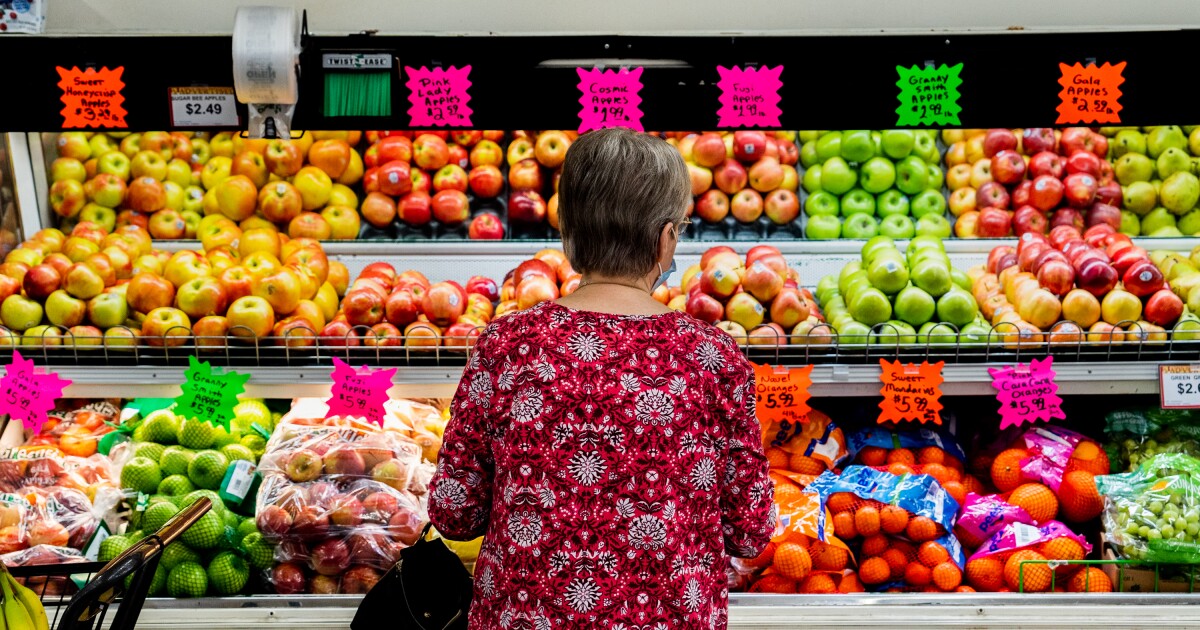
But at the same time, meat and poultry prices remain high along with other general food costs. Gason said grocery stores have reported raising prices, and some consumers say they’re trading down to store-brand products and avoiding luxuries
“People are sticking to their lists — less discretionary purchases,” Gascon said. “You’re picking up what you need, and not necessarily some of those extra items that you would have gotten otherwise.”
According to the report, a nonprofit organization in St. Louis told the Fed meal demand rose about 30% over the past two months. That’s due to declining consumer purchasing power and reduction in SNAP benefits, the report stated
Gascon said high fuel prices are playing a part in more targeted purchasing from consumers, who have less money to spend after paying at the pump
He noted that banks have taken note of lower-income households struggling in some cases
“They’re not seeing widespread distress like delinquencies,” he said. “But they are seeing lower cash balances, more overdrafts and things like that, which does suggest that in some cases there’s cash flow issues for lower-income households.”
Data centers boosted economy
Despite that, the region’s economy did grow slightly since last month’s report. Gascon said that’s largely due to data center developments throughout the region that are keeping purchasing of raw materials high
“Manufacturing and production side of the economy and data center construction, AI build-out — that’s really where there’s a lot of strength in economic activity,” Gascon said
Developers have pitched around a dozen data center projects in the St. Louis area alone in the past year. They include a 120-megawatt data center in Midtown St. Louis expected to be completed by the end 2028 and a hyperscale data center planned for the Festus area
The projects have met with pushback from the public, including the ousting of half of the Festus City Council over approving ClayCo CRG’s data center project
A 2025 report from the Federal Reserve warned while data centers may temporarily helped the economy, the boost may be a temporary boon.
Housing market and World Cup disappoint
Gascon said there has been some “weakness” in residential housing construction lately
The report saw some upsides in real estate sales, though. One St. Louis’ agency described the housing market as “very active” with buyers making cash offers and waiving inspections
Gascon said the region’s current situation differs somewhat from this time last year, when the country was adjusting to new life under tariffs. He said fuel costs are an everyday cost that tend to impact consumers’ wallets more heavily
One thing St. Louis and the rest of the Fed’s eighth region missed out on was an economic boost from the World Cup. Across the state, Kansas City hosted several games over the past month
The Kansas City Federal Reserve noted a high increase in demand for part-time and temporary workers to support travel activity due to the tournament
“Unfortunately, the one thing that stood out in this report for our region that was unique is we did not have the World Cup bump that some of our other colleagues across the Fed system reported,” Gascon said
Read the latest Beige Book report here
