

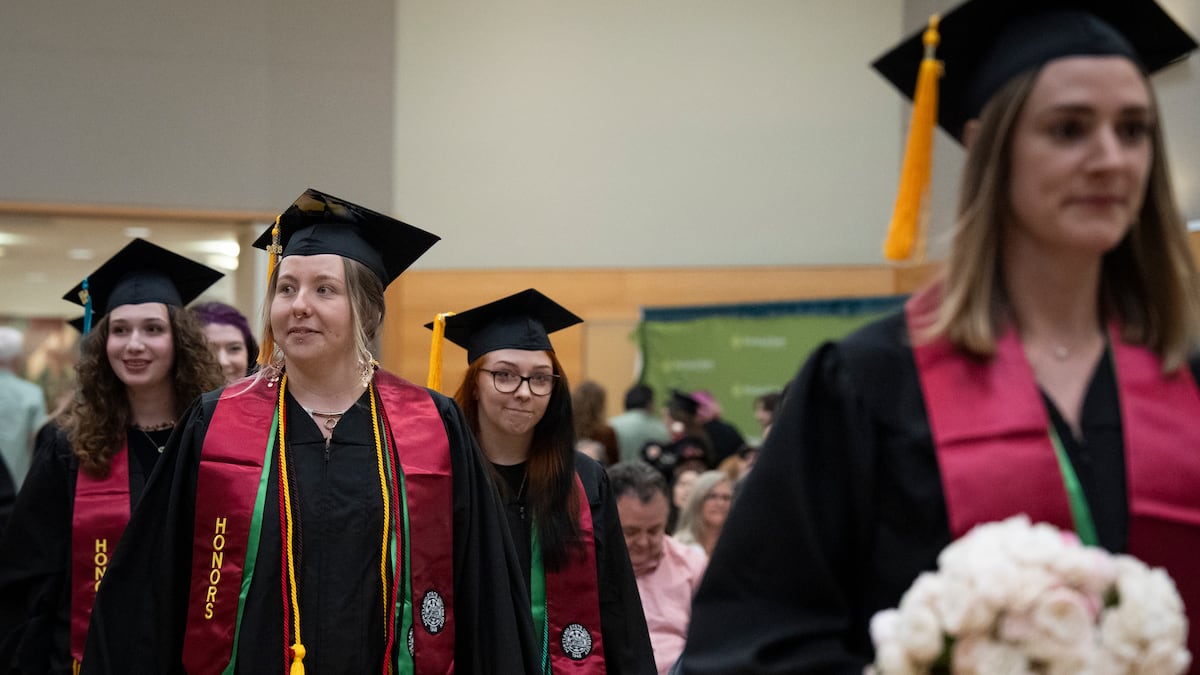
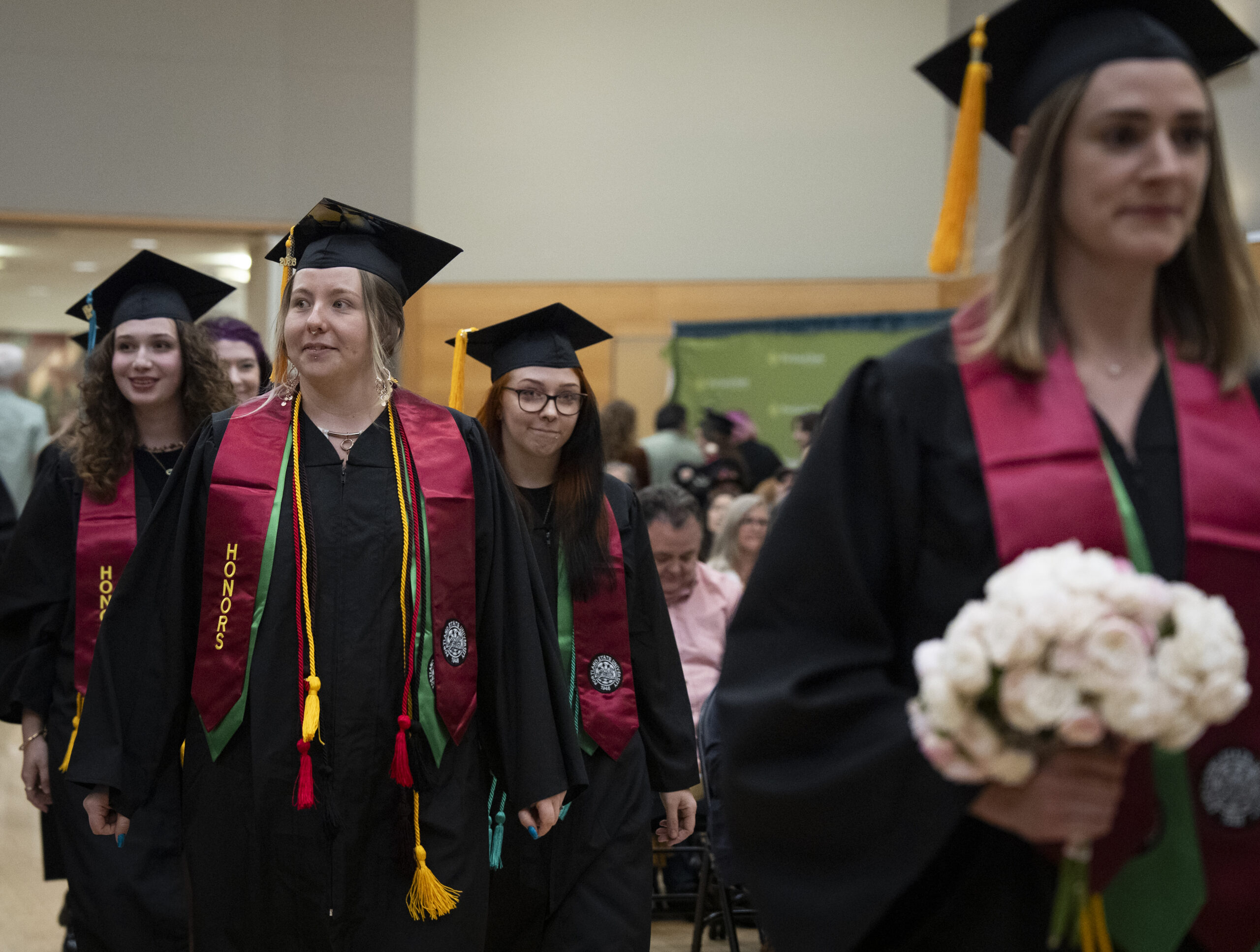
There’s an untapped population of potential college students in Oregon – larger than the city of Portland – that could become a key player in efforts to lift up the state’s workforce as well as its struggling higher education institutions
Over 825,000 Oregonians attended a college or university at some point in their lives but never graduated with a degree. Reconnecting with just a fraction of them could dramatically strengthen Oregon’s economy
That’s all according to new research from the higher education nonprofit ReUp Education. The report, released this summer, takes a comprehensive look at how states across the nation interact and engage with disconnected adult learners
Among the nonprofit’s top findings: Most states and institutions do a lot more to attract this population back to school and to help them graduate. The potential in Oregon is especially acute
“In most states, the number of people with some college and no credential is about ten times the size of the annual statewide high school graduating class,” said ReUp’s Chief Strategy Officer Scott Lomas. “In Oregon, it’s 20 times.”
Figures from Oregon’s Higher Education Coordinating Commission show that close to half – 45% – of Oregon’s college students are 25 or older. Portland State University had the highest share of adult learners, 48%, out of all the state’s public universities in the 2024-25 school year
The report measured each state’s existing efforts to help adult students with some credit complete college degrees, focusing on best practices in three areas: student support, institutional collaboration and outreach and engagement
Oregon ranked high on data collection, overall student support and institutional partnerships. But the state is behind on other initiatives specific to adult learners, such as scholarships, debt reviews, data analytics and marketing
Lomas noted that Oregon’s institutions have an immense opportunity if they can attract more students to their online degree programs. The report found that more than 18,000 students enroll in online courses outside the state, representing an estimated $183 million loss in net tuition for Oregon colleges annually
“If we could keep a small portion, let alone a significant portion, of those students in the state, that would have a material impact on enrollment in Oregon,” Lomas said
Engaging these former students will be critical for both universities’ bottom lines and the state’s workforce pipeline, as demographic forces take hold
Higher education institutions nationwide are projected to endure years of falling enrollment from traditional college students, 18-24-year-olds, due to lower birth rates following the Great Recession. At the same time, Oregon’s population is getting older, with workers retiring. And the state is projected to have hundreds of thousands of available jobs by 2030 that will require an education beyond a high school degree
Older students who have some college credit could re-enroll, earn degrees and help fill these gaps, researchers suggest
“We want to encourage and grow this population,” Lomas said. “It’s good for the workforce pipeline. It’s good for the individual. It’s good for the institutions. It’s good for the state.”
Oregon higher education leaders don’t disagree. In fact, getting people with some college credit to go back to school has been one of the state’s key educational goals for years
In 2018, the state adopted its adult attainment goal, which seeks to graduate at least 300,000 adult students with a postsecondary degree, certificate or other credential by 2030. Its main objectives are to strengthen Oregon’s economy, fill workforce demands and increase economic mobility of older Oregonians
“Many adults need to retrain, change careers, or upskill throughout their working lives,” said Donna Lewelling, who leads HECC’s Office of Community Colleges and Workforce Development
To reach its goal, about 30,000 adult learners would need to complete degrees every year
“By reengaging adults, and ensuring higher education is affordable and accessible for adults, we can ensure that Oregonians have the postsecondary education and career preparation needed for our communities and our economy to thrive,” she said
But progress has been sluggish so far, slowed down by the early years of the COVID-19 pandemic and a decade-long decline in enrollment of older students pre-pandemic. The most recent progress report on the education goal found that in its first four years, the state is short by about 27,000 credentials
Based on current trends, Lewelling said, the state will likely have to continue working on the goal past its target date
