

Logo text
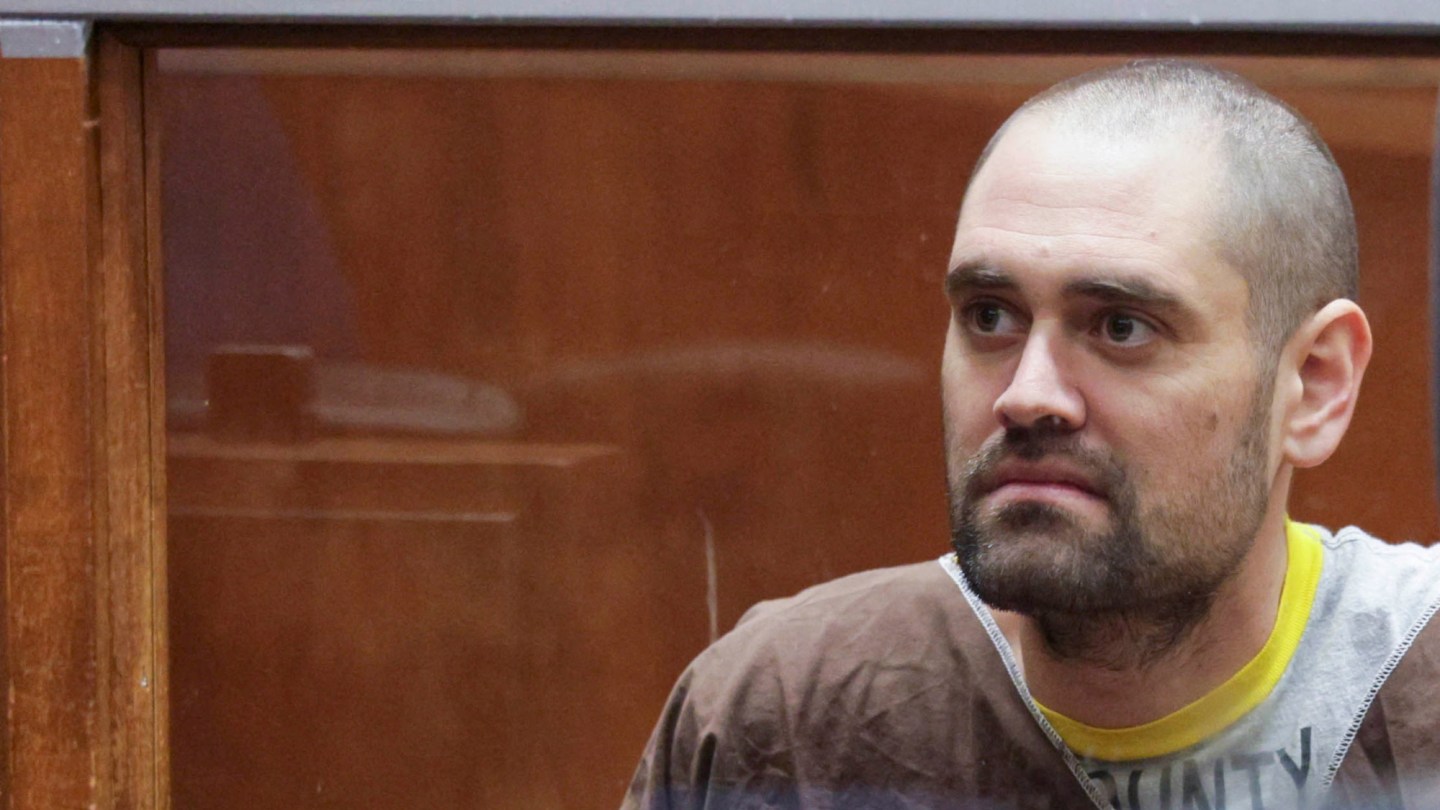
Nick Reiner’s lawyers sought to extract money from his dwindling trust in L.A. Superior Court on Monday to pay a star defense attorney’s fee. He’s accused of killing his parents Rob and Michele Reiner at their Brentwood home in December 2025. A judge pushed the decision to October
Anita Wu, counsel to Reiner, expressed frustration that an estimated $200,000 had already been drained from his $1.5 million trust in the fight over the disbursement. That $200,000 was spent by a trustee of Reiner’s account, with the money used to hire counsel to block Nick from accessing the fund
“The trust is being consumed and depleted by attorneys’ fees,” she told Judge Ruben Garcia
Reiner, 32, told the court in a June filing that his trust, which his parents established shortly after he was born, had stipulated “unambiguous” mandatory distributions: half its value when he turned 30 and the remainder at age 35. He’s yet to receive the funds, aside from token allotments for prison commissary purchases. Reiner was not in attendance at Monday’s hearing
In response, a lawyer for the professional fiduciary responsible for administering Reiner’s trust cited a California law called the “slayer statute,” which prohibits people from inheriting money from those they kill. Reiner’s team argues that their client has yet to be proven guilty of his charge and therefore should still receive access to the funds
Reiner hopes to rehire criminal defense lawyer Alan Jackson, who represented Harvey Weinstein in his 2022 Los Angeles rape trial and Karen Read in her 2025 murder trial. (Earlier in his career, while at the Los Angeles District Attorney’s Office, he successfully prosecuted Phil Spector for the murder of Lana Clarkson.)
Jackson initially represented Reiner but withdrew from the case. He didn’t provide an explanation for his departure at the time, although speculation centered on payment of services. Jackson stood behind Wu during the hearing but didn’t speak. Outside the courtroom afterward, he said, “The main thing to take away from today’s hearing is that Nick Reiner is very much entitled to his own money, his own funds, and that’s what this process is about.”
Experts in estate planning have watched with interest as the Reiner trust sideshow has played out in civil court this summer while prosecutors continue to aggressively pursue their criminal case, which includes two counts of first-degree murder and a special circumstance allegation of premeditation. This may be the highest profile local example of fiduciary law since the Menendez brothers’ trials three decades ago, when their family estate spent nearly $2 million to unsuccessfully defend them in the patricide of their parents.
“It’s a very odd, unfortunate set of facts,” observes Rutgers law professor Reid Kress Weisbord of the Reiner trust dispute. “It’s not even a killing necessarily motivated by economics.” He adds, “The easiest thing for the trustee to do is to comply with the mandatory distribution. It’s much more difficult to do what the trustee has done.”
Robert N. Sacks, a longtime L.A. trust law practitioner, notes that “this is a no-win situation for a trustee. I understand why they are forcing the court to determine what to do. For them to just go ahead and pay for his defense if he did, in fact, kill his parents — they could be sued for fiduciary duty,” in this situation possibly by Reiner’s siblings. Sacks adds, with a sigh, “This is why professional fiduciaries charge a decent fee.” Another veteran of high-net-worth L.A. estate planning, Allan Cutrow of MSK LLP, also sympathizes: “A lot is being asked of this trustee. Nobody wants to be in this boat.”
Naomi Cahn, a trust scholar and co-director of the Family Law Center at the University of Virginia, points out that Reiner’s parents opted when their son was born to provide him with a carte blanche trust — then they never updated it as they struggled to assist him throughout an adult life shaped by addiction and severe mental health issues. “As estate planners, you need to ask your clients difficult ‘what if’ questions about the future,” she says. “Even if it’s hard to think about very young children and grandchildren that way.”
