

Missouri lands critical minerals funding – Metal Tech News
Missouri lands critical minerals funding
Metal Tech News – July 14, 2026
Share
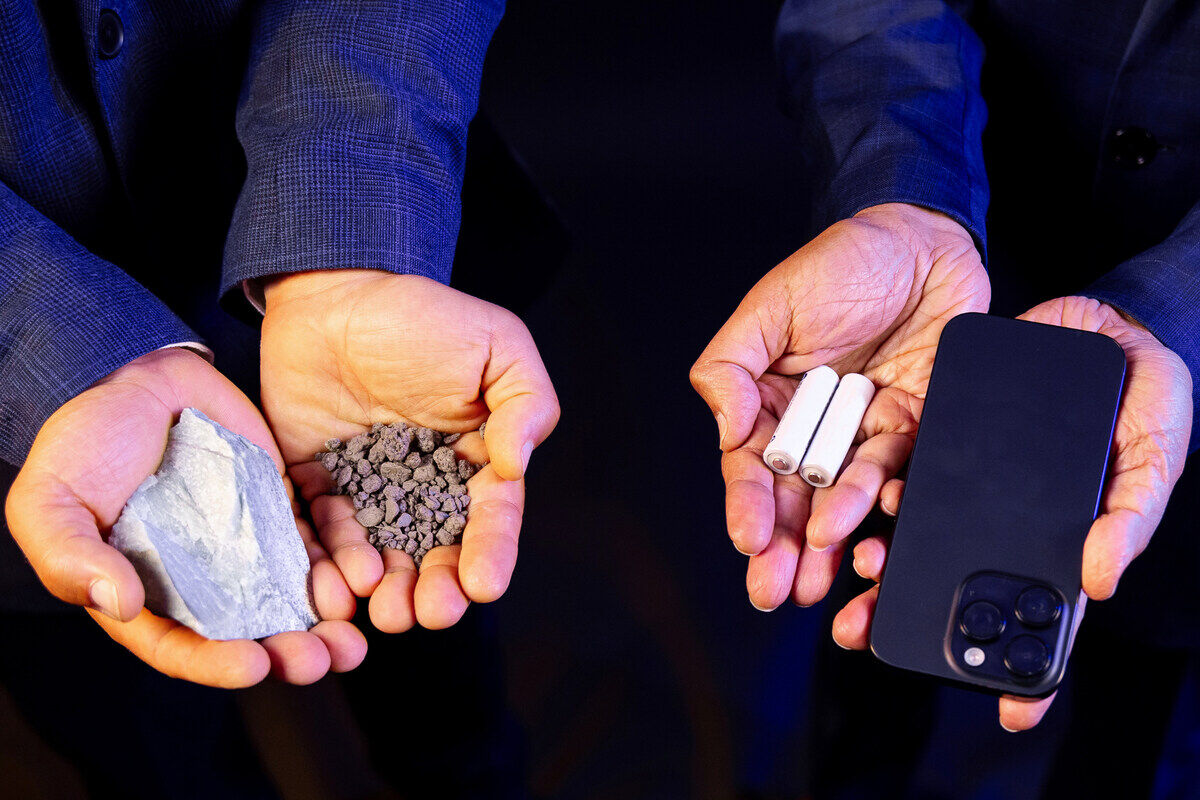
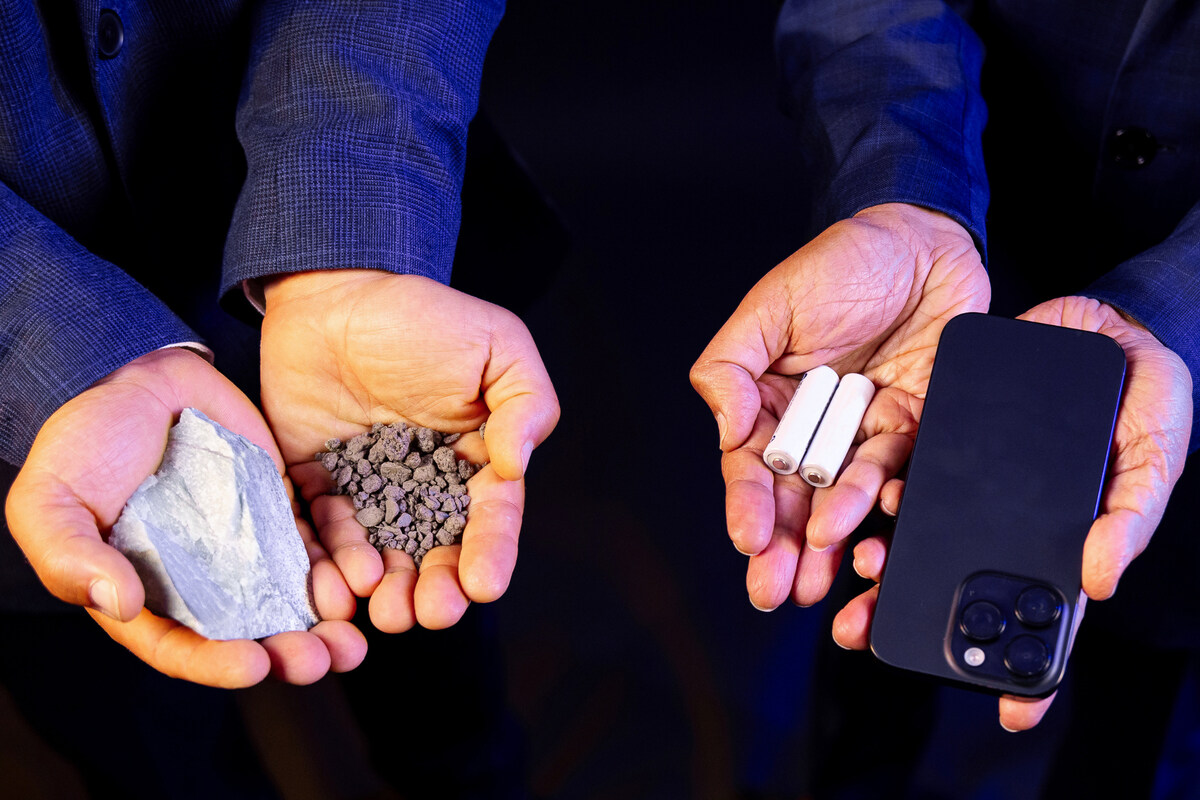
Brandon Parigo | UMKC
The University of Missouri-Kansas City has received a National Science Foundation grant for its Critical Materials Crossroads initiative

Brandon Parigo | UMKC
Anthony Caruso, UMKC vice chancellor for strategic initiatives and founder of Critical Materials Crossroads
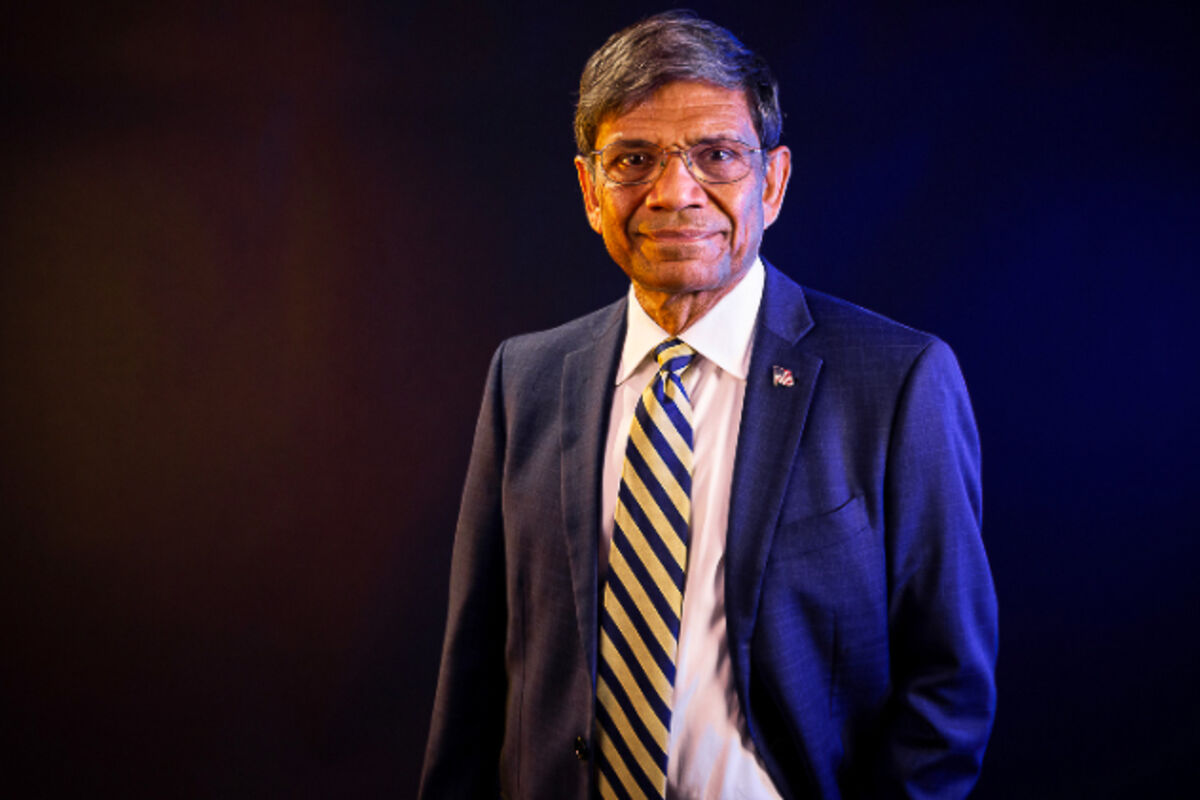
Brandon Parigo | UMKC
UMKC Chancellor Mauli Agrawal
UMKC-led Critical Materials Crossroads could receive up to $160M to rebuild U.S. processing, manufacturing, and workforce capacity
A university-led coalition in America’s heartland has secured federal backing to transform the Kansas City region into a national hub for processing critical minerals into the advanced materials needed for batteries, semiconductors, aircraft engines and other technologies
On July 14, the U.S. National Science Foundation selected the University of Missouri-Kansas City-led Critical Materials Crossroads as one of 12 new Regional Innovation Engines being established across the country
The Kansas City initiative will initially receive $15 million over two years and could qualify for as much as $160 million over the coming decade if it meets a series of technical, commercial, and economic development milestones
This could potentially be the largest grant ever awarded to higher education in Missouri and one of the most significant investments in rebuilding a domestic critical materials ecosystem
“This investment allows us to rebuild that capability here in America – creating jobs, strengthening our national resilience and ensuring the technologies that power our future can be produced domestically,” said Anthony Caruso, UMKC vice chancellor for strategic initiatives and founder of Critical Materials Crossroads
Caruso will serve as principal investigator for a partnership that includes more than 260 universities, manufacturers, government agencies, entrepreneurs, and workforce organizations across Missouri and Kansas
The coalition includes the University of Missouri, Missouri University of Science and Technology, University of Kansas and Kansas State University, along with battery manufacturers, engineering firms, logistics providers and economic development organizations
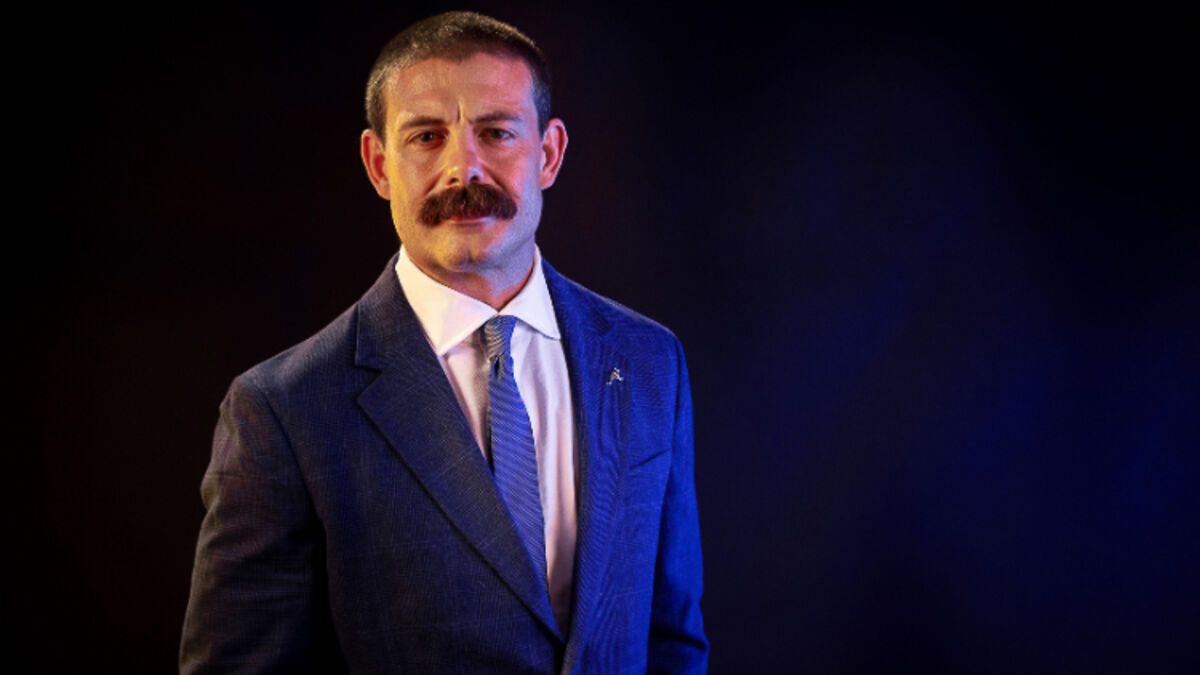
Brandon Parigo | UMKC
Anthony Caruso, UMKC vice chancellor for strategic initiatives and founder of Critical Materials Crossroads
Rebuilding American capacity
Critical Materials Crossroads is focused primarily on strengthening the middle sections of the U.S. mineral supply chain – the processing, refining, recycling and manufacturing steps that convert mined concentrates and discarded products into materials ready for industrial use
The engine plans to work with concentrated ores and spent materials recovered both domestically and overseas. Those feedstocks would be refined into metals, powders and advanced materials used in lithium-ion batteries, semiconductors, medical devices, aircraft components, and other manufactured products
This focus addresses one of the widest gaps in America’s critical minerals strategy
The U.S. hosts significant mineral ret consumers of advanced materials. Much of the processing capacity between those two ends of the supply chain, however, has migrated overseas in recent decades
“For decades, the United States has steadily lost much of the workforce, infrastructure and manufacturing capacity required for critical materials production,” Caruso said
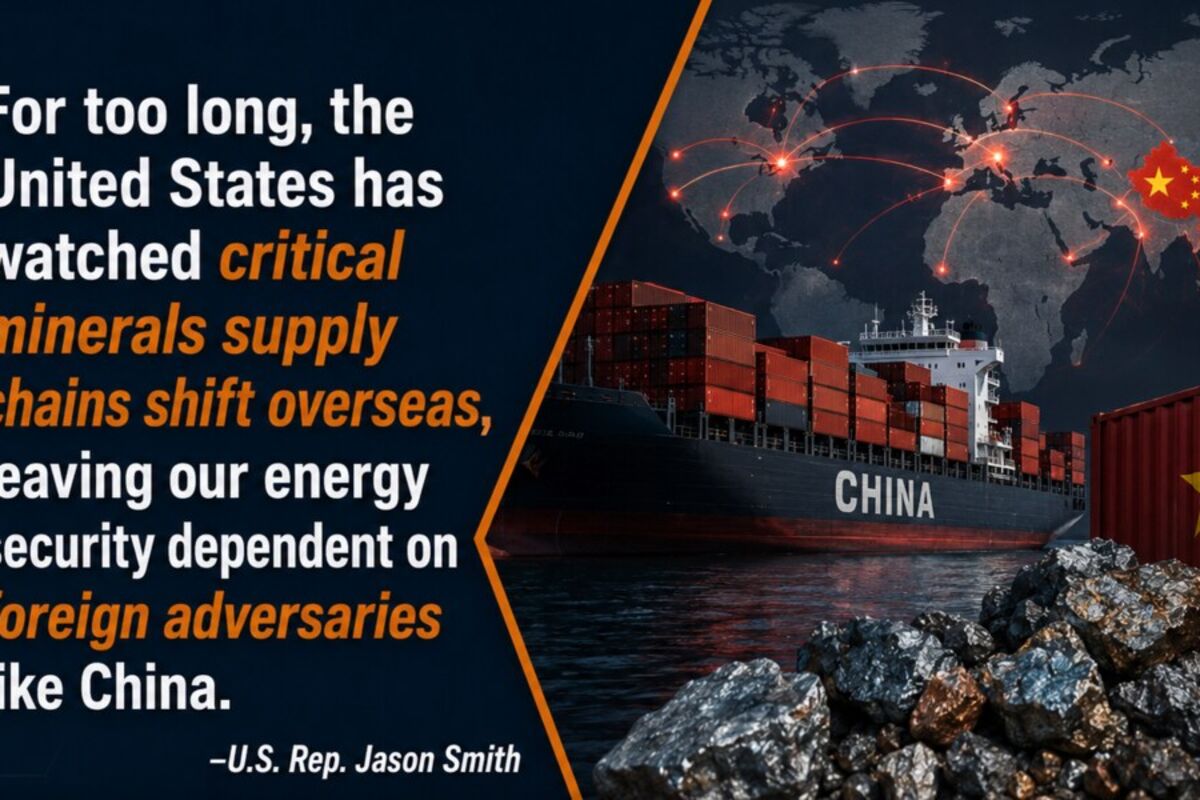
Much of this capacity was absorbed by China, which now controls substantial portions of the global mining, refining, and manufacturing chains for many critical minerals, leaving U.S. manufacturers exposed to export restrictions, trade disputes, and other disruptions
Rebuilding those capabilities has become an economic and national security priority
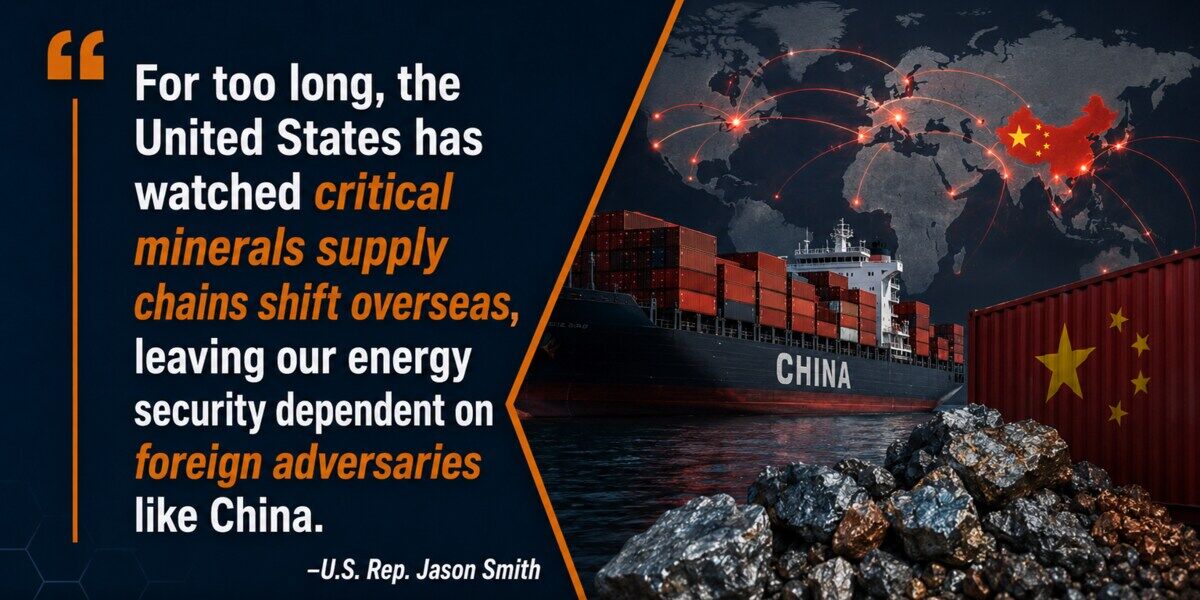
“For too long, the United States has watched critical minerals supply chains shift overseas, leaving our energy security dependent on foreign adversaries like China,” said Rep. Jason Smith, R-Mo. “This grant is a serious step toward reversing that, building a real domestic supply chain for the materials that power everything from batteries to jet engines, right here in Missouri.”
Midwest manufacturing hub
UMKC says the Kansas City region offers several advantages for establishing a critical materials cluster, including its central location, extensive rail and river transportation systems, manufacturing workforce, and growing advanced materials research base
The region is also close to a broad range of mineral, chemical, automotive, aerospace, and battery-related operations spread across the central U.S
EaglePicher Technologies, a Missouri-based manufacturer of batteries for defense and aerospace applications, is among the industrial partners supporting the engine
Mario Destephen, EaglePicher director of research and development, said the company expects to help develop and commercialize domestically produced battery materials
The coalition also includes Burns & McDonnell, Wagner Logistics, the Greater Kansas City Chamber of Commerce, the Kansas City Area Development Council, and workforce organizations that will help recruit and train technicians, engineers, and manufacturing employees
UMKC estimates the initiative could support roughly 10,000 jobs by 2036 and generate as much as $40 billion in economic activity over the coming decade
Research designed for deployment
Created through NSF’s Directorate for Technology, Innovation and Partnerships, the Regional Innovation Engines program is intended to move research beyond university laboratories and into commercial production
The engines bring together academia, industry, government, and workforce organizations to develop regionally concentrated technology clusters capable of competing internationally
NSF says the latest 12 engines cover areas ranging from critical minerals and advanced manufacturing to quantum technologies, grid modernization and biotechnology. Each will receive $15 million during its first two years, with additional funding released only after the recipients demonstrate progress against established milestones
“NSF Engines investments in critical technologies and future industries will transform America’s innovation infrastructure for decades to come,” said Brian Stone, performing the duties of NSF director
Stone said the Kansas City engine could become a major Midwest re used in transportation, energy, communications, and national defense
The first group of NSF Engines, announced in 2024, received a combined initial federal investment of $135 million. NSF reports that those engines have since attracted more than $2 billion in matching commitments from private companies, philanthropies, and state and local governments
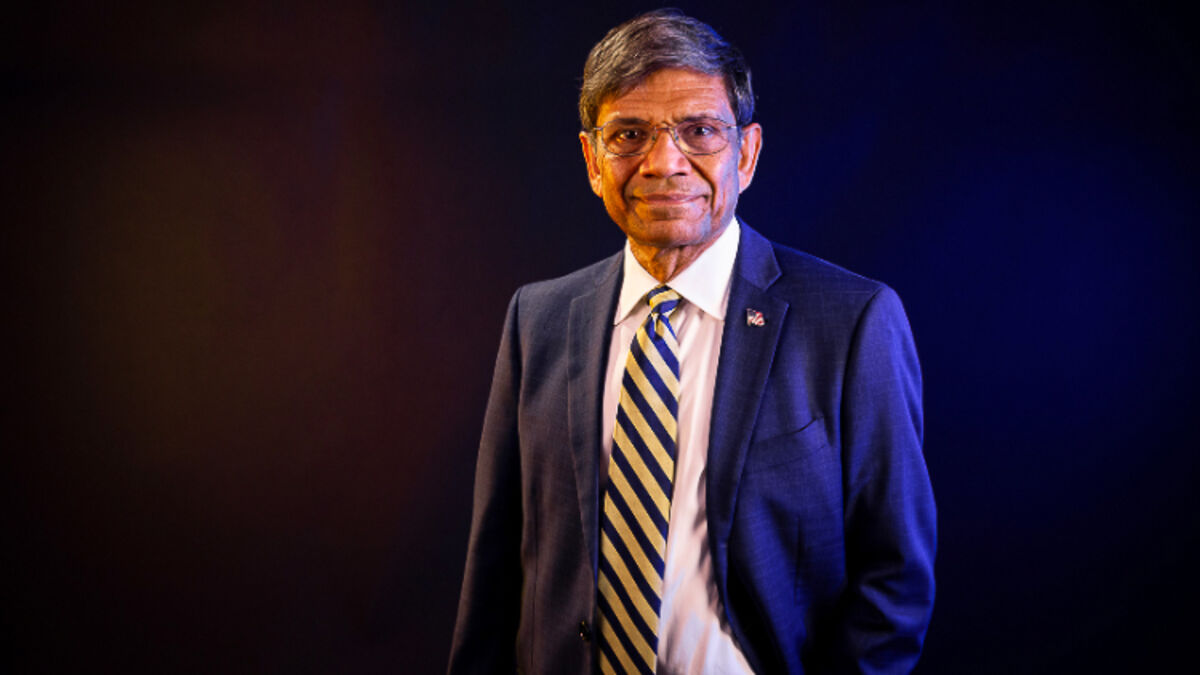
Brandon Parigo | UMKC
UMKC Chancellor Mauli Agrawal
Building a critical minerals network
UMKC’s Critical Materials Crossroads will not operate in isolation
The University of Alaska Fairbanks-led Critical Mineral Accelerator, which is focused on improving the extraction and development of mineral re
Together, the Alaska and Kansas City engines illustrate the increasingly regional approach to rebuilding U.S. critical mineral supply chains: mineral-rich states advancing exploration and extraction while established manufacturing centers develop processing, recycling and commercial production capacity
With no single region possessing every critical mineral, processor, manufacturer, or workforce reits engines are intended to operate as an interconnected national network that links regional strengths, closes capability gaps, and accelerates the movement of new technologies into commercial use
For Kansas City, that means turning its centralized transportation infrastructure, research universities, and manufacturing base into a crossroads where raw and recycled mineral feedstocks can be converted into the materials that underpin America’s high-tech economy
“Critical Materials Crossroads represents a once-in-a-generation opportunity to strengthen America’s economic and national security while positioning the Kansas City region as a global leader in critical materials research and innovation,” said UMKC Chancellor Mauli Agrawal. “This initiative reflects what is possible when a region unites around a bold vision with national impact.”
Shane Lasley, Metal Tech News
With more than 18 years of covering mining, Shane is renowned for his insights and in-depth analysis of mining, mineral exploration, and technology metals
- Email: [email protected]
- Phone: 907-726-1095
- https://www.linkedin.com/in/shane-lasley-ab073b12/
You might be interested in:
Most Popular
Trail anchors Canada’s critical minerals push
Shane Lasley | Jul 8, 2026
Former Pentagon exec to lead Project Vault
Shane Lasley | Jul 10, 2026
War Department commits $25M to ReElement
A.J. Roan | Jul 13, 2026
Unlocking near-term critical mineral potential
Thomas Tobin | Jul 9, 2026
Rendered 07/15/2026 02:22
