

• Fifth day of US attacks:The US military launched more waves of attacks on Iran on Wednesday aimed at degrading its ability to target vessels in the Strait of Hormuz. President Donald Trump is also weighing options to expand the US military operation
• Iran hits back: Jordan said its air defenses downed eight Iranian missiles as Tehran claimed to target US military assets in the country, as well as in Bahrain and Kuwait. An Iranian foreign ministry spokesperson also said Tehran has no plans for negotiations with Washington
• Blockade underway:The US military struck an empty oil tankerbound for Kharg Island, an economic lifeline for Tehran, marking the first vessel disabled since the naval blockade of Iranian ports went back into effect. As traffic in the waterway decreases, the oil market is facing the same squeeze that has taken millions of barrels offline per day since March
8 Posts
Nikki Nikbakht is one of many Iranian’s abroad fearing for the safety of their loved ones as the Islamic Republic intensifies repression and increases the speed of executions since the war with the US
Her brothers, Hadi and Fazlollah, are just two of many political prisoners whom the Islamic Republic of Iran gave the death sentence. They are accused of encouraging dissent against the regime and were convicted of broad charges of corruption, CNN’s Isobel Yeung reports
At least 47 political prisoners have been killed since the conflict broke out, according to the Norway-based Iran Human Rights NGO. The group believes the Iranian regime has ramped up executions under the cover of war
CNN’s Isobel Yeung has more here:

Iranian woman’s brothers face execution
4:05• Source:
CNN
Iranian woman’s brothers face execution
4:05
US military says it disabled an oil tanker headed to Iran
Nearly two days since its naval blockade of Iranian ports went back into effect, the US has ramped up enforcement in the Strait of Hormuz. Here’s the latest news on the embattled waterway:
- Disabled tanker:The US said Wednesday it had disabled an empty oil tanker sailing toward Iran’s Kharg Island by firing hellfire missiles into the ship’s smokestack. The Curacao-flagged ship had “ignored multiple warnings,” US Central Command (CENTCOM) said on X.
- Redirected ships:The US military also said it had redirected two “compliant” commercial vessels in the first 24 hours of the blockade. During the first US blockade from mid-April to mid-June, CENTCOM claimed to have redirected 142 ships and disabled nine.
- US strikes Tunb:The US military conducted a 90-minute wave of strikes on Greater Tunb Island Wednesday morning, targeting coastal defense systems and cruise missile storage and launch sites with precision munitions, according to CENTCOM. Great Tunb is one of the small islands near the western entrance to the strait which helps formIran’s “arch defense.”The US said the strikes were intended to degrade Iran’s ability to attack ships in the strait.
- Subdued traffic:At least 13 commercial ships passed through the strait in the first 24 hours of the blockade, according to MarineTraffic data. The numbers are consistent with the depressed transit levels recorded over recent days since negotiations fell apart.
CNN’s Aleena Fayaz, Kit Maher and Avery Schmitz
Iran says it targeted US military assets in Jordan
Jordan’s military said its air defenses intercepted and downed eight Iranian missiles early Thursday local time that were headed toward the country, state media reported
Debris from the interceptions fell in several locations but no injuries or damage were reported, the Jordanian Armed Forces said, according to the state news agency Petra
The Iranian Army claimed to have targeted US military assets in Jordan, including launching drone strikes on communications systems and fuel storage at the Al-Azraq air base, Iran’s Islamic Republic News Agency and Press TV reported
US Central Command has not commented on the Iranian reports, and CNN cannot independently verify the claims
Other regional attacks:Overnight, Bahrain’s interior ministry said sirens were sounding and warned residents to take shelter
Iran says it targeted US military targets in Bahrain and Kuwait with drones
And Kuwait’s air defenses were “confronting attacks by hostile drones,” according to the General Staff of the Army. Iran claimed to have targeted US infrastructure at military bases in Kuwait, according to the semi-official Tasnim news agency
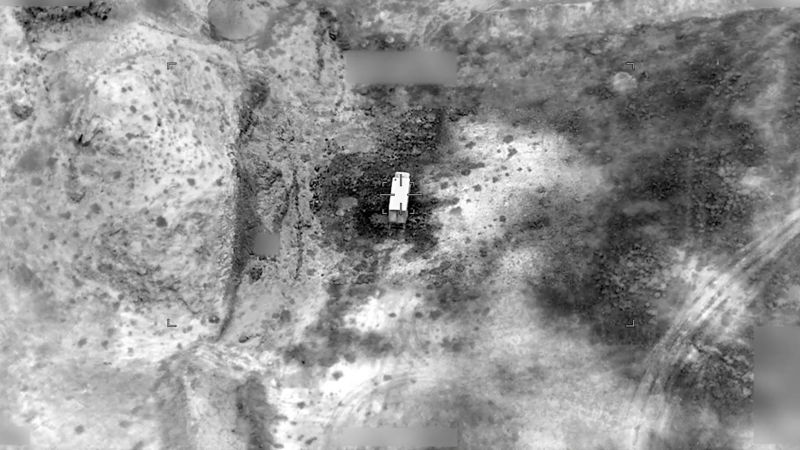
Video released by CENTCOM shows the latest wave of strikes against Iran
The US military carried out a fifth day of attacks on Iran that it said were aimed at degrading its ability to target vessels in the Strait of Hormuz
President Donald Trump is also weighing options to expand the US military operation
If you’re just dropping in, here are the latest headlines:
- Fresh strikes:Explosions were heard in several areasacross Iran, including Bandar Abbas and the southern cities of Ahvaz and Chabahar, late Wednesday, state media reported. Air defenses were also activatedin parts of Tehran early Thursday local time, according to state media, and a resident told CNN they were awoken by a loud explosion. Iranian media reported locations in the center and north of the country have also been struck in recent hours. More than 260 people have been wounded in recent US strikes, the country’s Health Ministry said.
- Strait of Hormuz:A second wave of US strikes late Wednesday targeted Iranian command centers, air defense sites, missile and drone capabilities, and coastal surveillance facilities, the military said. In an earlier wave, US forces attacked Greater Tunb, a strategic island in the Persian Gulf that forms part of Iran’s “arch defense.”
- Trump mulling expanded operation:Officials have told CNN those strikes could lay the groundwork for a larger military operation. According to two officials, the US president is now weighing an operation to take Kharg Island, the critical Iranian export hub, and to bomb underground complexes at Pickaxe Mountain, believed to be connected to Iran’s nuclear program.
- Diplomacy deadlock:Iran will continue to respond “firmly” to US strikes and has no plans for negotiations, Iran’s foreign ministry spokesperson said. At the same time, Iran’s chief negotiator said Tehran must continue to defend itself while also remaining open to diplomatic talks. US Vice President JD Vance, meanwhile, offered a defense of attempting diplomacy with Iran, saying the war will not be won through military force alone.
- Blockade continues:The US military said it disabled an empty oil tankersailing toward Kharg Island. It marks the first vessel disabled since the US naval blockade went back into effect. The US military also said it has redirected two commercial vessels since its naval blockade began. And shipping through the waterway remains subdued, with 13 commercial ships passing through over the last 24 hours.
- American freed:Trump said that Iran has released an American woman who he said had been wrongfully detained in the country since December 2024. The woman was identified by her attorney as Dena Karari.
CNN’s Zachary Cohen, Kit Maher, Lex Harvey, Kevin Liptak, Avery Schmitz, Elsie Hammond, Aleena Fayaz, Yasha Saebi, Mitchell McCluskey, and Alejandra Jaramillo contributed reporting
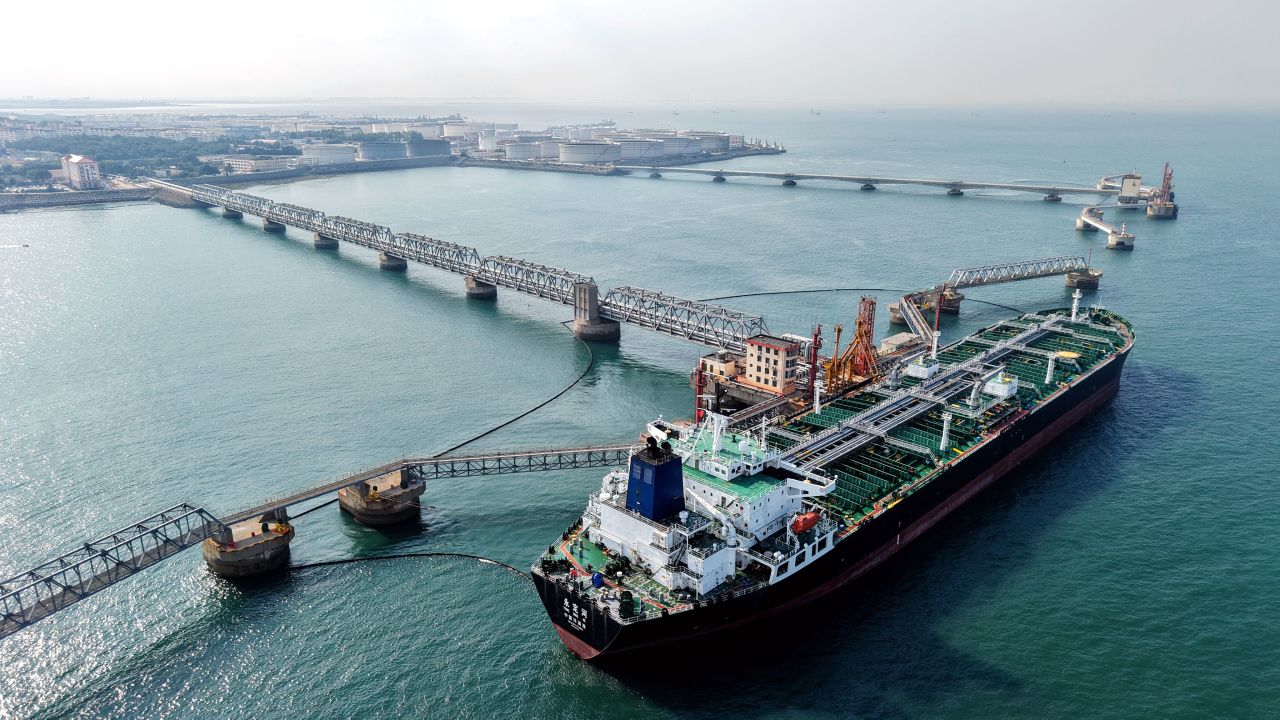
An oil tanker unloads imported crude oil at the oil terminal of Qingdao Port in Shandong Province, China, on July 6, 2026.
As traffic has once again slowed to a trickle in the Strait of Hormuz, the oil market is facing the same squeeze that has taken millions of barrels offline per day since March
But the world is now missing a major buffer that helped ease the potential oil price shock the first time around: strategic crude stockpiles
According to a Wednesday blog post from the International Monetary Fund, a deficit of about 4 million barrels a day between March and May was supplanted by a drawdown in crude inventories
During the war in Iran, the International Energy Agency implemented the largest historic release of 400 million barrels of oil from their emergency reserves
China was also able to help mitigate a global shortage by cutting refinery output and leaning on domestic inventories rather than buying from the market
However, the IMF said much of that supply shock absorber has been used up
In a research note this week, Goldman Sachs also said that China may be looking to purchase more crude now as well, as it looks to replenish its own stockpiles and prices have fallen from their May highs

An undated photo of Dena Karari provided by her lawyer.
President Donald Trump said Wednesday that Iran has released an American woman who he said had been wrongfully detained in the country since December 2024 – as the US military continues to strike Iran
Trump did not identify the person or provide additional details about the circumstances of her release. CNN has reached out to the White House and the Office of the Special Presidential Envoy for Hostage Affairs
The woman has since been identified by her attorney as Dena Karari
- Karari was detained, charged and released on bail with an exit ban that blocked her from leaving Iran, a source familiar told CNN.
- Karari’s lawyer, Jared Genser, told CNN that Karari had been subjected to “a coercive exit ban” and had been targeted because she operated “a non-profit called the Children of Mehr Foundation, which helped impoverished children in Iran with private donor support and authorization of an OFAC license.”
- While Karari was never physically detained, Genser said, she was interrogated by Iranian authorities dozens of times and suffered physical and psychological hardships.
- Her lawyer also wrote in a social media post that he was “delighted and excited to report that my client U.S. citizen #DenaKarari, who had been trapped in #Iran since December 2024 on bogus charges is now free.” The lawyer thanked Trump and said his client was “now safe and traveling back to the United States.”
- As of last month, the US government was tracking at least six Americans detained in Iran, a US official said, including two who had been designated as wrongfully detained.
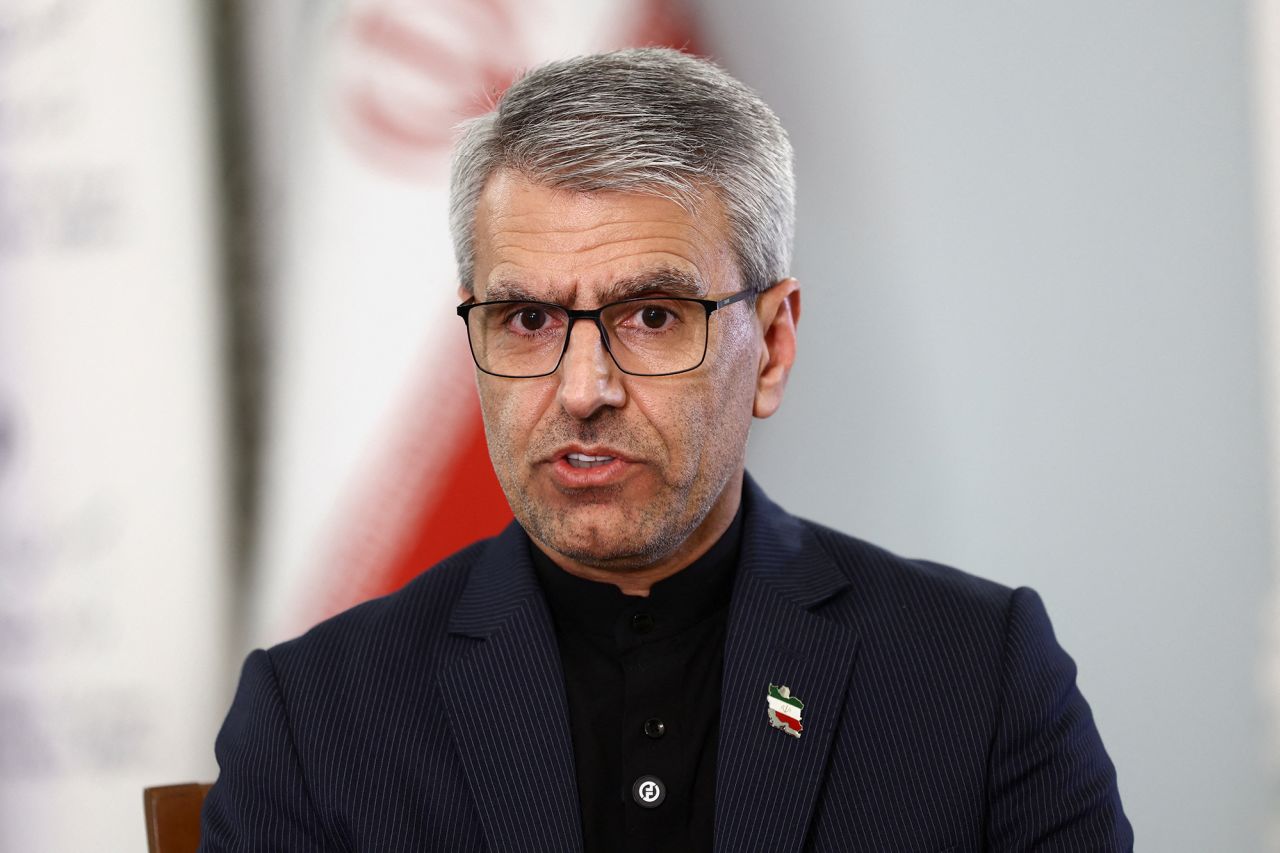
Iran’s Foreign Ministry spokesman Esmaeil Baghaei speaks during an interview, amid the U.S.-Israeli conflict with Iran, in Tehran, Iran, April 5, 2026.
Iran will continue to respond “firmly” to US strikes and has no plans for negotiations, Foreign Ministry spokesperson Esmaeil Baghaei told Iranian media on Wednesday
“We currently have no plans for negotiations and remain focused on defending the country,” Baghaei told reporters outside a Tehran memorial service for the late Ayatollah Ali Khamenei’s son-in-law, according to video from Iran’s Student News Network (SNN)
Baghaei said Iran will not adhere to any agreement if the US “breaches its obligations.”
Soon after SNN reported the spokesperson’s comments, the semi-official Mehr News Agency reported that the US struck Iran’s Hengam Island near the Strait of Hormuz
The US military on Wednesday also completed another wave of strikes against Iran, US Central Command said in a social media post. They were aimed at degrading its ability to target vessels in the Strait of Hormuz and marked the fifth consecutive day of US attacks against Tehran
CNN’s Aleena Fayaz contributed to this report
President Donald Trump has been receiving options for expanding the military operation in Iran, according to two people familiar with the matter, including during a Situation Room meeting on Tuesday that centered on ways to intensify efforts to loosen Iran’s grip on the Strait of Hormuz
Trump has publicly said he intends to strike Iran harder over the coming week, including threats on civilian infrastructure and potentially energy targets. Behind the scenes, he has been discussing various scenarios for future military action with senior officials, hoping to identify ways to pressure Iran into submitting to US demands after existing efforts have failed to bring Tehran to heel
Over the past five days, the US has carried out daily strikes on Iranian positions along the Strait of Hormuz, including Wednesday on tiny Greater Tunb Island in the Strait of Hormuz, which has acted as a base for the Iranian military
According to the two officials, Trump is now weighing an operation to take Kharg Island, the critical Iranian export hub, and to bomb underground complexes at Pickaxe Mountain, believed to be connected to Iran’s nuclear program
Read the full story here
