

- Related
- travel
- 5 on Your Side
By Keely Arthur, Consumer Investigative Reporter
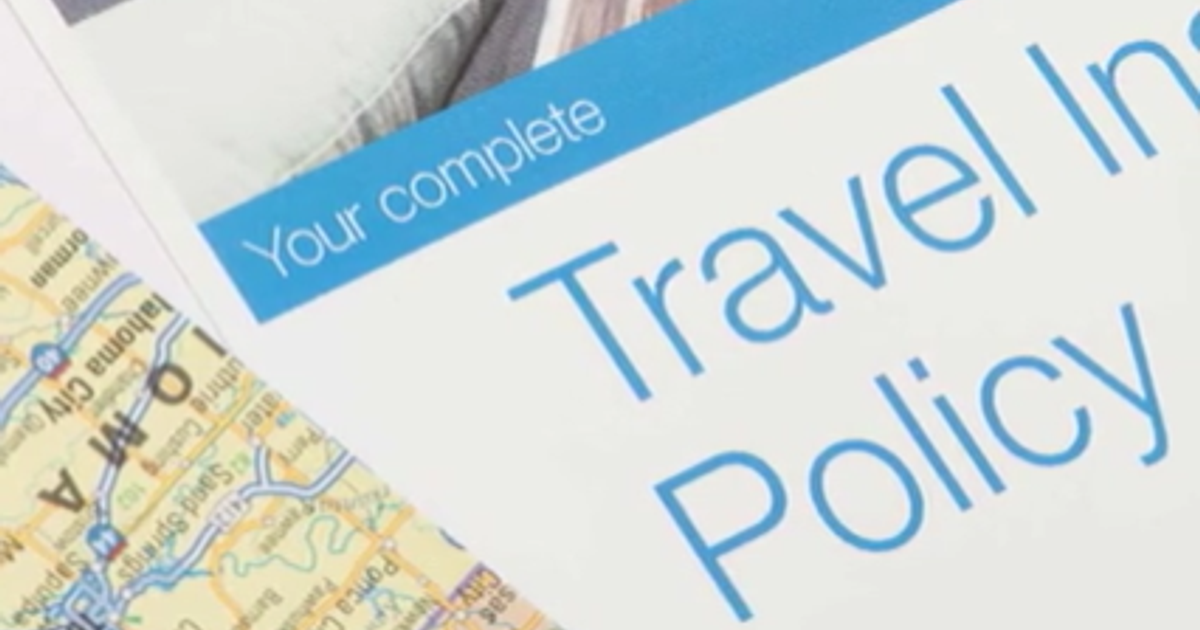
Vacations aren’t cheap. Between airfare, hotels, rental cars and cruises, many travelers spend thousands of dollars on a single trip. But if severe weather, illness, or an unexpected emergency forces you to cancel or delays your return home, travel insurance could help protect that investment
Consumer Reports says the key is understanding exactly what a policy covers before you buy it
When travel insurance can help
For traveler Mandy Trahan, a family vacation to Puerto Vallarta, Mexico, took an unexpected turn when cartel violence erupted, forcing the city into lockdown and closing the airport
“There was kind of a mad rush to try to find your way home, try to find accommodation,” Trahan said
She had travel protection through her credit card, but after reviewing the terms, she realized it might not cover the costs of an extended stay
According to Consumer Reports, many credit cards offer travel protections, but those benefits are often limited. A standalone travel insurance policy may provide broader coverage
Depending on the plan, travel insurance can help pay for:
- Prepaid, nonrefundable trip costs if you have to cancel because of illness or another covered reason.
- Extra hotel stays and meals if your trip is interrupted.
- The cost of rebooking flights after major travel disruptions.
Compare policies carefully
Not all travel insurance plans offer the same protection
Consumer Reports recommends comparing policies through websites such as InsureMyTrip and Squaremouth, which allow travelers to review coverage options side by side
“Once you find a policy, don’t assume you’re covered for everything,” said Lisa Gill, an investigative reporter with Consumer Reports. “Make sure you know what the policy will and won’t pay for.”
Don’t overlook medical coverage
Medical coverage is one of the biggest reasons travelers purchase insurance, especially for international trips
Many U.S. health insurance plans, including Medicare, provide little or no coverage outside the country
Consumer Reports recommends considering a policy that includes emergency medical evacuation, particularly if you’re taking a cruise or traveling somewhere with limited access to major hospitals
Travelers with preexisting medical conditions should also verify whether those conditions are covered and look for plans that offer primary medical coverage, which allows the insurer to pay eligible claims first instead of requiring you to file with your health insurance company before receiving benefits
Research the insurance company
Before purchasing a policy, Consumer Reports recommends checking the insurer’s financial strength and reputation. Look for companies with strong ratings from organizations such as the Better Business Bureau and A.M. Best
The bottom line
Trahan says her experience taught her the value of preparing for the unexpected
“I think it’s good to be cautious,” she said. “Travel insurance is definitely a nice security to have and give you peace.”
Consumer Reports also says if you’re booking through a licensed travel agent, they can help explain exactly what your policy covers so there are no surprises if your trip doesn’t go according to plan
