

Analysis
In cutting joint drills, Trump has given South Korea’s president what he wants. So why is Seoul so uneasy?
Raphael Rashidin Seoul
Lee Jae Myung has long pushed for stronger homegrown defences, yet Donald Trump’s move has sparked alarm in some quarters
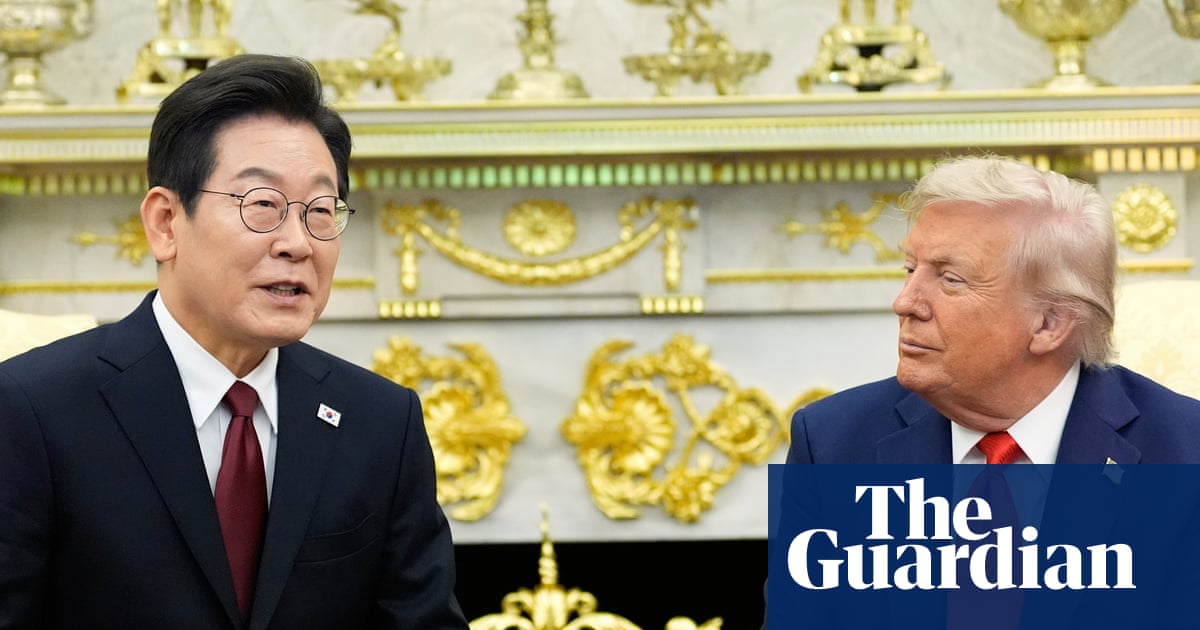
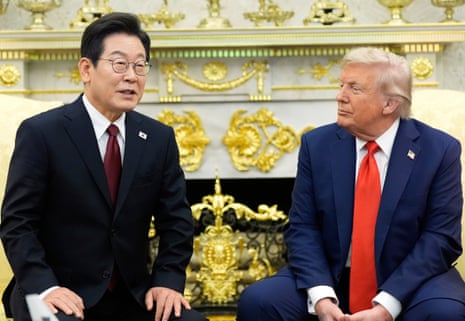
At their first summit, in August last year, the South Korean president, Lee Jae Myung, told Donald Trump: “If you, Mr President, become the peacemaker, then I will assist you as the pacemaker.”
The remark at the Oval Office captured the thrust of Lee’s approach to North Korea: dial down the military posturing and make repeated peace overtures to revive dialogue, even if they have been consistently rejected by Pyongyang largely over Seoul’s insistence on denuclearisation
Fast forward to this week, and Trump’s move to cut joint military exercises with South Korea echoes what Lee had himself floated, on several occasions, as a possible tool for drawing Pyongyang back to the table
Lee’s broader message is that South Korea should take more responsibility for its own defence and reduce its reliance on others. On Tuesday, he used the moment to renew calls for wartime operational control of the military and progress on his country’s nuclear submarine programme
Trump has delivered on the drills, albeit in the blunt, discourteous fashion typical of the president:
Yet the move has inverted South Korea’s usual political lines, where the left-right divide is shaped more by attitudes toward North Korea – hawks v doves, confrontation v engagement – than by economic or social values
Reducing joint drills has long been advocated by some on the Korean left. A rightwing US president imposing the policy on his centre-left South Korean counterpart lands awkwardly for both sides
While some see the reduction as potentially useful for diplomacy, the louder concern in Seoul is that Trump is weakening a key pillar of deterrence, and leaving South Korea with little say over decisions that directly affect its security. That may strain an alliance that has been the bedrock of security on the peninsula since the Korean war
The opposition conservative People Power party has called the decision a “security disaster” and warned of a return to “Korea passing”, a term used when Seoul feels sidelined in matters directly affecting it. Conservative newspapers have been almost unanimous in calling the cut reckless. The influential Chosun Ilbo has gone further, blaming Lee’s government directly for inviting it
The left has not shared that sense of alarm. Hankyoreh, one of the country’s main progressive papers, raised no objection to the substance of Trump’s decision, only to how it was delivered: unilaterally and disrespectfully on social media, calling it “regrettable”. Kyunghyang Shinmun took a more positive view, saying the cut could help create an atmosphere for dialogue with North Korea, so long as deterrence held
Reducing tensions with North Korea and creating space for dialogue are central to Lee’s agenda. The ruling party has been quiet on the move, but openly welcoming Trump’s decision could put it at odds with a base that has generally viewed Trump with suspicion, if not hostility
Aside from the domestic politics, the episode is likely to deepen doubts about Washington’s commitment to its allies, doubts that have been building for years since Trump’s first term, said Prof Jaechun Kim, who teaches international relations at Sogang University, in Seoul
Trust, he argued, is the foundation of any alliance, and remarks like Trump’s reinforce the impression that the US’s obligations are increasingly viewed “through a highly transactional lens”, one that could shape how South Koreans judge US reliability long after Trump has left office
Then there is the issue of the nuclear deterrent. South Korea enjoys protection under the US nuclear umbrella, but public support for an independent deterrent among South Koreans and their neighbours has hovered around or above 70% in recent surveys. The latest news may push that support higher still
Kim said he expects Pyongyang to welcome any sign of friction within the alliance but doubts that it views improving relations with Washington as a priority, given the stronger backing it now enjoys from China and Russia compared with during Trump’s first term
“The irony,” he said, “is that [US] policies intended to reduce American burdens may ultimately strengthen calls for independent nuclear deterrents among US allies.”
Explore more on these topicsShare
Reuse this content
