

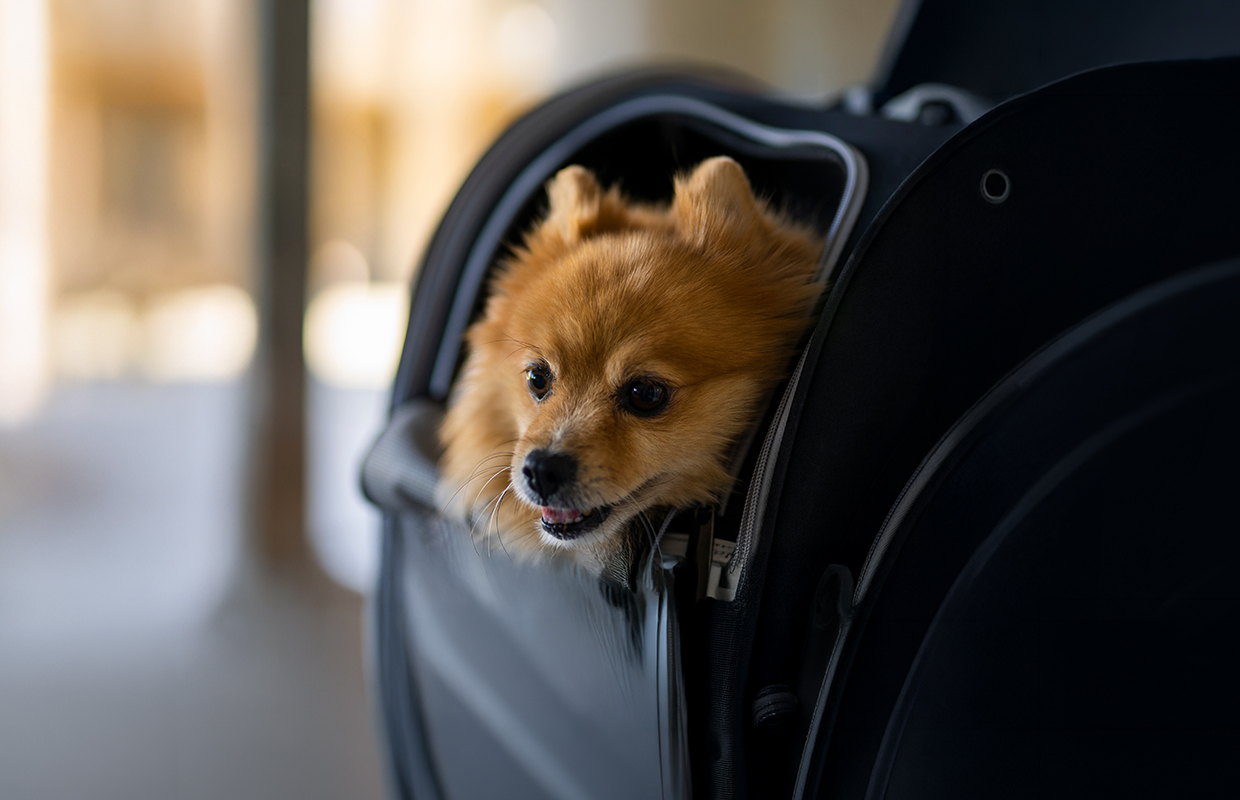
The International Air Transport Association (IATA) has published new operational guidelines for airlines transporting pets in aircraft cabins to ensure greater consistency in pet policies, which often vary widely between carriers
The new Operational Guidelines for In-Cabin Pet Transport provide airlines with recommended procedures covering every stage of the pet journey, from booking and check-in through boarding, the in-flight experience, and arrival.
Establishing airline best practices for pet-friendly air travel
The guidance is voluntary but establishes industry best practice as demand for pet-friendly air travel continues to grow.
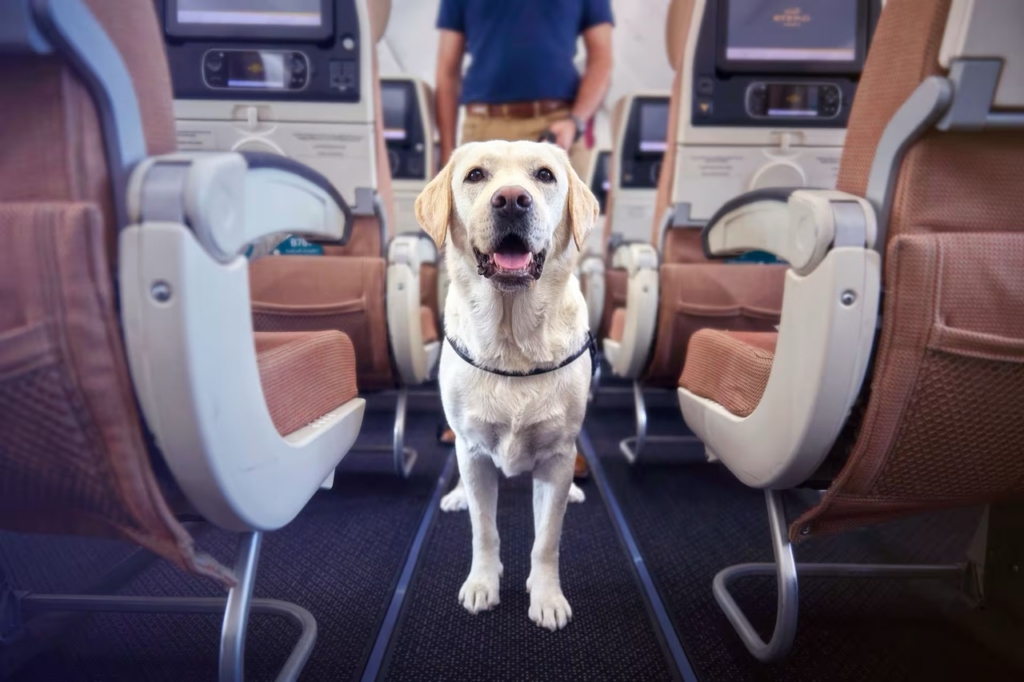
According to IATA’s 2025 Global Passenger Survey, around one in four passengers have travelled or would consider travelling with a pet. However, many cited inconsistent airline rules as a major
Among respondents interested in travelling with pets:
- 41% said uncertainty over pet eligibility was their biggest concern.
- 36% were unsure about airline policies.
- 34% found the overall travel process unclear.
Standardising airline pet policies
The guidance is designed to help airlines develop consistent procedures while maintaining passenger safety, animal welfare and operational efficiency
“A pet is a much-loved member of the family. People travelling with their pets need clear guidance on what to expect at every step of the journey,” said Brendan Sullivan, IATA’s Global Head of Cargo. “That’s important because well-prepared travellers and industry-wide best practices enable airlines to deliver a safe, consistent, and efficient experience for those travelling with their pets.”
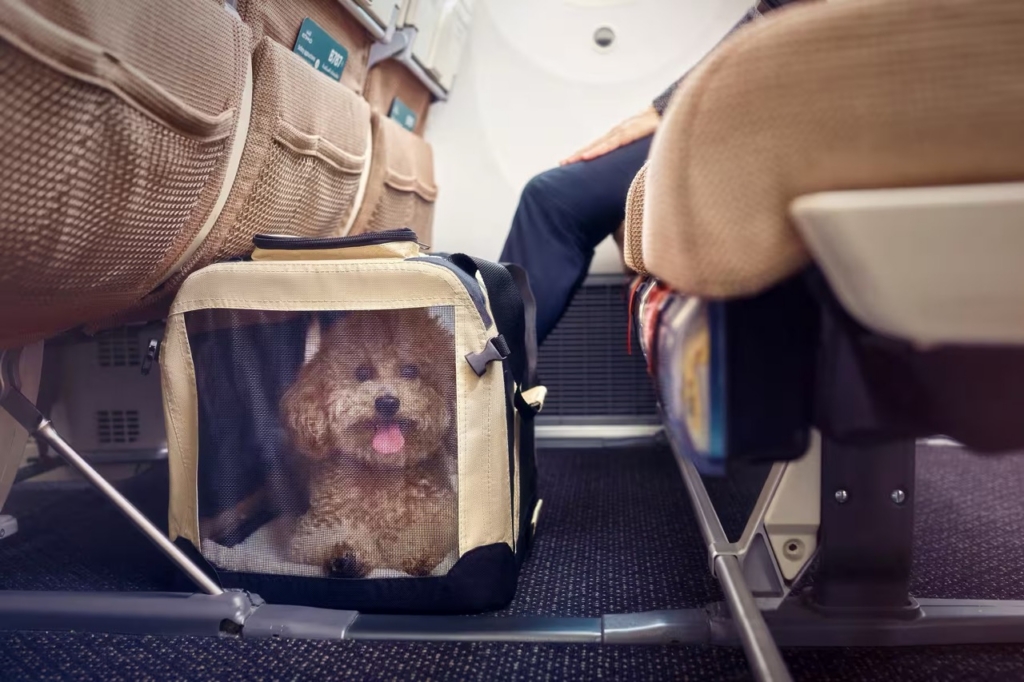
Unlike existing IATA Live Animals Regulations, which address pets travelling in cargo holds, the new document focuses specifically on animals accompanying passengers inside the aircraft cabin.
Read also: The most pet-friendly US airlines for 2026Read also: The most pet-friendly US airlines for 2026
What IATA’s new pets in cabin guidance covers
IATA’s recommendations span the entire journey for passengers and their pets
Before booking
Airlines are encouraged to publish clear rules on:
- Eligible species and breeds
- Weight and size limits
- Approved carrier dimensions
- Documentation requirements
- Country-specific import restrictions
- Fees and reservation procedures
IATA recommends that airlines require advance notification if a passenger plans to travel with a pet.
At check-in
IATA recommends that airline staff should verify:
- The animal is healthy enough to travel
- Required veterinary and import documentation is complete
- The pet fits comfortably inside its carrier
- The carrier complies with airline requirements
The guidelines also suggest that airline staff visually assess whether an animal appears distressed or unfit for travel before boarding.
Boarding and seating
IATA recommends that cabin crew receive advance notification identifying passengers travelling with pets so they can manage seating arrangements and potential conflicts involving allergies, service animals or passenger phobias
- Pet carriers remain beneath the seat in front during taxi, take-off, landing and turbulence.
- Animals remain inside the carrier throughout the flight.
- Pets should never occupy passenger seats or obstruct aisles or emergency exits.
Guidance for pets on connecting flights
IATA recommends airlines give passengers clear information about transfer procedures before departure, especially for journeys involving multiple carriers or countries with differing animal import requirements
Airlines are encouraged to provide information on:
- Whether pets are accepted on every flight in the itinerary.
- Transit and destination documentation requirements.
- Whether the pet must be reclaimed and rechecked during connections.
- The availability and location of pet relief areas at connecting airports.
- Any restrictions on removing pets from their carriers while inside the terminal.
It also suggests airlines should advise passengers whether transit airports have designated pet relief stations where animals can be taken during longer layovers
The airline association notes that relief station availability varies widely at the world’s airports, with many airports providing no dedicated areas and some offering relief stations only outside the secure airport zone, which would require passengers and their pets to clear security again
Animal welfare is central
IATA’s guidance emphasises animal welfare throughout the journey
Recommendations include:
- Ensuring adequate ventilation inside carriers
- Providing sufficient space for the animal to stand, turn and lie naturally
- Minimising stress during handling
- Avoiding unnecessary removal of the animal from its carrier
- Having procedures available for medical or behavioural emergencies involving animals onboard
The document also recommends dedicated staff training on pets in the cabin so airline employees can recognise signs of animal distress and respond appropriately.
Not mandatory, but a good start for the pet journey
IATA’s pets in cabin guidelines are not mandatory—they don’t replace national regulations. However, they may help reshape airline policies for more pet-friendly travel. Airlines now have a common pet policy framework that can be adapted to local laws and their operational requirements.

Individual carriers will still decide:
- Which pets are accepted
- Maximum permitted weight
- Carrier dimensions
- Applicable fees
- Routes where pets are permitted
Some countries also maintain strict animal import controls that override airline procedures.
Read also: EU’s top court says pets are ‘baggage’ under airline liability lawRead also: EU’s top court says pets are ‘baggage’ under airline liability law
Builds on wider IATA animal transport work
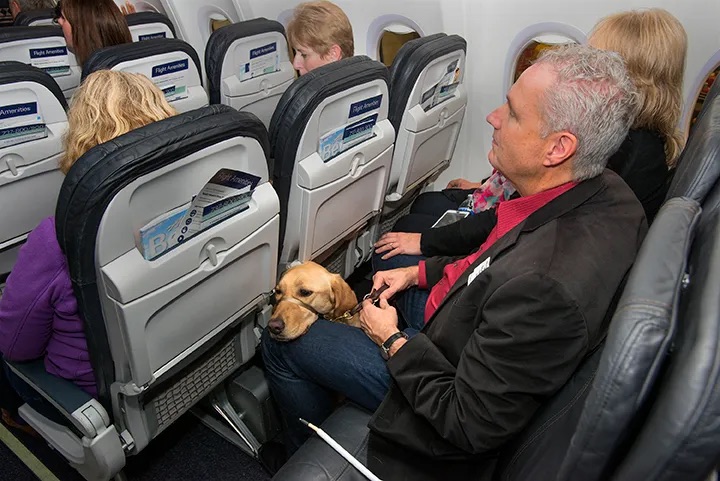
The publication complements IATA’s long-established Live Animals Regulations (LAR), which govern the transport of animals in cargo, as well as its recently introduced passenger guidance for travelling with service dogs
Together, the guidelines aim to improve airline consistency and make air travel expectations clearer for passengers with pets
Get all the latest news on flying with pets here on AGN.Get all the latest news on flying with pets here on AGN.
News
Air Transportflying with petsInternational Air Transport Associationpets in cabin
Sign up for our newsletter and get our latest content in your
inbox.
Similar Reads
1
Australia draws national air tanker rules after Boeing 737 firebomber crash exposed critical safety gapsAustralia draws national air tanker rules after Boeing 737 firebomber…
Aviation safety
July 30, 2026
2
WestJet responds to crew union 72-hour strike notice with lockout WestJet responds to crew union 72-hour strike notice with lockout
WestJet
July 30, 2026
3
How a Unified Data Layer is transforming aerospace and defence decision-making How a Unified Data Layer is transforming aerospace and defence…
Data
July 30, 2026
4
Farnborough International Airshow 2026 generates $84.7bn in deals as attendance surges Farnborough International Airshow 2026 generates $84.7bn in deals as attendance…
Farnborough Internation…
July 30, 2026
Related Topics
More from
Australia draws national air tanker rules after Boeing 737 firebomber crash exposed critical safety gapsAustralia draws national air tanker rules after Boeing 737 firebomber crash exposed critical safety gaps
July 30, 2026
WestJet responds to crew union 72-hour strike notice with lockoutWestJet responds to crew union 72-hour strike notice with lockout
July 30, 2026
How a Unified Data Layer is transforming aerospace and defence decision-makingHow a Unified Data Layer is transforming aerospace and defence decision-making
July 30, 2026
Farnborough International Airshow 2026 generates $84.7bn in deals as attendance surgesFarnborough International Airshow 2026 generates $84.7bn in deals as attendance surges
July 30, 2026
Rolls-Royce boosts forecasts as aerospace, defence and AI markets accelerate Rolls-Royce boosts forecasts as aerospace, defence and AI markets accelerate
July 31, 2026
How a Unified Data Layer is transforming aerospace and defence decision-makingHow a Unified Data Layer is transforming aerospace and defence decision-making
July 30, 2026
Singapore explores joining GCAP as global interest in Tempest grows Singapore explores joining GCAP as global interest in Tempest grows
July 30, 2026
Ukraine overtakes Russia in monthly long-range drone strikes, OSINT data shows Ukraine overtakes Russia in monthly long-range drone strikes, OSINT data shows
July 30, 2026
From Lavi to stealth drones: Israel reshapes its future airpower strategy From Lavi to stealth drones: Israel reshapes its future airpower strategy
July 31, 2026
Rolls-Royce boosts forecasts as aerospace, defence and AI markets accelerateRolls-Royce boosts forecasts as aerospace, defence and AI markets accelerate
July 31, 2026
How a Unified Data Layer is transforming aerospace and defence decision-makingHow a Unified Data Layer is transforming aerospace and defence decision-making
July 30, 2026
Singapore explores joining GCAP as global interest in Tempest growsSingapore explores joining GCAP as global interest in Tempest grows
July 30, 2026
Amsterdam Schiphol champions airport quality as it reveals €801 million investment Amsterdam Schiphol champions airport quality as it reveals €801 million investment
July 29, 2026
India’s ePlane strengthens supply chain with global aerospace partners as e200X moves towards certification India’s ePlane strengthens supply chain with global aerospace partners as e200X moves towards certification
July 28, 2026
MTU advances Flying Fuel Cell towards integrated testing as hydrogen propulsion programme gathers pace MTU advances Flying Fuel Cell towards integrated testing as hydrogen propulsion programme gathers pace
July 27, 2026
This AI-powered SITA tool can save airlines $50,000 per aircraft: Here’s howThis AI-powered SITA tool can save airlines $50,000 per aircraft: Here’s how
July 26, 2026
