

Getting your Trinity Audio player ready…
When people think about the impact of small businesses, it’s easy to focus on storefronts, products or services. But ask community leaders and business owners across Downriver, and they’ll tell you those businesses are doing far more than generating sales. They’re creating jobs, sponsoring Little League teams, revitalizing downtowns, building relationships and giving residents a reason to feel proud of where they live
Their economic impact is substantial. According to the U.S. Small Business Administration, small businesses account for 99.6% of all businesses in Michigan and employ nearly half of the state’s private-sector workforce. Nationally, small businesses are responsible for creating roughly two-thirds of new jobs
Those numbers play out every day across Downriver
“Small businesses are the primary driver of a local economy – hands down,” said Ronald Hinrichs, CEO of the Southern Wayne County Regional Chamber. “The overwhelming majority of employers in our communities are small businesses, and they’re the ones investing directly in our neighborhoods.”
Over the past several years, Hinrichs has watched entrepreneurship grow throughout the region, from Wyandotte and Trenton to Gibraltar, Allen Park and Southgate. Ribbon cuttings have become increasingly common, fueled by local leadership, downtown investment and entrepreneurs who recognize the opportunities available in Downriver
He points to vibrant downtown districts, infrastructure improvements and the region’s growing reputation as a destination for recreation and family life as factors attracting new businesses
“These are people who live in the community,” Hinrichs said. “They know what matters here. They’re sponsoring youth sports, supporting beautification efforts, investing in community events and hiring local people.”
Pride beyond the purchase
Southgate City Administrator Dan Marsh believes the value of a small business extends well beyond its cash register
“People appreciate having major chains and box stores,” he said. “But they aren’t necessarily proud of them. Having a standout restaurant, entertainment venue or retail shop is something people actually feel proud about having in their city.”
That pride creates a ripple effect
Unlike national retailers, many independent businesses become woven into a city’s identity. Families return generation after generation, often because of personal relationships they’ve built with owners
Marsh points to longtime specialty retailers that continue drawing customers from neighboring communities because of their expertise and customer service
“People don’t usually travel to multiple cities to visit a fast-food restaurant,” he said. “But they will travel to a restaurant with unique menu items or a specialty business they’ve trusted for years.”
When residents choose to shop locally, he added, the impact extends far beyond a single purchase
“That purchase helps the business owner sponsor community events, support a youth sports team or invest back into the city,” Marsh said. “The better our small businesses do, the stronger our local economy becomes.”
Building community one customer at a time
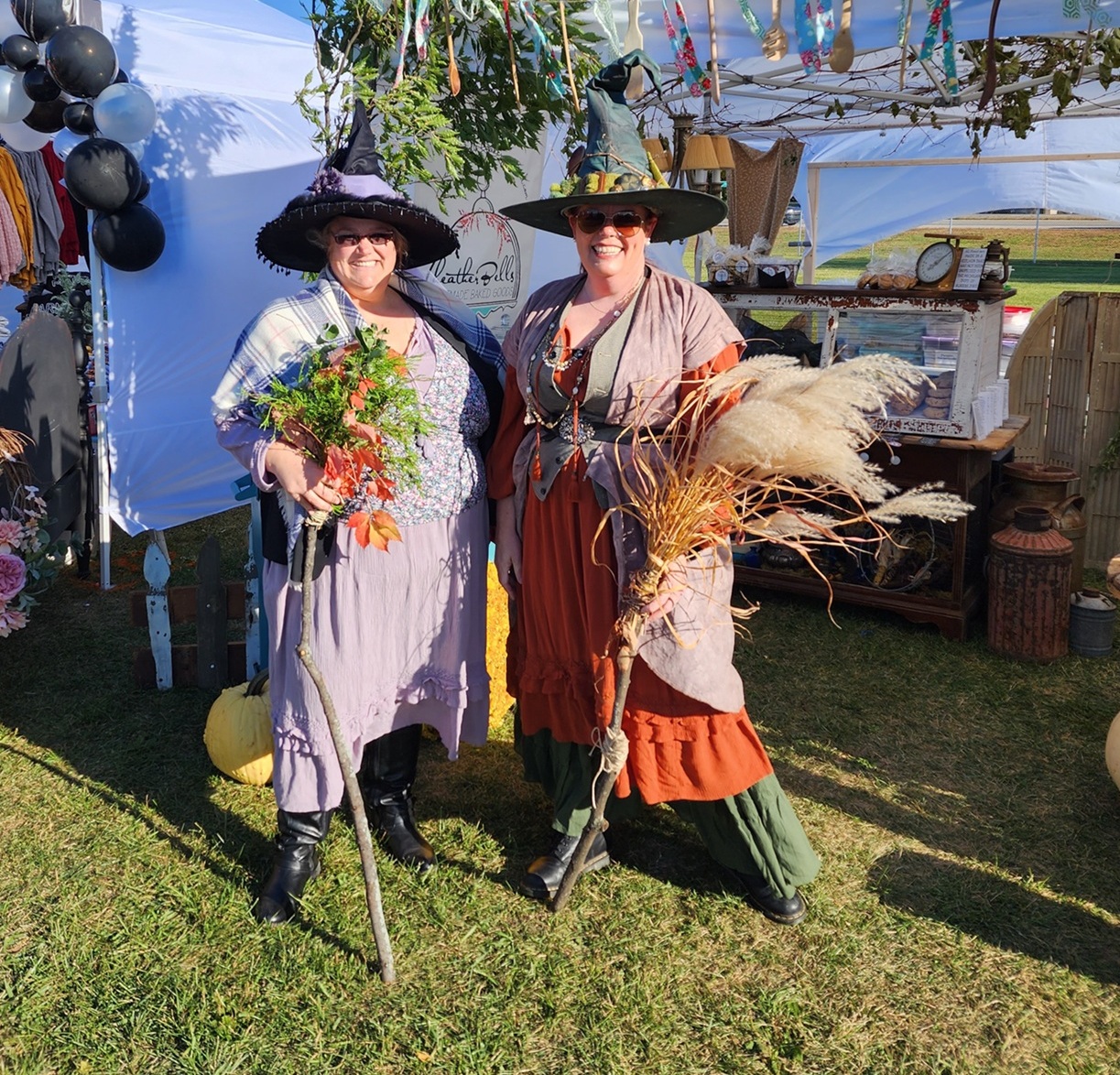
For Sarah Bell and Heather Ellis, owners of Heather Bells Bakery in Southgate, success has been measured as much by relationships as revenue
The longtime friends met while teaching together at a Montessori school before launching a small baking business during the pandemic. What began with homemade breads, muffins and cocoa bombs sold through Facebook quickly grew into farmers markets, wholesale accounts and, this spring, their first brick-and-mortar bakery
Along the way, they discovered something they never expected
“We’ve built a huge friendship network,” Bell said. “Customers really became friends because we saw them every week.”
Ellis said opening their storefront revealed just how deeply those relationships had grown
“The biggest surprise was the amount of support,” she said. “People I hadn’t seen in 10 or 15 years came in because they wanted to support us. That was mind-blowing.”
The pair credits perseverance – and help from fellow entrepreneurs – for getting them through the inevitable setbacks of financing, licensing and launching a business
“Find your people,” Bell said. “No matter how many tears you shed, if it’s really what you want, keep pushing.”
Collaboration creates stronger downtowns
In downtown Trenton, business owners are finding that success often depends on helping one another succeed
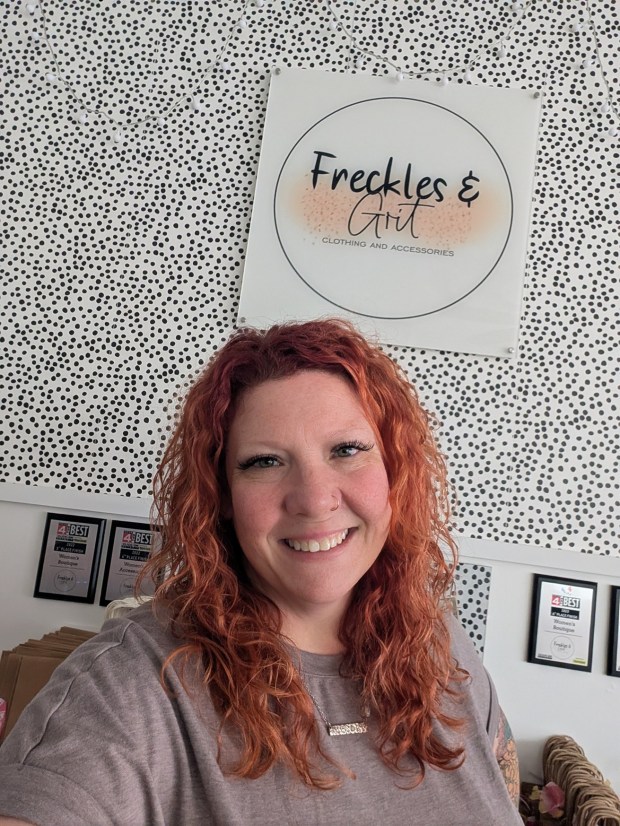
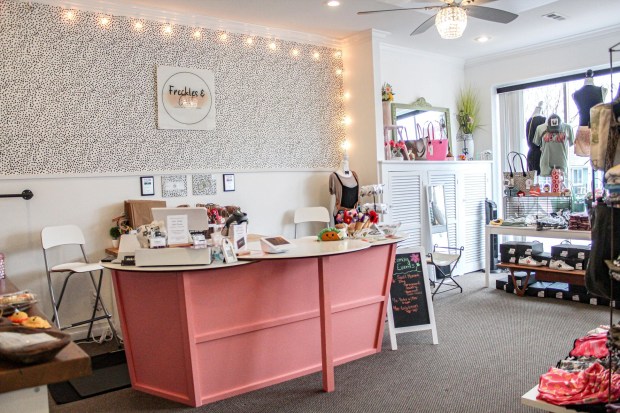
When Christina McNally-Stewart opened Freckles and Grit four years ago, she envisioned more than a clothing boutique. Today, her shop carries products made by local artisans, including jewelry, apparel and handcrafted gifts produced by other small businesses
“If there’s a product I want to carry, I always try to find a local vendor who makes it,” she said. “I think it’s really important to include as many other small business owners as possible.”
She credits word-of-mouth recommendations and customer relationships with building the business
“The community has been amazing,” McNally-Stewart said. “In Trenton, things really grow through experience and people telling other people.”
Like many entrepreneurs, she continues balancing business ownership with a full-time job, offering practical advice for anyone considering entrepreneurship
“Have a realistic plan,” she said. “Small business ownership is rewarding, but it’s also hard work.”
Revitalizing downtowns
Downtown Trenton Development Authority Director Angelia Pusino has seen firsthand how entrepreneurs are reshaping the city’s character
She notes that women now own roughly three-quarters of downtown Trenton’s retail and health and wellness businesses, bringing creativity and collaboration that extend well beyond their storefronts
“Women are playing a significant role in shaping the identity of downtown Trenton. The rise of unique businesses and services has attracted more people to the area. Many of our women-owned businesses are eager to partner for events to help increase foot traffic,” Pusino said. “As a city, the more collaborations and partnerships we can create, the stronger our community will become.”
Recent additions such as Pickled and Le Lieu have transformed formerly vacant or damaged properties into vibrant community gathering spaces, demonstrating how small businesses often become catalysts for broader redevelopment
“Women have been dominating the retail and health and wellness sectors. Although there are a variety of types of businesses owned by women in downtown Trenton, almost 75% of our retail and health and wellness businesses are owned by women,” she added. “This rise is likely due to the retail and health and wellness customer base being strongly influenced by women. Although this sector is not mutually exclusive, women are seeing the need within their own community, which reflects in the types of businesses we are seeing appear.”
Looking ahead
Despite the optimism, challenges remain. Inflation, workforce shortages, supply chain disruptions and access to affordable childcare continue to test entrepreneurs across Michigan, Hinrichs said. Marsh added that local governments can help by streamlining permitting, offering façade improvement grants and recognizing businesses that invest in their communities
Even with those obstacles, both believe the future is bright
Michigan recently ranked sixth nationally in CNBC’s annual Top States for Business rankings, reflecting continued investment in workforce development, infrastructure and economic growth
For communities across Downriver, however, success isn’t measured only by economic rankings
It’s measured in familiar faces greeting customers by name, local shops sponsoring children’s sports teams, neighbors supporting neighbors and downtowns that continue to grow because residents choose to invest where they live
Every purchase at a neighborhood bakery, boutique, coffee shop or specialty store helps sustain more than a business. It helps sustain a community
Small businesses don’t just add character to communities—they’re a major economic engine for both Michigan and the nation
• 99.6% of all businesses in Michigan are classified as small businesses.
Michigan is home to 983,079 small businesses, employing approximately 1.9 million people—47.7% of the state’s private-sector workforce.
• Nationally, small businesses account for 99.9% of all U.S. businesses and employ 45.9% of the private workforce.
• Small businesses continue to be America’s primary job creators, generating about two-thirds of net new jobs nationwide over the past decade.
• Women own approximately 40% of all U.S. businesses, representing roughly 14 million businesses nationwide.
• Women-owned businesses have continued to grow at a faster pace than the overall business population over the past several years, contributing significantly to new business formation and local economic development.
• Michigan consistently ranks among the nation’s stronger states for entrepreneurship and business climate. In CNBC’s 2025 Top States for Business, Michigan ranked No. 6, reflecting continued momentum in business growth and investment.Sources: U.S. Small Business Administration Office of Advocacy (2025 Michigan Small Business Profile); U.S. Census Bureau; U.S. Small Business Administration.
