

This story is part of WTOP’s 2026Back to School coverage
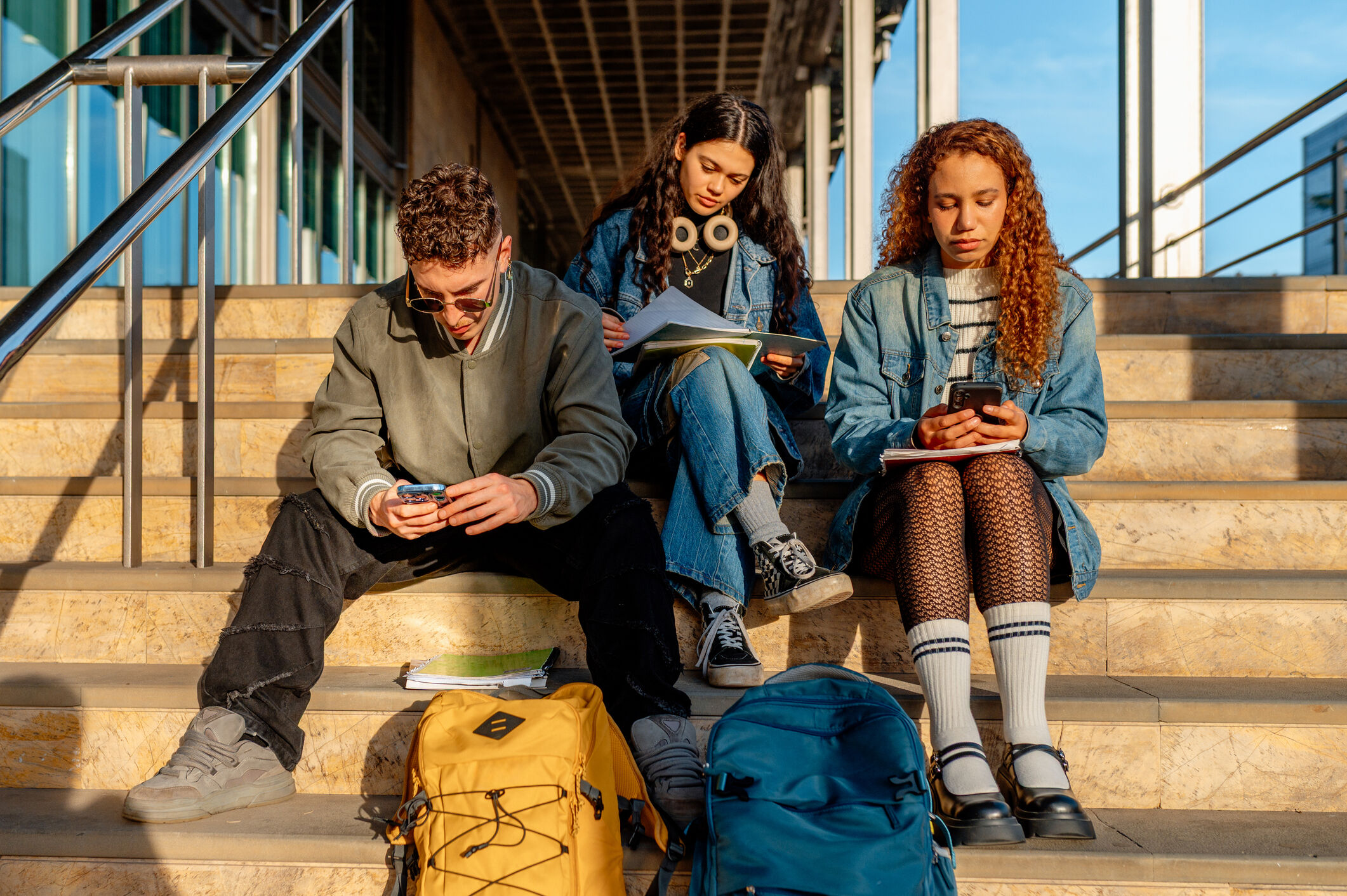
Constant phone notifications and endless scrolling can lead to “popcorn brain,” a term coined to describe a restless, scattered state of mind
Your thoughts feel like popcorn kernels bursting, rapidly bouncing between apps, screens and tasks. It becomes more difficult to slow down and focus
“We are so accustomed now to constantly seeking information quickly,” said Matt Edelstein, clinical psychologist and board-certified behavior analyst at Kennedy Krieger Institute in Baltimore
After a summer of relaxed rules and extra screen time, kids returning to the classroom may struggle with the transition. Popcorn brain can make it more difficult for students to concentrate, retain information and follow directions. It can also lead to feelings of anxiety and a desire for constant stimulation
“Oftentimes, what we see with these kids is that they’re watching information at 1.5 or two times the speed,” Edelstein said. “Going from that to a classroom where people are talking at a normal speed, and not everything is appealing to a child right away, is a shift.”
He recommends parents first reestablish routines for bedtime and meals. Then limit device use, disable autoplay and add parental controls
“Parents often feel like this is a battle that can’t be won because screens are everywhere,” Edelstein said. “I want to encourage families to feel like even small steps are steps in the right direction.”
Just as important, parents must model screen-free time by setting boundaries. For example, putting phones away during family meals
“It’s so easy to justify why we’re on our screens as adults because we have busy lives and a lot of competing demands. But most of those things will wait,” Edelstein said. “We want to start thinking about our kids, what they’re doing and how long they’re doing it.”
Get breaking news and daily headlines delivered to your email inbox by signing up here
