

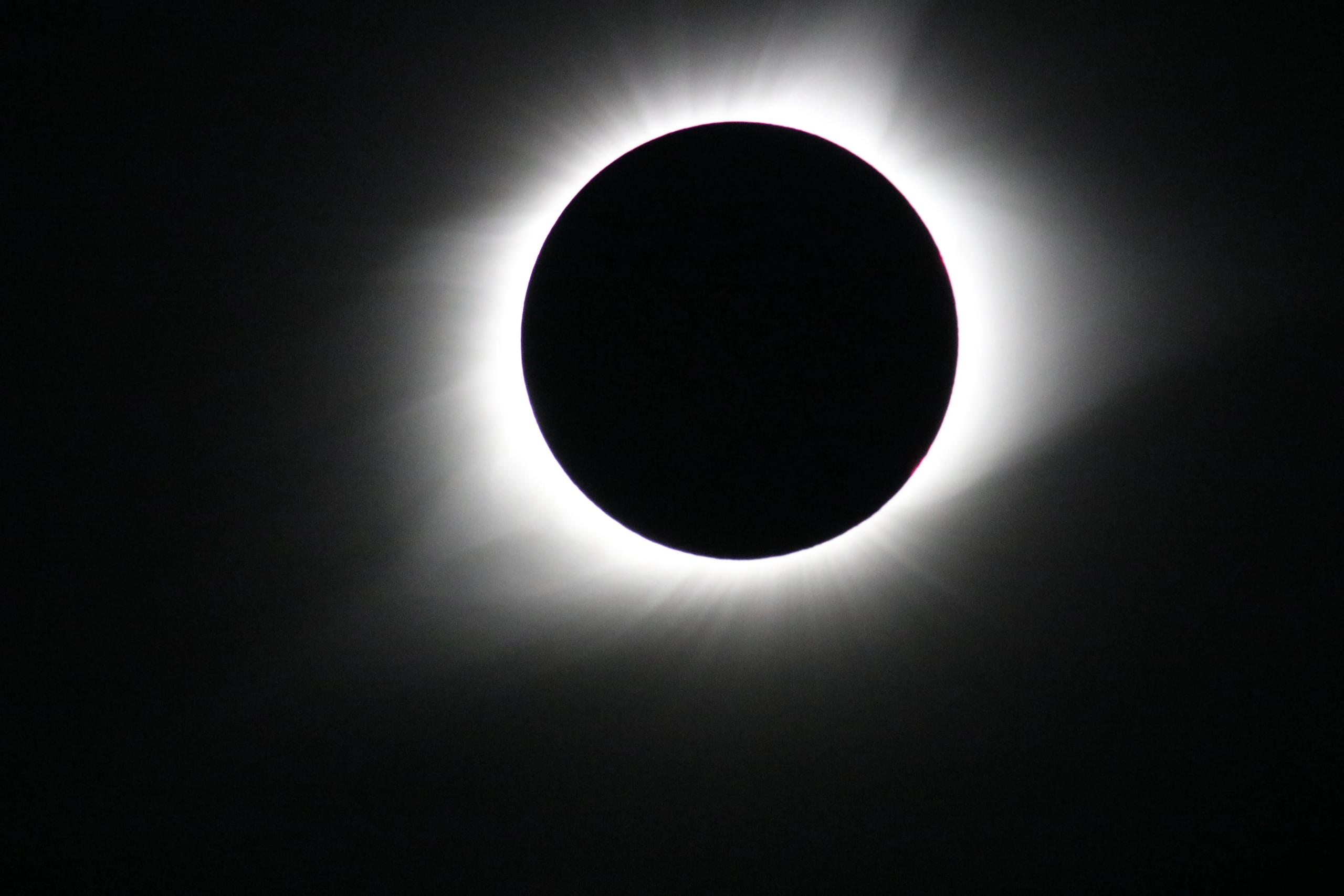
As millions prepare to watch the Moon blot out the Sun on 12 August, some pilots will find themselves in a front-row seat to the celestial event. While the eclipse will only last a matter of minutes, it raises some questions for those operating in and around the path of totality
When is the solar eclipse?
A total eclipse will briefly plunge a sliver of the Earth into darkness on Wednesday 12 August
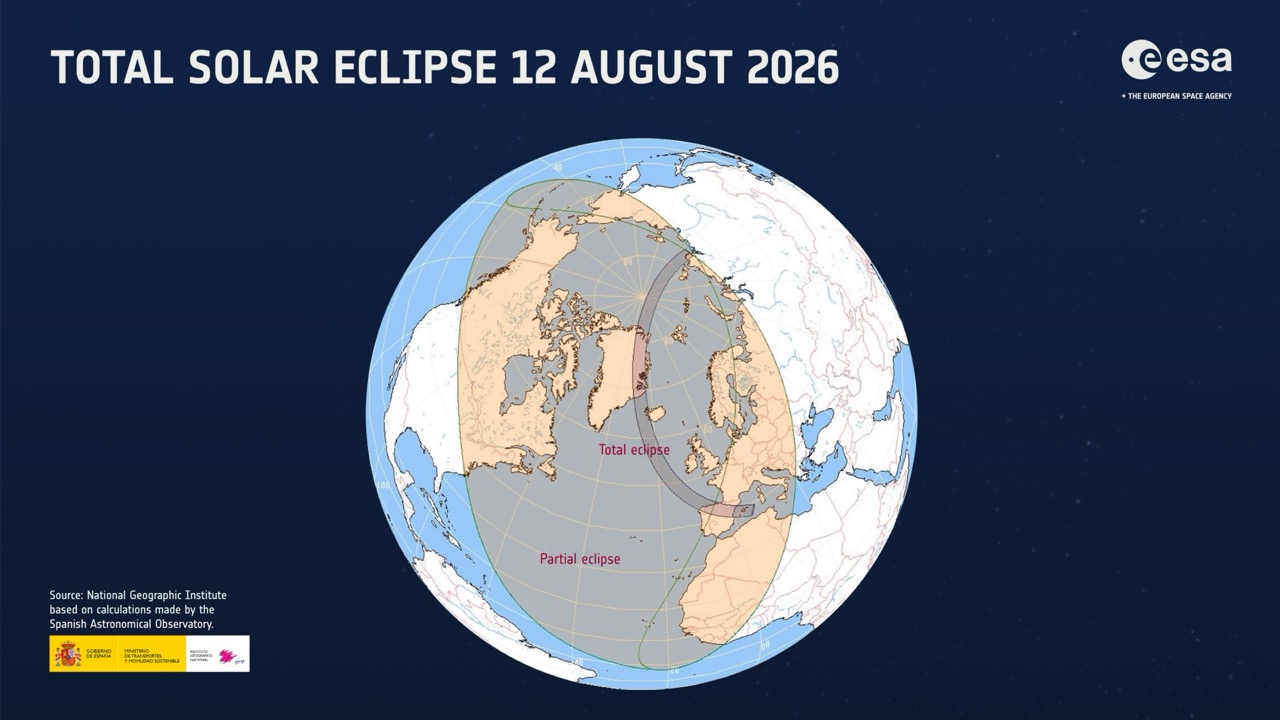
A partial solar eclipse will be visible across the UK. However it will be best observed along a strip of Earth’s surface from Siberia to Greenland and on to northern Spain and the Balearic Islands, where a total eclipse will take place
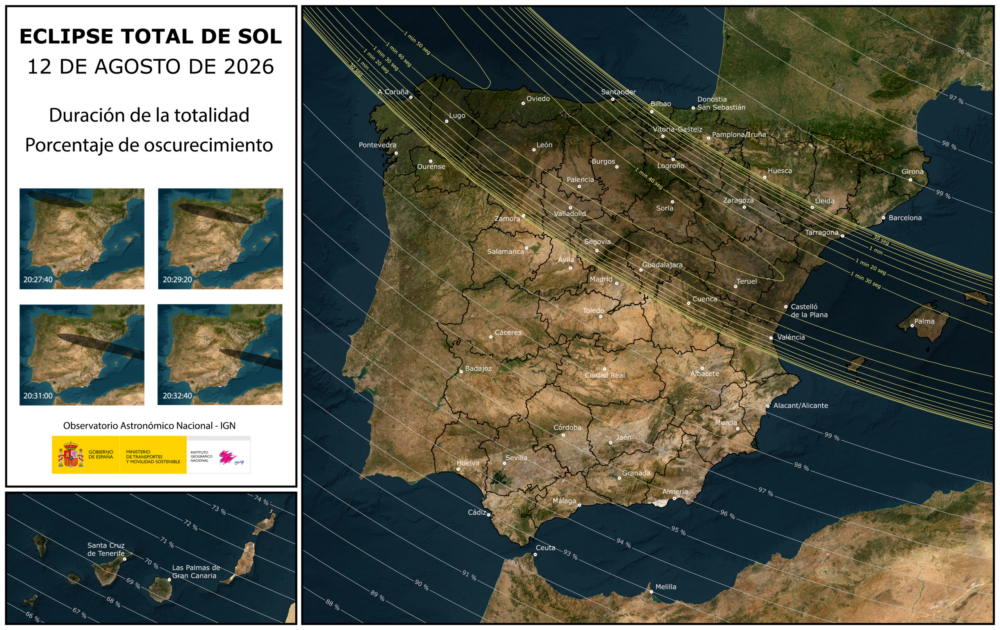
This week’s eclipse will produce a period of totality lasting up to around two minutes and 18 seconds, depending on the location.
When a total solar eclipse turns day into twilight, some of the most spectacular views will be from the flight deck. And there are some special considerations for those operating near to the celestial event
How a total eclipse affects airliner operations
For commercial aircraft under instrument flight rules operating within the path of totality, daylight will fade rapidly as the Moon moves across the Sun, creating conditions that will feel like dusk or even nighttime
The aircraft’s flight-management, navigation and flight-control systems will continue to operate normally
For a flight in the cruise, the effect is relatively limited because the aircraft is already being flown by reference to these instruments.
On departure or approach, however, a sudden reduction in ambient light could alter the visual environment considerably.
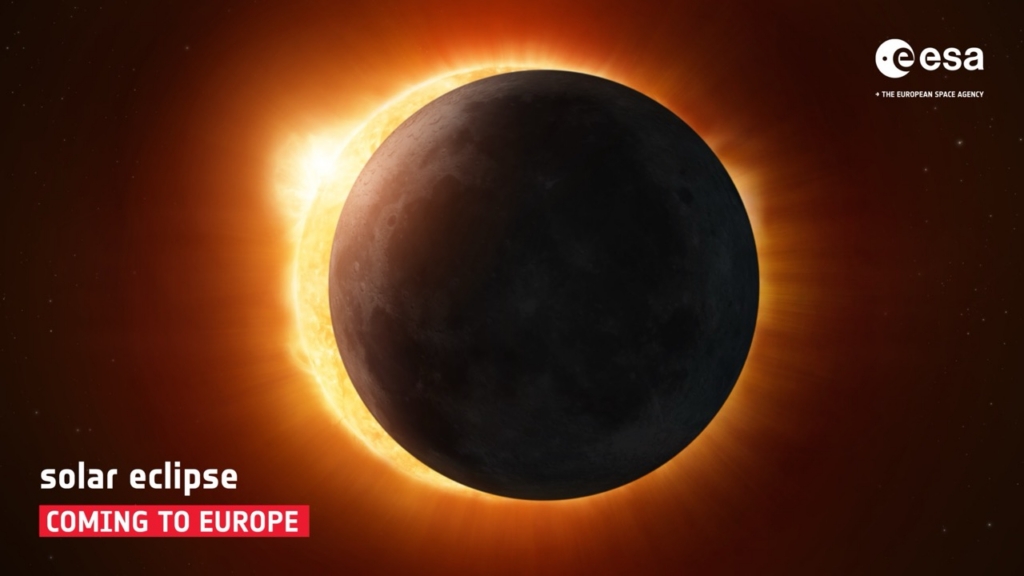
Runway and approach lighting may become more prominent, while crews would continue to rely on the applicable instrument approach and published minima
The main operational consideration would be for landing aircraft, as there may be a rapid change in external visibility
Do eclipse conditions trigger night flying rules?
There are particular considerations that must be factored in when operating in darkness, for example adhering to any special instructions regarding the use of particular lighting. At some airports, use of precision path approach indicator lights at night is mandatory
There may also be restrictions such as whether landings in the hours of darkness can take place at all, which would be decided on an operator-by-operator basis.
Additional consideration may be given to the application of procedures that differ depending on whether it is daytime or nighttime.
For example, a pilots’ response to a ground proximity warning system caution partly depends on whether it is day or night and therefore how much of the terrain below can be easily observed.
Were such a caution to occur during an eclipse, the expectation would be that the recovery procedure for a nighttime situation be executed.
Can pilots look directly at a solar eclipse?
The eclipse would also present a specific hazard for any pilot who attempts to observe it directly.
Looking at the Sun without appropriate eye protection can cause permanent retinal damage. This applies during the partial phases as well as around totality, when only a small portion of the solar disc remains visible
Flight crews would be expected to follow the same eclipse viewing safety guidance, and may communicate this with passengers before the event.
Why a solar eclipse can increase air traffic
Another effect could come from the ase itself
Previous total solar eclipses have attractedlarge numbers of general ats seeking to position themselves for the event
That can produce localised increases in traffic, as well as additional demand on local air traffic services and congestion at airports close to the eclipse path
Authorities can introduce temporary airspace restrictions or special procedures to manage the additional traffic. Operators therefore need to take note of any relevant NOTAMs and airspace restrictions when planning flights through affected areas
Spanish civil aextra vigilant during the eclipse.
“The uniqueness of this phenomenon may motivate an increase in air activity associated with flights of general ad photography, radio soundings using light balloons, operations with UAS and tourist flights oriented to the observation of the eclipse,” the agency said.
“This, combined with low-rise operation, changing light conditions and increased traffic in high-flux areas, requires rigorous visual attention. It is recommended to pay particular attention to cables and other obstacles, especially in operations below the usual cruising altitudes, since the reduction of contrast during the eclipse can make them practically invisible from the air.”
AESA added that pilots following visual flight rules (VFR) should pay special attention to the possible effects of the eclipse during flight
It noted that flying during the eclipse is not considered an official night flight, and therefore the hours of sunset and civil twilight published for the 12 August 2026 remain unchanged, as do the periods of daytime and nighttime visual flight (VFR)
How a solar eclipse affects gliders, balloons and paragliders
One subset of the general ae flying a non-powered aircraft.
The eclipse’s sudden reduction in solar radiation can temporarily disrupt surface heating, with the return of sunlight potentially triggering rapid changes in temperature, wind and local convection.
While the effect is generally negligible for powered aircraft, it can be significant for balloons, gliders, delta wings and paragliders. For balloons in particular, the return to sunlight can produce challenging thermal and wind conditions
However for commercial an airliner is flown.
The temporary loss of daylight is significant from a visual perspective, but it does not alter the fundamental principles of flight
How NASA’s WB-57 aircraft will chase the 2026 solar eclipse
General aecial eclipse flight.
NASA is deploying its WB-57 high-altitude research aircraft to fly through the Moon’s shadow, extending the time available to its scientists to study the Sun’s corona
Operating at around 50,000ft and approximately 460mph, the aircraft will fly along the eclipse path from Iceland. Its altitude will enable scientists to capture infrared wavelengths that are absorbed by the lower atmosphere
A four-camera system developed by NASA’s Scientifically Calibrated In-Flight Imagery (SCIFLI) team will record high-resolution images of the corona across visible and infrared wavelengths at least 20 times a second
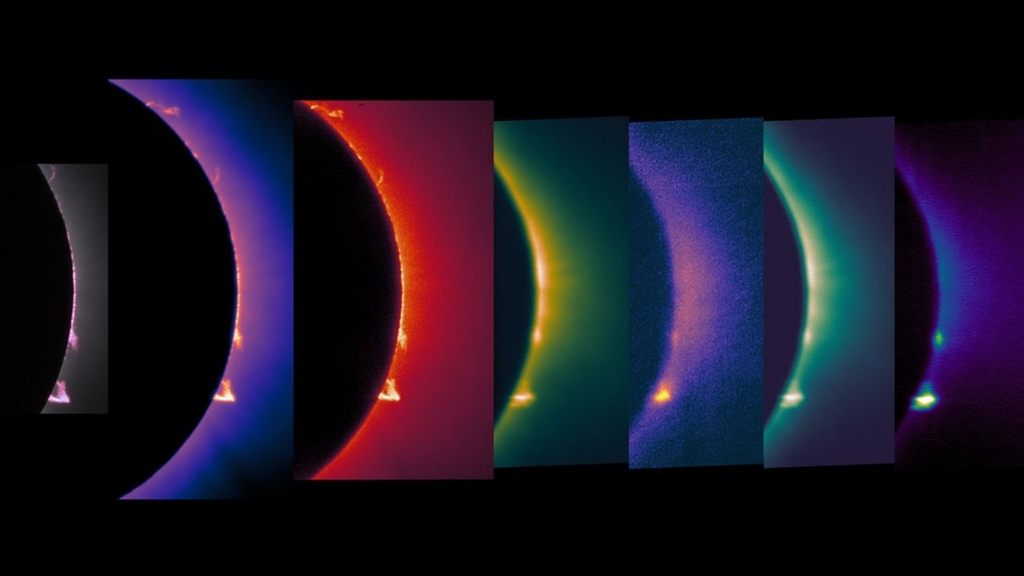
The aircraft’s speed will allow the instruments to observe totality for almost three minutes, compared with a maximum of two minutes and 18 seconds from the ground.
Researchers hope the data will improve understanding of the corona, solar prominences and the solar wind
“From our unique perspective on Earth during a total solar eclipse, scientists can study the Sun’s corona in a way we can’t from anywhere else in the solar system,” said Kelly Korreck, eclipse programme manager at NASA Headquarters in Washington.
“The Sun impacts our daily life, satellites, and astronauts in space, and we can take advantage of this moment to advance our understanding of that influence.”
Read more aviation news on AGNRead more aviation news on AGN
News
Air TransportBusiness & General AviationTrending ArticlesAirlines News and AnalysisSolar Eclipse
Sign up for our newsletter and get our latest content in your
inbox.
1
Archer vs Joby: Which eVTOL air taxi company is ahead in 2026? Archer vs Joby: Which eVTOL air taxi company is ahead…
eVTOL
August 11, 2026
2
US Navy to nearly double TACAMO ‘Doomsday plane’ fleet with E-130J Phoenix II US Navy to nearly double TACAMO ‘Doomsday plane’ fleet with…
Lockheed Martin E-130J …
August 11, 2026
3
Vertical Aerospace secures $100m financing commitments to advance Valo towards certification Vertical Aerospace secures $100m financing commitments to advance Valo towards…
Vertical Aerospace
August 11, 2026
4
Eclipse flights: Airlines offer front-row seats to solar spectacle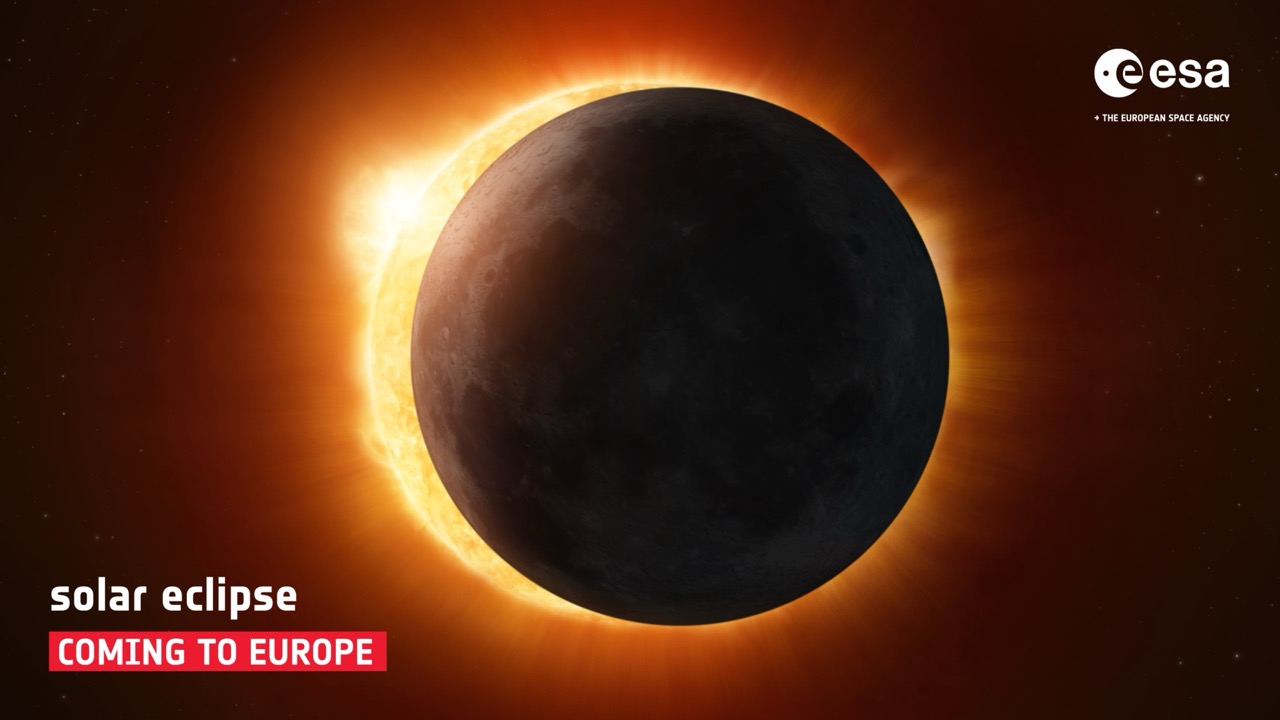 Eclipse flights: Airlines offer front-row seats to solar spectacle
Solar Eclipse
August 10, 2026
Related Topics
More from
Archer vs Joby: Which eVTOL air taxi company is ahead in 2026?Archer vs Joby: Which eVTOL air taxi company is ahead in 2026?
August 11, 2026
Vertical Aerospace secures $100m financing commitments to advance Valo towards certificationVertical Aerospace secures $100m financing commitments to advance Valo towards certification
August 11, 2026
Eclipse flights: Airlines offer front-row seats to solar spectacleEclipse flights: Airlines offer front-row seats to solar spectacle
August 10, 2026
Archer to acquire Wisk, Insitu and SkyGrid as Boeing takes 19.75% stakeArcher to acquire Wisk, Insitu and SkyGrid as Boeing takes 19.75% stake
August 10, 2026
Archer vs Joby: Which eVTOL air taxi company is ahead in 2026?Archer vs Joby: Which eVTOL air taxi company is ahead in 2026?
August 11, 2026
Swarm Aero targets MQ-9 Reaper successor with mass-produced Group 5 drone Swarm Aero targets MQ-9 Reaper successor with mass-produced Group 5 drone
August 11, 2026
Vertical Aerospace secures $100m financing commitments to advance Valo towards certificationVertical Aerospace secures $100m financing commitments to advance Valo towards certification
August 11, 2026
Archer to acquire Wisk, Insitu and SkyGrid as Boeing takes 19.75% stakeArcher to acquire Wisk, Insitu and SkyGrid as Boeing takes 19.75% stake
August 10, 2026
Swarm Aero targets MQ-9 Reaper successor with mass-produced Group 5 droneSwarm Aero targets MQ-9 Reaper successor with mass-produced Group 5 drone
August 11, 2026
Archer to acquire Wisk, Insitu and SkyGrid as Boeing takes 19.75% stakeArcher to acquire Wisk, Insitu and SkyGrid as Boeing takes 19.75% stake
August 10, 2026
US Air Force says B-21 Raider remains on track for 2027 service entry US Air Force says B-21 Raider remains on track for 2027 service entry
August 10, 2026
Ukraine moves towards anti-ballistic missile capabilities as Freyja takes shape Ukraine moves towards anti-ballistic missile capabilities as Freyja takes shape
August 7, 2026
Vertical Aerospace secures $100m financing commitments to advance Valo towards certificationVertical Aerospace secures $100m financing commitments to advance Valo towards certification
August 11, 2026
eSAF could solve aviation’s fuel problem. So why is almost nobody making it? eSAF could solve aviation’s fuel problem. So why is almost nobody making it?
August 7, 2026
Why is sustainable aviation fuel so scarce and expensive?Why is sustainable aviation fuel so scarce and expensive?
August 1, 2026
Amsterdam Schiphol champions airport quality as it reveals €801 million investment Amsterdam Schiphol champions airport quality as it reveals €801 million investment
July 29, 2026
