

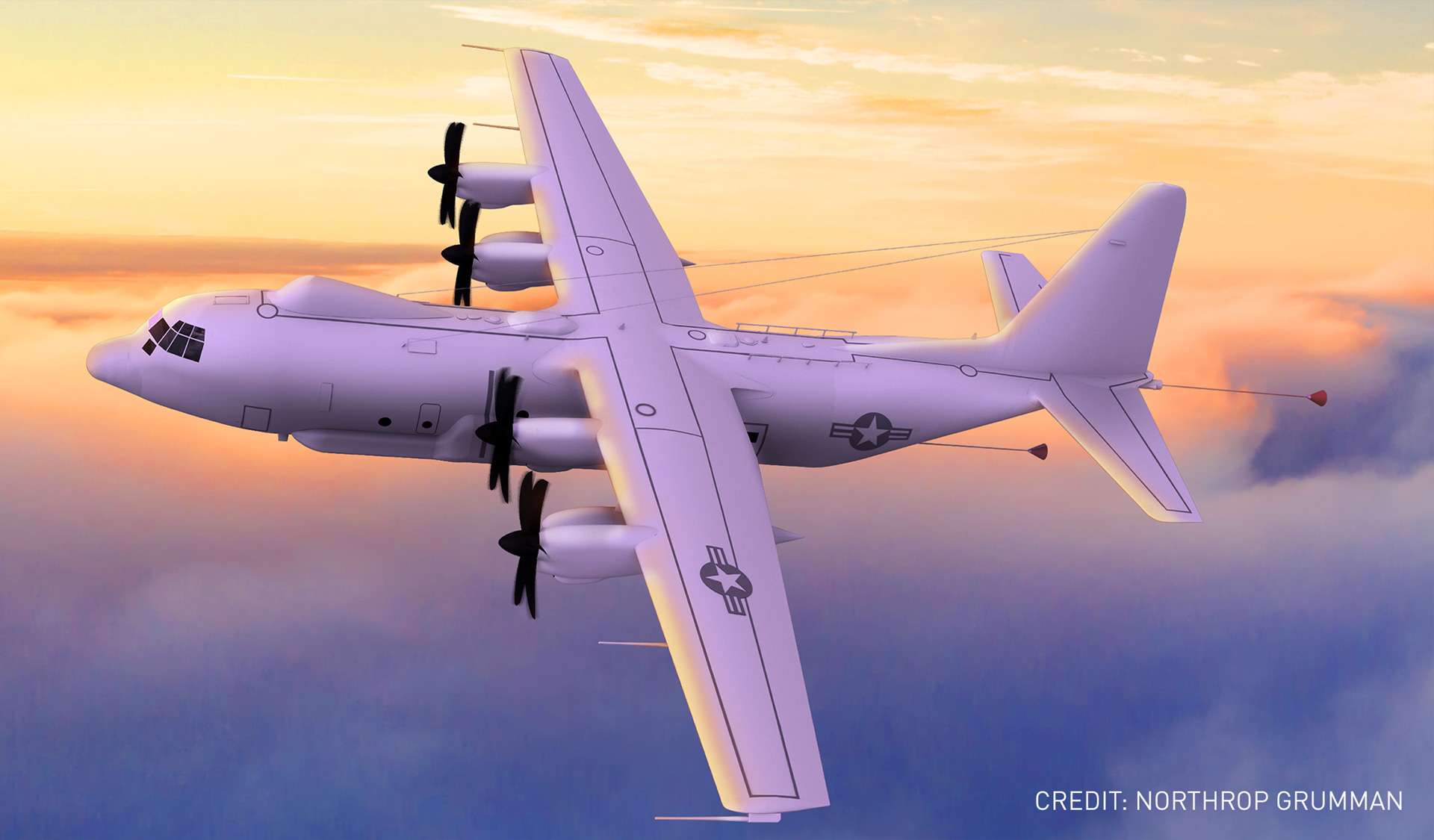
The U S Navy plans to acquire 31 E-130J Phoenix II aircraft to replace its fleet of 16 E-6B Mercury aircraft, nearly doubling the number of aircraft available for the service’s nuclear communications mission
The Navy’s E-130J Take Charge And Move Out (TACAMO) programme passed its preliminary design review last month and remains on its current acquisition baseline, according to a newly released Pentagon Selected Acquisition Report. The report also confirms, for the first time, that the programme of record calls for six developmental aircraft and 25 production aircraft
The planned fleet size was first Control and Communications (PMA-271), confirmed to Ais funded to procure 31 E-130J aircraft
The War Zonesubsequently reported the significance of the fleet increase, noting that 31 Phoenix IIs would almost double the number of aircraft currently configured for the TACAMO mission
The E-130J will take over the TACAMO role from the ageing E-6B Mercury, but the transition is about more than replacing an old aircraft. It is intended to preserve one of the US nuclear deterrent’s most important communications links
Why the E-6B is known as a ‘doomsday plane’
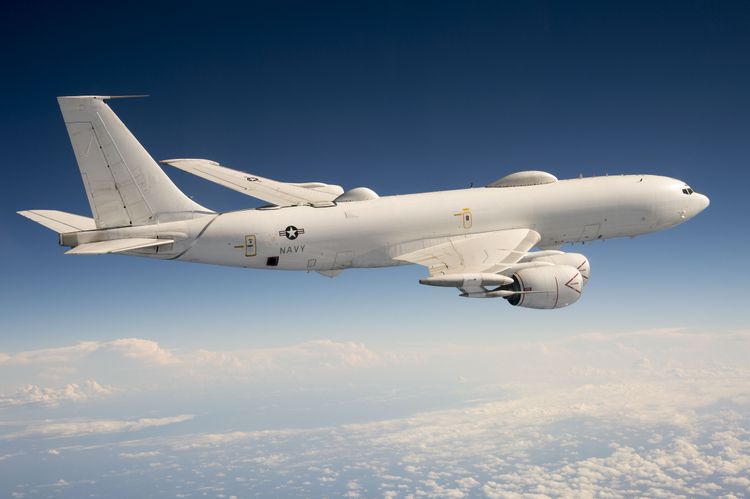
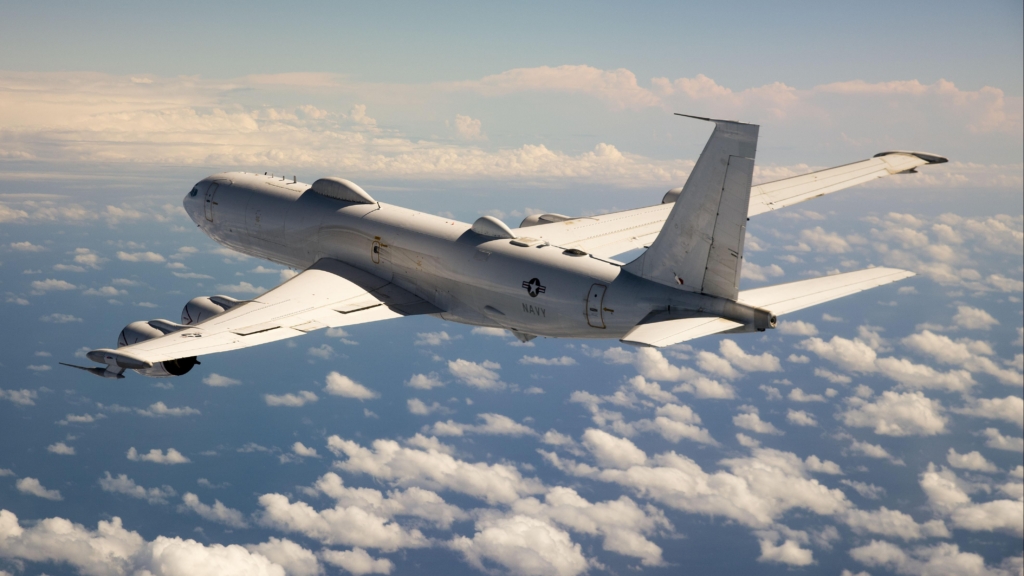
The E-6B Mercury is a communications relay and strategic airborne command post. The US Navy says it provides survivable, reliable and enduring airborne Nuclear Command, Control and Communications (NC3) for the president, secretary of defence and US Strategic Command
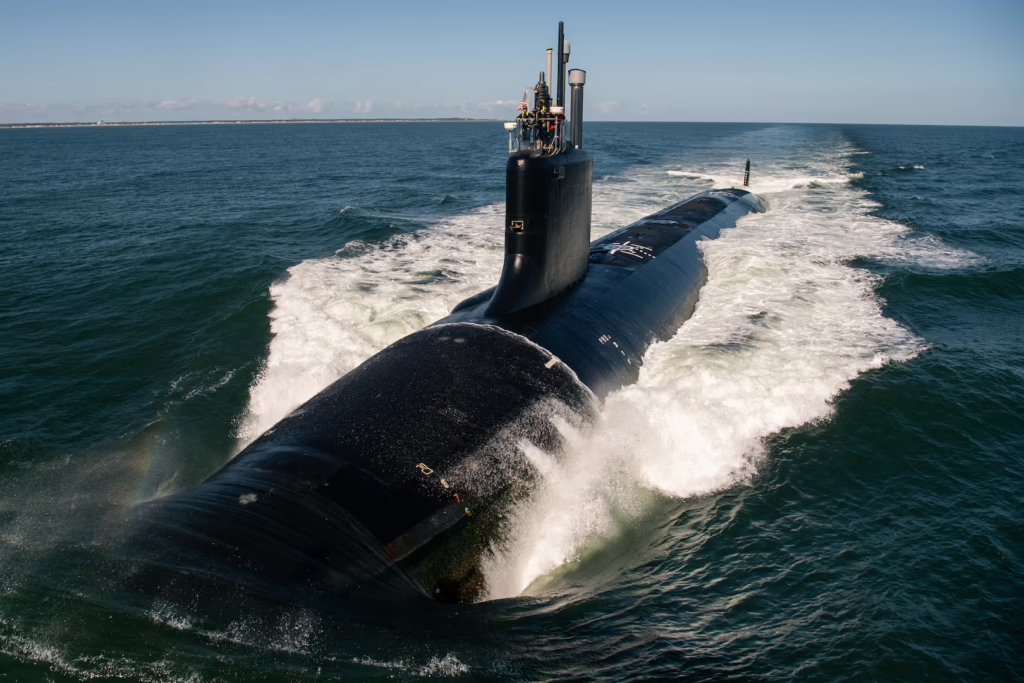
Its TACAMO mission provides a communications link between the National Command Authority and the US nuclear triad. That includes the ballistic missile submarines that form the sea-based leg of the triad. The E-6B carries a Very Low Frequency communications system with trailing wire antennas for this purpose
The aircraft is often referred to by the press as a “doomsday plane” because its purpose is to keep the US nuclear command-and-control network functioning in an extreme crisis, including when normal communications infrastructure on the ground is disrupted
In simple terms, the aircraft is part of the system that ensures the US president and senior military leadership can remain connected to strategic nuclear forces even if ground-based communications are unavailable. The E-6B can receive, relay and retransmit emergency action messages to US strategic forces. NAVAIR describes TACAMO as a “no-fail” mission
The “doomsday” label is therefore less about a particular aircraft specification than about the mission it performs. Any aircraft replacing the E-6B in this role is likely to inherit the nickname
Media reports have also associated the nickname with the aircraft’s ability to operate in extreme conditions and remain airborne during a major national emergency. However, the Navy’s official descriptions focus on the aircraft’s survivable, reliable and enduring nuclear command, control and communications role, rather than claims about specific levels of resistance to nuclear explosions or other catastrophic events
US Navy’s modernisation plans
The Navy’s wider modernisation programme includes new Columbia-class ballistic missile submarines, B-21 bombers and the Sentinel intercontinental ballistic missile, making assured command and communications a parallel requirement across the nuclear triad
The E-6B itself has two strategic roles. In addition to TACAMO, it performs the Air Force’s Looking Glass mission, which provides an airborne command capability for US Strategic Command and facilitates the launch of land-based intercontinental ballistic missiles using an airborne launch control system
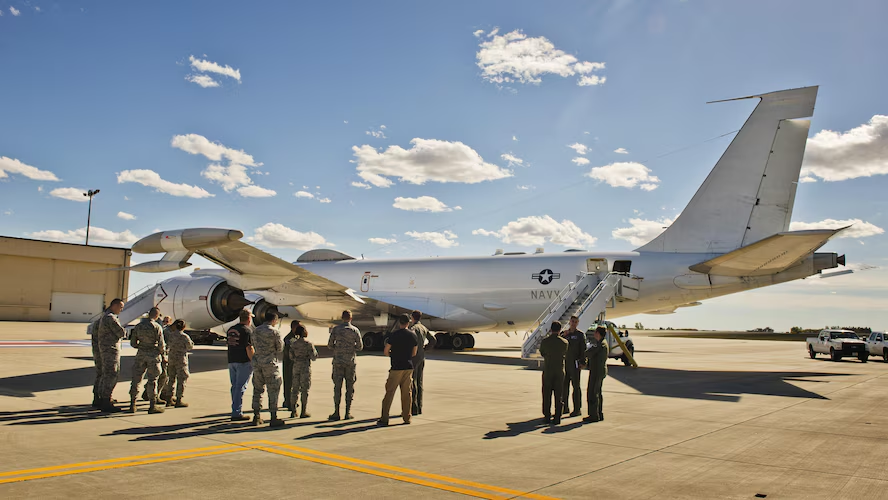
The E-130J is currently intended to take over TACAMO, while the Air Force is developing a separate Looking Glass-Next capability
From E-XX to E-130J Phoenix II
The E-130J aircraft was initially known as E-XX while the Navy worked through its formal designation
In October 2024, the placeholder name E-XX was officially replaced by E-130J. The Navy explained that the “E” denotes a special electronic installation, “130” reflects its C-130 origins, and “J” identifies the aircraft series from which the modified C-130J-30 Super Hercules will be derived
Theaircraft received its popular name, Phoenix II, in August 2025
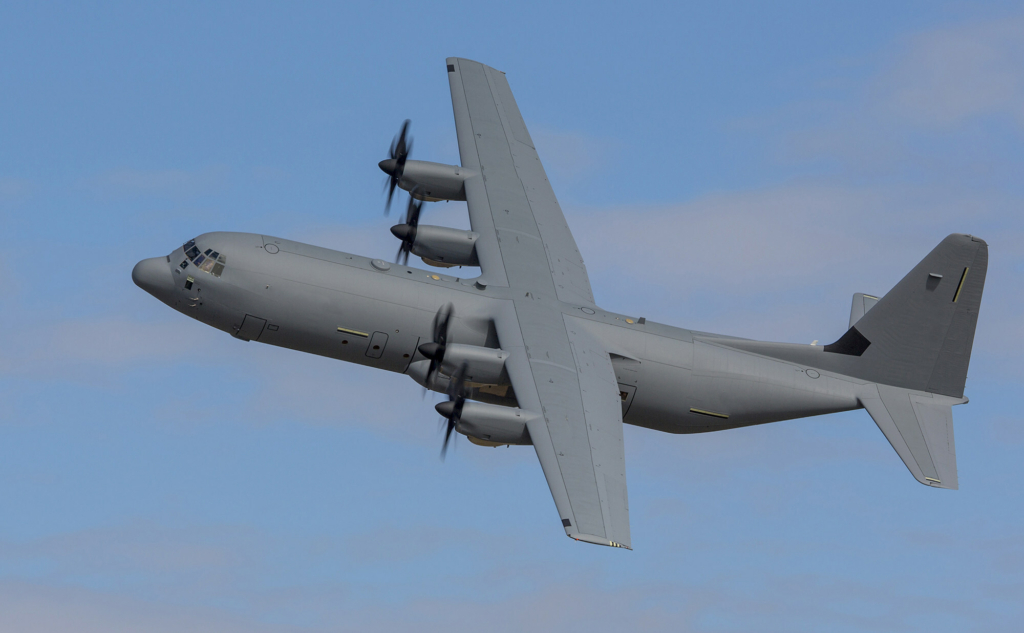
The name refers to the mythical phoenix, which is reborn from its own ashes. The Navy said the name represents immortality, resurrection and renewal, while also recognising that C-130 variants previously performed the TACAMO mission through the EC-130Q fleet from 1963 to 1993
The name also reflects the return to a C-130-based TACAMO platform after decades of operating the E-6
The Navy is moving from the Boeing 707 to the C-130J
The E-6A was derived from Boeing’s 707 and entered Navy service in 1989 to replace the EC-130Q in the TACAMO role. The E-6B was subsequently developed as a dual-mission aircraft, adding the equipment and battle staff positions needed for the Looking Glass mission. The Navy accepted its first E-6B in December 1997, and the fleet completed conversion to the E-6B configuration in 2003

The E-6B has now been in service for more than three decades. NAVAIR says it continues to meet mission requirements but is an ageing airframe that must eventually be replaced to maintain coverage
The Phoenix II will use a very different platform
Its mission equipment will be integrated into the Lockheed Martin C-130J-30 Super Hercules, a four-engine turboprop that remains in production and has a much broader support network than the long-out-of-production Boeing 707
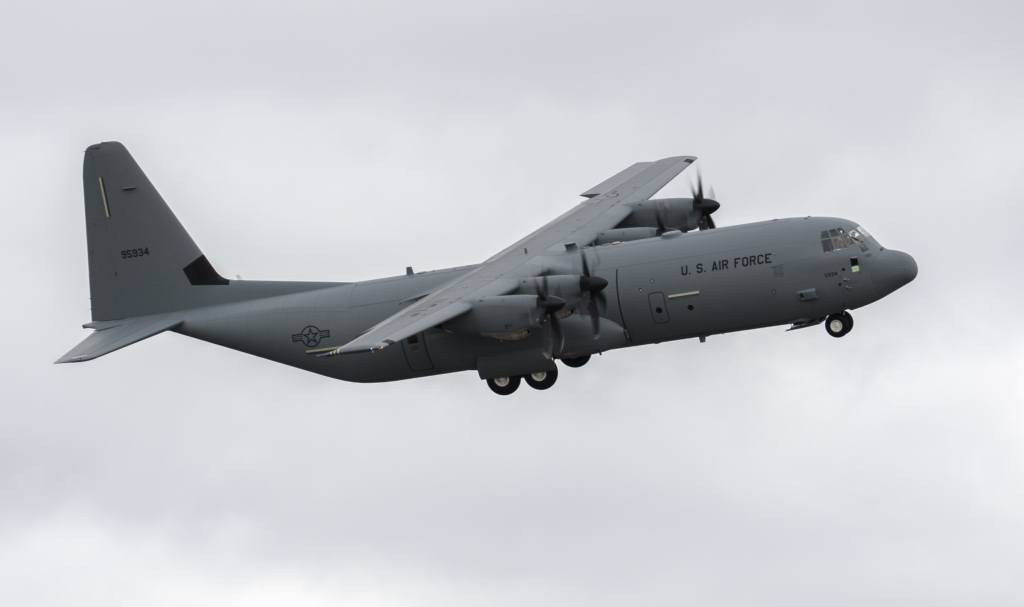
The change brings some operational advantages. As The War Zone has noted, a C-130J-30 can operate from a wider range of bases and airfields, including locations that are unsuitable for the much larger E-6B. That could give TACAMO crews more options for dispersing aircraft during a crisis
But putting the highly specialised TACAMO mission into the Hercules has also created technical challenges
Integrating the nuclear communications equipment remains a programme risk
The Pentagon report says the E-130J programme is “on track and executing to the APB [Acquisition Program Baseline].” An Integrated Baseline Review was completed in February 2026, while a preliminary design review for the first test-aircraft configuration was held on March 31-April 1
At the same time, the report identifies operational availability as a programme risk, with additional details classified. The concerns have also been highlighted by the Government Accountability Office (GAO), a Congressional watchdog
The GAO previously questioned whether the C-130J-30 would meet the required operational availability once the specialised mission equipment was integrated. Its latest assessment says contractors are modifying existing mission systems to reduce their weight so they can fit within the aircraft
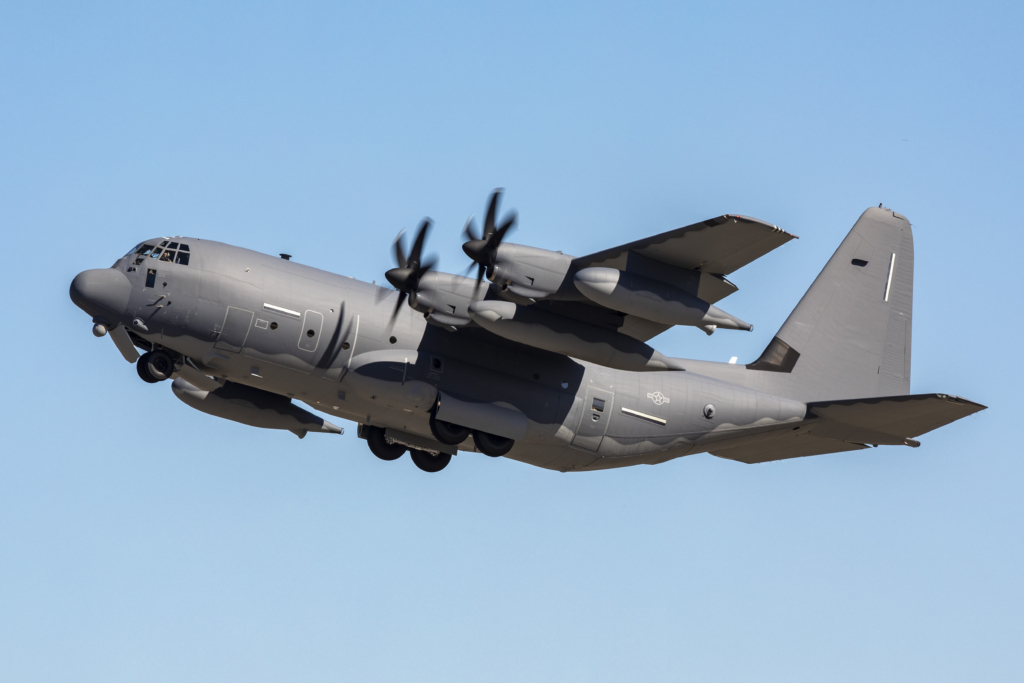
The War Zone quoted the GAO’s latest assessment, which said: “Since our 2024 report, the program has delayed its low-rate production decision by approximately a year as these system integration risks have morphed into realities.”
“The C-130J aircraft – selected 4 years before E-130J’s development start – may not meet operational availability requirements. The E-130J’s technical risk assessment highlighted the complexity associated with integrating E-130J systems onto this aircraft,” the GAO had warned in a report published in June 2025. “The Navy’s technical risk assessment team expects the integration risks to translate to manufacturing issues given the potential deviation from standard components and the security environment required.”
TWZ quoted the latest GAO report quoting programme officials said that “contractors are now focused on modifying already-existing mission systems to reduce their weight, which the independent assessment anticipated would be necessary to accommodate them on the C-130J-30 airframe.”
The July 2026 GAO report added that the Navy “acknowledges technical risk,” but also that the service had highlighted “risk reduction contracts with subcontractors to address obsolescence and size, weight, and power-cooling risks.”
The issue is particularly important because the E-130J is not simply carrying communications equipment. It needs a specialised system capable of maintaining communications with submerged submarines, including through its Very Low Frequency system and trailing antenna. It also requires protection against the effects of a nuclear environment. The War Zone reported that the new aircraft is expected to have a five-mile-class trailing antenna similar to the E-6B
Northrop Grumman is leading a $3.46 billion development effort
The Navy selected Northrop Grumman as prime contractor in December 2024under a $3.6 billion engineering and manufacturing development contract
The company is responsible for integrating the TACAMO mission systems into government-furnished C-130J-30 aircraft supplied by Lockheed Martin. The contract covers three Engineering Development Models, options for up to three System Demonstration Test Articles and up to six aircraft in the first production lot
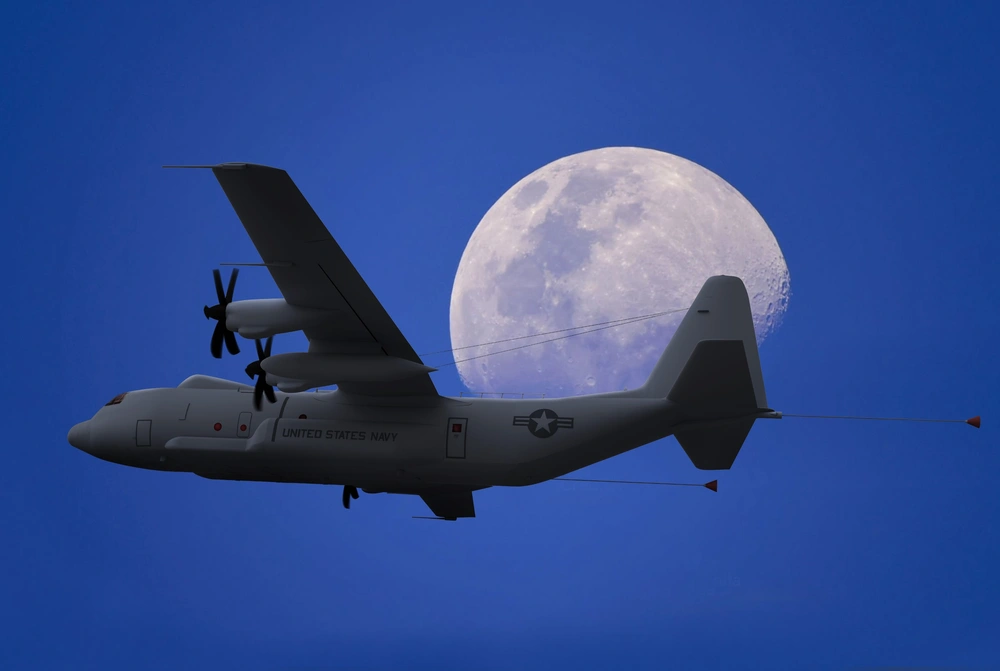
Northrop’s industry team includes Lockheed Martin Skunk Works, Raytheon Intelligence and Space, Crescent Systems and Long Wave. The company will provide the weapon-system integration required for the Phoenix II
Northrop is also continuing to modify and maintain the E-6B fleet at its Lake Charles, Louisiana, facility while the new aircraft is developed
The Pentagon estimates the average procurement unit cost for the 25 production E-130Js at about $360.9 million. When research and development costs are included across all 31 aircraft, the programme acquisition unit cost is about $732.8 million per aircraft
The Navy’s latest programme estimate puts total E-130J research, development, test and evaluation costs at around $10.6 billion, with a further $9 billion for procurement and $3 billion for military construction
Training work has already begun
The Navy is also developing the training infrastructure for the Phoenix II
In April, Lockheed Martin said it would provide training devices and services for the E-130J as part of Northrop Grumman’s industry team
In March, Northrop received a $225.1 million contract modification covering the design, development and delivery of training systems, training materials and courseware for the E-130J. The Navy initially obligated $54.9 million in fiscal 2026 research, development, test and evaluation funding
Lockheed Martin’s role is intended to draw on its experience as the C-130J manufacturer. The company says its training systems will allow Navy personnel to prepare for the aircraft’s avionics, communications and command-and-control systems before the Phoenix II enters operational service
E-6Bs will remain in service until Phoenix II takes over
The Navy is planning the transition carefully because it cannot afford a break in TACAMO coverage
NAVAIR says the E-130J will transition the airborne strategic NC3 capability from the E-6B “with no break in operational coverage.”
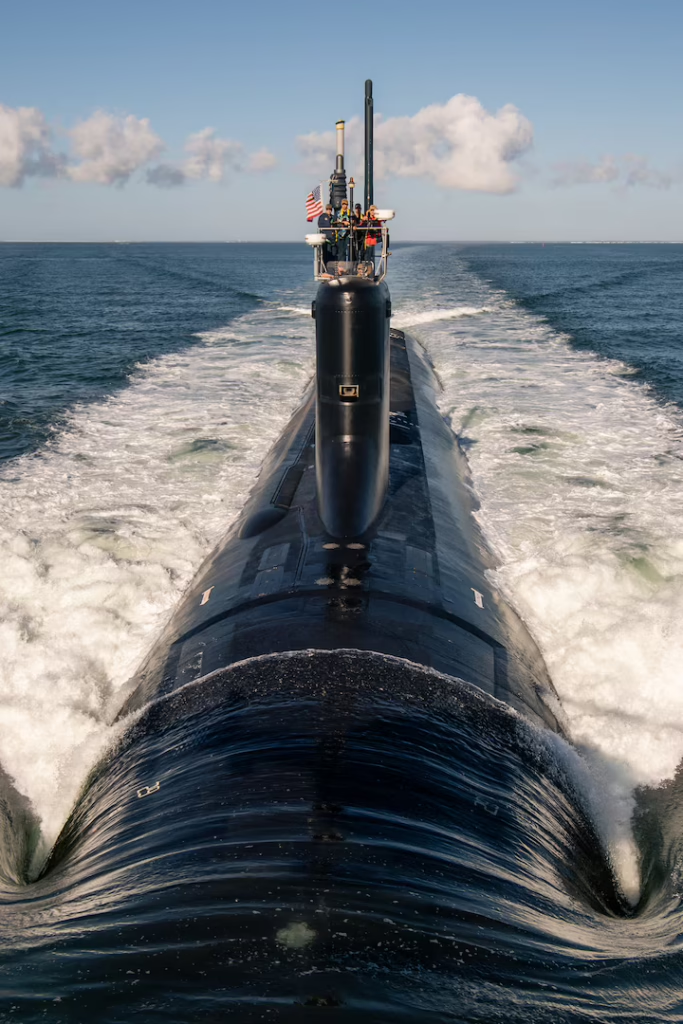
The Navy will therefore continue flying the E-6B while Phoenix II is developed, tested and introduced
The current schedule calls for the E-130J’s first flight in 2029, a Milestone C production decision in August 2029, and the start of initial operational test and evaluation in 2033
The War Zone reported that the Navy’s current plan is to phase out E-6Bs only as E-130Js enter service, ensuring the TACAMO mission remains covered during the transition
The result will be a substantial change to one of the least visible parts of the US nuclear deterrent
The Navy is moving from a fleet of ageing 707-derived aircraft to a larger fleet of C-130J-based platforms. The aircraft will be smaller and slower than the E-6B, but easier to support and potentially able to operate from a wider range of locations
News
DefenceDefence & SecurityMost ReadTrending ArticlesBoeing E-6B MercuryLockheed MartinLockheed Martin E-130J Phoenix IINorthrop GrummanNuclear Command Control and Communications (NC3)TACAMOUS Navy Defense Acquisition
Sign up for our newsletter and get our latest content in your
inbox.
1
Swarm Aero targets MQ-9 Reaper successor with mass-produced Group 5 drone Swarm Aero targets MQ-9 Reaper successor with mass-produced Group 5…
Swarm Aero
August 11, 2026
2
Eclipse flights: Airlines offer front-row seats to solar spectacle Eclipse flights: Airlines offer front-row seats to solar spectacle
Solar Eclipse
August 10, 2026
3
Archer to acquire Wisk, Insitu and SkyGrid as Boeing takes 19.75% stakeArcher to acquire Wisk, Insitu and SkyGrid as Boeing takes…
Archer Aviation
August 10, 2026
4
Emirates turns Airbus A380 and Boeing 777 parts into giant Arsenal crest Emirates turns Airbus A380 and Boeing 777 parts into giant…
Emirates
August 10, 2026
Related Topics
More from
Vertical Aerospace secures $100m financing commitments to advance Valo towards certification Vertical Aerospace secures $100m financing commitments to advance Valo towards certification
August 11, 2026
Eclipse flights: Airlines offer front-row seats to solar spectacleEclipse flights: Airlines offer front-row seats to solar spectacle
August 10, 2026
Archer to acquire Wisk, Insitu and SkyGrid as Boeing takes 19.75% stakeArcher to acquire Wisk, Insitu and SkyGrid as Boeing takes 19.75% stake
August 10, 2026
Emirates turns Airbus A380 and Boeing 777 parts into giant Arsenal crestEmirates turns Airbus A380 and Boeing 777 parts into giant Arsenal crest
August 10, 2026
Swarm Aero targets MQ-9 Reaper successor with mass-produced Group 5 droneSwarm Aero targets MQ-9 Reaper successor with mass-produced Group 5 drone
August 11, 2026
Vertical Aerospace secures $100m financing commitments to advance Valo towards certificationVertical Aerospace secures $100m financing commitments to advance Valo towards certification
August 11, 2026
Archer to acquire Wisk, Insitu and SkyGrid as Boeing takes 19.75% stakeArcher to acquire Wisk, Insitu and SkyGrid as Boeing takes 19.75% stake
August 10, 2026
Starship survived the flight. Now SpaceX has another problem: getting it home Starship survived the flight. Now SpaceX has another problem: getting it home
August 10, 2026
Swarm Aero targets MQ-9 Reaper successor with mass-produced Group 5 droneSwarm Aero targets MQ-9 Reaper successor with mass-produced Group 5 drone
August 11, 2026
Archer to acquire Wisk, Insitu and SkyGrid as Boeing takes 19.75% stakeArcher to acquire Wisk, Insitu and SkyGrid as Boeing takes 19.75% stake
August 10, 2026
US Air Force says B-21 Raider remains on track for 2027 service entry US Air Force says B-21 Raider remains on track for 2027 service entry
August 10, 2026
Ukraine moves towards anti-ballistic missile capabilities as Freyja takes shape Ukraine moves towards anti-ballistic missile capabilities as Freyja takes shape
August 7, 2026
Vertical Aerospace secures $100m financing commitments to advance Valo towards certificationVertical Aerospace secures $100m financing commitments to advance Valo towards certification
August 11, 2026
eSAF could solve aviation’s fuel problem. So why is almost nobody making it? eSAF could solve aviation’s fuel problem. So why is almost nobody making it?
August 7, 2026
Why is sustainable aviation fuel so scarce and expensive?Why is sustainable aviation fuel so scarce and expensive?
August 1, 2026
Amsterdam Schiphol champions airport quality as it reveals €801 million investment Amsterdam Schiphol champions airport quality as it reveals €801 million investment
July 29, 2026
