

Welcome toOpen Tab, a weekly roundup of the news, gossip, and stories that have stayed open in my tabs all week. Last time we coveredAmerica‘s food safety flop era
Welcome, my friends, to the dog days of summer. We lean into these weeks of no-cook dinners, of thick slices of tomatoes so juicy it’s a risk to eat them wearing a white shirt, of texting your friends at 4 p.m. to set up a drink somewhere outdoors in the shade. I have done all of these things in the past ten days and I think you should as well
Advertisement
But even as we slide through a languorous August, the food news doesn’t slow!
This week, U.K.-based food magazine Vittles published a story on tablescaping influencers, but things went awry when they promoted the story on Instagram. The influencers (and many other commenters, to be fair) rose up in protest in the comments, upset at Vittles’ dismissive tone towards tablescaping gurus, none of whom, it seems, the writer interviewed for the piece. It’s so easy to smirk haughtily at a lot of what food people do—it’s just dinner, it’s just a drink, it’s just a fancy napkin—but those things can mean a great deal to many people. They’re silly and massively important. That’s part of the magic!
A new candy line, Hallpass, launched Monday, and its packaging was called out for misspellings on its packaging visible in promotional photos, suggesting the shots were AI generated. Co-founder Michael Tierney told Business Insider they were intentional. “We left them there for a little bit of internet rage bait,” he said. Coincidentally, that is also how I respond to my editors any time I make a mistake
Also in this week’s Open Tab: The strange tale of bear butchery at Cornell, Parma, Italy is hit by extreme heat, more bad food safety news gang, and the girl scouts fighting for fair pay
The right to bear arms
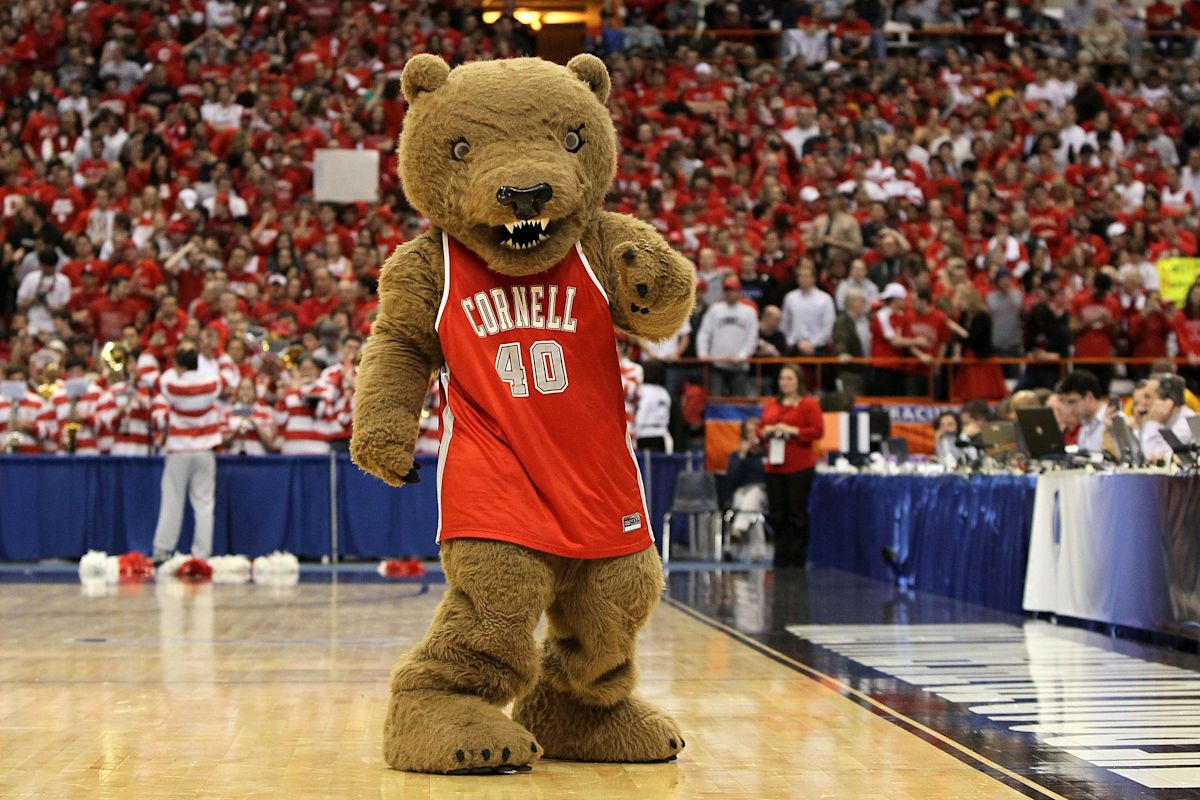
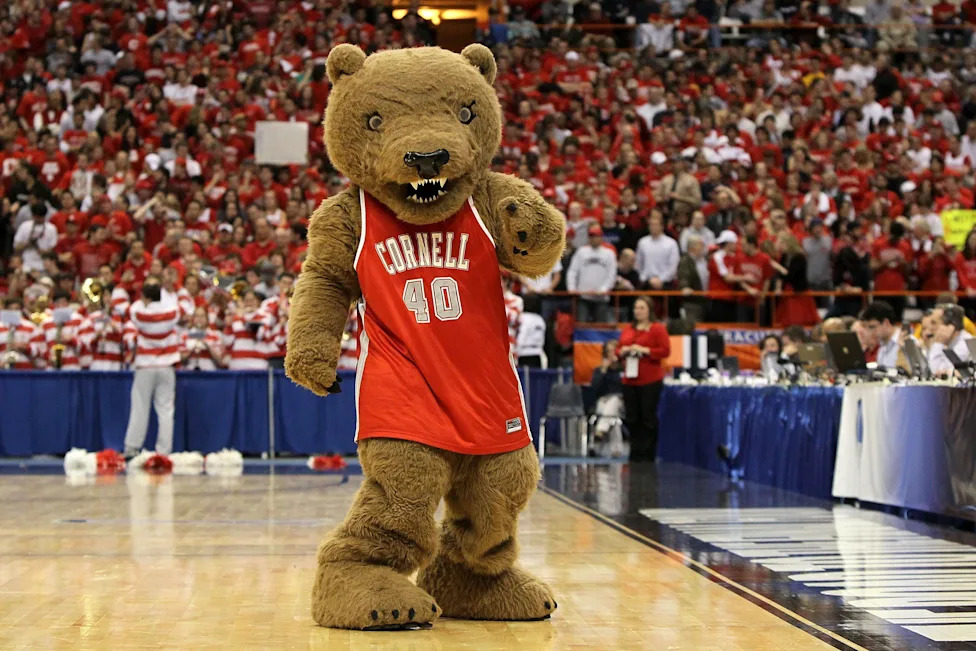
A couple weeks ago Cornell University put a new rule into the student handbook: students were explicitly banned from processing wild animals in communal kitchens on campus. If that feels oddly specific, you need to hear the lore
Advertisement
Last year, two students hunted a bear, brought it back to a Cornell dorm’s shared kitchen, and processed it while apparently, other students studied nearby. The University hasn’t named the students, but Aaron Chin took credit for the deed. He planned to make bear pastrami with the meat, which he labeled and stored in the shared freezer. Technically, Chin and his friend didn’t break any rules: he had a hunting license, he hunted the bear during bear season, and, until now, the university didn’t forbid this kind of thing. Still, if I was cramming for a midterm and someone was butchering a bear next to me, I would be irked.
Parma’s heating up
Reuters reports that the heatwaves spreading across Europe are now threatening Parmigiano-Reggiano craftspeople in Parma. Storage facilities for the famed cheese have had to upgrade cooling systems and insulation, pushing energy consumption up by 30%. (These centralized storage facilities are integral to the local economy, housing about 500,000 wheels of cheese—.) The extreme heat affects the quality of the milk used to make the cheese, the wellbeing of the cows, and their feed, which could seriously impact the $5.15 billion industry. Last week, Bon Appétit reported on similar climate concerns affecting France’s Bordeaux region, where wildfires threaten the storied vineyards.
More bad food safety news
The Taylor Farms-Cyclospora news cycle continues: While the world focused on Taco Bell’s Taylor Farms lettuce as the originator of this summer’s cyclospora crisis, a new report from the Centers for Disease Control and the Food and Drug Administration reveals that Taco Bell’s parent company only received less than 2.5% of the affected produce, as reported by Ars Technica. Most of it, about 46%, went to Walmart’s Marketside brand. The news is likely vindicating for the many Taco Bell loyalists who stuck with the chain, even as the CDC specifically advised against eating its iceberg lettuce in mid-July. But it’s not just the lettuce: Taylor Farms is also recalling its salmonella-tainted jalapeños used in prepared foods across the country, at retailers like Kroger, Target, and Whole Foods, according to the New York Times.
If you were worried about our country’s legacy of labor organizing (and, to be fair, you would have reason to be), I’ve got some good news. A group of tweenage Girl Scouts is coming together to demand fair pay for their yearly cookie selling. The kids, in fact, are alright
Advertisement
A new documentary, Cookie Queens, follows a group of scouts during the height of high-pressure cookies season. One of the protagonists, Olive, a top seller, has taken on the issue of fair compensation. “When you think about Girl Scouts not getting enough money per box, it is a political issue,” she says. Read the rest of the story here
Originally Appeared on Bon Appétit
