

Health Secretary Robert. F. Kennedy Jr.’s call for Americans to “eat real food” to combat chronic illness is being tested by a parasite that’s driving consumers away from fresh produce
The spread of cyclospora, a parasite that can cause explosive diarrhea, is prompting people to reconsider their fresh food choices just as Kennedy launches a cooking show that he says is “intended to show families how to cook delicious, nutritious meals with real ingredients at affordable prices.”
The Centers for Disease Control and Preventionsuspects that more than 20,000 Americans have been sickened by cyclospora. Alongside other outbreaks that have emerged in recent months, the trend is raising concerns that foodborne illnesses — and the government’s failure to prevent them — could undermine Department of Health and Human Services efforts to Make America Healthy Again
Advertisement
“HHS is simultaneously telling Americans to eat more fresh produce and warning that eating the wrong fresh produce — without being able to tell people which — puts them at risk of severe, prolonged diarrhea,” Jerome Adams, who served as surgeon general during President Donald Trump’s first term, said in an email. “That mixed message is not abstract. It is scaring people away from salads and other fresh foods right now — the exact opposite of the ‘eat real food’ goal.”
Kennedy’s campaign has focused on “real food” — animal protein, fresh produce and whole grains — as the primary weapon against chronic disease, putting little emphasis onto the need to ensure that those foods are safe to consume
The record number of cyclospora cases in the current season — more than doubling the previous record — has led some health experts and consumers to question whether federal cuts to staffing, surveillance and funding for states may be to blame. It’s also revived long-running concerns across several administrations about the federal government’s failure to finalize new food safety measures
“It’s pretty hard to tell people to eat real food if that food is contaminated with pathogens,” said Marion Nestle, a professor of food and nutrition at New York University who has supported parts of the MAHA agenda
Advertisement
Kennedy, who oversees the Food and Drug Administration and the CDC, has defended his agencies’ handling of the outbreak
“We do have the outbreak under control,” Kennedy said during a press conference on July 21. “We’ve identified the implemented a recall.”
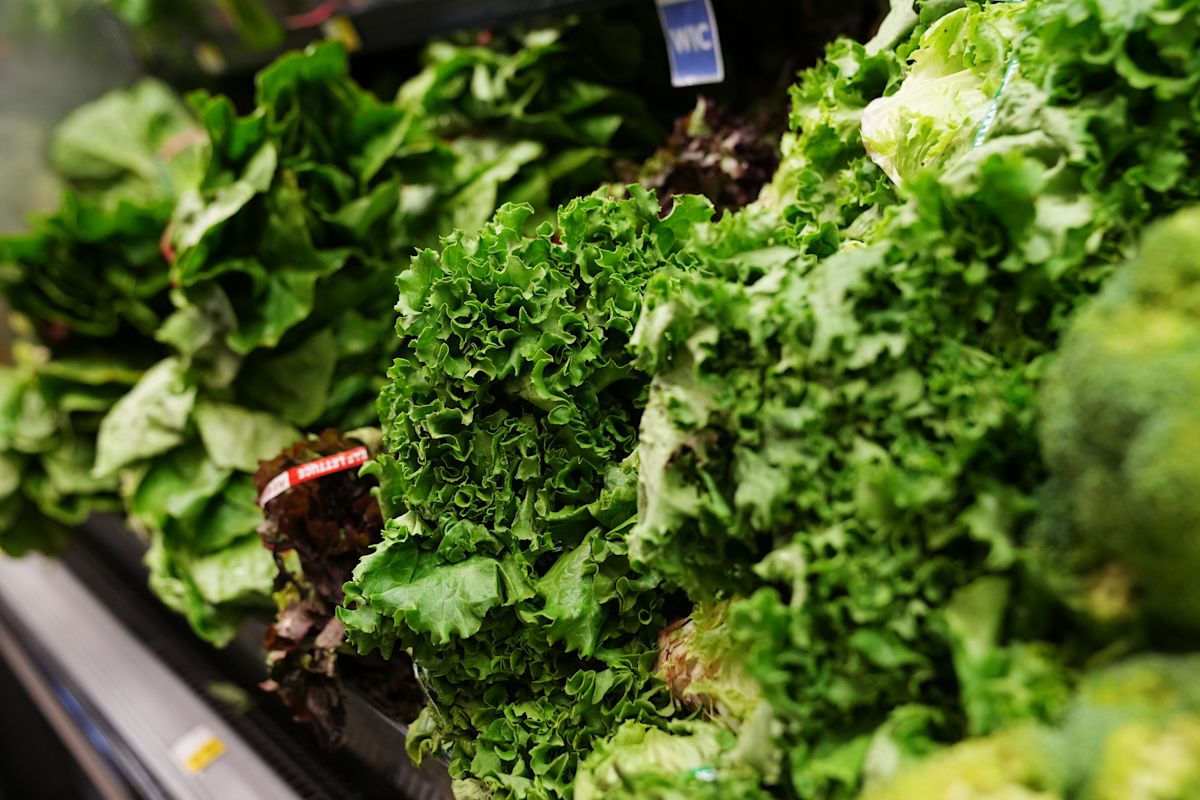
The FDA’s investigation has pointed to iceberg lettuce imported from central Mexico by U.S. produce giant Taylor Farms, linking the product to more than 6,000 illnesses across 15 states. It’s unlikely that Taylor’s imports are the solecross the U.S. Two people have died in the outbreak, according to Michigan’s Department of Health and Human Services
Kennedy’s department has devoted little public messaging time or attention to foodborne illnesses, including cyclospora, having held just one press call on the outbreak season that began May 1. But foodborne illnesses arising from the types of foods Kennedy champions have stricken hundreds of people this summer beyond the record-breaking cyclospora outbreak
Advertisement
About 19 million eggs were recalled after the FDA found a potential link to salmonella that sickened nearly 100 people. Salmonella linked to jalapeños in 27 states has hit more than 300 people. A dozen people also fell ill from a separate multistate outbreak linking an E. coli to frozen blueberries. And listeria linked to soft cheese sickened another dozen, and killed one person, according to the CDC. All of that happened in the past two months
“If we have outbreaks like this one and then a few months later, it’s another one, that totally undermines the message,” said Sandra Eskin, a Biden administration food safety official who is now CEO of the advocacy group Stop Foodborne Illness
Frank Yiannas, the FDA’s top food safety official during Trump’s first term, criticized a “lack of clear, timely communication about which products were implicated, which were not, and what actions consumers could take to protect themselves” from cyclospora. That created a vacuum where misinformation and fear led to “reduced consumer confidence in the very foods we want people to eat more of — fresh fruits and vegetables,” he wrote in a text message
A CBS poll last month found that nearly half of respondents say they have “not much” or no confidence in Kennedy’s FDA to handle the outbreak
Advertisement
An HHS spokesperson defended the agency’s response, saying CDC and FDA have “communicated actively throughout this investigation.”
“That outreach has included official social media updates, continuously updated outbreak webpages, and ongoing engagement with the news media,” Hilliard said in a statement
“Consumers have been advised to avoid implicated products, monitor the latest outbreak information, and contact a healthcare provider if they develop symptoms consistent with Cyclospora infection,” Hilliard wrote
The CDC’s website advises consumers to wash fresh produce under running water and notes that cooking can kill the parasite. However, the agency has addressed the outbreak on its X account just twice, though it did issue an alert to health care providers about the outbreak
Advertisement
Asked about cyclospora and the administration’s real food push, White House adviser Calley Means — a leader in the administration’s healthy food agenda — declined to comment
“I don’t have a comment on cyclospora,” Means said. “I don’t want to get into it.”
While foodborne illness outbreaks occur in every administration, the scale of this one is raising concerns about long-lasting impacts on public health. And in Michigan, early indicators suggest the outbreak is slowing down. But history suggests that consumers’ suspicion could last far longer than the actual threat
After recent salmonella illnesses were linked to onions, purchases fell well beyond what the recall would indicate. Chipotle sales sagged for months after an E. coli outbreak linked to the fast casual chain sickened hundreds of customers. And cyclospora comes at a time when trust in the safety of the food supply is at an all-time low, according to a survey from the International Food Information Council, a nonprofit research group that receives food industry funding
Advertisement
A recent poll found that more than 40 percent of consumers say they’re buying and eating less produce because of the outbreak. Joelle Mosso, associate vice president for science programs at the Western Growers Association, said that retailers have already cut back their orders in anticipation of falling consumer demand, and she worries that the distrust will have lasting impacts
“If you don’t holistically look at the entire supply chain and how you need to manage the risks to the consumers, the consumer is going to have this very conflicting message: Eat more of the thing we’re now being told not to eat,” Mosso said. “And that goes far beyond this outbreak.”
Public health experts said that it is impossible to separate food safety and nutrition policy — and that the cyclospora outbreak is just one example of their interdependence. But funding for food safety and surveillance has been lackluster for years
The White House fiscal 2027 budget request calls for a slight decrease in funding for the FDA, which regulates roughly 80 percent of the food supply. And the Trump administration delayed for a second time the Food Traceability Rule, a regulation that’s meant to make it easier to find the
Advertisement
Last year, the Trump administration also canceled and then partially restored billions of dollars worth of FDA and CDC grants to fund state food safety inspections and surveillance programs. Though some of the money returned, the upheaval caused states to scramble to maintain food safety programs and created staffing uncertainty
The administration scaled back the joint federal-state Foodborne Diseases Active Surveillance Network, or FoodNet, making it optional to track several microbes including cyclospora. The system helps researchers understand trends in foodborne illness over time, but the change is unlikely to have had an outsize impact on the CDC’s response
Since the outbreak began, the Trump administration has faced criticism from congressional Democrats for its changes to the network. But the CDC has reiterated that it still tracks the parasite. Early last month, the CDC requested that states begin sharing cyclosporiasis cases with the agency weekly, instead of monthly
Other cuts made under the Trump administration — including those led by the Department of Government Efficiency — could be having a more direct effect
Advertisement
Daniel Jernigan, who led the CDC’s National Center for Emerging and Zoonotic Infectious Diseases until he resigned last summer, pointed to funding the agency was receiving for malaria work through the United States Agency for International Development as one example
When that funding was cut last year, the CDC had to shift its funds for parasitic disease work to continue the malaria work, meaning less re
“It’s not like the government said we’re going to stop parasitic disease work. It’s just the secondary impacts of all of those other changes that led to fewer people that can do those responses,” Jernigan said
A swath of career media officers were also pushed out during last year’s DOGE-led overhaul of the agency, including officials responsible for communicating the federal government’s response to foodborne illnesses
Advertisement
Kennedy has pushed back against criticism that the Trump administration’s staffing and funding cuts have hurt the federal government’s response, calling it “invalid.”
On a recent USDA social media post touting the administration’s work on “real food,” users replied expressing confusion about how to stay safe from the parasite
“Still [crickets emojis] for how Americans can navigate the cyclospora outbreak?????” asked one commenter
