

What will everyday life look like 10 years from now? How might emerging technologies, environmental changes, or social trends reshape the way people live, work, and interact? And what new challenges will those changes create?
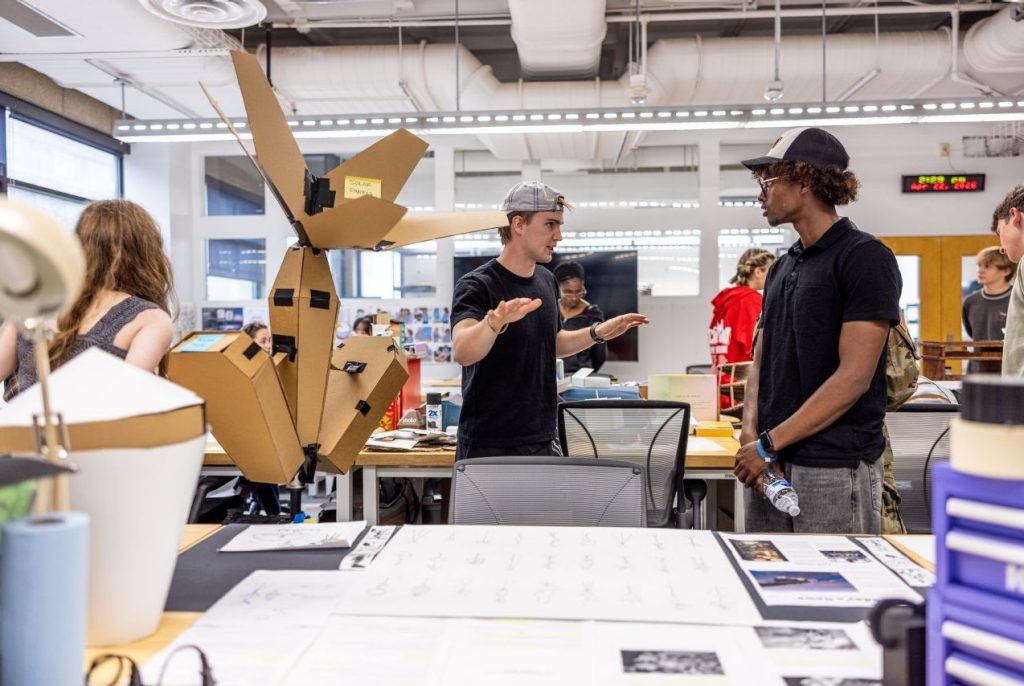
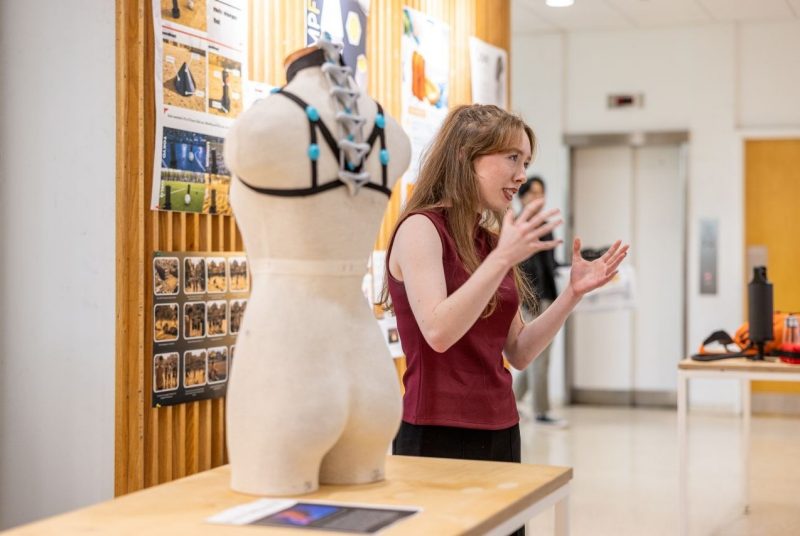
Those are the questions industrial design students in the College of Architecture, Arts, and Design explored through a speculative design project completed during the spring semester. Unlike traditional product design, which focuses on solving existing problems, speculative design asks students to look ahead by using research to imagine plausible futures and identify problems that do not yet exist
“Speculative design is actually a type of research design. It’s design through research, speculating on a future — speculating on a different world, a parallel universe,” said Ben Kirkland, collegiate assistant professor in the School of Design. “We are often trying to project into the future through design. We’re trying to look at current problems and projecting future solutions to those.”
The process begins with current events, scientific research, and emerging trends. Students examine signals of change and project them forward, creating future worlds that feel believable and imagining future challenges they can begin developing solutions for today
Along the way, students gain far more than a vision of what might be next for humanity. They practice the same skills used by professional designers in a studio experience that blends creativity with critical thinking, preparing them to navigate an increasingly complex world and help shape a better one
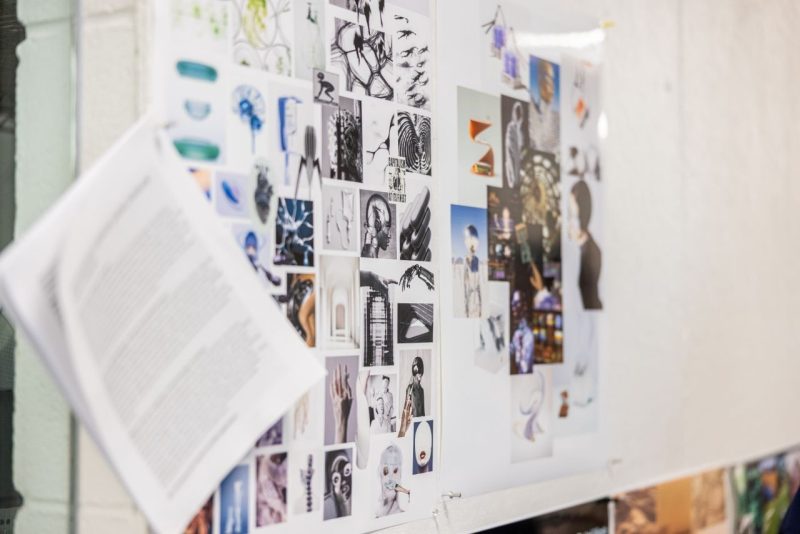
“I wanted students to see that a speculative research method is viable as part of their understanding. I wanted them to see that you don’t have to do it to create the fanciful. Of course you can, but there are real world solutions to this. The future is likely going to be quite mundane. It’s also going to be grimy and dirty. Humans are still going to have all the same problems that they have right now, just in a different environment. So if you can temper the ‘blue sky’ idea down to some kind of sense of the human and the reality that humans will still have problems, then the future doesn’t seem so bleak. It’s just another area to look through.” — Ben Kirkland
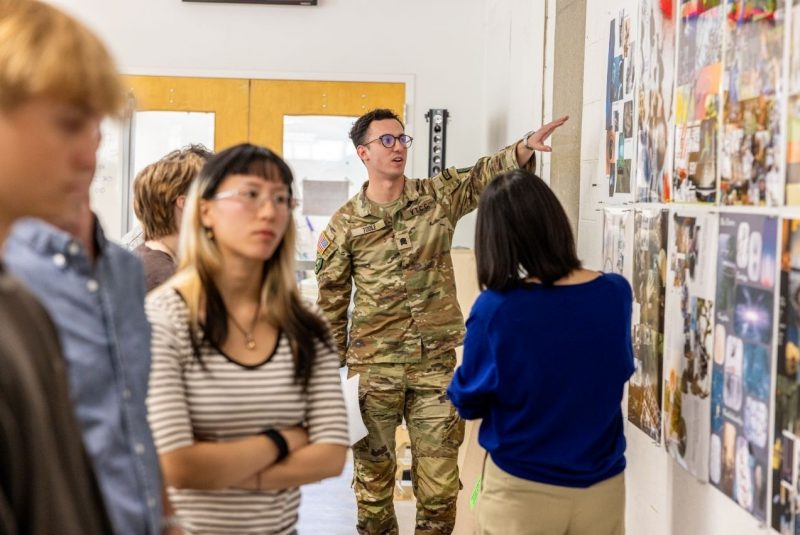
“From the research I’ve done thus far, it’s definitely made me curious about considering where my designs fit into the future. One source characterized speculative designers as ‘archaeologists of the future,’ wherein they design a product and its use case and value proposition can depict how the world operates around it. Design is an ever-advancing industry. Every design that solves a problem subsequently creates a new one. Thus, being able to predict these problems years in advance is crucial.” – Design student Roan Toole
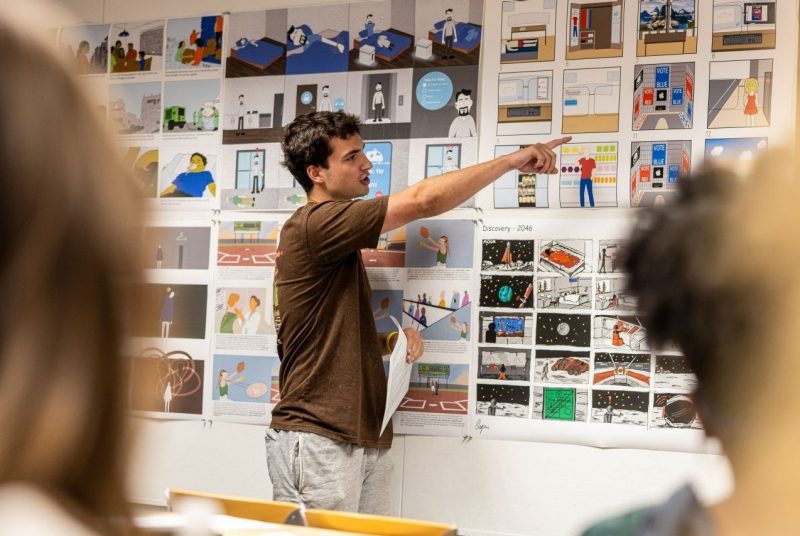
“We’re going to have some storytelling workshops on how to tell a good story. And they will have to create a day in the life of a person living in this world. And they have to ask, ‘What’s that everyday life?’ Maybe they happen to walk their dog. All right, that’s a normal human task, and in 10 years, that seems like something we would still be doing, but what’s changed? And can we see through that story? And through that story, maybe we find a problem. And then once you find that problem, then you can solve it.” – Ben Kirkland
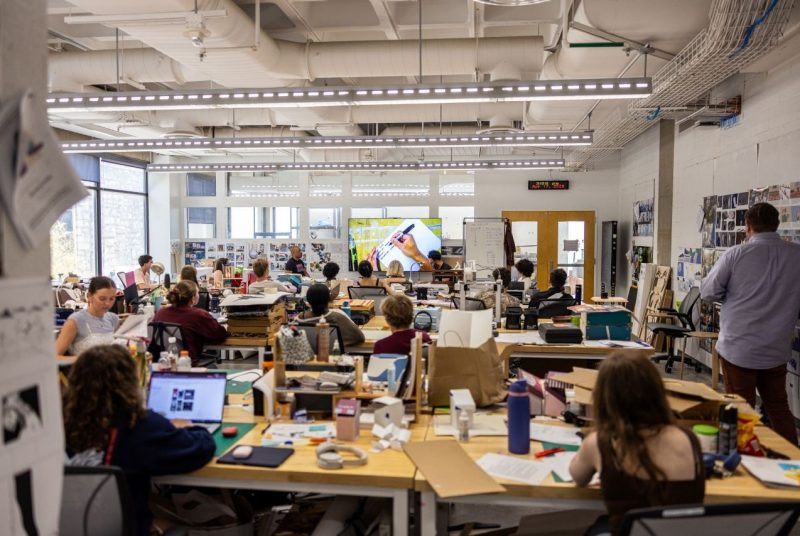
“We have a partnership with a company down in North Carolina that is using speculative design to help a client project 10 years into the future and that’s pretty exciting. They will be mentoring our students, who will be getting some experience with practicing designers using this research method in industry. So speculative as this may be and as futuristic as it may be, there’s a real world application. This is something that is being done around the world.” – Ben Kirkland
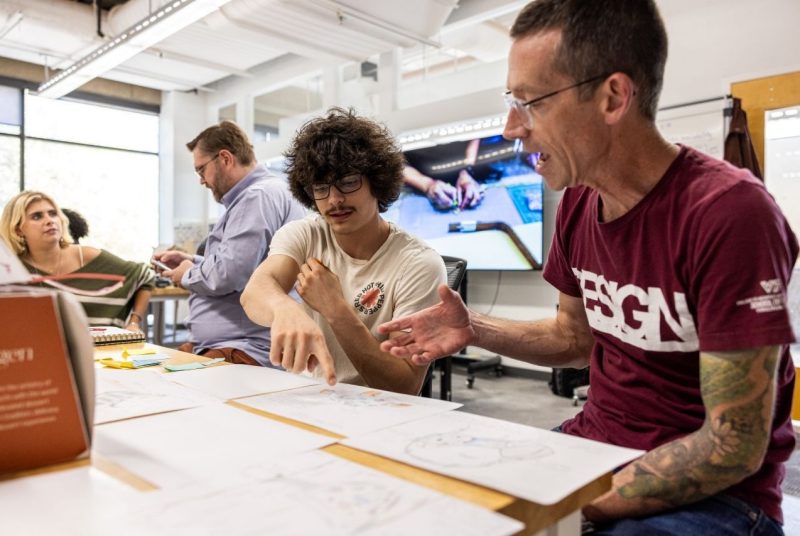
“Some of this is just guiding them through the speculative process. They haven’t been exposed to it in this way before. And I found that the first two to three weeks, students need a little hand holding and one-on-one guidance. And sometimes, it’s just reassurance. The students are finding their own path, but we’re keeping them out of the ditch in some ways, and we try to stay out of their way unless we see a major issue. ‘Hey, you’re not speculating far enough; this already exists. Cars already exist, but what’s the future car going to look like?’ Let’s push that boundary even further.” – Ben Kirkland
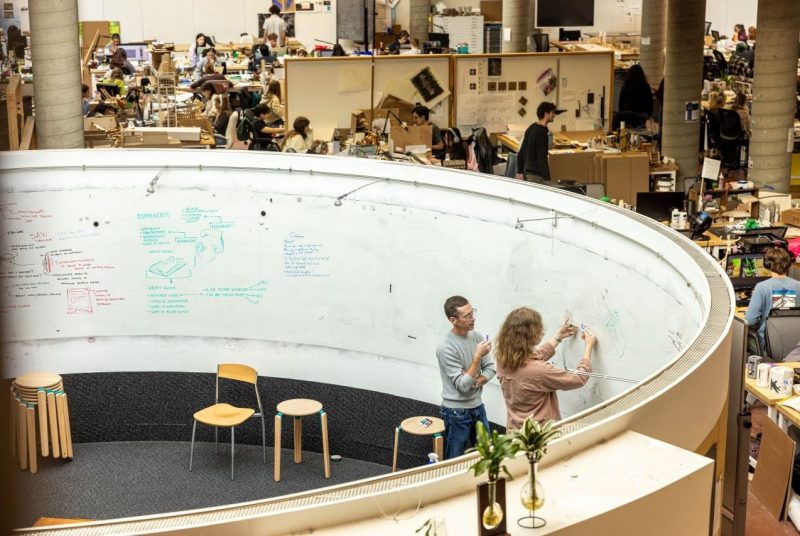
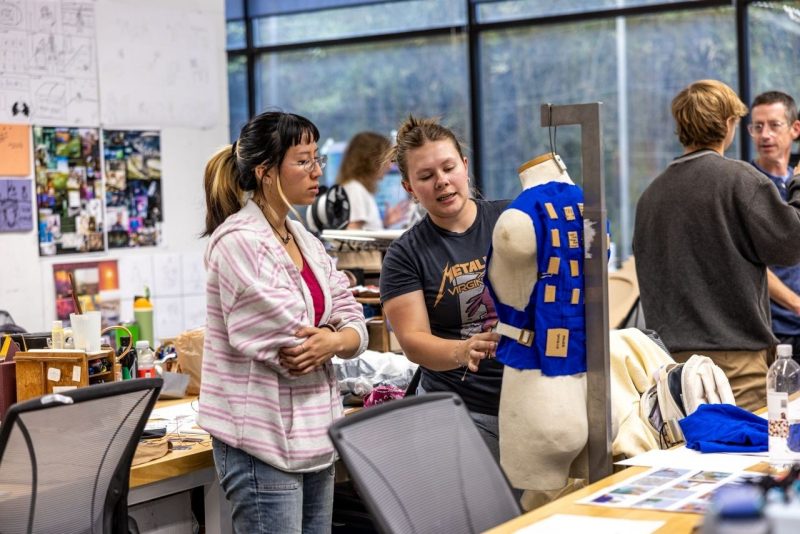
“They critique each other throughout the year. I think peer review is important. It’s one thing to hear from me. It’s another one to hear from you. Right? It’s good to have outside guests. It’s good to have peers — that’s dope. And I can be like, ‘Why? Why do you think that is?’ And then they can hear good feedback from their peers. We’re used to doing it anyway, so it’s not out of the norm.” – Ben Kirkland
“You know, 15, 20 years ago — we’ll say 20 years ago — we didn’t realize the iPhone would be so powerful. When the iPhone came out, it was magical. Now we’re like, ‘Yeah, it’s just a touchscreen. What are you talking about?’ But telling that story as if it’s a normal, everyday thing can be a really powerful way to immerse ourselves as beings from the past to understand this future game,” – Ben Kirkland
Contact:
540-231-4160
