

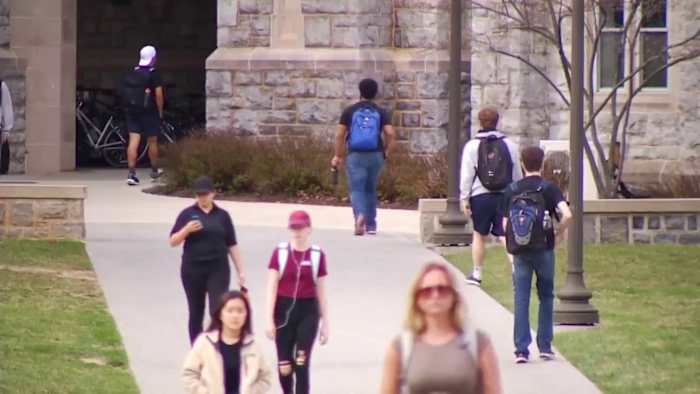
Back-to-school budgeting: Virginia Tech finance professor shares tips for college students
College expenses can quickly add up. Here’s how students can build a realistic budget and prepare for unexpected costs
Monica Johnson, Weekend Anchor / Community Journalist
Published: August 14, 2026 at 10:26 PM
As college students head back to campus, tuition and textbooks aren’t the only expenses they need to plan for
Food, rent, transportation, entertainment and unexpected costs can quickly add up, especially for students living on their own for the first time
Jesse Lineberry, an assistant professor of practice in Virginia Tech’s Pamplin College of Business and director of the university’s Financial Planning Program, teaches students about personal finance and financial planning
He said one of the biggest challenges for students is recognizing expenses they may not have considered before arriving on campus
“I think for that student that’s just showing up for campus, it’s probably being aware of all the additional costs that you maybe hadn’t considered,” Lineberry said
Those costs can include student fees, textbooks, course materials, food and Greek life, Lineberry said. Students living off campus may also have to budget for groceries, coffee, eating out, travel and other day-to-day expenses
Food can be a particularly significant expense. Lineberry referenced studies from the College Board and SoFi indicating that college students spend around 30% of their income on food
For students with meal plans, he recommends keeping track of that spending and making the most of the plan rather than paying for additional meals off campus
Lineberry said students don’t need a complicated system to get started
“I’m way less concerned with whether you use Excel or an app or what method. Just start doing something and figure out what works for you,” he said
Students can begin by listing their regular income and expenses, then separating fixed expenses from costs that fluctuate
Rent and some utilities may remain relatively consistent each month, while food, entertainment, travel and other expenses can vary
Lineberry said students should also account for expenses that don’t happen every month. For example, car insurance or a cellphone bill may be paid on a different schedule, while textbooks, car repairs, professional clothing and travel opportunities can create additional costs during the school year
He recommends leaving some room in the budget for those unexpected or miscellaneous expenses
“That may be 3% to 5% of expenses, but that’s kind of the way that I would encourage somebody to get started,” Lineberry said
Students also shouldn’t become discouraged if their first budget doesn’t work perfectly
“One of the things about budgeting that I want to tell young people is that the first time is never right. You’re never going to get it right,” Lineberry said
He said it can take months for students to understand their actual spending patterns because expenses can change throughout the school year
Lineberry said students should distinguish between things they need to pay for and things they want to spend money on
“A need is something that is required for my survival for my education and investment in my future,” he said
That doesn’t mean students have to eliminate every discretionary expense
Lineberry said a budget can actually make it easier for students to enjoy things such as going out for coffee, eating pizza with friends or attending a football game because they already know whether those expenses fit into their plan
“And it’s one of the reasons I think a budget is important is it actually gives you the freedom to itemize some of those wants,” he said
The bigger concern, he said, is when discretionary purchases become habits and begin to feel like necessities
“Wants are additional things and by the way there’s nothing wrong with some wants to write,” Lineberry said. “I’m not anti-getting a coffee on Friday morning if you can afford it and you budgeted for it.”
Lineberry also advised students who need to borrow money for college to be intentional about how much they borrow
“If we have to borrow for college, let’s make sure we’re borrowing up to the cost of tuition and fees and not borrowing for all the extracurriculars, the Greek life, the spring break trip, the, all of those other things,” he said
According to the Education Data Initiative, students who borrowed to earn a bachelor’s degree in 2025 took out an average of $35,639 in education loans, with 61% of recent bachelor’s degree graduates taking on student debt
He said students should also consider expenses related to preparing for life after college, including professional clothing, transportation and a security deposit for an apartment
For seniors, that planning becomes especially important because graduation can bring a series of new expenses
“You’re going to need a lot of cash between 22 and 32 just to facilitate all life,” Lineberry said. “That’s when weddings happen. That’s when marriages happen. That’s when the first kids happen.”
Lineberry encourages young people to begin saving and investing early, but said students should first make sure their short-term financial needs are covered
“If you’ve built a budget and you’re covering your expenses and you’ve projected things out and it makes sense to budget a couple hundred bucks a month that you’re saving and investing if you have earned income you could save in a Roth IRA,” he said
At the same time, he recommends maintaining cash savings for emergencies and upcoming expenses
His general rule is three to six months of essential expenses in cash
“So when we’re thinking about how much cash they have on hand my rule is three to six months of expenses,” Lineberry said
He said students should calculate that amount using expenses they are required to pay, such as rent, a car payment or other necessary bills, rather than discretionary spending such as coffee or going out with friends
Lineberry said having cash available for short-term needs can prevent someone from having to sell investments to cover an unexpected expense
“Let’s make sure that if we’re using a credit card that we’re paying off the balance in full every month,” he said
Making only minimum payments can allow the remaining balance to accumulate interest at high rates, potentially leaving graduates with credit card debt as they begin their careers
Lineberry also encourages students to look for financial wellness re
Many universities offer financial wellness coaches, peer counselors or workshops that can help students build budgets, understand student loans, choose and use credit cards responsibly and learn the basics of investing
He also encourages students to think of college as an investment beyond the classroom
“So let’s maximize that investment,” Lineberry said. “Let’s get involved in the career groups or clubs on campus that are pertinent to your major. Let’s start investing in networking.”
He said college can be an especially valuable time to begin building relationships with employers, alumni and future colleagues
“There’s never going to be easier to build relationships in your industry than it is right now,” Lineberry said
Ultimately, Lineberry said the goal is to develop financial habits while life is relatively simple, rather than waiting until after graduation when expenses and responsibilities can become more complicated
“This is a great time to start to develop good habits,” he said. “Start developing a budget now while it’s just you and things are frankly a little more simple than they are going to be when you graduate.”
For students heading back to campus, that can mean starting with a simple budget, tracking expenses, leaving room for unexpected costs and making deliberate decisions about spending, saving and borrowing
Copyright 2026 by WSLS 10 – All rights reserved
