

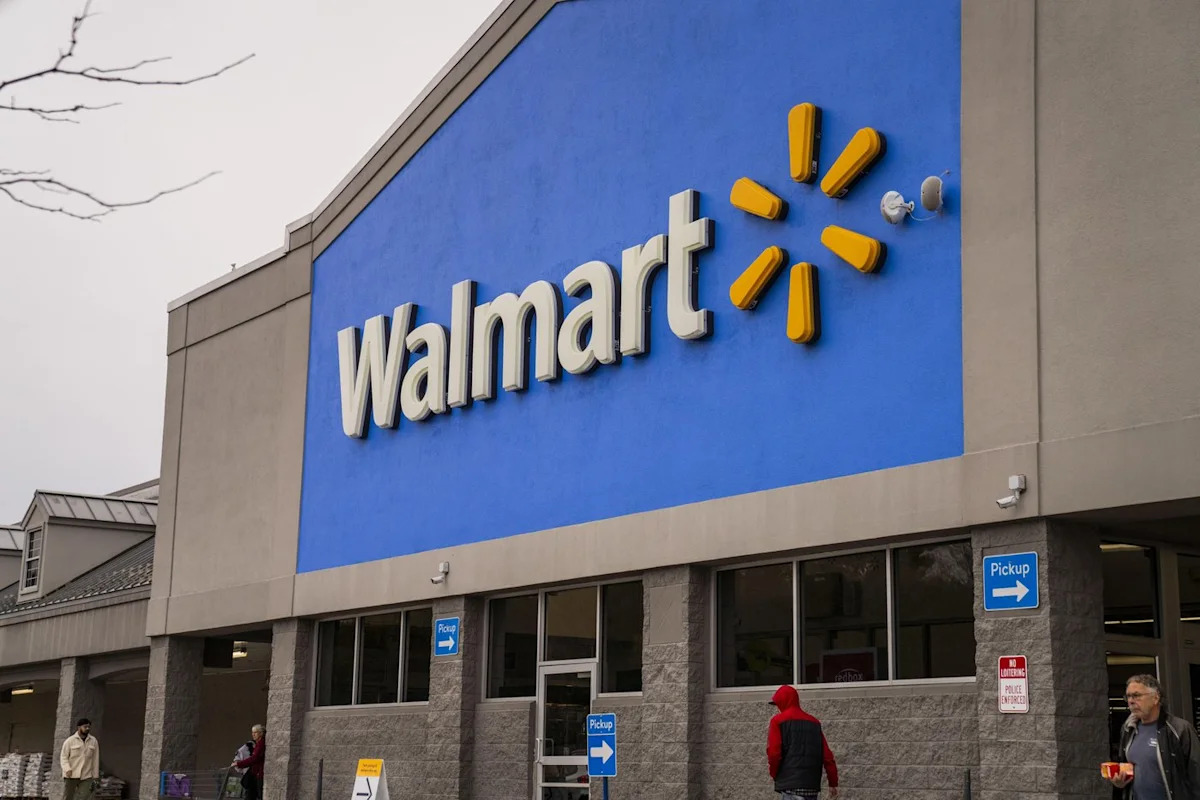
A Rare U.S. Sales Miss for Walmart Is Concerning for the Economy. But It Could Also Prove to Be a “Bad News Is Good News” Event for the Fed
Bram Berkowitz, The Motley Fool
Thu, August 20, 2026 at 10:48 PM GMT+5:30
5 min read
- WMT
-8.91% - NVDA
-0.40%
In a rare miss, Walmart(NASDAQ:WMT) reported weaker U.S. comparable sales in the second quarter of its fiscal year 2027 than Wall Street analysts expected
Walmart U.S. comp sales in the second quarter grew 2.6% year-over year, down from 4.6% in the same quarter last year
Missed Nvidia in 2009? This Rare Signal Is Flashing Again. In 2009, a “Double Down” signal flashed for a little-known chipmaker called Nvidia. For the first time in years, that same “Total Conviction” signal is flashing for a company 1/100th the size of Nvidia. Continue »
Comp sales struggled due to an 80 basis point (0.8%) headwind from government caps on drug prices. Still, even if that was added back in, the company still missed consensus estimates of 3.8%, per FactSet
The stock traded roughly 8.6% lower, as of 12:54 p.m. ET
According to The Wall Street Journal, this quarter represents the smallest level of growth in over six years, suggesting Americans may truly be starting feel the bite of persistent inflation
While this is certainly bad news for the U.S. economy, it may also prove to be a “bad news is good news” event for the Federal Reserve
Image
Has inflation finally hit a wall?
One issue with persistent inflation is that it can be a self-fulfilling prophecy to some extent. If consumers expect prices to rise long term, they more or less can become accustomed to higher prices and will keep spending if they have the means
For inflation to hit a wall, the consumer really needs to be stretched to its limits and say that enough is enough. The Walmart report suggests this could be starting to happen
“We, no doubt, and it sort of states the obvious, have seen some incremental pressure on the consumer relative to the beginning of the year with higher fuel prices,” Walmart’s CFO John Rainey said on the company’s earnings call. “As you go through month by month in the last quarter, you can tell when fuel prices increase and got above $4, and perhaps there is a psychological impact to that there are choices that consumers are making.”
Rainey also told CNBC that it plans to use roughly $2.9 billion of tariffs refunds to lower prices for customers
Interestingly, higher-income consumers making over $100,000 per year have increasingly been shopping at Walmart. This is a part of the U.S. economy that has been incredibly strong, so if this customer segment is feeling it, that could be pretty telling
Still, this one miss doesn’t necessarily mean the consumer is at its limit. Walmart caters to a wide variety of customer segments, so it’s not necessarily higher-income customers struggling alone
