

Courtesy
In 1988, an academic paper questioned why more people had died from bladder cancer in a certain coastal city in Spain compared to the rest of the country. Eventually, the researchers found that many of these people worked in the textile industry, particularly in dyeing or printing, where they were most likely exposed to azo dyes
Today, azo dyes account for up to 70 percent of textile and clothing colorants used globally, according to some estimates. They’re popular in the fashion industry because they are cheap, not to mention brightly colorful. Certain azo dyes, however, can break down and release harmful compounds like benzidine that have been linked to cancer, prompting restrictions and bans in the European Union, among other markets
Toxic compounds, when left unchecked, can lead to long-term health issues for the workers who make the clothes and the consumers who wear them
This is why Bluesign, a Swiss third-party certification company, has been working behind the scenes since 2000 to test and ensure that the textile supply chain uses safer chemicals for everyone in the value chain. With over 900 system partners, it has huge names on its client list, including Adidas, Arc’teryx, Patagonia and Under Armour. But while safety has always been a priority for Bluesign, the company now wants to communicate that work to consumers and make them more aware of what goes into the products they buy.
“Looking back, that’s probably where we fell a little short,” Barbara Oswald, chief commercial officer at , told Sourcing Journal. “We built a rigorous system, but we didn’t spend enough time telling that story or helping consumers recognize the value behind it.”Thus, the company launched Bluepass in April, a new certification mark and product labelling system that delivers clear, substantiated and verifiable sustainability claims at scale. “That’s what is changing now. We’re continuing to do the same thorough work we’ve always done, but we’re also making it visible,” Oswald said.
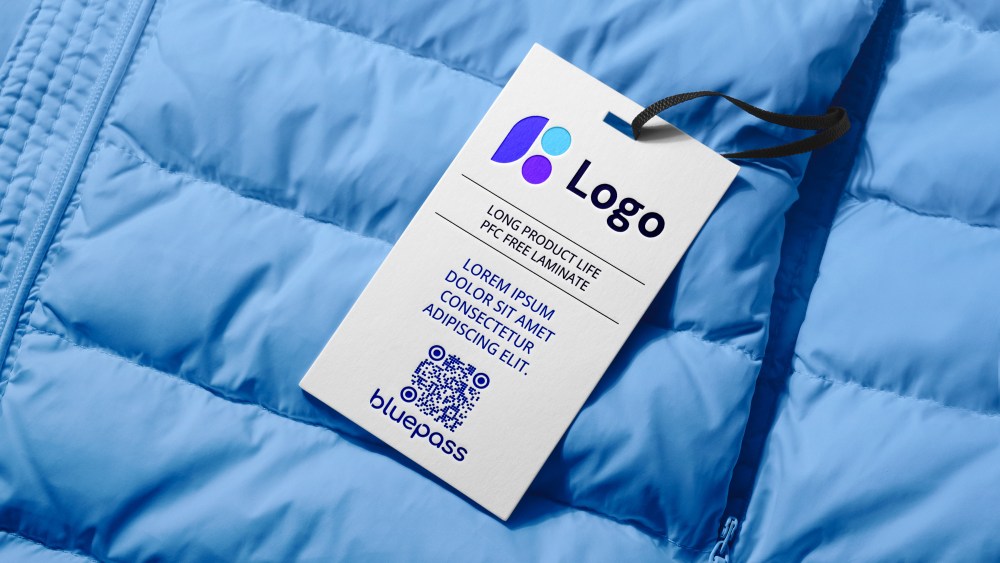
The Bluepass comes in three certification marks: for finished goods, for intermediate materials and components, and for chemical inputs. The label includes a QR code linking to verified data, which is meant to signal to both consumers and regulators that the product meets Bluesign’s stringent criteria. The criteria covers six areas of responsibility, including environmental protection, re
Bluepass arrives at a critical moment. A new EU regulation, the Empowering Consumers for the Green Transition Directive, will require environmental claims to be accessible and verifiable starting Sept. 27, 2026. Oswald hopes this will help start a trend where a high level of transparency becomes an expectation, as opposed to an exception
“Our goal would be to have all the customers—all the people that need to buy clothes—to think about how they are processed, what they mean for the worker making it, for the environment, for the wastewater, for the air, for the village around the factory,” Oswald said
“I know it is a little bit naïve,” she said. “But this is our vision.”
