

Albertsons Lets Safeway Customers Shop Using ChatGPT
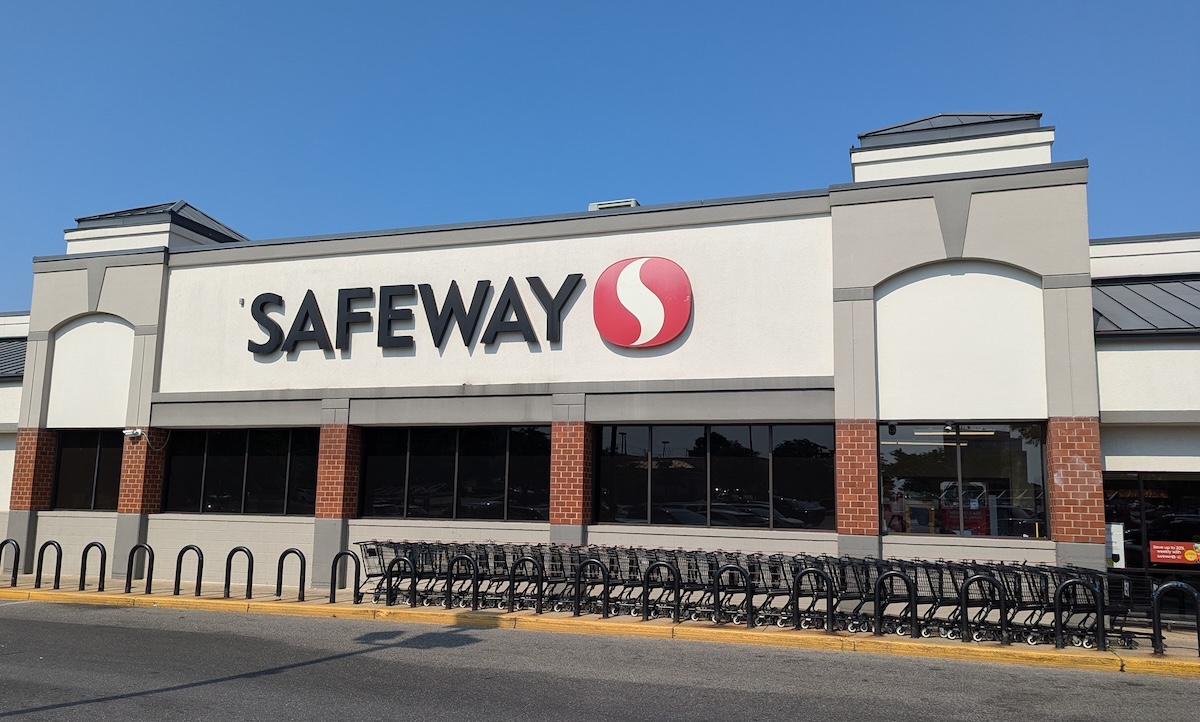
Grocery conglomerate Albertsons says customers at its Safeway stores can now shop using OpenAI’s ChatGPT
The company on Wednesday (Aug. 5) introduced a new Safeway plugin that lets shoppers find products, evaluate options within the artificial intelligence (AI) chatbot
“We are on a mission to power our customers at every touchpoint with AI to deliver a seamless shopping experience that’s faster, easier and more enjoyable,” Jill Pavlovich, Albertsons senior vice president for digital customer experience, said in a news release
“Research tells us that consumers are increasingly interested in using AI to help with grocery shopping. By enabling our plugin in ChatGPT, we are making grocery shopping as simple as having a conversation by meeting our customers when and how they choose to shop. This is another practical way we are using AI to reduce friction and make everyday shopping easier.”
According to Albertsons, shoppers can find the tool by clicking “Plugins” in the ChatGPT sidebar and searching “Safeway.” From there, they can start a new prompt and type “@Safeway” into any ChatGPT conversation and the chatbot will automatically surface the plugin
The tool lets shoppers do things like plan meals and find ingredients, review their cart and make changes before checking out on Safeway’s platform
“The experience is designed to support common grocery missions including meal planning, list building, product discovery, reordering and finding relevant savings,” the release said
The new plugin marks the latest foray into the AI space for Albertsons. The company in May announced it had created an artificial intelligence tool that uses computer vision and Google’s Gemini models to grade fresh produce in its distribution centers
“Produce quality inspection has always been a human problem with a human-shaped flaw. The same item might grade differently depending on the inspector, the shift, the warehouse or the hour,” PYMNTS wrote at the time. “Across a network like Albertsons’ 22 distribution centers and 2,244 stores, small inconsistencies can compound.”
Produce makes the biggest share of surplus food produced by retailers in the United States, at one-third of the around 4 million tons that went unsold in 2024
“That’s not all traceable to grading decisions, but those decisions sit at the front of every freshness outcome that follows,” the report added
