

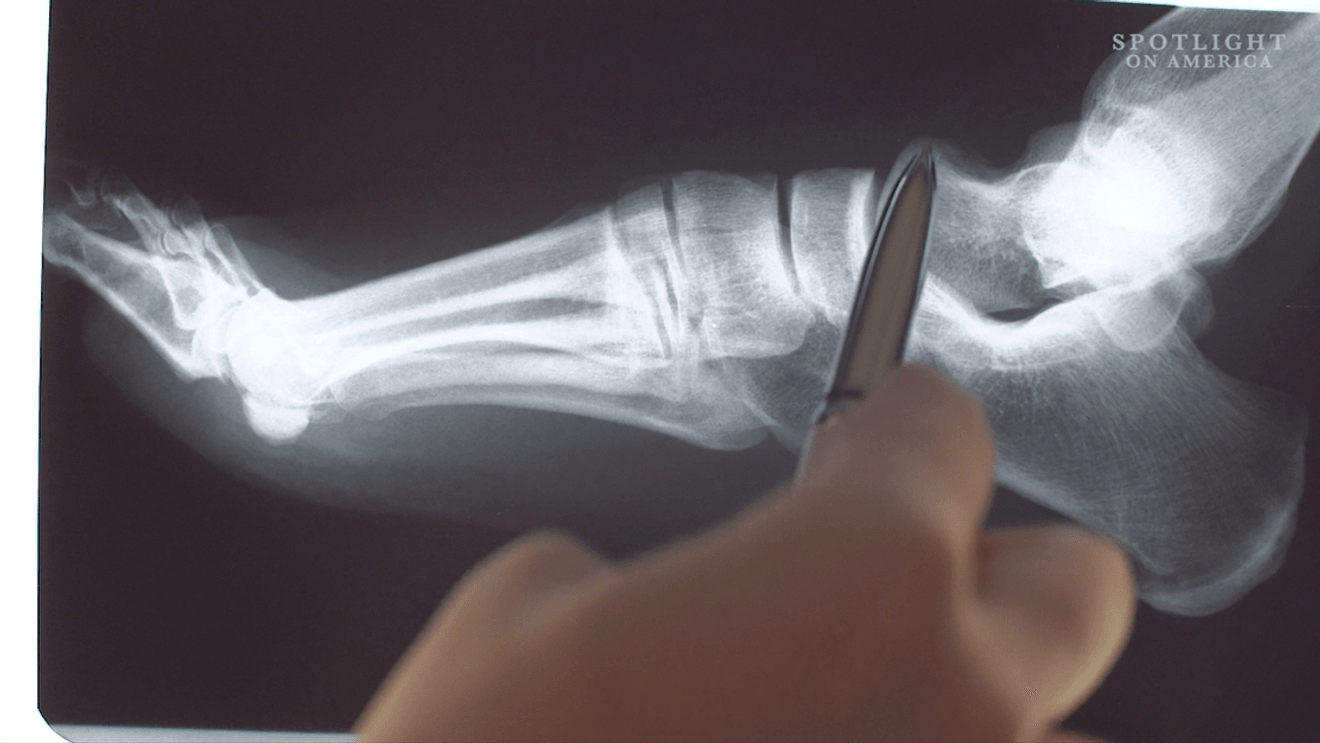
Even doctors can be fooled by deepfake X-ray images, posing risk to cybersecurity & health
byLISA FLETCHER, ANDREA NEJMAN and NATHAN AARON | Spotlight on America
Thu, July 16, 2026 at 9:39 AM
 7VIEW ALL PHOTOS
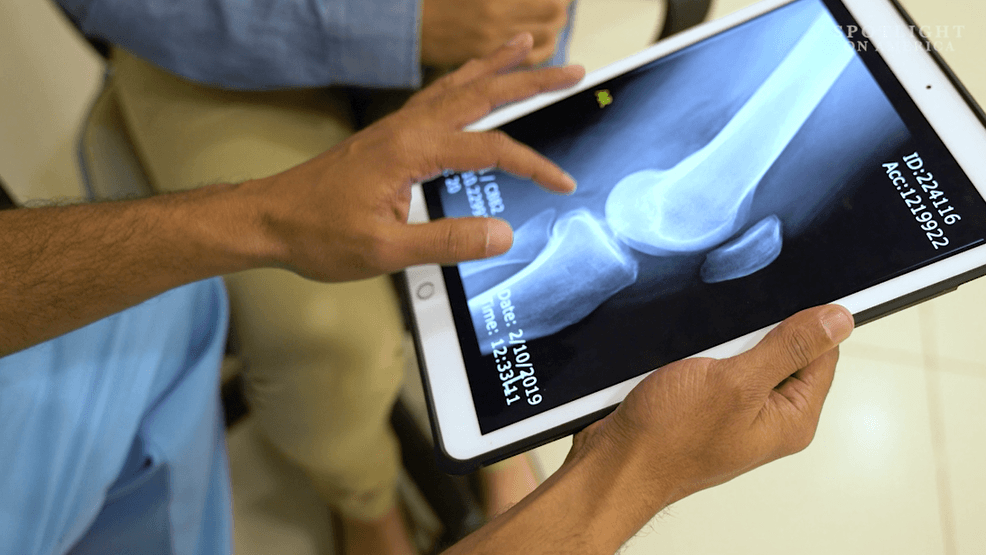
Radiologists look at thousands of images every year (Photo: SBG)
For months, we’ve been reporting about the dangers of deepfakes: AI-generated videos and images that can look remarkably real
We’ve seen them infiltrate social media, and even courtroom evidence, but there’s a chilling new chapter: Deepfake medical images that even professionals can’t identify
Even doctors can be fooled by deepfake X-ray images, posing risk to cybersecurity & health
A typical radiologist examines more than 10,000 images every year, including X-rays, to spot fractures, tumors, fluids and infections
But what happens when artificial intelligence can generate an X-ray that looks like the real thing?
Radiologist Mickael Tordjman put it to the test, giving radiologists worldwide a quiz to see if they’d identify fake X-rays and publishingthe results
Dr. Bachir Taouli, professor of Radiology at Mount Sinai in New York, took that quiz
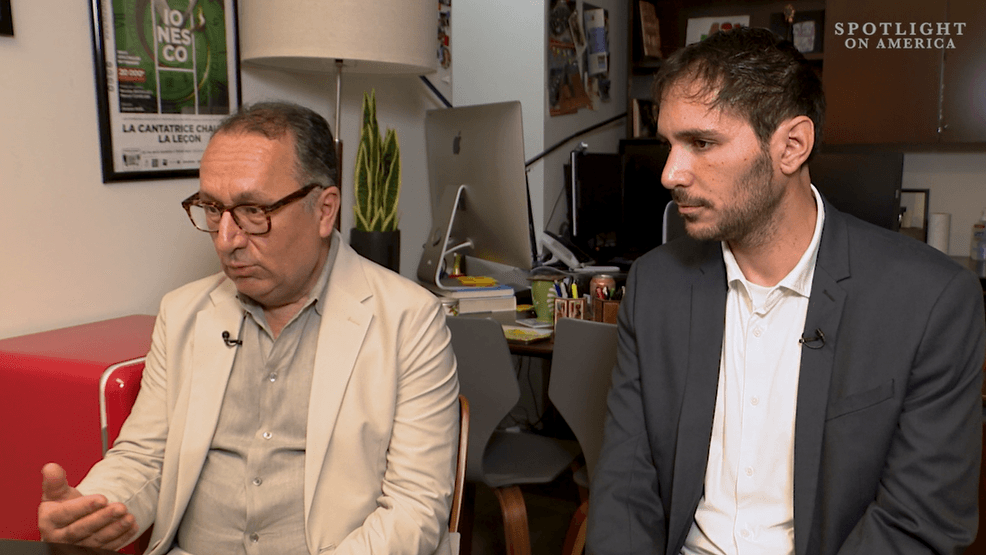
Dr. Tordjman and Dr. Taouli told Spotlight on America they’re working to raise awareness about deepfake images in their field (Photo: Nathan Aaron)
“We didn’t know [about the deepfakes], we were blinded,” he said. “And of course, I didn’t perform well.”
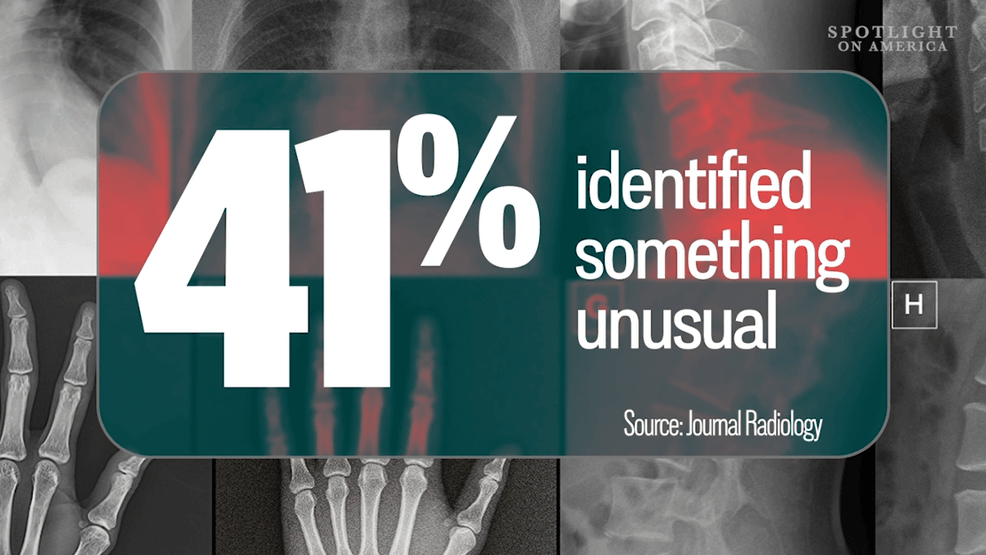
When asked to examine the images, only 41%, less than half of radiologists, identified something unusual
Taouli said he was surprised
Once the radiologists were told some of the images were fake, their accuracy rate was about 75%
When blinded, less than half of radiologists were suspicious of the images provided (Photo: SBG)
“A lot of patients come with images already taken outside,” Dr. Taouli explained. “So there’s potentially a risk of contaminating your imaging archives with outside images that are not real.”
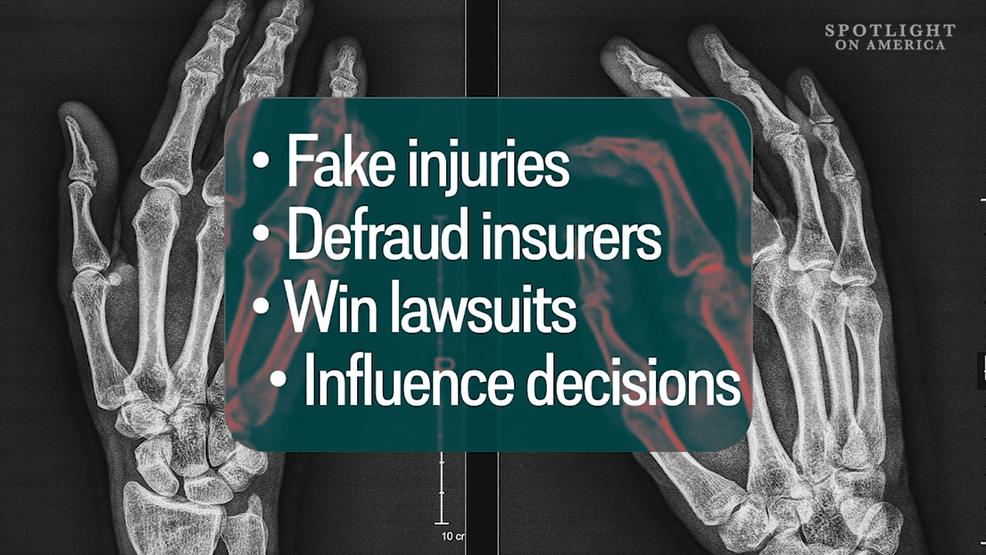
Here’s why it matters: Deepfake X-rays could be used to fake injuries, defraud insurers, win lawsuits or influence critical medical decisions. Even worse, criminals could launch a ransomware attack on a hospital, co-mingling real X-rays with fakes, until the hospital pays up
There are multiple concerns in the bigger picture when it comes to deepfake medical images (Photo: SBG)
Serena Sullivan is a cyber security expert. She said the possibilities for fraudulent use of fake X-rays are widespread, making the need to harden protections a top priority
“I think our first line of defense is making sure that we have our networks and databases secure so that the doctors and technicians would never even see those fake X-rays,” Sullivan said. “That would be the hope.”
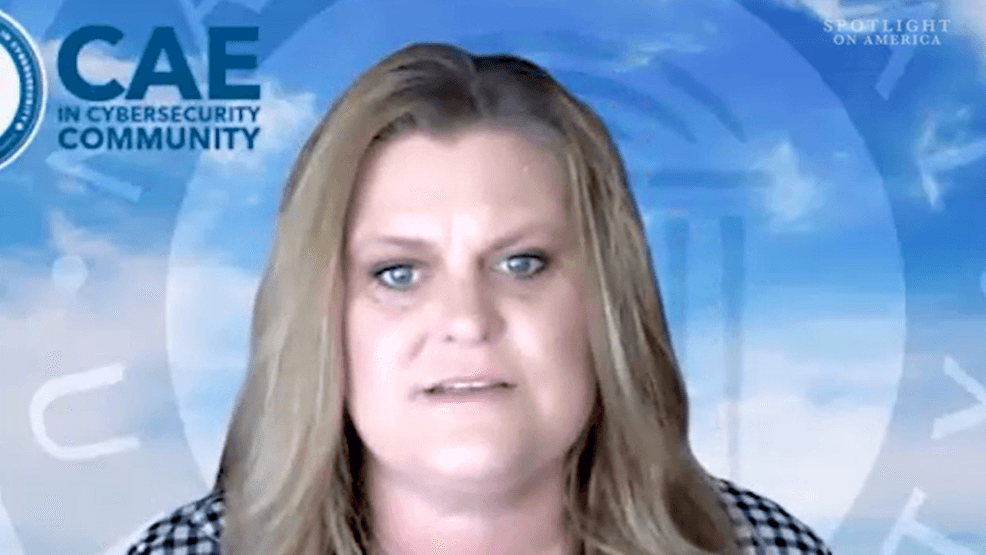
Cybersecurity expert Serena Sullivan said the first line of defense is making sure that we have our networks and databases secure to prevent deepfake images from entering (Photo: SBG)
It’s why researchers like Dr. Tordjman are already thinking of ways to authenticate images they work with every day
“Another solution would be maybe to watermark the image, so add a kind of signature in the image,” said Dr. Tordjman
They say a legal framework is also necessary because the impacts are inevitable
“I think there’ll probably be some cases coming our way probably in the next few years and those will be used as case studies basically for future legislation probably,” said Dr. Taouli. “It will happen.”
Doctors suggest additional cybersecurity measures and watermarking to address a potential problem (Photo: SBG)
The doctors also note that while there are risks to these deepfakes, there’s also a real potential benefit when it comes to training and education, it’s all a matter of how this technology is used and what protections are in place.
Experts like Dr. Tordjman have developed an online training quiz to help professionals learn to spot the fakes. You can view it here
