

Since 1868, UC Berkeley has stood at the forefront of academic and cultural progress. We have Berkeley researchers and leaders to thank for the technology that underpins modern computing, medical advances that have saved countless lives and landmark American civil rights protections. These and other breakthroughs mark our university’s proud 158-year history of lighting the way forward, with centuries’ worth of discoveries yet to come
As the U.S. observes its 250th birthday, we’re looking back at some of the most notable ideas, people and innovations that have emerged from Berkeley over the course of its history, shaping the fabric of our nation and the world beyond
1. Elizabeth Bragg breaks STEM barriers
In 1870, two years after the University of California was founded, its Board of Regents resolved that young women would be admitted alongside male students as full equals. Six years later, San Francisco-born mathematics prodigy Elizabeth Bragg became the first woman to receive a civil engineering degree from an American university
2. Establishing America’s national parks
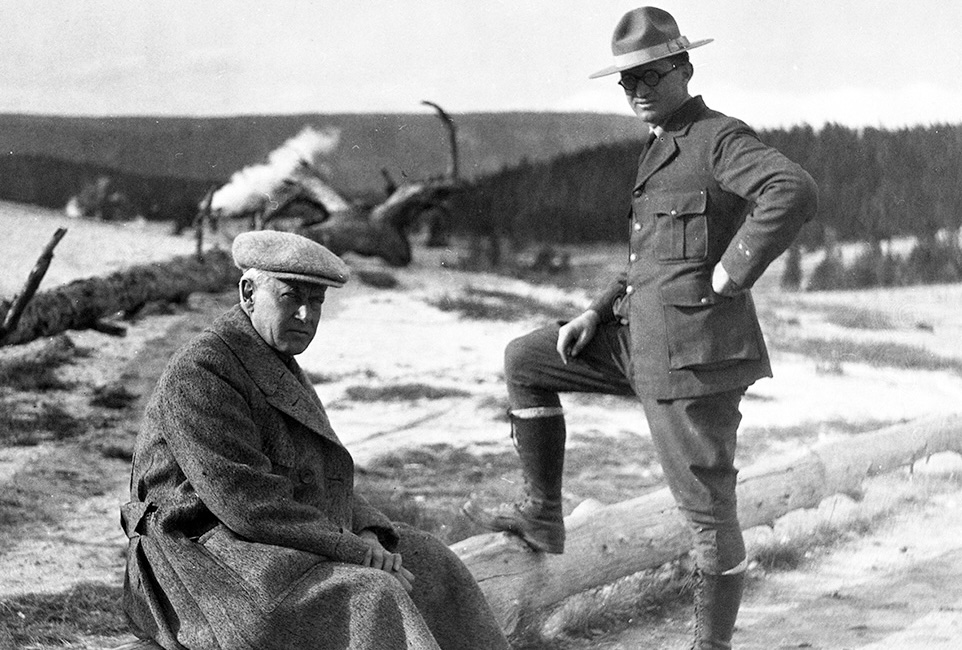
Berkeley alums Stephen Mather and Horace M. Albright served as the first and second directors of the U.S. National Park Service. Together, they laid the foundation for the future of the agency, establishing visitor services and museums, adding historical sites and memorials, and creating new parks including the Everglades and Grand Tetons
3. Olympic dominance in rowing
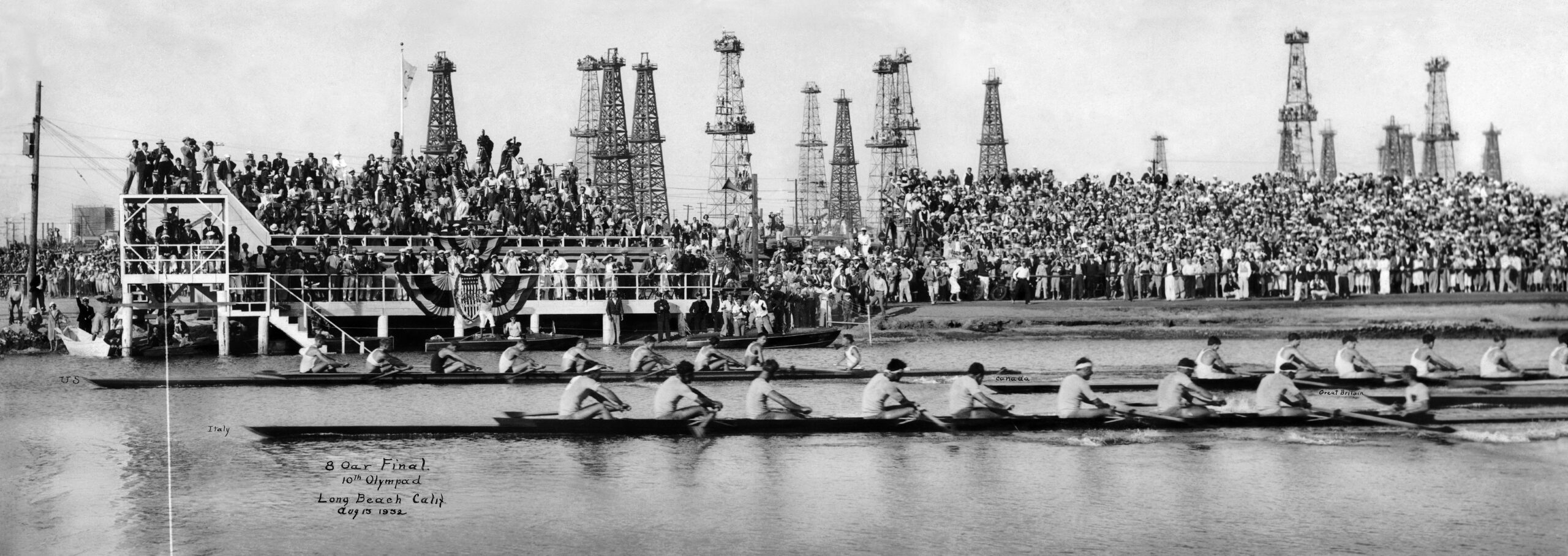
At the 1928, 1932 and 1948 Olympics, Berkeley’s rowers didn’t just represent Team USA — they brought home the gold. Under legendary coach Carroll “Ky” Ebright, Cal’s men’s eight rowing team won all three times, establishing a historic, undefeated streak that no other university has ever matched in the event. See photos of the team in this UC Berkeley News story
4. The invention of the cyclotron
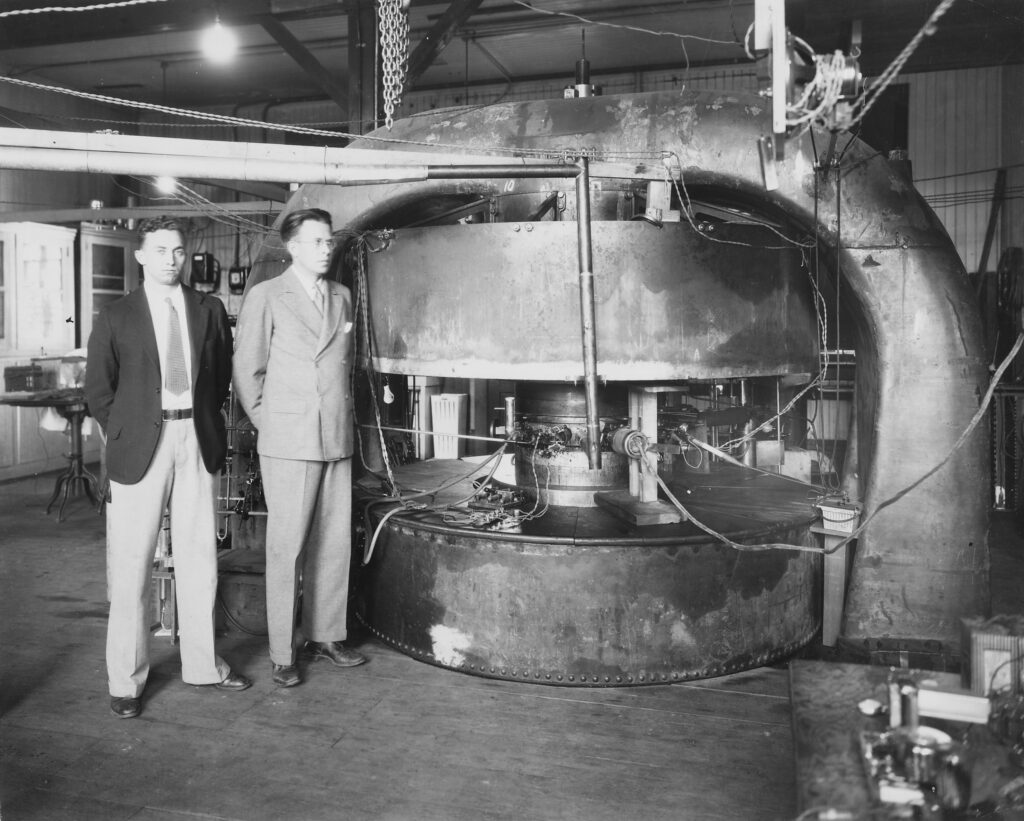
Professor Ernest O. Lawrence’s first cyclotron — cobbled together from glass, bronze and household appliances — proved that whirling particles to high speeds and smashing them into targets can break open atomic nuclei. Decades later, massive particle accelerators inspired by his invention have revolutionized experimental physics and ushered in large-scale collaborative science
5. Irving Morrow designs the Golden Gate Bridge
A 1906 Berkeley architecture graduate, Irving Morrow was hired to shape the look of a new bridge from San Francisco to Marin County. His charcoal sketches introduced its signature Art Deco style, while his insistence on International Orange paint lent the bridge its unmistakable look, giving rise to one of the world’s most iconic bridges
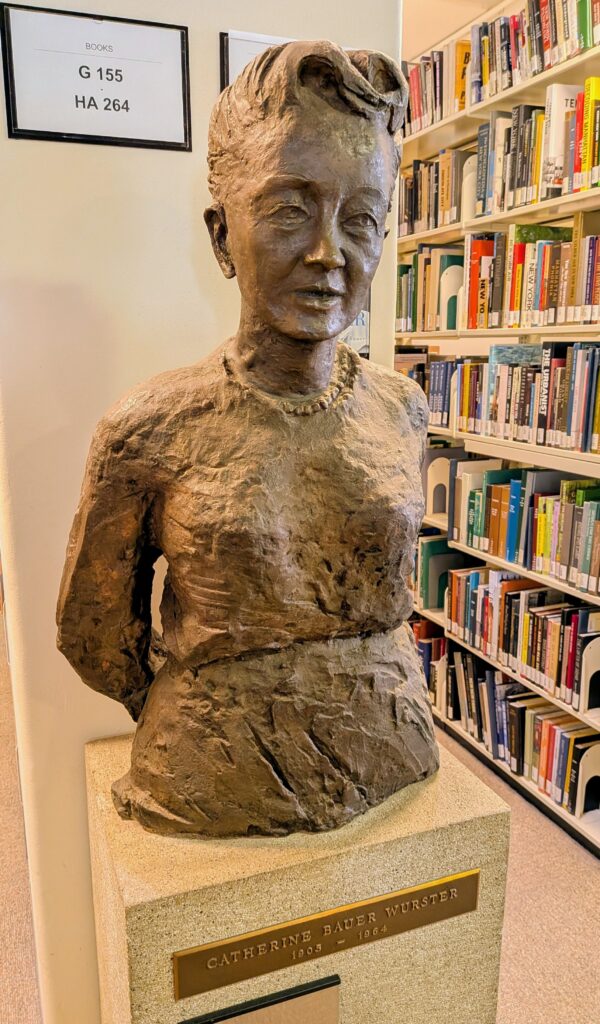
6. Catherine Bauer Wurster reshapes American housing
An early advocate for affordable housing, Bauer Wurster helped establish the Berkeley College of Environmental Design, advised three presidents on urban planning and drafted the 1937 bill that saw the government fund public housing for the first time
7. Unlocking the secrets of photosynthesis
Using a newly discovered radioactive form of carbon, carbon-14, biochemist Melvin Calvin mapped the path carbon travels through a plant during photosynthesis, giving insight into how plants convert light into carbohydrates and helping scientists improve crop yields. The work earned him the 1961 Nobel Prize in Chemistry
8. The discovery of plutonium
Chemist Glenn Seaborg and his team were the first to synthesize and identify element 94, plutonium. Because it undergoes fission like uranium-235, it was used for the core of the first atomic bomb tested in New Mexico. Seaborg discovered nine other transuranium elements, earning him part of the 1951 Nobel Prize in Chemistry
9. J. Robert Oppenheimer develops the atomic bomb
J. Robert Oppenheimer was a well-known theoretical physicist and teacher at Berkeley when he was tapped as scientific director of the Manhattan Project to develop the world’s first atomic bomb, which would go on to alter the course of World War II and global geopolitics. His leadership and that of his students established Berkeley’s enduring connection to national security
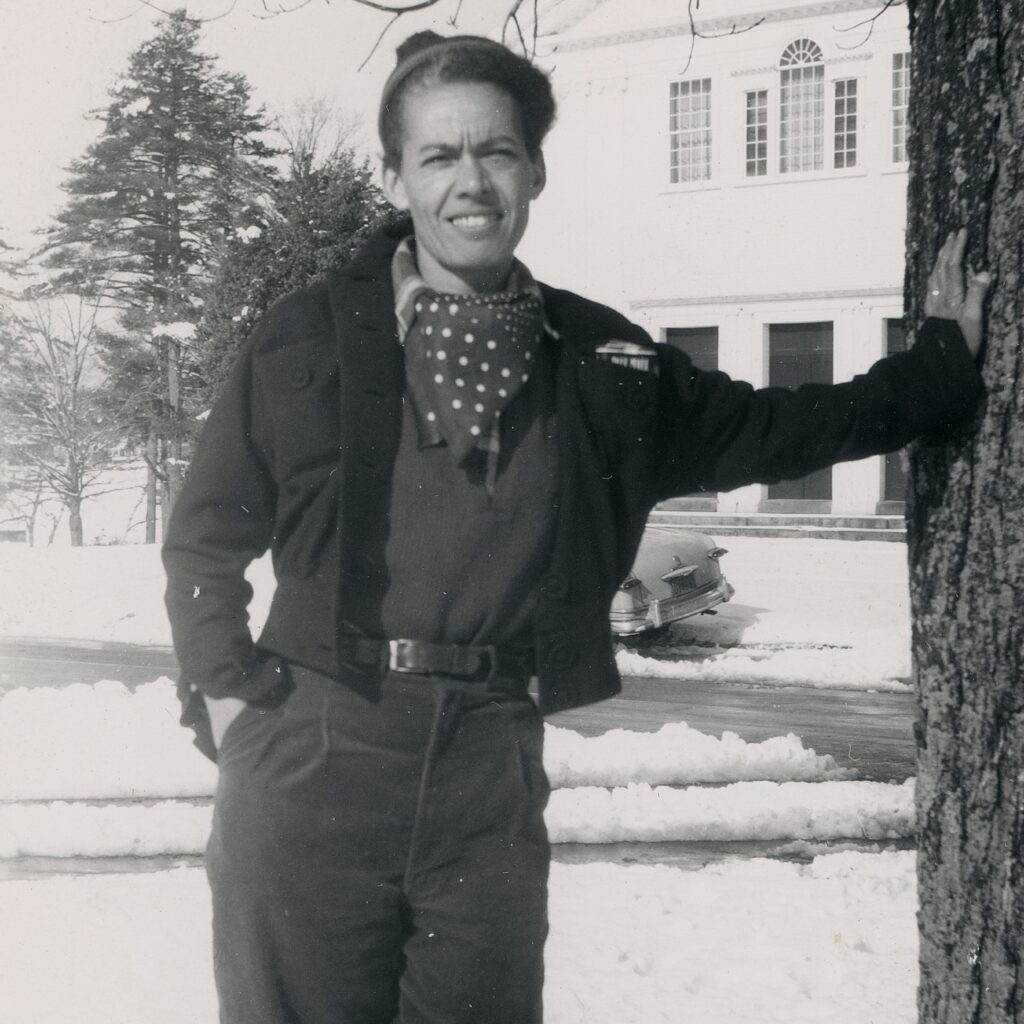
10. Pauli Murray, a trailblazer in labor law and civil rights
Murray, who earned a master’s degree from Berkeley Law, was a prescient thinker who articulated bedrock principles of civil rights. An academic, lawyer, writer and priest, Murray outlined legal reasoning that influenced Supreme Court arguments in Brown v. Board as well as a landmark case that deemed gender discrimination unconstitutional
11. Chief Supreme Court Justice Earl Warren transforms American law
Few individuals can claim more impact on the American judicial system than Berkeley Law graduate Earl Warren. As Chief Justice of the Supreme Court from 1953-1969, he presided over rulings that would reshape America, including Brown v. Board of Education, Miranda v. Arizona and Reynolds v. Sims
12. The Peace Corps volunteer engine
In the 65 years since the Peace Corps was founded to promote international development and cultural exchange, Berkeley has matriculated more Peace Corps volunteers — 3,807 alumni — than any other university. That title is a testament to the campus’ reputation for public service and social conscience
13. The Free Speech Movement
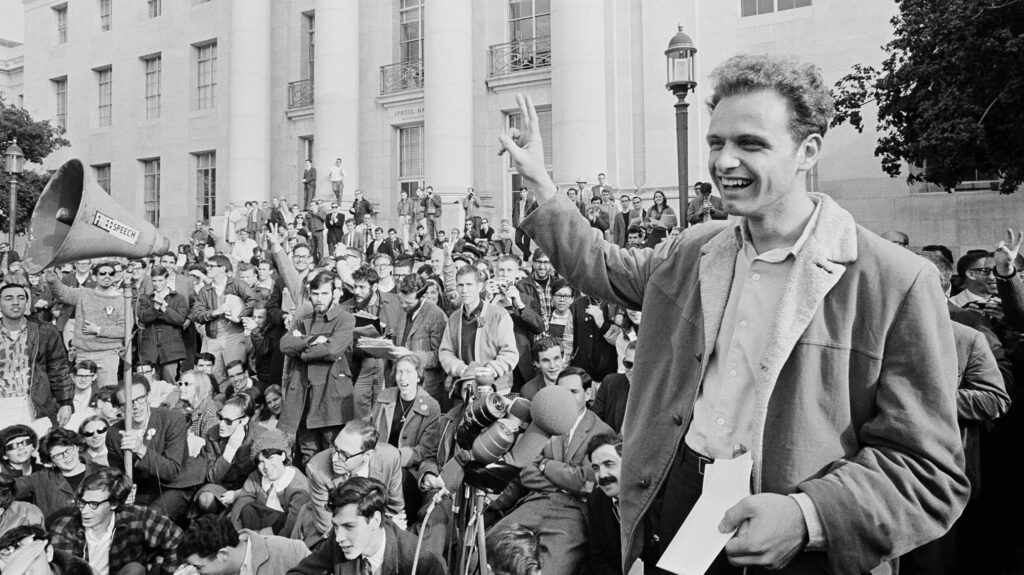
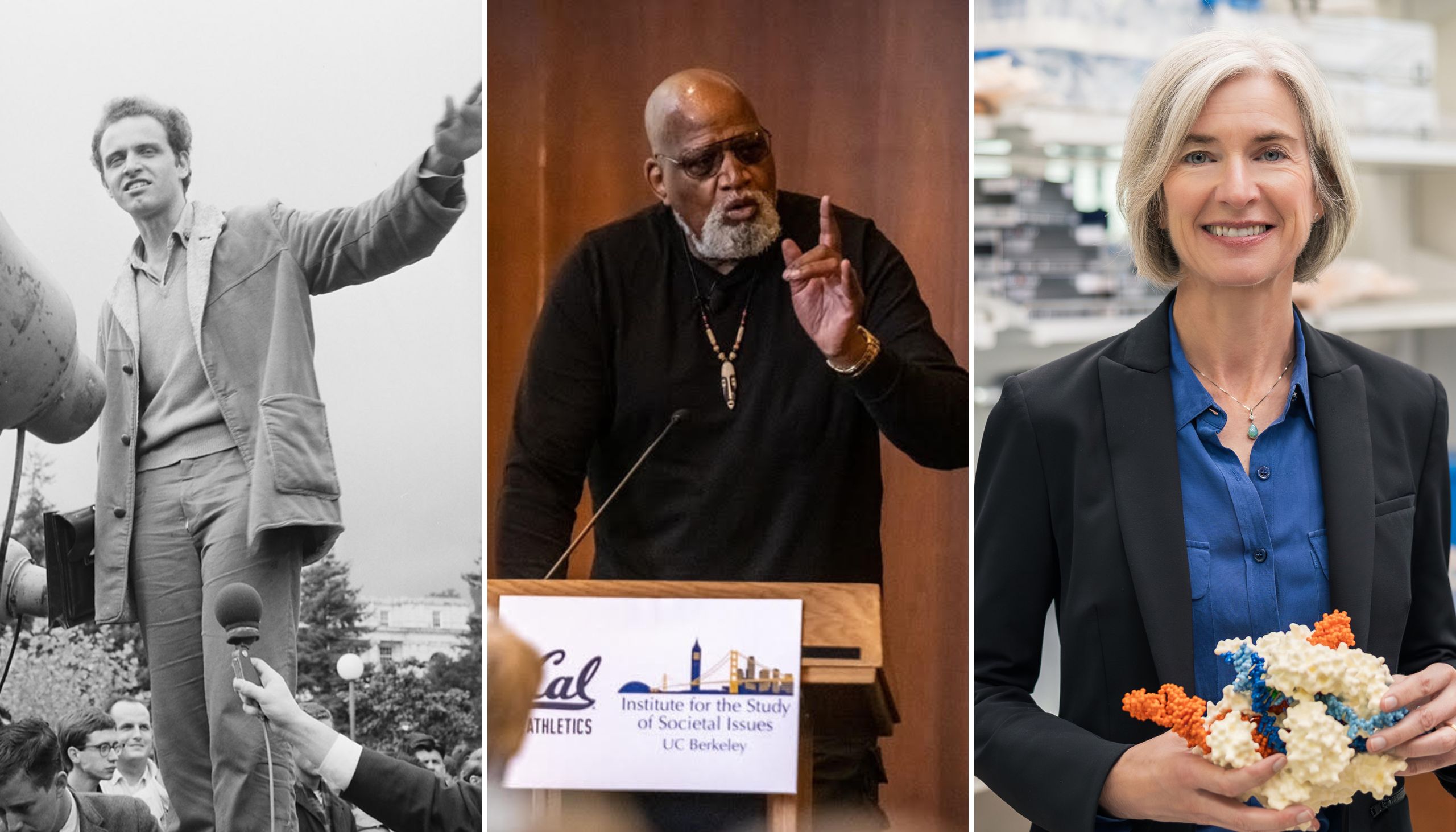
With young Americans restless over civil rights and the war in Vietnam, Berkeley became a national flashpoint: Students demanded an end to the ban on campus political activity, and mounted a sustained campaign of mass civil disobedience until the administration acquiesced. The Free Speech Movement helped inspire mass student protests across the nation against the war and for civil rights. More broadly, it was a bold expression of youth’s political power, transforming university campuses in the U.S. and beyond into essential theaters of debate and conflict.
14. Harry Edwards transforms activism in sports
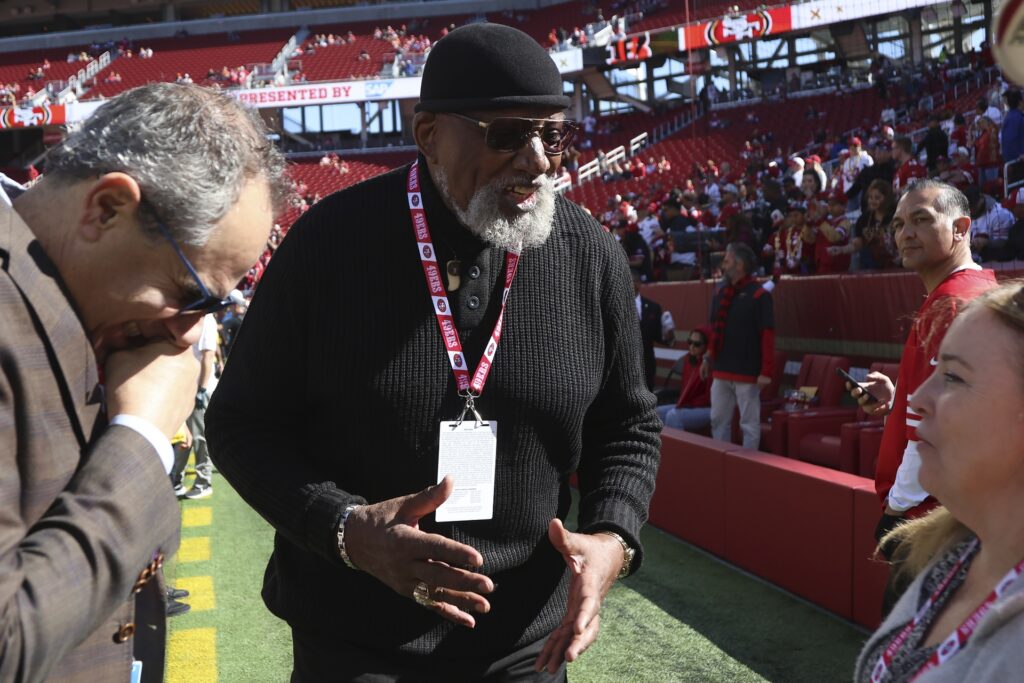
Berkeley Professor Emeritus Harry Edwards pioneered research on the sociology of sport, exploring how athletics reflects social inequality. A former college athlete, he organized the 1968 Olympic Project for Human Rights, inspiring Black track and field medalists Tommie Smith and John Carlos to make a historic anti-racist protest by raising fists at their Mexico City Olympics awards ceremony
15. The Disability Rights Movement and the ADA
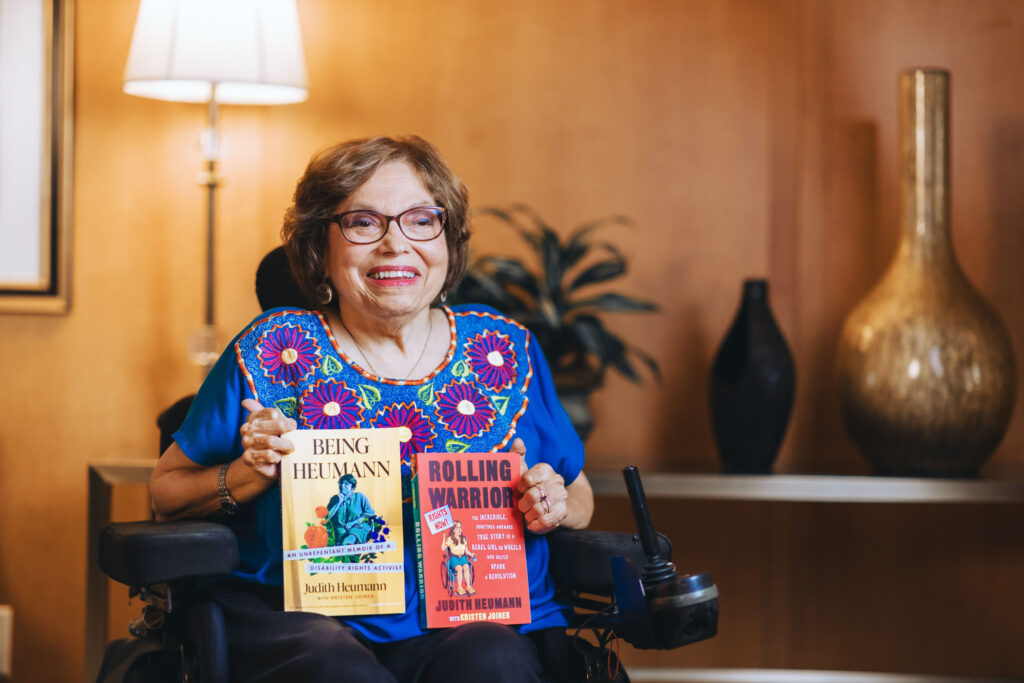
In the 1960s, students with disabilities fought to make Berkeley one of the first campuses supporting educational access and independent living for disabled Americans, catalyzing national activism that expanded federal legal protections in the 1970s and inspired the 1990 Americans with Disabilities Act. Today, disability rights advocates continue defending access to education, employment and more
16. The Maslach Burnout Inventory
Ever taken a workplace burnout survey? You likely have Christina Maslach, a psychology professor emerita at Berkeley, to thank. In 1981, she co-created what became the gold-standard tool for measuring worker exhaustion and office dysfunction. Decades later, it remains the global go-to for organizations tracking employee well-being
17. BSD Unix shapes modern computing
In the mid-1970s, Berkeley graduate students developed Berkeley Software Distribution (or BSD). Originally a tool to enhance AT&T’s UNIX operating system, BSD became the backbone of the modern internet. It is still foundational for open-es like Apple, PlayStation and Netflix
18. Steve Wozniak sparks the PC revolution
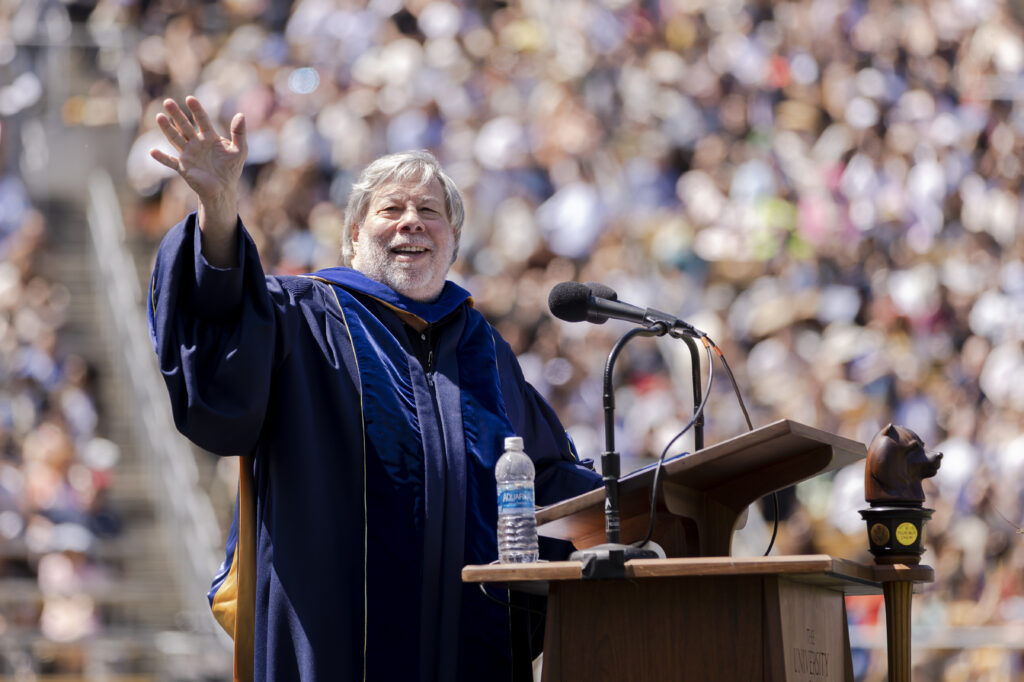
As the co-founder of Apple and designer of the company’s first computers, Steve Wozniak is widely regarded as one of the architects behind the PC revolution. But before that, he was a Berkeley student known for staging elaborate pranks across campus and tinkering with the school’s top supercomputer. After Apple, Wozniak went on to found a number of companies, then pursued lifelong passion projects and philanthropic ventures. But as he told graduating students as the 2023 commencement speaker, “My proudest moment of my life…it was my graduation day, right here at this campus.”
19. June Jordan harnesses poetry for change
For June Jordan, poetry was a tool for justice. The acclaimed poet and Berkeley professor confronted racism, sexism and homophobia through her work, founding Poetry for the People at Berkeley in 1991 to bring spoken word into local schools and communities. Believing that art belongs to everyone, Jordan used her fierce, lyrical voice to empower generations of student-activists and transform the landscape of American political art
20. David Card wins Nobel for pioneering work in labor economics
Starting in the 1990s, young Berkeley economist David Card challenged economic orthodoxy on issues such as the minimum wage, immigration and education. The economic establishment scoffed, but his innovative research was honored with a Nobel Prize in economic sciences in 2021
21. Judith Butler, a paradigm-shifting pioneer of gender theory
Few academic theories have disrupted traditional thinking as deeply as Judith Butler’s. The philosopher’s landmark 1990 book, Gender Trouble, introduced “gender performativity” to the world — the idea that gender is a social performance, not a biological fact. Butler joined Berkeley’s faculty in 1993, and their work has laid the foundation for modern queer theory worldwide
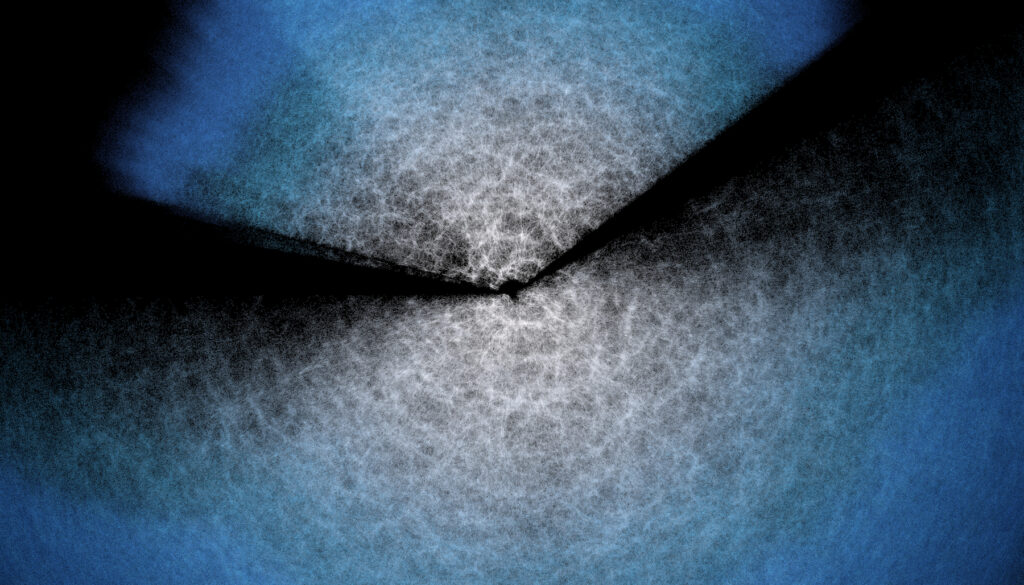
22. Redefining the universe
23. Jennifer Doudna pioneers CRISPR-Cas9 gene editing
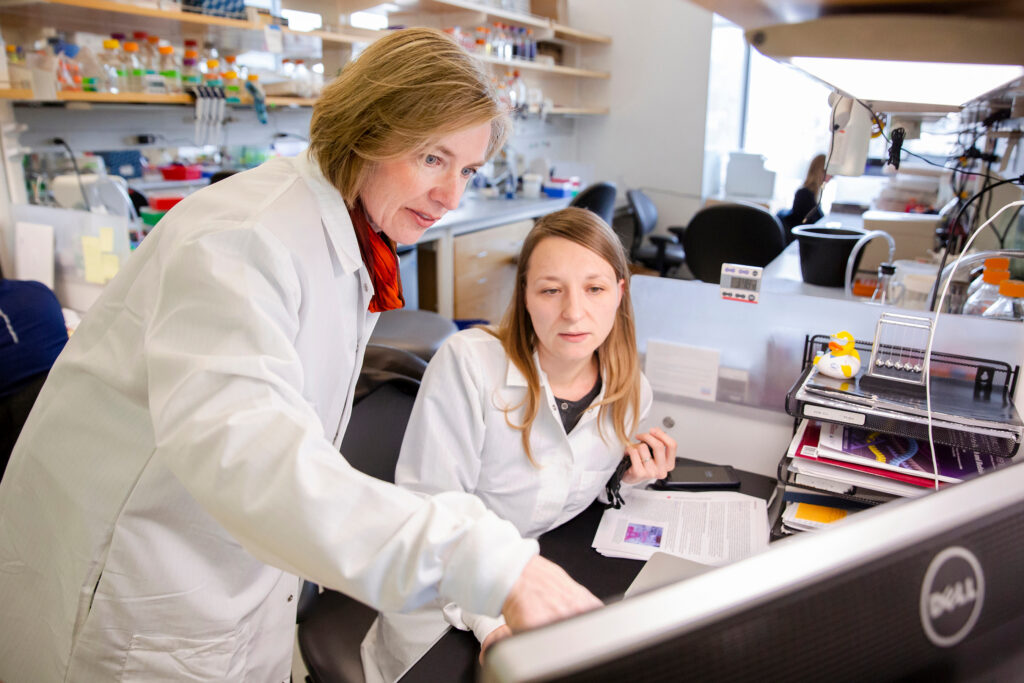
Research in Jennifer Doudna’s Berkeley lab led to a biological revolution: the development of CRISPR-Cas9, a tool that allows scientists to edit DNA in any organism. CRISPR-Cas9 opened the door to vast possibilities for biology, agriculture and medicine, including new treatment pathways for thousands of diseases, and earned Doudna the 2020 Nobel Prize alongside CRISPR co-developer Emmanuelle Charpentier
24. MyShake gives Californians early warning for earthquakes
Drop, cover, hold on! Seismologists at Berkeley launched MyShake, the country’s first state-wide phone app for early earthquake warnings, in 2019. Using smartphones as earthquake sensors, MyShake harnesses citizen science and machine learning to send early earthquake notifications across California, Oregon and Washington. So far, the app has been downloaded more than 4.6 million times
25. Snatching chemicals out of thin air
For Omar Yaghi, pulling water from desert air isn’t science fiction — it’s reality. The chemistry professor’s work with molecular sponges, called metal-organic frameworks, traps carbon dioxide from smokestacks and draws drinkable water from arid regions. The breakthrough revolutionized chemistry and earned Yaghi the 2025 Nobel Prize
