

The Americas
With U.S. doors shutting, Cubans turn to Brazil for asylum
Updated August 3, 20263:05 PM ETOriginally published August 3, 20263:05 PM ET
Heard on All Things Considered
Catherine Osborn
With U.S. doors shutting, Cubans turn to Brazil for asylum
Listen·3:323:32
Transcript
- Download
- Embed
<iframe src="https://www.npr.org/player/embed/nx-s1-5910714/nx-s1-9873804" width="100%" height="290" frameborder="0" scrolling="no" title="NPR embedded audio player"> - Transcript
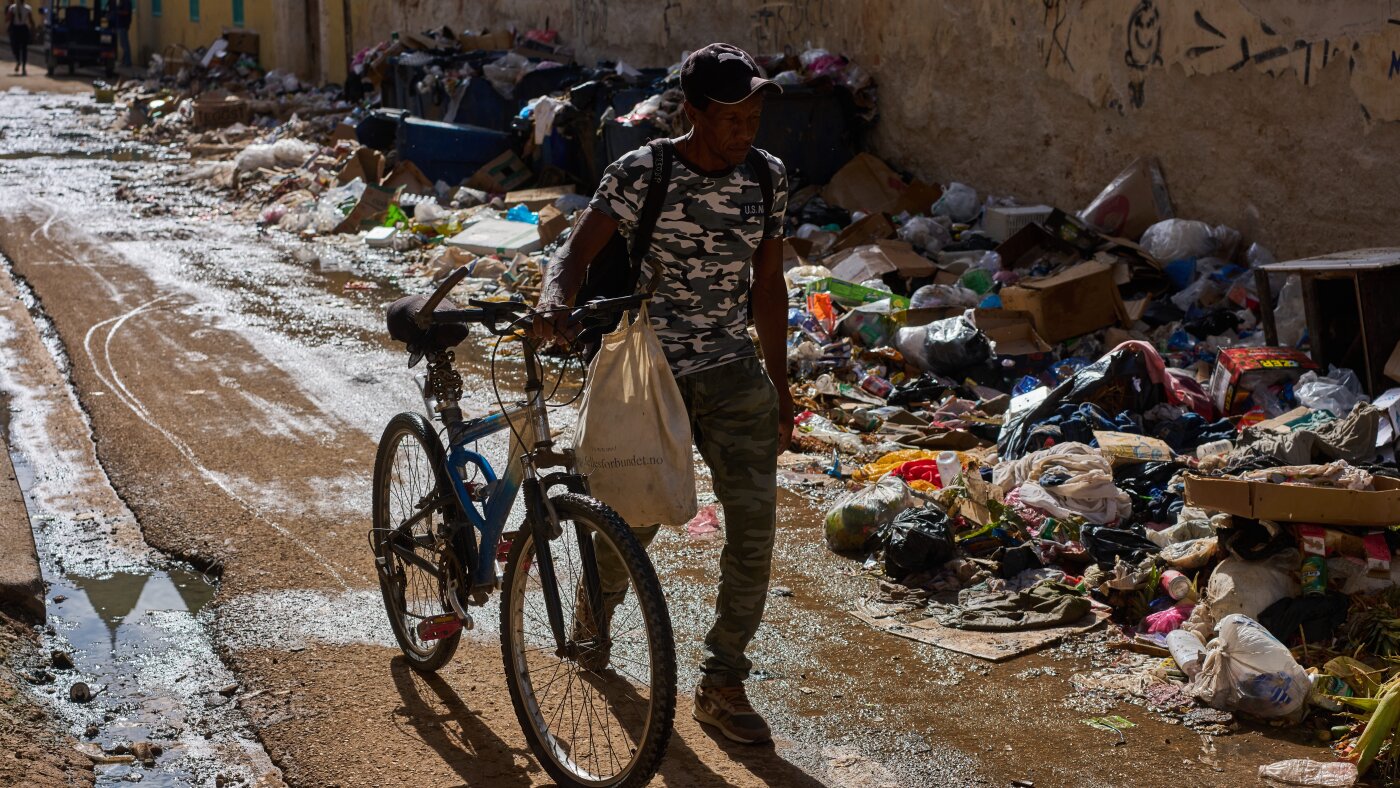
A man pushes his bicycle along a trash-strewn street in Havana, Cuba, Tuesday, June 9, 2026.
Ramon Espinosa/hide caption
toggle caption
Ramon Espinosa/AP Photo
VOLTA REDONDA, Brazil— Cubans fleeing the island’s economic andfuelcrisis are increasingly looking to Brazil after the Trump administration closed most pathways for their migration to the United States
Last year, more than 41,000 Cubans applied for asylum in Brazil—a record, according to the Brazilian government, and part of a broader trend in which asylum applications in the country have reached historic highs
On a Sunday morning in the southeastern Brazilian city of Volta Redonda, Cuban migrants gathered for a Spanish-language Bible study. Many had sought asylum in Brazil within the past year – after the Trump administration cracked down on immigration
Together, they prayed for those still struggling in Cuba, where blackouts and medical supply shortages have become increasingly frequent amid a U.S. pressure campaign
“There are not many options” for Cubans seeking to leave, said José Ramírez, 57.Friends told him Brazil offers asylum-seekers permission to work and access to government social services. Those benefits have made Brazil one of the few remaining destinations where Cubans can seek protection while building a new life
But the trip from Cuba is not easy. Nearby Guyana is visa-free for Cubans, so many fly there before crossing into Brazil through the Amazon. It’s a sharp reversal of a migration pattern from recent years, when migrants trekked northward through this region
Ramírez has now found work at an air conditioning company. His favorite things about Brazil are “freedom, electricity, food, and a decent wage,” he said
Brazil has continued to accept asylum-seekers at a time when not only the United States but also European and other Latin American countries are tightening their borders. Anti-migrant sentiment has not become a major political force in Brazil, said Larissa Getirana of refugee services group Caritas
“We don’t have a large percentage of migrants,” Getirana noted. Around 1% of people living in Brazil were born elsewhere, the government estimates. Brazil has vocal far-right politicians, but rather than spurning migration, they have voiced sympathy for people fleeing left-wing autocracies like Cuba and Venezuela
U.N. migrants’ rights expert Gehad Madi praised Brazil’s policies during a March visit, saying the country’s “rights-based, non-criminalizing and open approach to human mobility stands out as a leading example in Latin America.”
Even so, rights groups say Brazil’s migration policies have become more restrictive in some respects
Madi criticized the fact that since 2024, Brazil has prohibited some people arriving at São Paulo’s main international airport from seeking asylum. Brazil’s government said the measure aimed to prevent migrants from using the country as a stepping stone to eventually reach the United States, as well as to combat human trafficking
Getirana and former Brazilian migration official Paulo Illes told NPR that U.S. pressure to curb northward migration influenced Brazil’s policy
For the many Cubans reaching Brazil today, applying for asylum provides temporary legal protection and the right to work, but a final decision can take years—if it comes at all. “It happens when there is proof of persecution,” said Letícia Carvalho of migrant services group Missão Paz
Given concerns over political rights and Cuba’s worsening humanitarian crisis, rights groups have called on Brazil’s government to issue a broad residency permission for Cuban migrants, as it has done for Venezuelans in the past
Brazil’s justice ministry did not directly answer an NPR question on whether it planned such a step, but said its policies toward Cuban migrants would follow Brazilian law. Illes, the former official, said ideological sympathies between the Brazilian and Cuban governments might be getting in the way
“When you recognize a big group of refugees, you recognize that country has a political problem,” he said
Even though Brazil’s protections for asylum-seekers do not amount to definitive residency permission, they are still attractive enough to draw Cubans by the thousands each month
Beatriz Céspedes, who fled Cuba for Rio de Janeiro, said “there are countless opportunities here that give you spiritual peace.”
For now, that sense of possibility is enough to keep drawing Cubans to Brazil—even as many wait years to learn whether they will be allowed to stay
- Cuba
- Brazil
- migration
