

As cyclosporiasis cases continue to climb, health experts are urging some high-risk populations to take extra precautions as they may be more at risk to experience serious complications caused by the illness.
Michigan health officials reported Aug. 3 two individuals died after getting cyclosporiasis, the first deaths tied to this year’s outbreak.
The two people who died had “significant underlying health conditions that may have been impacted by cyclosporiasis and dehydration,” according to Michigan’s health and human services department’s website
Article continues below this ad
Although cyclosporiasis is rarely life-threatening, symptoms can last for days or weeks. For people with chronic health conditions, prolonged diarrhea, dehydration and fatigue can place additional strain on the body and could lead to complications or hospitalization.
Here’s what to know.
How serious is cyclosporiasis?
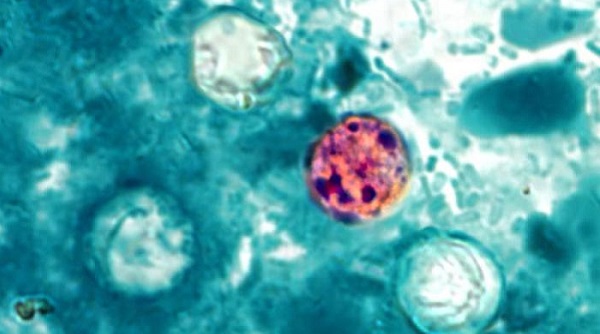
Cyclosporiasis is an intestinal illness caused by the Cyclospora parasite. It spreads through contaminated food or water and can cause prolonged diarrhea that may lead to dehydration and other complications, if left untreated.
Article continues below this ad
As of Aug. 4, cyclosporiasis cases nationwide total at least 10,468, with more than 12,255 additional cases under investigation, according to the Centers for Disease Control and Prevention.
Dr. Philip Huang, Dallas County’s health director, said individuals who are at risk from related complications include older adults, young children and people with weakened immune systems or chronic health conditions.
Related: How to protect your children from cyclosporiasis
Huang said individuals with kidney or heart disease, for instance, should be especially cautious because prolonged diarrhea and dehydration can worsen existing medical conditions.
Recognizing dehydration-related symptoms, Huang said, is critical to high-risk groups staying safe
Article continues below this ad
“People in those high-risk groups really should contact their healthcare providers sooner than later, rather than waiting for any symptoms to worsen,” Huang said.
How many cyclosporiasis cases have been reported in Texas?
Huang said as of Aug. 3, Dallas County has confirmed 33 cases, with 14 additional cases under investigation.
Texas is now reporting 188 confirmed cyclosporiasis cases, with 10 additional probable cases identified, as previously there have been 37 cyclosporiasis-associated hospitalizations in Texas, but no deaths have been reported
Related: Texas reports dozens more cyclosporiasis cases. Most cases still from two regions in state
Article continues below this ad
How can I protect myself from cyclosporiasis?
Huang said to pay close attention to any recalls associated with cyclosporiasis and to continue practicing regular food safety habits.
If you’ve been avoiding lettuce, some companies growing or distributing lettuce said their products are safe to eat. Although federal officials have linked the cyclosporiasis outbreak — now spanning 15 states — to contaminated lettuce, the outbreak in Texas is currently considered to be different, meaning its
Michigan’s State Health and Human Services department said both individuals who died became ill prior to the voluntary recall of iceberg lettuce, which was announced July 17 by the Food and Drug Administration.
Related: Amid rising cyclosporiasis cases, here’s what lettuce is safe to eat right now
Article continues below this ad
Previous cyclosporiasis outbreaks have been linked to basil, cilantro, lettuce, raspberries and snow peas, according to the FDA.
The CDC recommends washing all fruits and vegetables before eating, cutting or cooking. Firm fruits and vegetables, such as melons or cucumbers, should be scrubbed with a produce brush.
Although washing may help prevent cyclosporiasis, cooking is the only thing that can kill the parasite. Foods must be cooked to at least 158 degrees in order to remove the parasite.
