

Published On 18 Aug 2026
The administration of United States President Donald Trump has added the head of the International Criminal Court (ICC) as well as one of its senior lawyers to a list of sanctioned individuals
On Tuesday, US Secretary of State Marco Rubio framed the widening sanctions as part of his campaign to “dismantle” the international court
Recommended Stories
list of 3 items
- list 1 of 3ICC body urges Chad and Venezuela to reverse course on withdrawal
- list 2 of 3Rights groups launch new legal challenge to Trump campaign against ICC
- list 3 of 3Hegseth cautions that ICC may investigate US boat strikes in Latin America
end of list
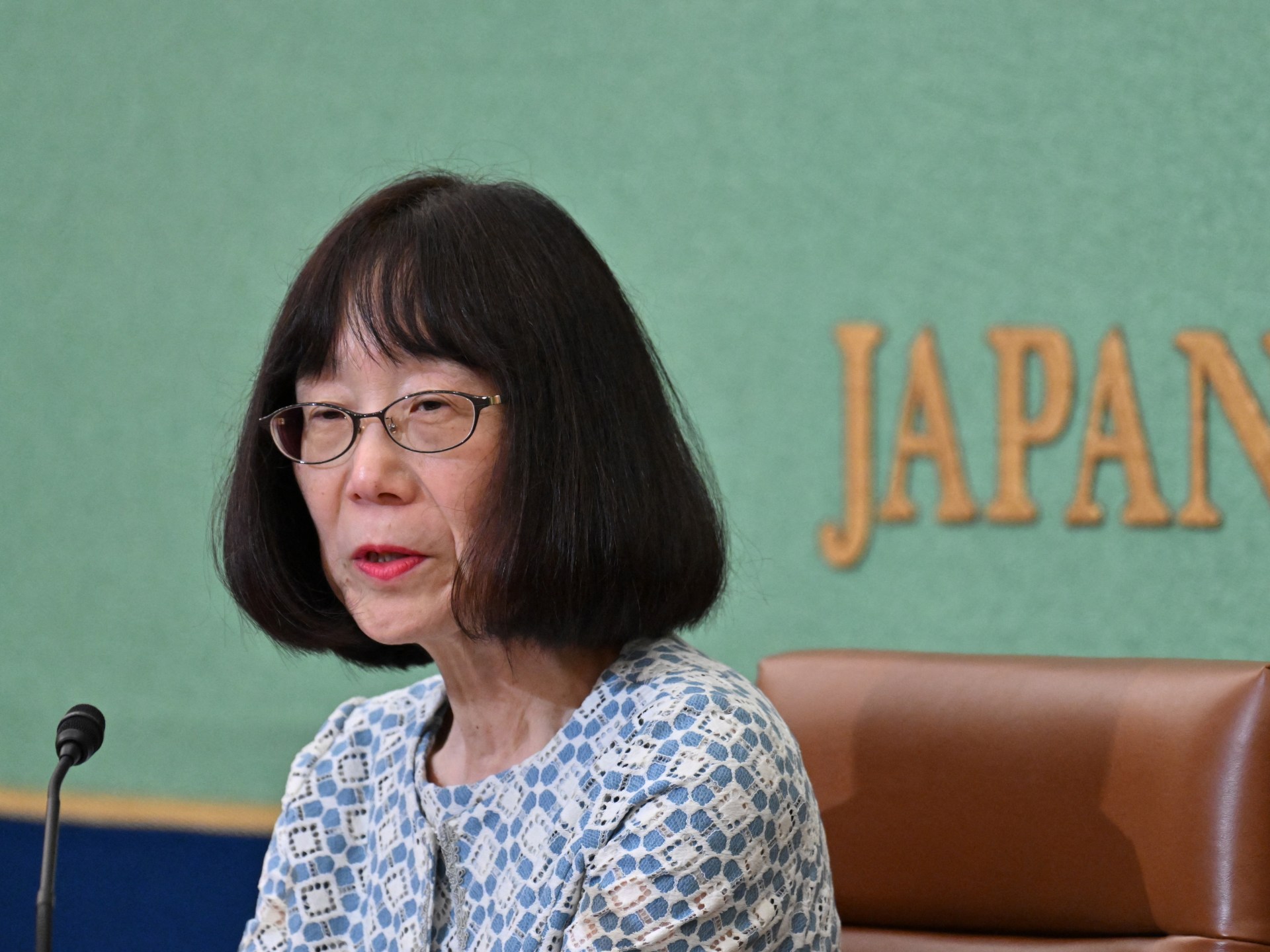
“The Trump Administration is sanctioning ICC President Tomoko Akane and Senior Trial Lawyer Abdoulaye Seye in our unwavering mission to protect Americans from this sham of a court,” Rubio wrote on social media
“In honor of our Declaration of Independence, Americans will never be transported beyond seas to be tried for pretend offenses.”
Akane, a Japanese judge, has served as the ICC’s president since her election in March 2024. Seye, who hails from Senegal, works as a senior trial lawyer at the court
The sanctions freeze any assets they may have in the US and also limit US-based entities from conducting transactions with them, starting on September 17
The US has sanctioned more than a dozen judges and prosecutors from the ICC, triggering a response from financial institutions that cuts them off from much of the international banking system
It has also issued financial restrictions against human rights groups and figures like United Nations special rapporteur Francesca Albanese, citing their cooperation with the ICC
In June, three ICC judges sued the Trump administration over the sanctions, calling them an “arbitrary and capricious” means of curtailing the court’s judicial independence
Advertisement
The ICC itself has denounced the Trump administration’s efforts as a means of eroding the rule of law
“When judicial actors are threatened for applying the law, it is the international legal order itself that is placed at risk,” the court said in a statement
The Trump administration, however, has argued that the ICC overstepped its authority by opening investigations into actions committed by the US and its close ally, Israel
Neither country is a member of the court, which is based in The Hague
But proponents have argued that the court has jurisdiction to investigate and prosecute actions carried out in its 125 member states, even if the perpetrators fall outside of its membership
The court’s mandate is to investigate grievous international crimes, including genocide, war crimes and crimes against humanity
In 2020, for instance, the ICC opened a probe into allegations of US war crimes in Afghanistan, where it had led a multi-decade war until 2021
More recently, in 2024, the ICC issued arrest warrants for Israeli Prime Minister Benjamin Netanyahu and former Israeli Defence Minister Yoav Gallant for alleged war crimes undertaken during Israel’s genocidal war on Gaza
The Trump administration has protested investigations into both US and Israeli actions
In July, Rubio issued a statement calling the court an “intolerable threat” to the countries’ sovereignty and pledging to dismantle it
Several countries, including Chad and Venezuela, have since announced plans to withdraw from the ICC, with critics citing the US’s influence as a motivating factor
But in Tuesday’s statement, Rubio doubled down on his criticism, hinting at more punitive measures to come
“The Trump Administration has been clear: the International Criminal Court (ICC) is a corrupt and fatally politicized supranational court that has maliciously abused its authority and exceeded its mandate,” he wrote in a statement. “We will not tolerate its assault on state sovereignty.”
