

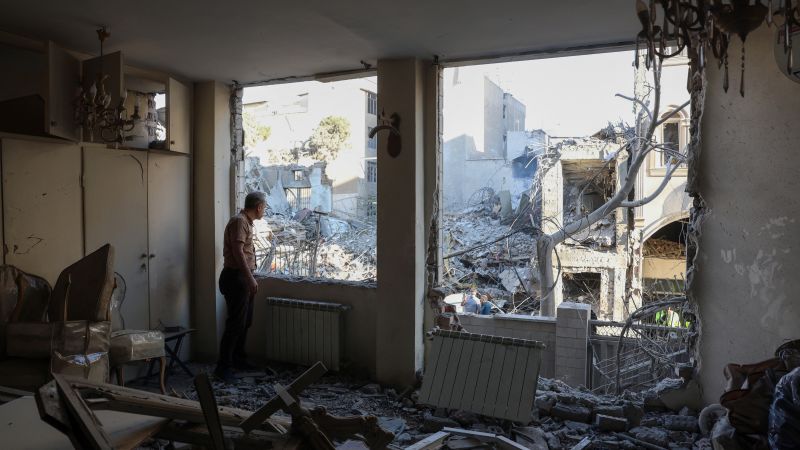
• Tensions escalate:A few days of relative calm in the Middle East came to an end Tuesday as the US military intercepted a “surprise attack” on its forces by Iran The attack came roughly a day after President Donald Trump said the US had halted strikes on Iran
• Joint US-Saudi strikes:A couple of hours later, US Central Command said American and Saudi Arabian forces conducted joint strikes “against Iran-aligned terrorists” in Iraq. Saudi Arabia’s involvement is notable as the kingdom has largely resisted being pulled fully into the recent Middle East conflict
• Impact in Iraq:The Popular Mobilization Forces, an Iran-aligned Iraqi militia, said several of its bases across Iraq were targeted by the US and Saudi strikes, and “a number of” people were killed and wounded
• Diplomatic activity:Trump met Tuesday with Israeli Prime Minister Benjamin Netanyahu at the White House. Netanyahu described the meeting as “one of the best conversations” they’ve had, citing close coordination on Iran and other security issues
8 Posts
Jordan’s military said its air defenses intercepted and brought down five missiles launched from Iran early Wednesday
“The Jordanian Armed Forces continue to fulfill their duty to protect the Kingdom’s airspace and safeguard its security and sovereignty, and will not hesitate to confront any threat to the country’s security or the safety of its citizens,” a military spokesperson said in a statement
The statement comes after Iran’s Islamic Revolutionary Guard Corps said it launched ballistic missiles at US military targets in Jordan, in a statement
Separately, US Central Command said the IRGC launched an “attempted surprise attack” on US forces in the Middle East, though it did not specify where
The US and Iran – and their respective allies and proxies – traded strikes across bases in the Middle East Wednesday as Trump held “positive and productive” talks with Ukrainian President Volodmyr Zelensky and Israeli Prime Minister Benjamin Netanyahu at the White House
Catch up on the latest
- Iranian attack:The US military intercepted several ballistic missiles fired by Iran in an attempted “surprise attack” on US forces in the Middle East, US Central Command said Tuesday. CENTCOM did not give details on the locations targeted. Oil prices rose 5% after the news.
- Joint US-Saudi strikes: CENTCOM also said the US and Saudi Arabia conducted joint strikes against Iran-backed “logistics and weapon sites” in Iraq. Iranian officials condemned the deadly attack – calling it a “violation of Iraq’s sovereignty” and a “highly dangerous escalation.” Officials said several buildings were damaged and “a number of people” killed and wounded.
- Diplomatic activity: Trump met with both Netanyahu and Zelensky at the White House over the past two days. White House press secretary Karoline Leavitt described both meetings as “positive and productive,” while the Israeli leader described the meeting with Trump as “one of the best conversations” they’ve had, citing close coordination on Iran and other security issues. All the leaders later attended the funeral for Sen. Lindsey Graham at the National Cathedral.
An Iran-aligned Iraqi militia said several of its bases across Iraq were targeted by US and Saudi airstrikes early Wednesday
“A number of” people were killed and wounded in the strikes, which also damaged several buildings, according to preliminary information, the Popular Mobilization Forces said in a statement
“We consider this targeting to be a highly dangerous escalation, a violation of Iraq’s sovereignty, and an attack on its official security institutions,” the PMF said
The US military and Saudi Arabian forces said they conducted joint strikes against Iran-backed militias in Iraq Wednesday, in response to attacks on US forces and Saudi oil facilities
Some context:The PMF is an umbrella organization within Iraq’s official security forces, which Iran has increasingly co-opted to wield its influence in the neighboring country. It is mostly made up of Shiite paramilitary groups
It was established in 2014 as the ISIS militant group advanced across Iraq. Calling for Iraqis to volunteer alongside state forces, the government brought new volunteers and existing militias under the PMF umbrella. It played a major role in defeating ISIS and retaking Iraqi territory, before being formally incorporated into the state security apparatus in 2016
Some powerful militias within the PMF have close ties to Iran’s Islamic Revolutionary Guard Corps and form part of Tehran’s “Axis of Resistance” in the region, along with groups such as Hezbollah in Lebanon, Hamas in Gaza and the Houthis in Yemen. These Tehran-backed PMF groups have frequently launched attacks against the US and its allies in the Middle East
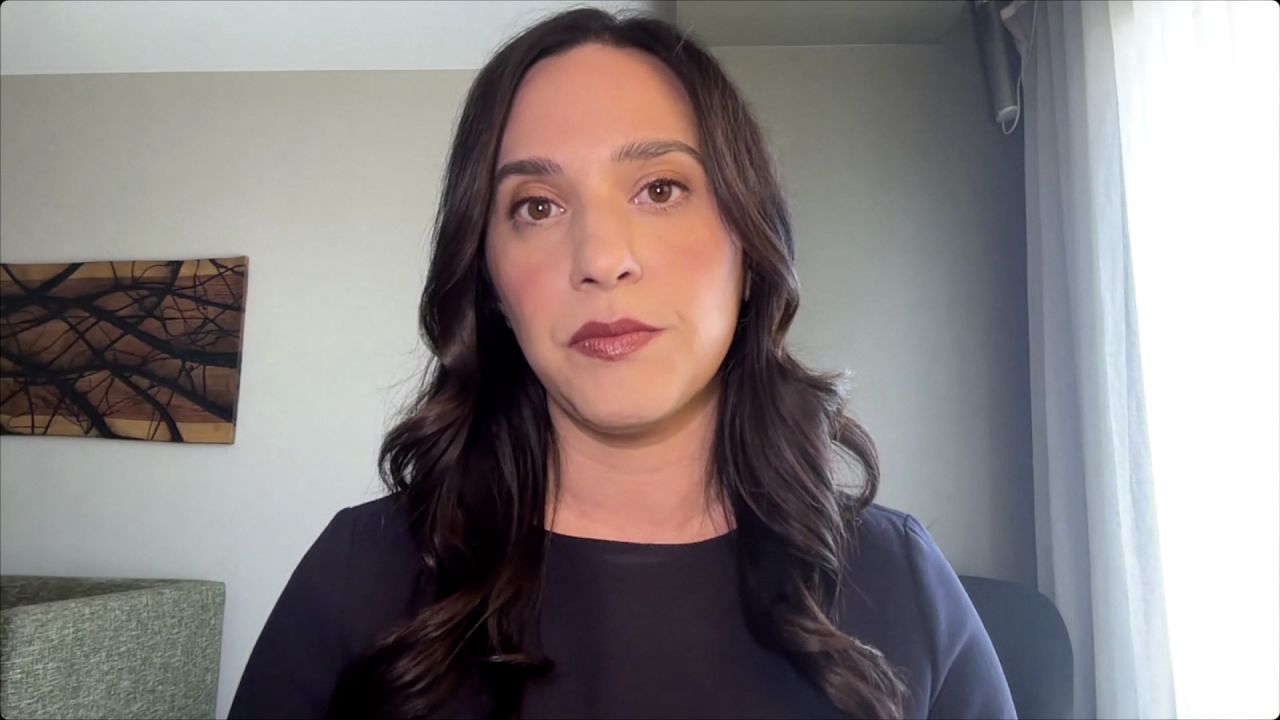
Rep. Ansari on deadly U.S. bombing of Iranian school: ‘This is a national shame’
2:03• Source:
CNN
Rep. Ansari on deadly U.S. bombing of Iranian school: ‘This is a national shame’
2:03
Democratic Rep. Yassamin Ansari joined CNN’s The Lead to discuss the February 28 US strike on the Shajareh Tayyiba school in Minab that left 168 children and 14 adults dead
Earlier this month, threento the US strike has sat for months with a military command while leaders have held off on ordering a critical, standard intelligence review to help determine what happened
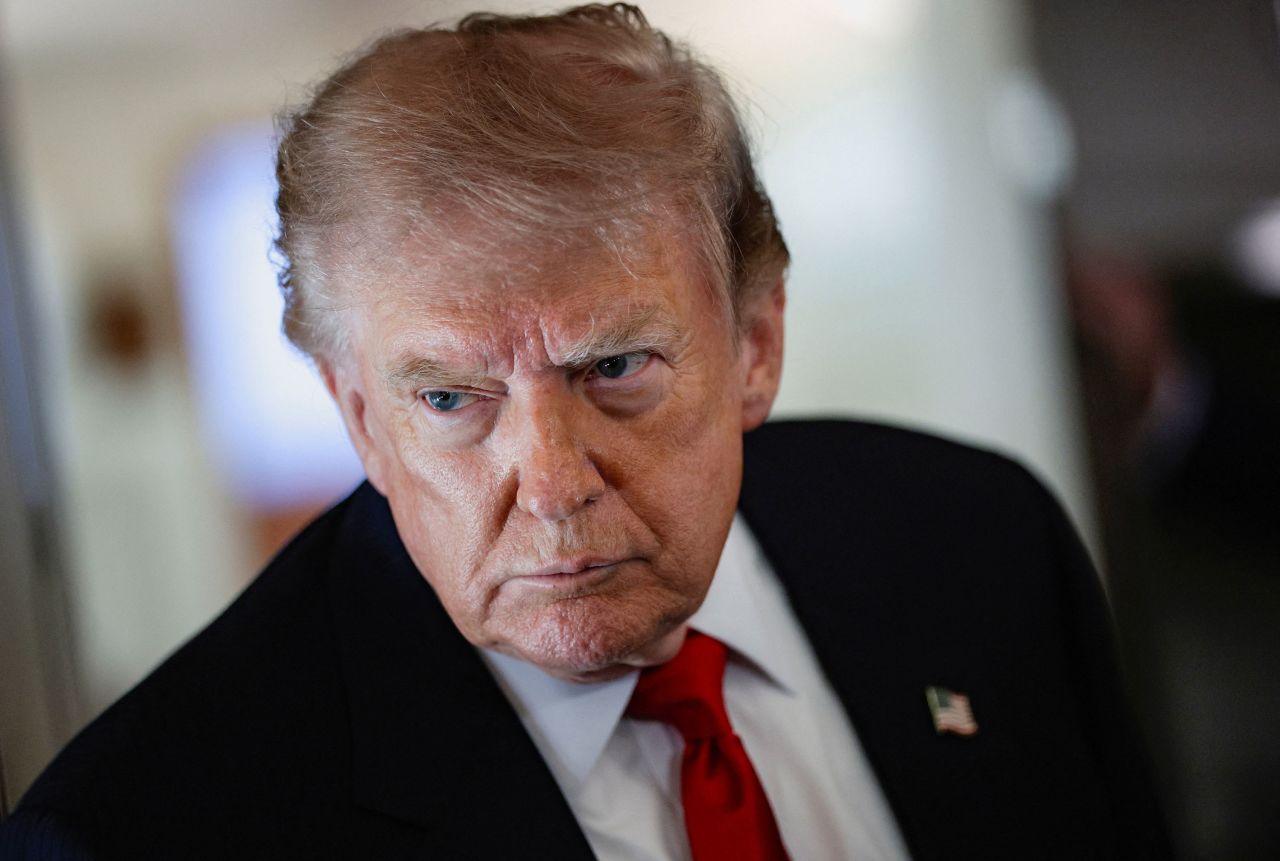
U.S. Presient Donald Trump speaks to reporters aboard Air Force One en route to Michigan, on July 27.
The United States and Iran remain poles apart on key issues but there have been developments in diplomatic conversations between heads of government
The key things you need to know:
• White House meetings: President Donald Trump on Tuesday hosted two closed-door meetings with Israeli Prime Minister Benjamin Netanyahu and Ukrainian President Volodymyr Zelensky. White House press secretary Karoline Leavitt described both meetings as “positive and productive,” while Netanyahu hailed “one of the best conversations” he and Trump have had, citing close coordination on Iran and other security issues. All the leaders later attended the funeral of Sen. Lindsey Graham at the National Cathedral.
• Ukraine-Iran tensions: Ukrainian Foreign Minister Andrii Sybiha said he stressed the need to avoid “unnecessary escalation” in a “frank” call with his Iranian counterpart Abbas Araghchi. Iranian officials have ramped up threats toward Kyiv after a recent attack by Ukraine on what Tehran said was an Iranian vessel in the Caspian Sea
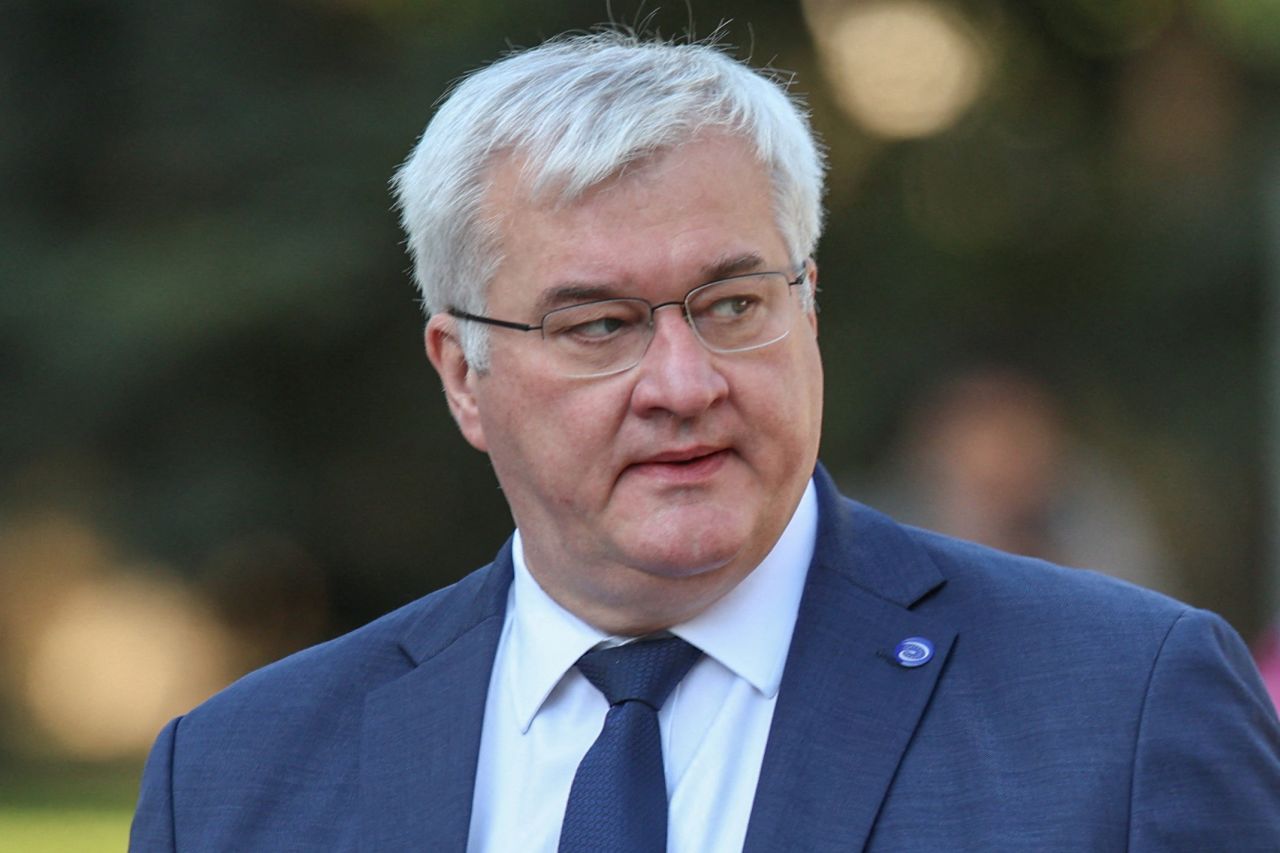
Ukrainian Foreign Minister Andrii Sybiha arrives at the 135th Session of the Committee of Ministers of the Council of Europe at the Palace of the Republic in Chisinau, Moldova, on May 15.
• Iran’s energy consumption: Israeli Defense Minister Israel Katz said the US has been preventing Israel from striking Iranian energy infrastructure due to economic and energy concerns. Meanwhile, Iranian officials are urging the public to reduce their energy use and warning of possible power outages as Iran has lost around 230 million cubic meters per day of natural gas production capacity since the start of the war, Iran’s Islamic Republic News Agency (IRNA) reported
• Weapons production: Iran’s defense industry is expanding production and prioritizing air- and sea-based capabilities, a senior Iranian defense official claimed on Tuesday. That’s in contrast to US Defense Secretary Pete Hegseth’s statement in <a href="https://www.war.gov/News/News-Stories/Article/Article/4434312/hegseth-says-irans-defense-industrial-base-nearing-complete-destruction/” rel=”nofollow noopener” target=”_blank”>March that Iran’s defense industrial base was nearing “complete destruction” and that its ballistic missile production capacity had been “functionally defeated.” CNN reported in May that Iran was rebuilding its damaged military industrial base faster than expected.
• Strait of Hormuz: Iran’s military warned that any ships belonging to a country or company using frozen Iranian assets will be blocked from transiting the strategic waterway, according to the state-run broadcaster. The warning came after Trump said last week that any damage to ships or cargo “will be paid for by Iranian money that the US has in its possession, and controls.”
CNN’s Aida Karimi, Victoria Butenko, Billy Stockwell, Aileen Graef, Tal Shalev, Mohammed Tawfeeq, Mustafa Qadri, Svitlana Vlasova and Dana Karni contributed to this report
The February 28 US strike on the Shajareh Tayyiba school in Minab occurred while the US military was conducting strikes on a neighboring Islamic Revolutionary Guard Corps facility, the initial investigation found. Iranian state media said that 168 children and 14 adults died in the attack. Families are still grieving the victims
CNN’s Jake Tapper tells us more:
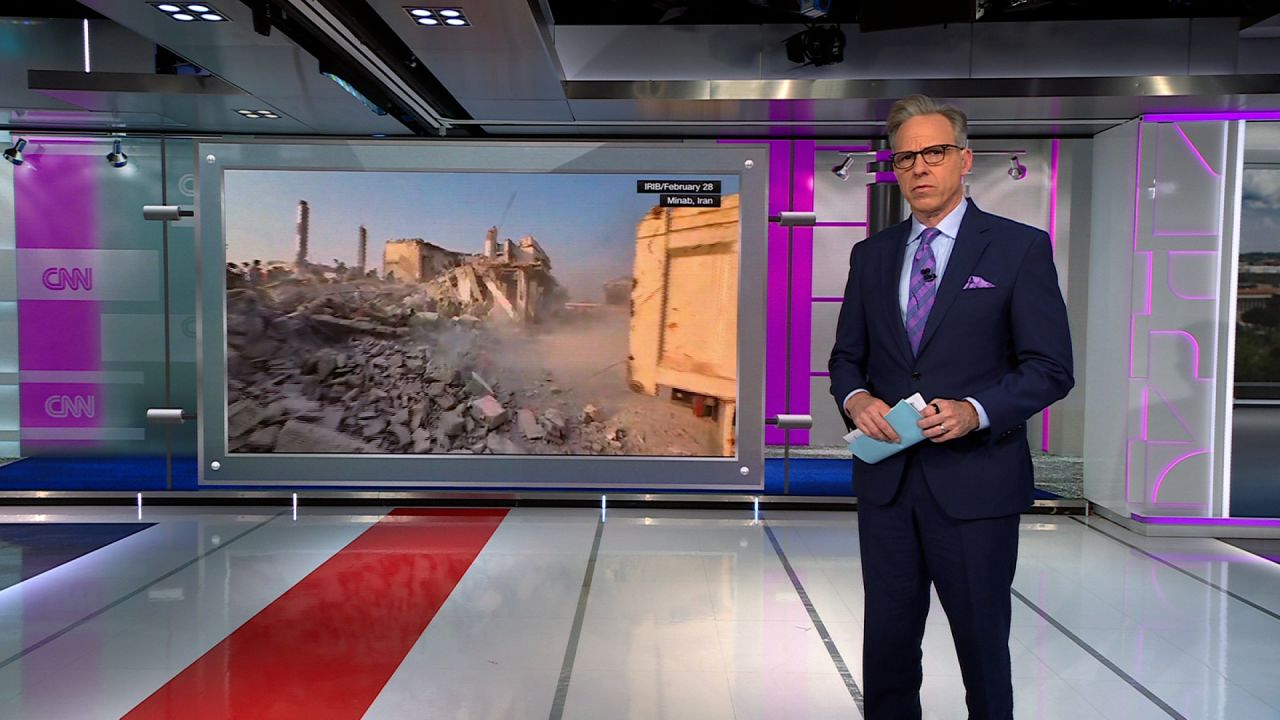
Five months later: Victims of the deadly U.S. strike on an Iranian school
5:11• Source:
CNN
Five months later: Victims of the deadly U.S. strike on an Iranian school
5:11
Israeli Prime Minister Benjamin Netanyahu described his meeting with US President Donald Trump on Tuesday as “one of the best conversations” the two leaders have had, citing close coordination on Iran and other security issues
Netanyahu left the White House at 12:25 p.m. ET after talks that began at 11:03 a.m. ET, according to the administration. Senior officials from both governments attended the meeting, which was not open to reporters
White House press secretary Karoline Leavitt called the talks “positive and productive.”
An Israeli official said the leaders also discussed US-Israeli cooperation and “various opportunities in the Middle East.”
The US military intercepted ballistic missiles fired by Iran in an attempted “surprise attack” on US forces in the Middle East, US Central Command said Tuesday
Retired Air Force Colonel Cedric Leighton, a CNN military analyst, breaks down the likely motivation behind a new Iranian attack against a US base in the Middle East and how the meeting between President Trump and Israeli Prime Minister Netanyahu could have played a role. Watch more below:
US military says it intercepted Iranian ‘surprise attack’
1:11• Source:
CNN
US military says it intercepted Iranian ‘surprise attack’
1:11
