

6 August 2026
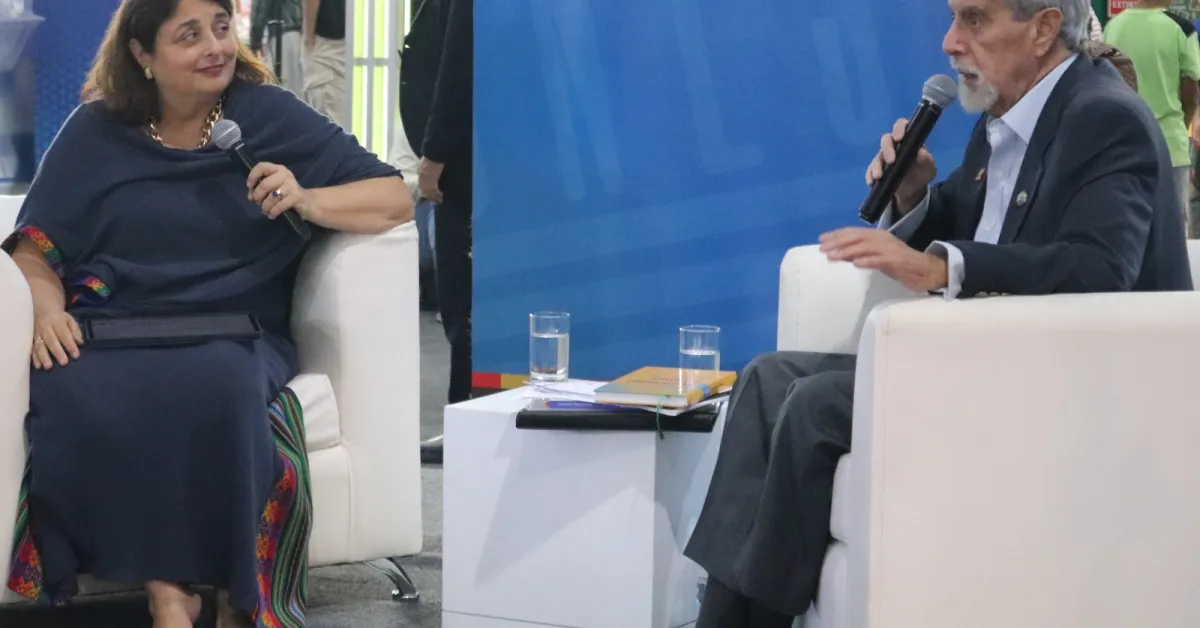
TheLima International Book Fair (FIL), one of the country’s leading cultural and civic meeting spaces, hosted theEthical Horizons of AIseries, a forum for dialogue that brought one of the most relevant conversations of our time closer to the public: how to guide the development of human-centred artificial intelligence
The initiative was framed by the Recommendation on the Ethics of Artificial Intelligence, adopted by UNESCO’s 193 Member States in 2021. This instrument constitutes the first global normative framework to guide the responsible development and use of these technologies through an approach based on human rights, human dignity, inclusion, cultural diversity, transparency and sustainable development. The series also built on the commitments set out in the Roadmap for Ethical Artificial Intelligence in Latin America and the Caribbean 2026–2027, adopted during the Third Ministerial Summit on the Ethics of Artificial Intelligence, which promotes a regional agenda to strengthen capacities, foster cooperation and consolidate the ethical governance of artificial intelligence.
The series also built on the work that UNESCO has been carrying out with the Peruvian Government to strengthen artificial intelligence governance. In 2025, both institutions presented the reportPeru: Artificial Intelligence Readiness Assessment. The document examines five dimensions—legal and regulatory, social and cultural, economic, scientific, and technical—and identifies strengths and recommendations for advancing the ethical, responsible and inclusive development and use of these technologies.

UNESCO Perú
“Artificial intelligence represents an opportunity to accelerate human development and expand human capabilities. The challenge is to ensure that this potential translates into tangible benefits for our societies through public policies, cooperation and governance based on human rights and the common good,” said Guiomar Alonso, UNESCO Representative in Peru
Artificial intelligence and human development
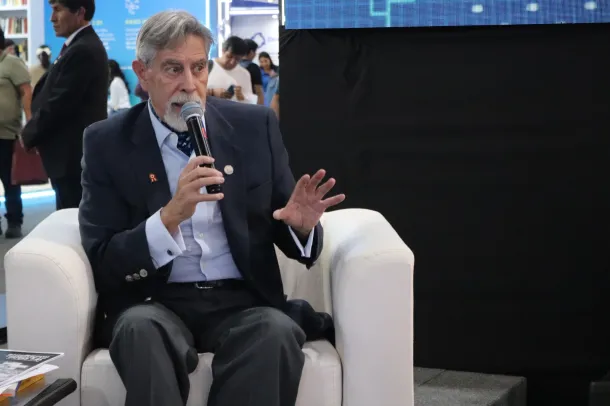
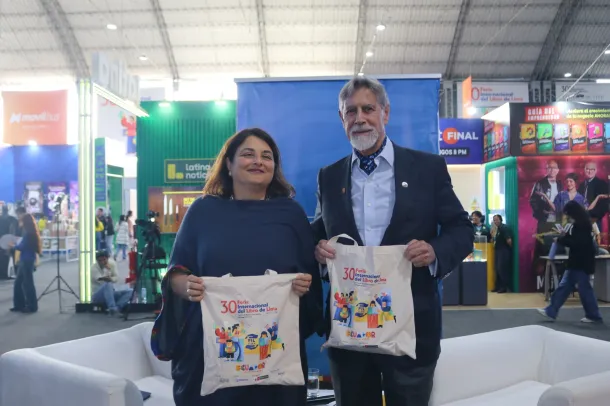
The first session of the series,Ethical Horizons of AI (I): Artificial Intelligence, Innovation and Human Development, featured Dr Francisco Sagasti, an engineer, researcher, former President of the Republic of Peru and Director of the UNESCO Chair on Knowledge and Innovation for Social Transformations at Universidad del Pacífico
UNESCO Perú
The discussion explored the potential of artificial intelligence to expand human capabilities, strengthen knowledge creation and promote innovative solutions to challenges in areas such as education, health, scientific research, productivity and climate change. It also highlighted the role of universities, international cooperation and interdisciplinary research in ensuring that Latin America not only adopts these technologies, but also contributes to their development and to the formulation of evidence-based public policies.
In this context, the work being carried out by the UNESCO Chair on Knowledge and Innovation for Social Transformations was presented. This initiative seeks to strengthen research, innovation and knowledge creation with an impact on public policies and social transformations
“Regional cooperation will be key to the development of artificial intelligence. The countries of Latin America and the Caribbean need to move forward together along this path,” said Dr Francisco Sagasti
UNESCO Perú
AI and law
The second session,Ethical Horizons of AI (II): Artificial Intelligence, Law and Governance in Latin America, featured Dr Dilmar Villena, a lawyer specialising in technology regulation and Executive Director of Hiperderecho

UNESCO Perú
The discussion addressed the challenges that the rapid development of artificial intelligence poses for legal frameworks and public policies. It also highlighted the need to establish governance mechanisms that promote innovation while ensuring respect for human rights, transparency, human oversight and accountability
The discussion also examined the value of the Recommendation on the Ethics of Artificial Intelligence as an international reference, and of the Roadmap for Ethical Artificial Intelligence in Latin America and the Caribbean as an instrument for strengthening regional cooperation, exchanging experiences and developing capacities
“In terms of public policy, before importing AI or seeking to solve everything with AI, we need algorithms and databases that are contextualised and designed for our own reality,” said Dr Dilmar Villena

UNESCO Perú
From international commitment to implementation
One of the main messages of the series was that the development of ethical artificial intelligence does not depend solely on the existence of regulations or strategies. It also requires strong institutions, technical capacities, research and public policies capable of responding to people’s needs
In this regard, it was highlighted that Peru has taken important steps through the formulation of public policy instruments, the strengthening of international cooperation and the implementation of tools such as UNESCO’s Readiness Assessment Methodology (RAM), which make it possible to identify priorities and guide evidence-based decision-making
The experts agreed that the main challenge now is to strengthen institutional capacities, develop talent, promote research and consolidate coordination mechanisms among the Government, academia, the private sector and civil society, so that artificial intelligence can make an effective contribution to sustainable development
An ongoing conversation
Through theEthical Horizons of AIseries, UNESCO reaffirms its commitment to promoting human-centred artificial intelligence and strengthening dialogue among academia, public institutions, the private sector and citizens

UNESCO Perú
The series conveyed a message shared by its participants: the future of artificial intelligence will depend not only on technological advances, but also on the ability of our societies to guide innovation through ethics, human rights and sustainable development, ensuring that these technologies help expand people’s capabilities and improve their quality of life
Related items
- Education
- Respond to Current Global Challenges (AI, Climate Change Biodiversity…)
- Artificial intelligence
- Artificial intelligence ethics
- Country page: Peru
- Region: Latin America and the Caribbean
- UNESCO Office in Lima
- See moreadd
