

Turkey Pairs Up With UAE, Egypt, Qatar, and More Countries in Asking for Immediate De-escalation of Iran–US Conflicts to Protect International Tourism Growth, Airline Operations and Millions of Travellers Across the Middle East – Travel And Tour World
Turkey Pairs Up With UAE, Egypt, Qatar, and More Countries in Asking for Immediate De-escalation of Iran–US Conflicts to Protect International Tourism Growth, Airline Operations and Millions of Travellers Across the Middle East
By: Srishty Mishra
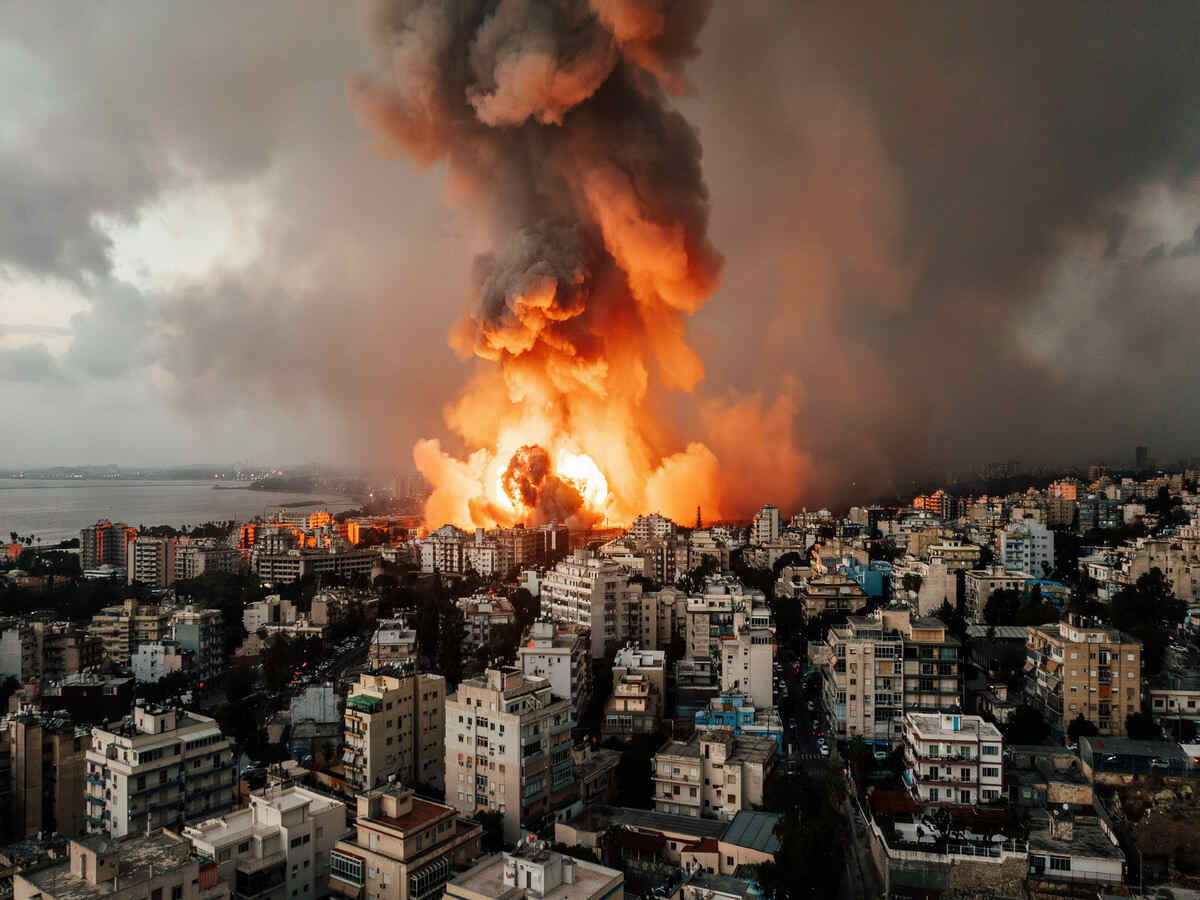
Image generated with Ai
Turkey, UAE, Egypt, Qatar and other key Middle Eastern countries are urging immediate de-escalation of Iran–US conflicts as rising tensions threaten regional tourism, aviation connectivity and global traveller confidence across one of the world’s most important travel corridors. Since 28 February, the prolonged crisis has created growing challenges for airlines, airports, hotels and tourism destinations, forcing governments to push for diplomacy to protect international travel, economic stability and the future growth of Middle East tourism. Iran’s confirmation that it received mediator-backed proposals for reducing tensions has opened a new diplomatic window, with countries including Turkey, Qatar, Oman, UAE, Egypt, Saudi Arabia and Pakistan calling for restraint to prevent further disruption across the region’s tourism and transport networks.
Turkey, UAE, Egypt, Qatar and several other countries are pushing for immediate de-escalation between Iran and the United States as prolonged tensions threaten regional tourism, aviation connectivity, business travel and international visitor confidence across the Middle East. Since tensions intensified from 28 February, governments, airlines, airports and tourism industries across the region have faced increasing uncertainty, with concerns over airspace security, flight disruptions, changing travel plans and declining traveller confidence.
Iran’s confirmation that it received proposals from mediators to reduce tensions with the United States has created a new diplomatic opening. Iranian Foreign Ministry spokesperson Esmail Baghaei confirmed that Tehran received proposals from several mediators but did not reveal details. He said diplomatic efforts have remained active and that ideas from different countries have reached Iranian officials
The development comes as regional countries continue calling for restraint, warning that further escalation could damage not only security but also one of the world’s most important tourism and a
Advertisement
Turkey Leads Regional Push Alongside UAE, Egypt and Qatar as Tourism Stability Comes Under Pressure
Turkey has emerged as one of the strongest voices calling for dialogue and reduced tensions between Iran and the United States. Ankara’s position reflects both security concerns and economic interests, as Turkey remains a major tourism hub connecting Europe, Asia and the Middle East
Millions of international travellers use Turkey as a gateway between continents, while Istanbul remains one of the world’s busiest ancertainty for airlines, transit passengers and tourism businesses
Advertisement
Advertisement
Turkey’s tourism industry has been working to attract more international visitors, but regional tensions have created challenges for traveller confidence. Concerns about wider conflict, possible airspace restrictions and regional instability can influence booking decisions, especially among long-haul travellers
The country is also concerned about the impact on regional trade routes, energy markets and airline operations, as instability around neighbouring regions can create additional pressure on transportation networks
Advertisement
Advertisement
Qatar Pushes Diplomatic Efforts While Protecting Global A
Qatar has become one of the most important countries involved in diplomatic efforts between Iran and the United States. Doha maintains relationships with both Washington and Tehran, allowing it to act as a communication channel during periods of crisis
The country’s role is especially important because Qatar has developed itself as a major global anects millions of passengers worldwide through Qatar Airways’ extensive international network
However, rising tensions since late February have created challenges for Qatar’s travel sector. Airlines operating through the Gulf must constantly assess security conditions, flight routes and operational risks
Any escalation affecting Gulf airspace could impact connecting passengers travelling between Europe, Asia, Africa and the Americas. Qatar’s tourism ambitions depend heavily on maintaining a reputation as a safe, stable and globally connected destination
Advertisement
Advertisement
UAE Faces Tourism and A
The United Arab Emirates has also called for restraint and diplomatic solutions as tensions between Iran and the United States continue
The UAE is among the Middle East’s strongest tourism markets, with Dubai and Abu Dhabi attracting millions of international visitors every year. The country’s economy depends heavily on anational events
Since tensions increased from 28 February, the UAE has faced concerns related to regional security and travel confidence. Although the country’s tourism sector remains resilient, prolonged instability in surrounding areas creates challenges for airlines, hotels and tourism operators
Dubai International Airport is one of the busiest airports in the world, serving as a major transit point for international travellers. Any disruption affecting Gulf air routes could create delays, cancellations or rerouting challenges for passengers
The UAE has repeatedly highlighted the importance of protecting regional stability, keeping trade routes open and avoiding actions that could damage civilian infrastructure
Egypt Calls for Stability as Red Sea and Middle East Tourism Recovery Faces New Risks
Egypt is another important regional country supporting de-escalation efforts. The country’s tourism sector has been recovering strongly, with destinations such as Cairo, Sharm El Sheikh, Hurghada and the Red Sea resorts attracting international visitors
Advertisement
Advertisement
However, Egypt faces challenges because regional conflicts can directly influence tourist sentiment. International travellers often evaluate the wider Middle East security environment before planning holidays
The continuation of Iran–US tensions creates uncertainty for tourism operators, especially those dependent on international visitors from Europe, Asia and North America
Egypt also has strategic concerns because instability in the region can affect shipping, energy markets and broader economic confidence
A peaceful resolution between Iran and the United States would support Egypt’s tourism recovery by improving perceptions of regional safety and encouraging more international travel demand
Saudi Arabia and Gulf Countries Warn Against Wider Regional Instability
Saudi Arabia has also supported efforts to prevent further escalation. As one of the Middle East’s largest economies and a growing tourism destination, Saudi Arabia has a major interest in regional stability
The country is investing heavily in tourism development, including luxury resorts, cultural destinations and international events under its tourism expansion plans
Advertisement
Advertisement
However, prolonged regional tensions create challenges for attracting international visitors. Travellers closely monitor geopolitical developments when selecting destinations, particularly in regions experiencing security concerns
Other Gulf countries, including Bahrain, Kuwait and Oman, are also affected by the situation because of their geographic proximity and economic connections
Oman has traditionally played a major role as a diplomatic bridge between Iran and Western countries. Its neutral foreign policy has allowed it to support communication during previous crises
Kuwait and Bahrain remain concerned about protecting their airspace, infrastructure and economic stability as tensions continue
Pakistan Supports Dialogue While Managing Regional Security Concerns
Pakistan has also encouraged diplomatic engagement and reduced tensions between Iran and the United States
The country shares a border with Iran and has a direct interest in avoiding a wider regional confrontation. Any major escalation could affect border security, trade and regional connectivity
Advertisement
Advertisement
Pakistan also faces economic challenges linked to energy markets. Instability in the Gulf can influence fuel prices, transportation costs and economic planning
Islamabad has consistently supported dialogue as the preferred solution and has encouraged regional countries to prevent further escalation
Russia and China Call for Diplomatic Solutions Amid Global Economic Concerns
Russia and China have also supported diplomatic approaches to reduce tensions
Both countries have strategic relationships with Iran and have criticised military escalation while calling for political solutions
China has significant economic interests in Middle East energy supplies and trade routes. Any disruption in the region could affect global energy markets and international commerce
Russia has also focused on diplomatic engagement, arguing that negotiations are necessary to prevent further instability
Advertisement
Advertisement
Both countries have highlighted the importance of avoiding a wider conflict that could affect global markets
European Countries Watch Middle East Crisis as Travel and Energy Risks Increase
European countries have also expressed concerns about rising tensions
Countries such as Germany and other European partners have focused on diplomacy and regional dialogue, recognising that instability in the Middle East can affect energy supplies, a
European travellers represent a major market for many Middle Eastern tourism destinations, including Turkey, UAE, Egypt and Qatar
Any decline in traveller confidence could impact hotels, airlines, tour operators and tourism-related businesses across the region
How Middle East Tensions Since 28 February Have Affected Tourism and Travel
The escalation since 28 February has created several challenges for the regional tourism industry:
Advertisement
Advertisement
Airline Operations Under Pressure
Airlines operating through the Gulf have faced increased uncertainty regarding routes, airspace planning and passenger confidence
Carriers must constantly monitor security developments and prepare alternative routes when necessary
Traveller Confidence Declines
Tourists often delay bookings when geopolitical tensions rise. Families, leisure travellers and corporate visitors may reconsider trips if they believe regional stability is uncertain
Hotels and Tourism Businesses Face Booking Risks
Hotels, resorts and travel companies depend on predictable international demand. Sudden changes in security conditions can affect reservations and future planning
Regional Connectivity Faces Challenges
The Middle East is one of the world’s most important angers travelling between continents
Diplomatic Window Opens But Tourism Recovery Depends on Peace
The mediator proposals received by Iran represent a possible opportunity to reduce tensions and restore confidence. However, no final agreement has been reached
Advertisement
Advertisement
Turkey, UAE, Egypt, Qatar and other countries understand that continued confrontation could create wider consequences for tourism, a
For the Middle East tourism industry, stability is the key factor. A successful diplomatic process between Iran and the United States could help rebuild traveller confidence, protect airline networks and allow destinations across the region to continue their tourism growth journey
Turkey, UAE, Egypt, Qatar and other Middle Eastern countries are demanding immediate de-escalation of Iran–US conflicts as rising tensions threaten regional tourism, amatic push comes after weeks of uncertainty since 28 February, with countries seeking stability to protect international visitors, airline operations, hospitality growth and the Middle East’s position as a major global travel hub
Until then, governments, airlines and tourism businesses remain closely watching every diplomatic development as the region waits for signs of a lasting de-escalation
Advertisement
Tags: Iran US conflict, Middle East travel crisis, Travel News, Turkey, UAE
Advertisement
Advertisement
This content is protected under the Copyright Act. Unauthorized scraping, AI extraction, reproduction, or republication is strictly prohibited. Read ourCopyright Policy.
Follow Travel And Tour World in Google News

PARTNERS















REGIONAL NEWS
Europe

A KLM Royal Dutch Airlines Flight KL706 Boeing 787-10 Dreamliner from Rio de Jan
Monday, July 20, 2026

Monaco United with Japan, France, Cape Verde and Italy as Fine Dining Experience
Monday, July 20, 2026
America
Turkey Pairs Up With UAE, Egypt, Qatar, and More Countries in Asking for Immedia
Monday, July 20, 2026

SkyWest Operated American Airlines Flight SKW6384, Mitsubishi CRJ-701ER from Asp
Monday, July 20, 2026
Middle East
Canada Pairs Up with Australia, United States, New Zealand and United Kingdom in
Monday, July 20, 2026
Bahrain, Kuwait, Qatar, UAE, and Other Countries on Gulf A
Monday, July 20, 2026
Asia

Seychelles Teams Up With US, Dominica, Tanzania, Thailand and More as Koh Samui
Monday, July 20, 2026

India Advances Sindhudurg Tourism Growth as Maharashtra Unveils One State One De
Monday, July 20, 2026
© 2026 Travel And Tour World. All Rights Reserved.
Copyright Policy
We use cookies on our website to give you the most relevant experience by remembering your preferences and repeat visits. By clicking “Accept”, you consent to the use of ALL the cookies.Do not sell my personal information.
Settings
Manage consent
X
