NewsTechnology
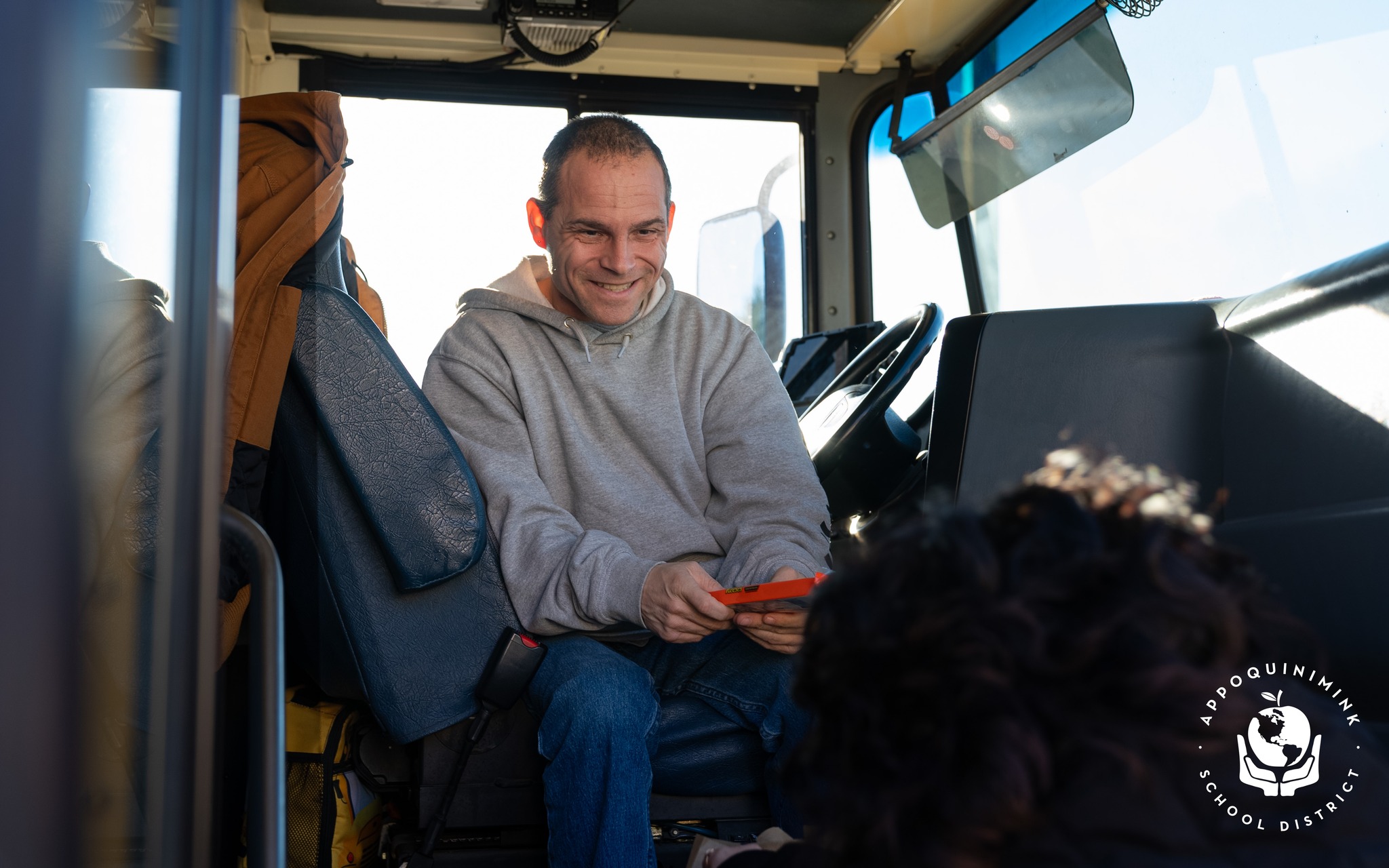
Technology Webinar Tackles the School Bus Driver Shortage
ByClaudia Newton
July 31, 2026
A webinar explored how school districts are responding to ongoing driver shortages by maximizing existing staff through better routing, unified technology and data-driven decision-making
School bus driver shortages remain the biggest operational challenge facing student transportation departments heading into the 2026-2027 school year, but some school districts are adapting by making better use of existing drivers rather than waiting for the labor market to recover. Rick Dunn, vice president of customer engagement at Zonar, shared this and more findings Thursday from the 2026 Back-to-School Readiness Report conducted in July by Zonar and School Transportation News, based on a survey of 128 transportation directors, operations managers and fleet leaders.
The webinar discussed how technology can help transportation departments improve efficiency despite staffing shortages and budget constraints
Driver Availability Remains the Top Concern
Dunn said the survey found driver availability outweighs every other operational concern for transportation leaders
“Here’s the headline: 75 percent named driver availability as their number one concern heading into fall. Not budget, not equipment, not routing, driver availability, and that number holds steady across every fleet size and every kind of operation,” he underscored
The challenge extends beyond hiring, Dunn explained. An aging workforce, shrinking recruiting pools and limited budgets mean what many in the industry have thought for decades: The driver shortage is a long-term operational issue
“This isn’t a one-year story,” Dunn said. “The state of student transportation data confirms the driver shortage stays at a top focus for the next two to three years. So, whatever we build to handle it needs to hold up for a while, not just get us through this fall.”
Only 15 percent of surveyed school districts reported they were fully prepared for the new school year, while most still had at least one significant item left unresolved before classes began. Dunn noted that compressed summer schedules and limited staffing leave little opportunity to complete every task before students return
Technology Can Improve Productivity
Rather than focusing exclusively on recruitment, Dunn encouraged districts to maximize the productivity of the drivers they already have
“The other path is to multiply the drivers you already have with tighter routing and coaching that retrains instead of polices,” he said. “Routing software means less wasted time and better coverage. Coaching means drivers who stick around instead of burning out. Put those two together, and that’s how you multiply hours without adding headcount.”
The survey reflected that strategy. Routing software ranked as districts’ top planned technology investment, followed by student ridership tracking and driver coaching tools. Dunn said those priorities directly address the operational challenges transportation departments face every day
He also urged districts to simplify operations by reducing the number of disconnected software systems that dispatchers manage
“We heard about operations running GPS with one vendor, cameras with a second, routing with a third, and student tracking with a fourth,” Dunn said. “Even when a couple of those systems technically integrate, you still don’t get one view. You get four logins and a prayer.”
Integrated Systems Reduce Daily Friction
Valeria Ríos, Zonar’s product marketing manager, said technology should eliminate administrative hurdles so transportation teams can focus on serving students
“The problem is not only the number of tools. It’s also that there is no process and no staff to manage them all,” she noted. “When you consolidate, you’re not only removing logins. You’re also removing the friction that takes up your team’s entire day.”
She shared that integrated platforms like Zonar Bus Suite also help transportation departments respond faster when drivers call out unexpectedly
“A driver calls out at 6:15 [a.m.]. In Bus Suite, you split her route, you reassign the vehicle, you message a substitute driver, and that’s all in one screen, in one moment,” she said
Technology can also make substitute drivers more successful by providing the information they need to stay on schedule
“We’re going to make it easy by assigning a route. You can follow the app. It will give you turn-by-turn directions. It will tell you which students you need to pick up,” Ríos explained. “That’s kind of where Bus Suite comes from. It’s actually to address all of their needs from the transportation industry.”
Better Data Supports Better Decisions
The presenters also highlighted the role of analytics in helping districts stretch limited staffing rebuses, recommend better vehicle assignments and provide transportation leaders with the information they need to consolidate routes when necessary
“It will give you all the data points you need to be able to consolidate those runs and make the most out of every driver that you already have,” she declared
Dunn advised districts to evaluate their existing technology before investing in additional products
“Three things to remember: Run one picture of readiness, multiply your driver hours instead of just chasing headcount, and sweat what you already own before you buy something new,” he concluded
To support those goals, Dunn and Ríos demonstrated how Zonar Bus Suite integrates routing, dispatch, live vehicle tracking, student ridership, navigation, field trip management and parent communication into a single platform. They emphasized that consolidating data and workflows can reduce manual tasks, improve visibility and help transportation departments make better use of limited staff while maintaining service levels
Watch the webinar on demand
This article was written with the assistance of AI
Previous articleWashoe County School District in Nevada Launches New Bus Tracking System
Next article(Free Webinar) School Bus Rooftop Snow Removal: ROI Tools to Help Decide Which Method is Right for You
Digital Editions
July 2026
The July issue introduces the STN 2026 Innovator of the Year, Cameron Wood, the lead electric vehicle performance analyst…
Partner Updates
Advancing Fleet Safety & Efficiency with AI Assistance

How Districts and Contractors Found Efficiency—with Data, Discipline and the Right
Introducing Zum Connected Mobility Experience (CMX™): Revolutionizing Student Mobility

The Importance of Streamlined Communication in School Bus Transportation for Safety
Buyers Guide
Buyer’s Guide 2026
Find the latest vehicle production data and budget reports, industry trends, and contact information for state, national and federal…
Multimedia
(Free Webinar) School Bus Rooftop Snow Removal: ROI Tools to Help Decide Which
(STN Podcast E317) Industry Innovation: 26-Year-Old Contractor Star & Evolving School Bus Tech

(STN Podcast E316) Recap STN EXPO West: Harmonicas, Great Gatsby & Transportation Teambuilding
Special Reports
Helping First-Time Riders Approach the School Bus with Confidence
Same Goals, Different Vehicles

Alternative Transportation Operations Also Rely on Efficiency, Communication and Collaboration