

By
DAMIAN J. TROISE
Updated [hour]:[minute] [AMPM] [timezone], [monthFull] [day], [year]
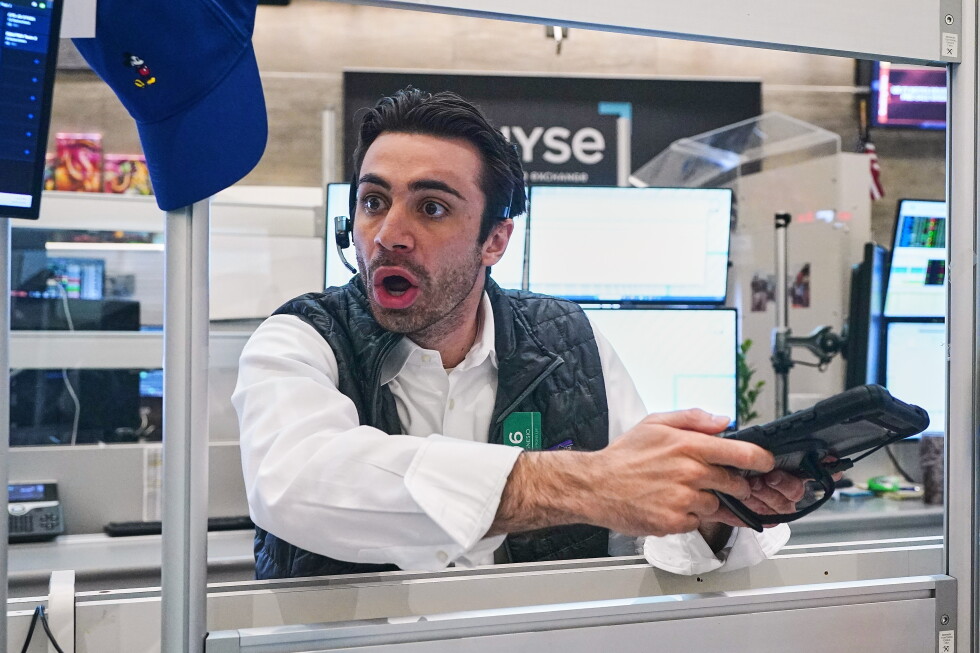
Stocks drifted to a mixed finish on Wall Street Friday as oil prices slipped for the first time in a week
Every major index lost ground overall for the week amid increasing pressure from a sharp escalation in the U.S. war with Iran. Investors are also contending with more tariffs and worries about the economy suffering under the weight of stubborn inflation
The S&P 500 barely budged in a day of uneventful trading. It rose 3.68 points, or less than 0.1%, to 7,411.98. The index notched its second consecutive losing week, which hasn’t happened since March
The Dow Jones Industrial Average rose 235.60 points, or 0.5%, to 51,947.25
The Nasdaq fell 161.87 points, or 0.6%, to 24,975.82. It was weighed down by sharp losses from several big tech stocks
Micron Technology fell 7% and Broadcom fell 2.7%. Both companies have large market values that tend to weigh more heavily on the market. They were big reasons for the technology-heavy Nasdaq lagging the market, and also why the market’s gains were kept in check despite more stocks rising than falling within the S&P 500
AP AUDIO: Stocks waver while crude oil prices fall for the first time in a week
U.S. stocks are seesawing as oil prices slip
Heavy fighting in the Middle East throughout the week again threatened to slow the global flow of oil and gas. It has been an ongoing concern for Wall Street, and now many of the buffers in the energy market from earlier in the year, including strategic reserves in the U.S., have been weakened
“If escalation continues and the Strait of Hormuz remains closed, the impact will land on an energy market with far less resilience than in the spring,” wrote Theodore Bunzel, head of geopolitical advisory at Lazard Asset Management, in a report
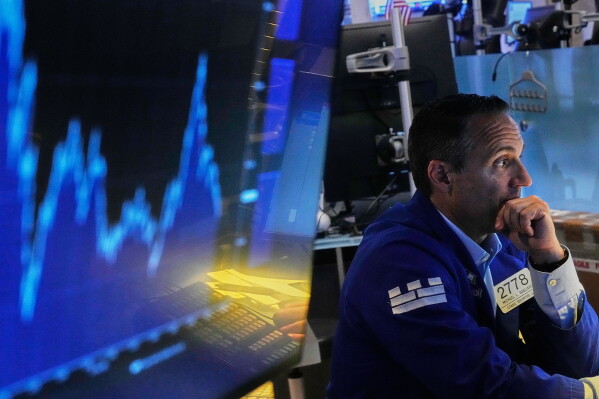
Brent oil tops $100 per barrel, as tumbles for Tesla and Alphabet yank Wall Street lower
3 MIN READ

Oil prices rise another 3%, while Wall Street drifts in mixed trading
3 MIN READ
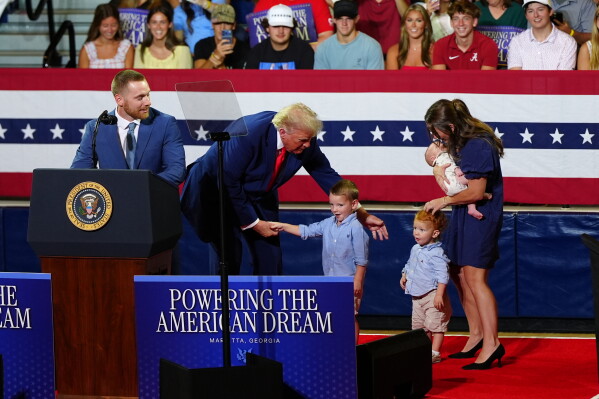
Millions have signed up for Trump Accounts, but some families are still waiting for baby’s $1,000
5 MIN READ
Brent crude, the international standard, fell 3.9% to $96.78. It has generally been rising all week and moved back above $100 on Thursday before easing a bit. Before the Iran war began in late February it was trading around $72 per barrel
Bond yields also eased and relieved some of the pressure on stocks. The yield on the 10-year Treasury fell to 4.68% from 4.71% late Thursday
Markets in Europe gained ground, while Asian markets closed lower
The U.S. is also ramping up its global trade war with a fresh round of tariffs on dozens of nations. The new round of tariffs impacts nearly all U.S. imports and they are paid by companies importing those goods, who then typically pass the added costs along to consumers. That move came just as the clock was running out Friday on stopgap levies the president imposed after a stinging defeat for other tariffs at the Supreme Court
Rising energy prices and fresh tariffs could result in hotter inflation, which has been squeezing consumers and looming over the Federal Reserve’s interest rate policy
The Fed meets later this month and has been closely monitoring prices and their impact. Rising inflation dashed hopes earlier this year for an interest rate cut. Wall Street has since leaned more toward a potential rate increase, which the central bank can use to help cool inflation
Wall Street is anticipating at least one rate hike by the end of the year, with a nearly 38% chance that could happen at the upcoming meeting next week
Higher energy costs threaten to take a bigger chunk out of household budgets, which means a shift in spending toward more basic needs, like gasoline. Nationally, a gallon of gasoline costs $4.10 per gallon That’s still lower than this spring as the conflict in Iran expanded, but it’s almost a dollar higher than last year at this time
Investors are worried about the impact to companies profits. Those profits and expectations for more growth are what typically justifies a stock’s value. The latest round of corporate earnings showed that companies are still notching growth, but concerns are growing
American Express fell 4.3% despite reporting a jump in profit during its most recent quarter. Amex maintained its profit forecast for the year and has been spending more heavily to keep wealthy individuals amid more competition
Worries about the sustainability of broader profits are on top of lingering concerns about AI-focused tech companies. Companies like Alphabet and Nvidia have been spending heavily on AI technology. Investors are increasingly questioning whether those investments will produce profits to justify the large stock values that have been steering the broader market higher throughout the year
AP Business Writers Elaine Kurtenbach and Matt Ott contributed to this report
