

Senate Ed chair’s bill would ban AI-enabled humanoid robots from teaching roles in schools
Thu, July 30, 2026 at 9:55 PM
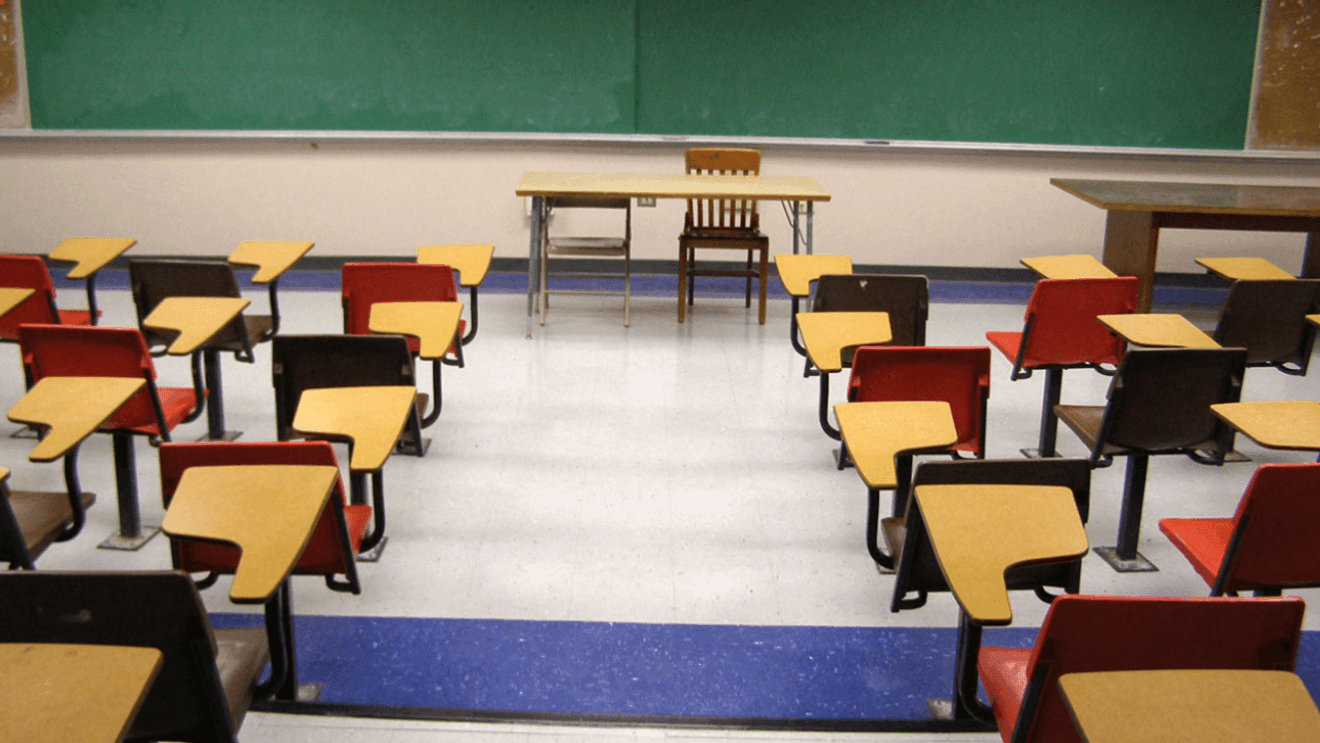
Senate Ed chair’s bill would ban AI-enabled humanoid robots from teaching roles in schools (SBG Graphic)
NEW YORK STATE (WRGB) —State Sen. Shelley Mayer, Chair of the Senate Committee on Education, introduced legislation Thursday, S.10671, to prohibit the use of artificial intelligence-enabled humanoid robots in instructional roles in New York’s schools
The legislation is in response to the Salamanca City Central School District’s plan to introduce an AI-enabled humanoid robot into a classroom. The robot, known as “Sally,” was designed to appear between 16 and 24 years old, exhibit a positive personality, and possess knowledge of the city’s local history. The district proposed using the AI robot as a tutoring aide, capable of interacting with students, helping with assignments, explaining lessons, and offering personalized educational support.
On July 24, the State Education Commission Betty Rosa wrote to Salamanca Superintendent Mark Beehler expressing concern over the effect the humanoid robot may have. The letter stated:“The Department remains concerned about the effect that a humanoid robot may have within a high school classroom. Although you confirmed that the robot would not have any role in delivering classroom instruction, a recent presentation to the board characterized the robot as a ‘tutoring platform.’ Many parents, teachers, and stakeholders, are understandably concerned about the presence of Artificial Intelligence (Al) technology in classrooms, particularly when it involves robots that resemble humans.”
Salamanca City Central School District announced later that day that the “Sally” pilot program with Realbotix was put on hold while they “work through enhanced student data privacy agreements with the New York State Education Department and continue engaging with [our] community and stakeholders.”
Senator Mayer’s legislation would require every school district, charter school, and Board of Cooperative Educational Services (BOCES) to adopt a written policy governing the use of humanoid robots in schools. This policy must prohibit the use of AI-enabled humanoid robots to perform the responsibilities of a teacher, including delivering or leading classroom instruction, providing one-on-one or small-group instruction, tutoring students, offering educational support services, assessing or evaluating student performance, grading student work, or carrying out any other duties ordinarily performed by a certified teacher.
State Senator Shelley Mayer said, “Humanoid AI robots designed to look and interact like people present unique concerns in schools, not the least of which is the impact on children. These systems have the potential to foster inappropriate emotional attachments or relationships with students, and like any technology, cannot be used to replace the human interaction that is so critical to intellectual, social and age-appropriate development. Artificial intelligence has an important place in education and can be a valuable tool. But as we begin to determine the optimal way to use AI in our schools, it can never replace the knowledge, compassion, and human connection that our educators and other staff bring to the classroom – and to the school building – every day.”
Senator Kristen Gonzalez, Chair of the Senate Internet and Technology Committee, said, “Before any new technology is introduced in educational settings, it should have evidence-backed and clear guidelines on how to achieve learning objectives. AI-powered humanoid robots lack any research and raise serious concerns about how these devices could impact the social and emotional development of children. What should be clear is that no such device could ever replace the role of teachers in the classroom. Teachers are an essential part of students’ education and their instruction and guidance cannot be automated. I have passed legislation protecting these jobs, and this bill strengthens these protections and prevents potentially harmful impacts of AI on our school communities. I am excited to have worked with Senator Mayer on this bill and look forward to continuing our work to make sure our schools use technology responsibly.”
MORE:NYSUT calls for statewide guardrails on AI, humanoid robots in schools
Senator Rachel May said, “Teachers do far more than deliver information. They mentor, encourage, and help students build the social and emotional skills they need to succeed, something a humanoid robot can’t replace. We must be thoughtful about how artificial intelligence is used in our schools, ensuring it supports education rather than replaces the human relationships that are essential to learning. Thank you to Senator Mayer for sponsoring this important legislation to establish clear guardrails for the use of humanoid robots in the classroom while protecting students’ access to a well-rounded education.”
Melinda Person, NYSUT President, said, “Sen. Mayer moved quickly, and we thank her for her leadership to create statewide guardrails so districts don’t become testing grounds for humanoid robots. This legislation begins the crucial process of defining which technology belongs in our classrooms and what should be limited. NYSUT looks forward to working with our education partners across this state to give our kids what every child deserves — meaningful human connections in the classroom — even as we teach them to navigate the technology that will shape their lives.”
NYS PTA President Patty Frazier said, “We thank Senator Mayer for starting this critical conversation about the appropriate role of technology in the classroom. While we recognize certain education-based technology may have use in instructional settings, we agree that AI technologies such as this should not have any instructional role with our students. We hope that school districts looking to expand and implement technology have meaningful conversations with parents, families, and educators about its use with our children.”
