

Attachments
- Download Report(PDF | 1.49 MB)
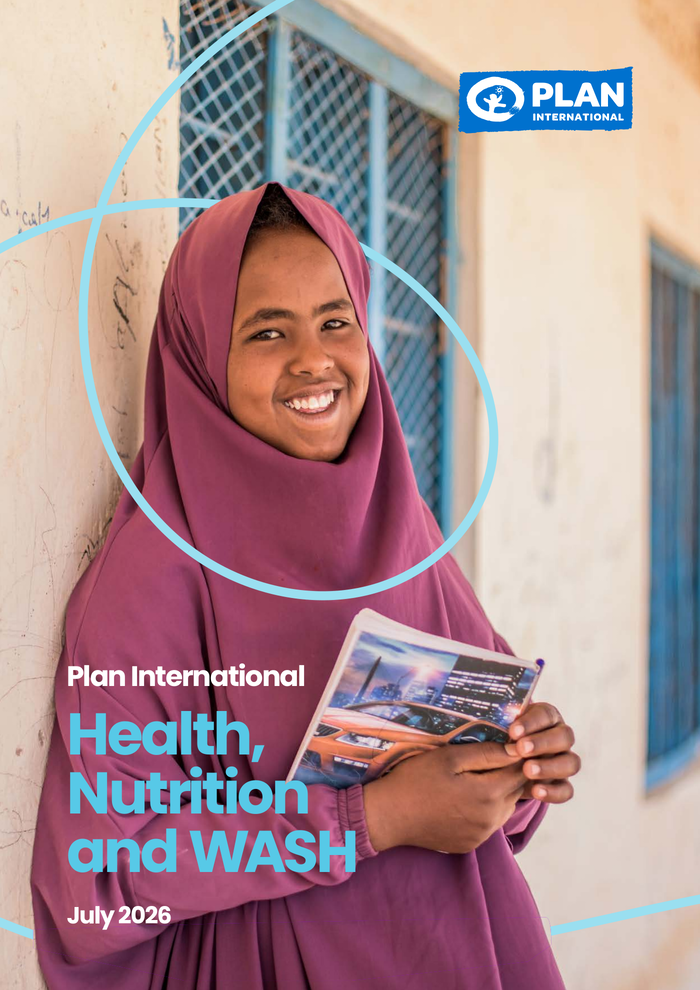
This capacity statement explains our approach to delivering health, nutrition, and water, sanitation and hygiene programmes and how this work is helping girls and their families
In 2024, 673 million people faced hunger. 2.3 billion people faced food insecurity. When food is scarce girls often eat least and last, with immediate and long term impact
Every day, more than 700 women die from preventable causes related to pregnancy and childbirth
Each year 1.4 million lives could be saved by improving access to water, sanitation and hygiene (WASH)
When girls are well-nourished, safe from preventable disease, and have access to clean water, sanitation and essential health services, they are far more likely to stay in school, avoid early marriage and pregnancy, and exercise agency over their futures
This is why prioritising health, nutrition and WASH is central to Plan’s mission: it directly addresses the structural barriers that hold girls back and enables progress towards gender equality
Our areas of programme impact
- Water, sanitation and hygiene – so that all girls and young women have access to the climate-resilient WASH services they need.
- Food security and nutrition – to ensure all children and young people eat balanced nutritious diets and can access quality nutrition services.
- Maternal, newborn and child health – so that all mothers and babies receive quality and respectful care across pregnancy, childbirth, postnatal services and early childhood.
Our approach to health, nutrition and WASH
To make sure that our programmes meet the needs of girls and their families accurately we:
- Work with partners to make sure services are accessible to all and adapted to the needs of the people we serve.
- Use research and evidence to place girls and their needs at the centre of our programmes.
- Support communities to improve systems that shape health and nutritional outcomes for girls and their families.
- Prioritise the meaningful inclusion of girls and women as decision makers, health actors, and leaders.
- Engage government and community leaders to address the negative impact of certain harmful norms and customs that limit or restrict girls’ access to health care.
- Lead awareness-raising activities that inform communities about the causes, prevention and treatment of disease and promote more balanced power relations between men and women.
- Have developed strategies and tools that enable programmes to address gender-related barriers in practical and context-sensitive ways, so that services, participation and decision-making is equal to all involved.
Download the capacity statement below to find out how our approach works in practice and the impact this work has for girls
