

One man works to slow the fastest-growing Ebola outbreak in history, and he’s doing it unpaid
1 of 6 |
After months on the job in eastern Congo’s latest Ebola outbreak, overworked frontline workers were questioning whether they would continue as they were yet to receive a salary. Wiza Bondele was one of them. (AP video shot by: Michel Kasereka Mulibwe)
2 of 6 |
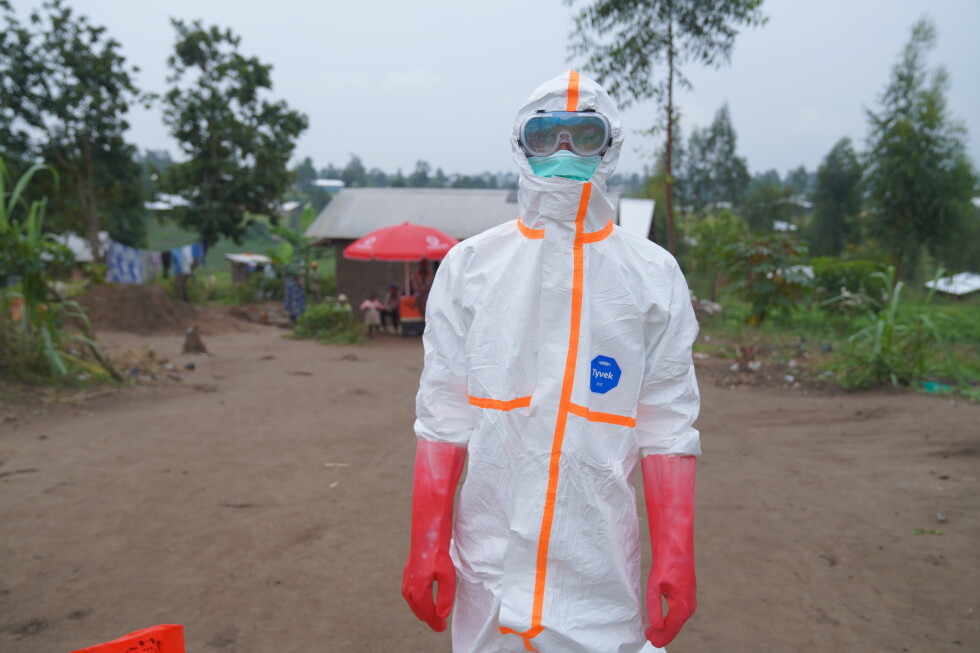
Wiza Bondele, a health worker on the prevention and control team, poses for a photograph in Ituri province, eastern Congo, Wednesday, Aug 5, 2026. /Dieudonne Dirole)
3 of 6 |
Wiza Bondele, right, a health worker on the prevention and control team, seen at his home in Ituri province, eastern Congo, Wednesday, Aug 5, 2026. /Dieudonne Dirole)
4 of 6 |
Wiza Bondele, a health worker on the prevention and control team, washes his hands upon arrival at the Ebola treatment centre in Ituri province, eastern Congo, Wednesday, Aug 5, 2026. /Dieudonne Dirole)
5 of 6 |
Wiza Bondele, a health worker on the prevention and control team, seen at his home in Ituri province, eastern Congo, Wednesday, Aug 5, 2026. /Dieudonne Dirole)
6 of 6 |
Wiza Bondele, a health worker on the prevention and control team, seen at work in Ituri province, eastern Congo, Wednesday, Aug 5, 2026. /Dieudonne Dirole)
1 of 6
After months on the job in eastern Congo’s latest Ebola outbreak, overworked frontline workers were questioning whether they would continue as they were yet to receive a salary. Wiza Bondele was one of them. (AP video shot by: Michel Kasereka Mulibwe)
2 of 6 |
Wiza Bondele, a health worker on the prevention and control team, poses for a photograph in Ituri province, eastern Congo, Wednesday, Aug 5, 2026. /Dieudonne Dirole)
2 of 6
Wiza Bondele, a health worker on the prevention and control team, poses for a photograph in Ituri province, eastern Congo, Wednesday, Aug 5, 2026. /Dieudonne Dirole)
3 of 6 |
Wiza Bondele, right, a health worker on the prevention and control team, seen at his home in Ituri province, eastern Congo, Wednesday, Aug 5, 2026. /Dieudonne Dirole)
3 of 6
Wiza Bondele, right, a health worker on the prevention and control team, seen at his home in Ituri province, eastern Congo, Wednesday, Aug 5, 2026. /Dieudonne Dirole)
4 of 6 |
Wiza Bondele, a health worker on the prevention and control team, washes his hands upon arrival at the Ebola treatment centre in Ituri province, eastern Congo, Wednesday, Aug 5, 2026. /Dieudonne Dirole)
4 of 6
Wiza Bondele, a health worker on the prevention and control team, washes his hands upon arrival at the Ebola treatment centre in Ituri province, eastern Congo, Wednesday, Aug 5, 2026. /Dieudonne Dirole)
5 of 6 |
Wiza Bondele, a health worker on the prevention and control team, seen at his home in Ituri province, eastern Congo, Wednesday, Aug 5, 2026. /Dieudonne Dirole)
5 of 6
Wiza Bondele, a health worker on the prevention and control team, seen at his home in Ituri province, eastern Congo, Wednesday, Aug 5, 2026. /Dieudonne Dirole)
6 of 6 |
Wiza Bondele, a health worker on the prevention and control team, seen at work in Ituri province, eastern Congo, Wednesday, Aug 5, 2026. /Dieudonne Dirole)
6 of 6
Wiza Bondele, a health worker on the prevention and control team, seen at work in Ituri province, eastern Congo, Wednesday, Aug 5, 2026. /Dieudonne Dirole)
By
PROSPER HERI NGORORA and MARK BANCHEREAU
Updated [hour]:[minute] [AMPM] [timezone], [monthFull] [day], [year]
Leer en español
BUNIA, Congo (AP) — Wiza Bondele goes to work every day at a hospital in Congo with one goal in mind: to slow the fastest-growing Ebola outbreak on record
At an Ebola treatment hospital in the eastern Ituri province, the epicenter of Congo’s ongoing outbreak, Bondele disinfects contaminated areas, checks visitors’ temperatures and enforces handwashing protocols — work that puts him at risk of getting infected
But like hundreds of other front-line health workers, including burial teams and drivers, Bondele says he has been working without pay since the outbreak was declared in mid-May in one of Congo’s most remote and conflict-hit regions
Poor welfare for front-line workers has been a keyn health teams and facilities have forced some health workers to walk off the job, disrupting critical care in the outbreak that authorities say continues to spread at an alarming rate and faster than efforts to track it
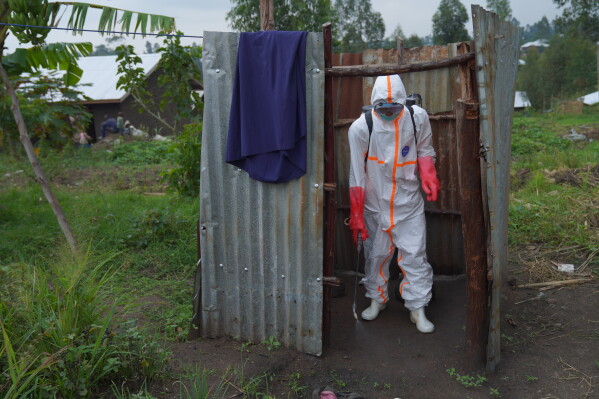
Wiza Bondele, a health worker on the Ebola prevention and control team, seen at work in Ituri province, eastern Congo, Wednesday, Aug 5, 2026. /Dieudonne Dirole)
Ebola spreads through direct contact with the bodily fluids of infected people or contaminated materials, a risk Bondele is well aware of
“Sometimes patients are bleeding or vomiting blood. We clean and disinfect those places,” the 29-year-old infection control worker told The Associated Press while on duty. “With risks like that, we deserve salaries.”
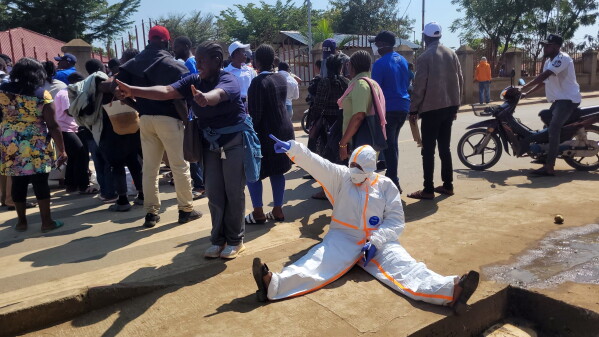
Congo monitors 200 boat passengers near Kinshasa after a traveler dies with Ebola-like symptoms
3 MIN READ
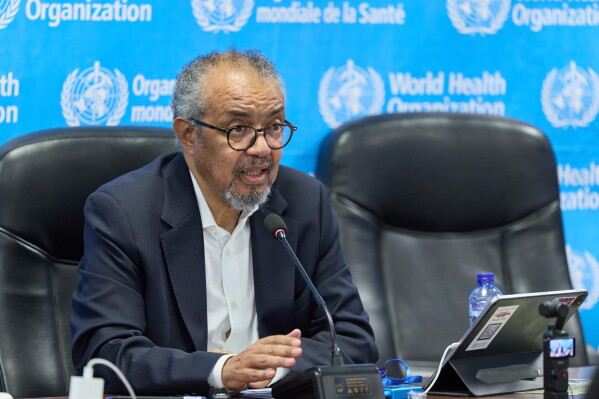
WHO chief says Ebola outbreak is outpacing response as aid workers strike over pay
3 MIN READ
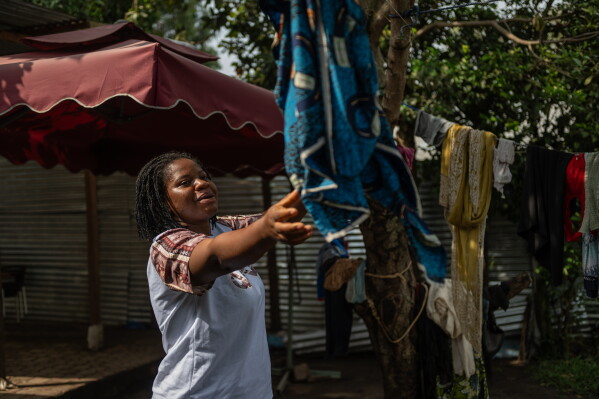
Ebola kills 1,700 in eastern Congo as the fastest-growing outbreak surges
2 MIN READ
Confirmed cases in the outbreak have exceeded 4,000, including over 1,800 deaths, according to the latest government data. It is the second-largest Ebola outbreak on record, behind the 2014-2016 West Africa outbreak that recorded more than 28,000 cases, including over 11,000 deaths. Another from 2018-2020 killed at least 2,200
This outbreak has been linked to the Bundibugyo virus, for which there are currently no approved vaccines or treatments
Workers continue despite financial strain
A veteran of Congo’s 2018 Ebola response, Bondele returned when the virus resurfaced, believing his experience could help protect his community in Ituri, which accounts for nearly 90% of the Ebola cases
Instead, he found himself among many workers who have continued reporting for duty without receiving the monthly salary of $510 that Bondele said they were promised
Officials have told them that the outstanding payments will be made, he said
During a visit to Ituri last month, Congo’s Health Minister Roger Kamba said the government is verifying a list of those working to control the outbreak, as some unrelated names have been added to the payroll
“We must ensure that these payments reach the right people,” Kamba said. “We have faced a few challenges, notably changes to the lists, which have led to complaints from people saying they are not being paid even though they are working.”
Workers have since registered their numbers to get paid through mobile money transactions, signed attendance sheets and waited for payment notifications, but only some were eventually paid, Bondele said
But even colleagues who were paid have told him they have not received the full amount, he added
Congolese authorities did not immediately respond to a request for comment on Thursday. Officials in the past have blamed logistical issues for the payment delays
Without his salary, paying rent, buying food, phone credit, covering transport costs and paying water bills have all become daily struggles. He also supports his wife, child and other relatives, responsibilities he says have become increasingly difficult to meet
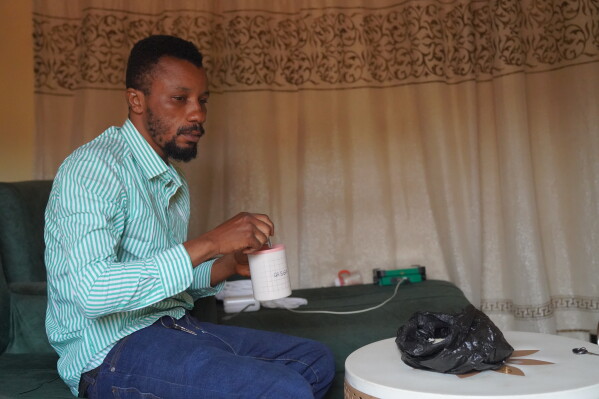
Wiza Bondele at his home in Ituri province, eastern Congo, Wednesday, Aug 5, 2026. (AP Photo/Dieudonne Dirole)
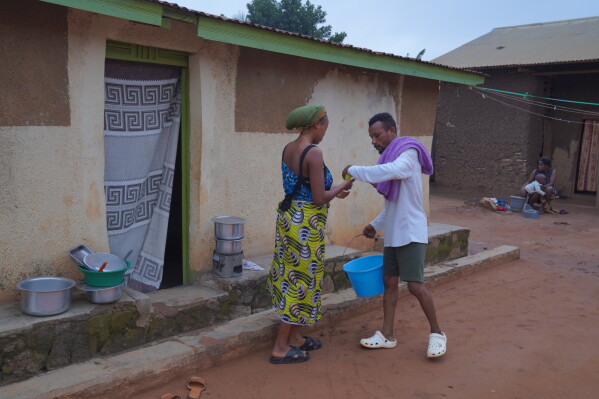
Wiza Bondele, right, at his home in Ituri province, eastern Congo, Wednesday, Aug 5, 2026. (AP Photo/Dieudonne Dirole)
One morning, the hardship became painfully visible
Setting off for work on his motorcycle, Bondele said he ran out of fuel along the way. With no money to refill the tank, he left the bike with neighbors and walked the remaining 13 kilometers (8 miles) to the hospital. By the time he arrived, he said his shoes had fallen apart
Despite the unpaid wages and hardship, Bondele and hundreds of workers continue to show up to the hospital seven days a week. He said his work is too important to abandon
“I hope their conscience tells them that I deserve to be paid,” Bondele said, referring to officials
Strikes and protests have led to disruptions
Bondele was among hundreds of Ebola response workers in Bunia who staged strikes and protests over unpaid wages in recent weeks, at times abandoning health facilities and disrupting parts of the response as the outbreak continued to spread
“We realized they (the authorities) weren’t doing anything, and that’s when we went on strike,” he said
They warned that unpaid wages were undermining morale and affecting patient care. In a statement, staff at one treatment center said they would remain on strike until “concrete solutions” were found to resolve months of unpaid wages and bonuses
Dr. Adelard Lufungula, operations manager for the government’s Ebola response, said last month that the payment problem was being resolved, with workers now paid through mobile money instead of cash and the backlog <a href="https://todaytrendnews7.com/nonfarm-payrolls-fall-by-23k-in-july-vs-80k-expected/” title=”Nonfarm Payrolls fall by 23K in July vs. +80K expected”>expected to be cleared soon
For Bondele, the explanations have done little to ease the uncertainty
“I wonder whether it is injustice or whether there simply isn’t enough money,” he said
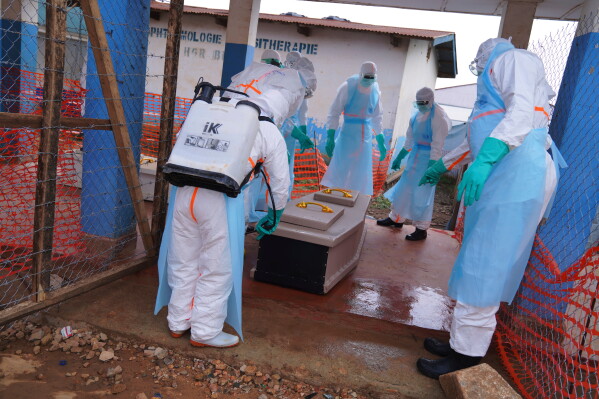
Health workers disinfect the coffin of an Ebola victim at Bunia General Hospital in Ituri province, Congo, Wednesday, July 22, 2026. /Dirole Lotsima Dieudonne)
Insecurity and residents’ mistrust complicate the response
The strikes come as the Ebola response is already battling armed conflict, widespread misinformation and deep public mistrust, all of which have made it harder for health workers to contain the outbreak
“It is very difficult to get people to understand,” Bondele said. “Sometimes while raising awareness I can be threatened or beaten, and I have to run away.”
Some communities continue resisting basic prevention measures such as regular handwashing, he said
Restrictions on traditional burials, where families are prevented from touching the highly contagious bodies of loved ones, have fueled resentment in some communities. Rumors claim that the virus is a hoax, that health workers are profiting from the outbreak or that hospitals are withholding lifesaving treatments
The misinformation has repeatedly turned violent. Angry crowds have torched Ebola treatment centers, stormed hospitals to retrieve relatives’ bodies and attacked teams carrying out safe burials. Health officials say the mistrust has also made contact tracing and early treatment more difficult, particularly in remote communities affected by rebel violence
As visitors line up for temperature checks and disinfectant is sprayed to keep the virus at bay, Bondele continues the work he says he joined out of passion
“Working this job takes a lot of courage,” he said. “But today, I am discouraged.”
Banchereau reported from Dakar, Senegal
___
For more on Africa and development: https://apnews.com/hub/africa-pulse
The Associated Press receives financial support for global health and development coverage in Africa from the Gates Foundation. The AP is solely responsible for all content. Find AP’s standards for working with philanthropies, a list of supporters and funded coverage areas at AP.org
MARK BANCHEREAU
