

ByBuffy Garvin
Today at 1:05 PM
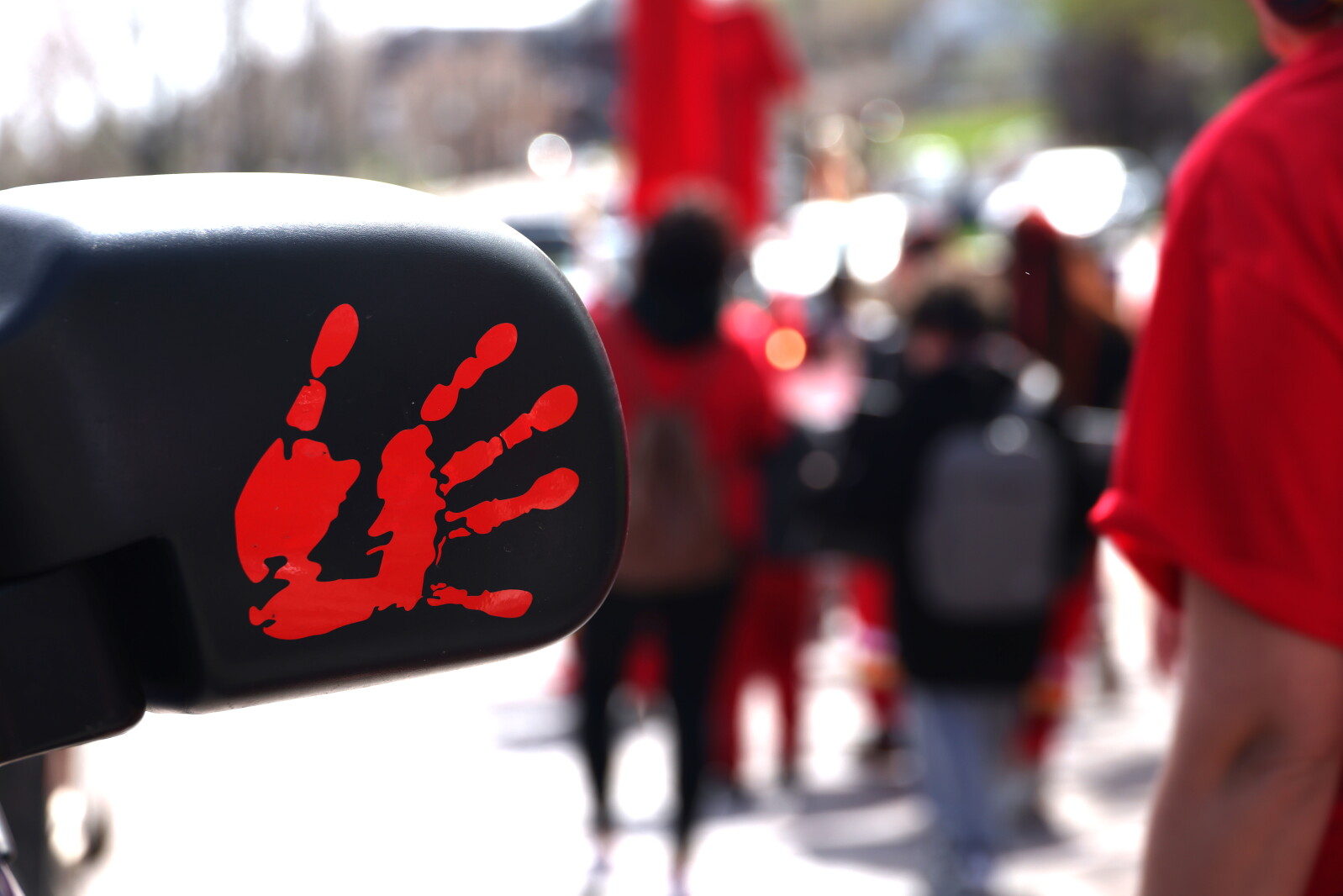
In Duluth and across the Northland, the conversation around public safety is profoundly personal. We are navigating a reality where the crisis of Missing and Murdered Indigenous Women (MMIW) is a constant and painful threat to our mothers, daughters, and sisters
In northern Minnesota, urban areas quickly give way to rural roads and limited cellphone service. For Indigenous women traveling routes between Duluth’s urban center and surrounding tribal lands, these isolated stretches create dangerous “dead zones” where it is incredibly difficult to call for help. When a loved one goes missing here, geography swallows the evidence, and time becomes a weapon. This vast landscape makes the immediate deployment of investigative tools vital
Within these spaces, the numbers paint a stark picture. In 2025,
more than 8,000 people went missing
across Minnesota, according to the state Bureau of Criminal Apprehension, and nearly 1,000 were Native American. These are not just numbers; they are our relatives. For Native families, the agony of a disappearance is too often compounded by jurisdictional confusion and a historical lack of urgency from authorities. When minutes feel like hours, we need every responsible tool available to bridge search-and-rescue gaps and locate people quickly.
One practical tool is license plate reader technology, or LPR. Unlike speed cameras, LPR systems are strictly investigative. Law enforcement utilizes them only when a vehicle is involved in a serious crime or when a vehicle’s plate is tied to a missing-person report. By extending an agency’s reach without requiring an officer at every intersection, this technology can turn the tide for families which historically have felt overlooked, providing the critical, time-stamped data needed to break through bureaucratic paralysis.
It is natural to be wary of automated cameras and data sharing. However, cross-jurisdictional data sharing is exactly how officers track a vehicle that has crossed city or state lines
Furthermore, when a camera flags a vehicle, it displays only the license plate number, the color of the vehicle, and the vehicle type, not personal driver information. Used responsibly, these systems help understaffed agencies cover massive regional areas
Public safety will always be my greatest concern, especially as a Native person who understands how deeply the MMIW crisis tears at our communities. Too many families are left searching for answers, and too many cases are left unresolved
License plate reader technology is not a perfect solution on its own, but with strict data limits and clear safeguards, it is a vital tool for saving lives. Our Indigenous women deserve the protection of a system that works, the urgency of a community that cares, and every re
Buffy Garvin of the Duluth area grew up near Grand Portage and in central Wisconsin, is a member of the Ho-Chunk Nation, and is a longtime advocate for Native communities. She wrote this, she said, as a representative of Turtle Island
Subscribers Only
Cartoons
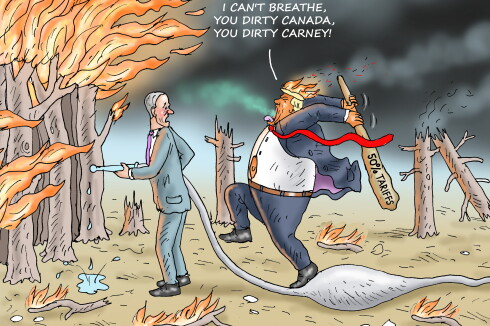
Editorial cartoon for Monday, July 27, 2026
1d ago
· By Marian Kamensky
Columns
Local View: In Boundary Waters, harm to one lake harms all
2d ago
· By David A. Lien

Subscribers Only
Cartoons
Editorial cartoon for Sunday, July 26, 2026
2d ago
· By John Darkow
Get Local
‘;
let script = document.createElement(“script”);
script.setAttribute(“data-widget-type”, “featured_jobs”);
script.setAttribute(“src”, “//widgets.recruitology.com/scripts/” + jobshqID +”.js”);
document.getElementById(“jobsHQ-hotjobs-list”).appendChild(script);
}
}
init()
Must Reads

Local
Duluth hires sustainability officer
20h ago
· By Staff reports

Prep
Duluth East chasing ‘higher standard’ at Twin Ports Summer Jam
7h ago
· By Reagan Hoverman
Local
Judge upholds life sentence in 2017 Duluth murder
8h ago
· By Tom Olsen

Local
Duluth City Council votes against adding Lester Park Golf Course questions to ballot
15h ago
· By Jimmy Lovrien
