

Michigan cyclosporiasis cases rise to 3,762, health officials update recommendations on prevention
Lettuce, salad greens possible
Samantha Sayles, Senior Digital Producer
Published: July 15, 2026 at 10:22 AM
Cyclosporiasis cases in Michigan rose slightly, state health officials reported on Wednesday, with more than 3,700 cases reported
On July 15, the Michigan Department of Health and Human Services (MDHHS) reported 3,762 cyclosporiasis cases since June 22, up from 3,309 on July 14. Of those reported cases, 44 were hospitalized as of July 9
The cases remain the highest in Monroe, Lenawee, Washtenaw, Wayne, Shiawassee, Jackson, Oakland and Livingston counties
The CDC said cases have been identified in 34 states and expects illnesses to continue increasing through the end of August, when the typical Cyclospora season ends
“Anyone experiencing gastrointestinal illness, such as sudden and ongoing diarrhea, should contact their health care provider and their local health department,” MDHHS said in a statement last week
While MDHHS and local health officials are still working to identify the directould be a possible source
No specific type of lettuce, grower, or supplier has been identified
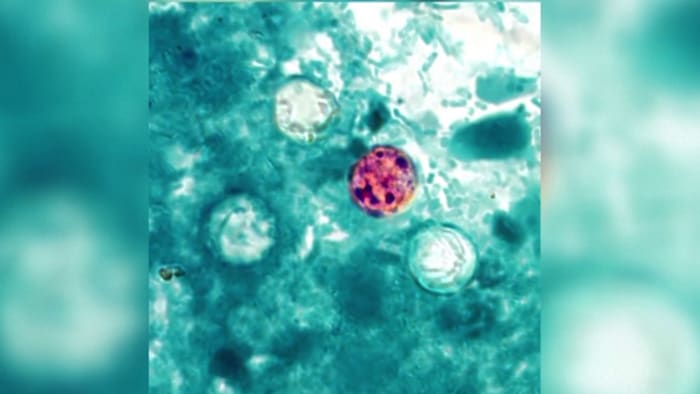
Cyclosporiasis is an intestinal illness caused by a parasite and infects the small intestine
Healthcare providers can diagnose the illness by testing a stool sample
If infected with cyclosporiasis, people may experience watery diarrhea with frequent and sometimes explosive bowel movements. People can also experience symptoms like fatigue, nausea, stomach cramps and loss of appetite
The illness can last from a few days to over a month if the illness is not treated. Symptoms could relapse
The timeframe from becoming infected to becoming sick usually takes about one week but can range from two days to two weeks or more
In the US, outbreaks of cyclosporiasis have been linked to various types of fresh produce. People can get infected with Cyclosporamore than once
Anyone who experiences symptoms of cyclosporiasis should see their healthcare provider
Related –>6 things Michiganders are getting wrong about the cyclosporiasis outbreak
MDHHS said, based on early information in the outbreak investigation and the historical link to Cyclospora and pre-packaged salad greens, they recommend people practice the following safety measures with lettuce:
- Purchase whole heads: Buy whole heads of lettuce rather than pre-washed, bagged lettuce or pre-mixed salad kits.
- Discard outer layers: Before preparation, throw away the outer two to three layers of leaves.
- Wash inner leaves: Thoroughly wash the remaining inner leaves under clean running water.
- Prioritize cooking: For any greens that can be cooked, cooking to a temperature of at least 158 F (70 C) is the safest option, as the parasite is resistant to routine chemical disinfection and washing alone cannot guarantee its removal.
Health officials said the following foods have been previously linked to Cyclospora outbreaks in the United States and Canada:
- Bagged salad mixes and kits (pre-cut lettuce blends with romaine, iceberg, red cabbage, carrots)
- Fresh cilantro (coriander leaves)
- Fresh basil
- Raspberries
- Snow peas
- Green onions (scallions)
MDHHS provided a list of recommendations on preparing, processing or serving raw produce, including restaurants and other commercial kitchens
Health officials said to take the following steps to reduce risk of exposure:
- Cilantro, basil: Wash thoroughly under running water, separating the leaves. Safest when cooked.
- Green onions: Trim the root end and remove the outer layer, wash thoroughly under running water. Safest when cooked.
- Raspberries: Their bumpy surface makes them especially hard to clean; the parasite can hide in the tiny crevices. Safest when cooked (pies, jams etc.). Consider frozen raspberries as an alternative (freezing may reduce but does not guarantee elimination of the parasite).
- Snow peas: Wash under running water and rub the surface. Safest when cooked.
MDHHS said the recommendations are essential for people who have a higher risk of dehydration or weakened immune systems, such as patients on chemotherapy, organ transplant recipients, infants and young children and elderly people
Health officials said general rules of thumb to reduce the risk of getting the illness are to cook food — when you can — to 158 degrees or higher to kill cyclospora, and wash all fresh produce under clean running water, even if you plan to peel it
Here are some reminders on food safety practices, according to the MDHHS:
- Wash hands with soap and water before and after handling or preparing food.
- Scrub firm fruits and vegetables, such as melons and cucumbers, with a clean produce brush.
- Cut away any damaged or bruised areas on fruits and vegetables before preparing and eating.
- Wash and sanitize utensils and surfaces before and after handling food. Wash and sanitize display cases and refrigerators where fresh produce is stored.
- Wash and sanitize cutting boards, surfaces and utensils used to prepare, serve or store fresh produce.
- Refrigerate cut, peeled or cooked fruits and vegetables as soon as possible.
Copyright 2026 by WDIV ClickOnDetroit – All rights reserved
