

•Pause in hostilities:President Donald Trump is giving talks with Iran “some space” after diplomatic efforts ramped up in recent days, according to the US ambassador to the United Nations. A US” Regional allies have not reported fresh Iranian attacks during the pause in US airstrikes
• Ukraine ship attack:Iran condemned an attack by Ukraine on an Iranian vessel in the Caspian Sea. Foreign Minister Abbas Araghchi warned that the incident “cannot go unanswered.”
• Maritime chokepoints slow: Commercial ship traffic through both the Bab al-Mandeb Strait and the Strait of Hormuz slowed during the weekend, according to reports
4 Posts
Iran may be better positioned than the United States to sustain a prolonged conflict because it retains a significant stockpile of weapons, while the US is expending high-end precision munitions that could take years to replace, military analyst Cedric Leighton, told CNN
“The Iranians have a vast supply of missiles and drones and rockets remaining,” said Leighton, a retired US Air Force Colonel, estimating Tehran still possesses roughly two-thirds of its original arsenal despite months of US strikes
Leighton added that US attacks have successfully targeted command-and-control sites, weapons systems and military infrastructure, but have not eliminated Iran’s ability to continue launching attacks
He cited an estimate that more than 1,400 Patriot interceptors may have been used so far in the war with Iran, and warned that if the figure was accurate, the US could be left vulnerable elsewhere while it worked to replenish stocks
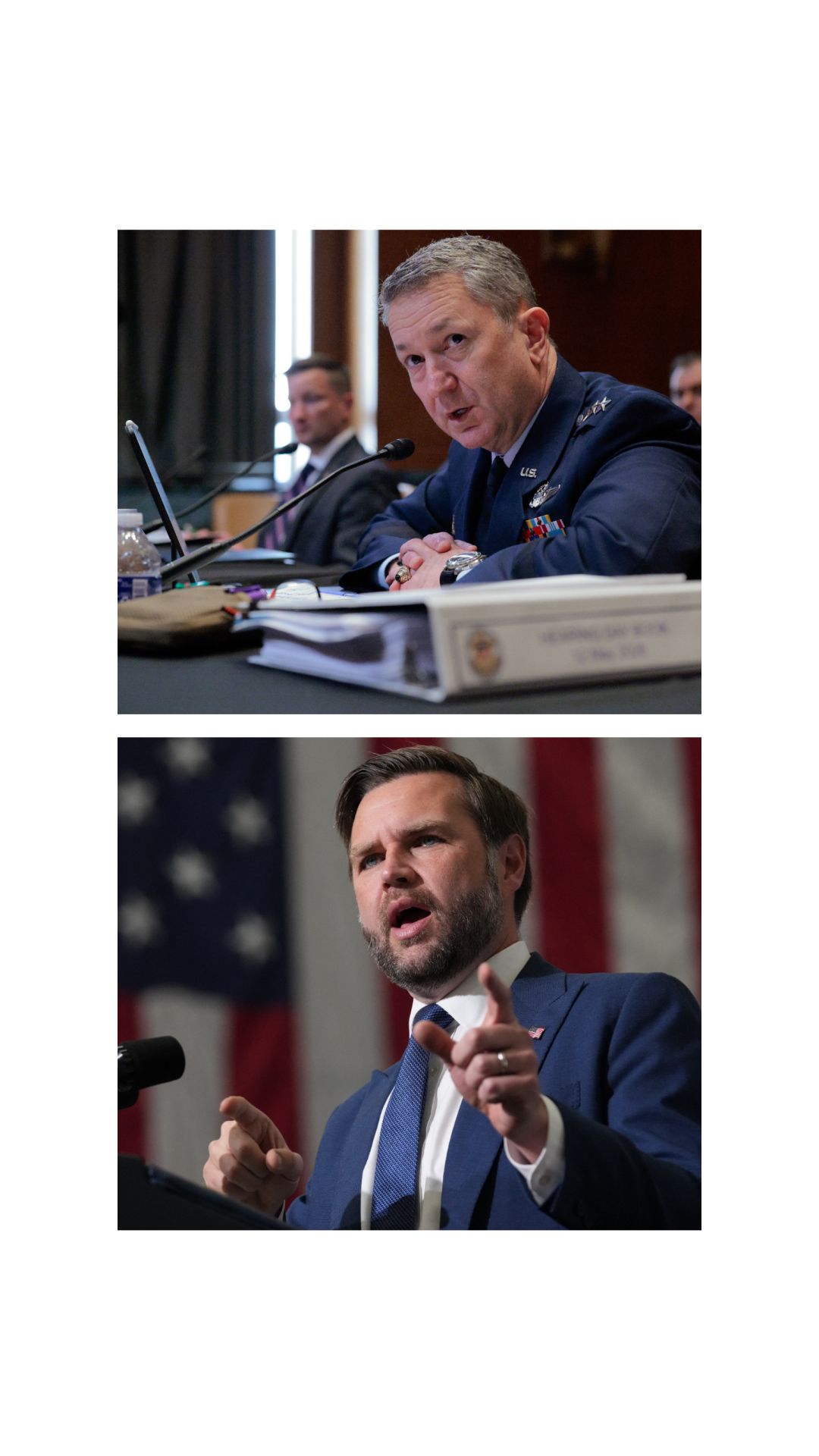
On Friday, Chairman of the Joint Chiefs of Staff Gen. Dan Caine specifically raised concerns about the US munitions stockpile and other potential negative implications of an escalation in the war with Iran at a White House meeting
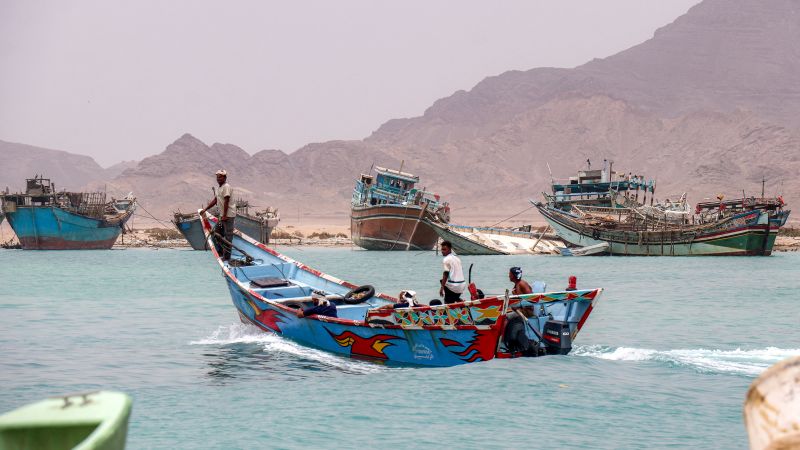
Vessels transit the Bab el-Mandeb Strait off the coast of southern Yemen on July 25.
Ship traffic through the Bab al-Mandeb Strait slowed over the weekend after Houthi rebels attacked Saudi oil tankers and threatened additional strikes on vessels linked to Saudi ports
The data showed fewer vessels transiting one of the world’s busiest maritime chokepoints, located between Saudi Arabia and Djibouti, as shipping companies reassessed security risks following the attacks
The slowdown follows a series of escalating Houthi threats and attacks targeting commercial shipping in the Red Sea. The Tehran-backed group last week declared what it called a maritime blockade along the strait, warning shipping companies against loading or unloading cargo at Saudi ports
Hormuz traffic dips: Traffic through the Strait of Hormuz – another vital shipping lane at the heart of the US-Iran conflict – has once again dipped, although no new attacks by either the United States or Iran were reported over the weekend
Fewer than 10 commodity ships passed through the Strait of Hormuz over the weekend, according to shipping data tracked by CNN. On a typical day before the war, more than 100 commercial vessels would pass through the waterway
Strikes between the US and Iran appear to have paused after nearly two weeks of nightly bombing by the American military and Iranian attacks on US allies
US Central Command has not announced new strikes against Iran in the past three days. It’s not clear if that was because there was no USmilitary action against Iran on those days
Mike Waltz, the US ambassador to the United Nations, said in interviews Sunday that President Donald Trump is giving talks “some space” to develop after diplomatic efforts ramped up over the past few days
- Munitions stockpile:Waltz appeared to acknowledge that “a lot of stockpiles are depleted,” though he insisted the US still has “everything that it needs” to continue its military campaign.
- Iranian response: Tehran has sought to paint the pause in hostilities as a victory. One official claimed it signals the US is “experiencing strategic decision-making fatigue.”
- Saudi nuclear deal: Waltz also spoke on Sunday about the deal providing a civilian nuclear program for Saudi Arabia, reiterating that it won’t take effect until the kingdom normalizes relations with Israel.
- War casualties:The Pentagon updated its war casualty database, recording more than 140 additionally wounded and restoring the four soldiers killed due to Iranian strikes earlier this month amid questions about a lack of transparency over the war’s toll.
- Price movements: Oil prices fell over 5% on Sunday amid continued turmoil in the Persian Gulf, while gas prices ticked higher as the Strait of Hormuz’s closure impacts oil trade. Meetings between Omani and Iranian officials over the weekend did not lead to any change in the status of maritime traffic through the waterway, the Iranian Foreign Ministry said.
- Supreme leader on Hezbollah: Iran’s new supreme leader Mojtaba Khamenei reaffirmed the country’s support for the Lebanese militant group Hezbollah in a letter addressed to its leader, Naim Qassem, and its commanders and fighters. Khamenei described the group as being at the forefront of resistance to Israel and its supporters.
- Ukrainian strike: Tehran also criticized Ukraine’s attack on an Iranian vessel in the Caspian Sea. Ukraine has said it struck ships transporting military goods from Iran to Russia.
CNN’s Auzinea Bacon, Mohammed Tawfeeq, Betsy Klein, Tim Lister, Aida Karimi and Chris Lau contributed reporting
US Ambassador to the United Nations Mike Waltz spoke to NBC and Fox in interviews published on Sunday about the war in Iran and the US-Saudi nuclear deal. Catch up on what he said:
Iran Escalation Talks Prompt Concerns About Munitions, Casualties
On Friday, President Donald Trump and his top advisors had talks regarding escalation in Iran, but since then the fighting has seemingly paused. CNN’s Betsy Klein reports
1:12• Source:
CNN
Iran Escalation Talks Prompt Concerns About Munitions, Casualties
1:12
President Donald Trump is allowing talks with Iran to develop during the weekend’s apparent pause in strikes
In a separate interview on “Fox News Sunday,” Waltz said diplomatic efforts have ramped up “particularly in the past few days.”
But in the NBC interview, Waltz reiterated Trump’s warning that the US military is “locked and loaded” and said the president is “keeping all options on the table.”
Waltz claimed internal divisions within the Iranian regime have made negotiations challenging
CNN reported that in a Friday meeting at the White House where Trump and top officials discussed the possibility of an escalation in the war, Chairman of the Joint Chiefs of Staff Gen. Dan Caine raised concerns about the US munitions stockpile, among other potentially negative implications
Waltz appeared to concede that “a lot of stockpiles were depleted,” casting blame on US provisions to Ukraine and what he described as the “depleted situation” the Trump administration inherited from its predecessor
Waltz reaffirmed that a deal providing a civilian nuclear program for Saudi Arabia will not take effect until the kingdom normalizes relations with Israel
The controversial deal was announced last week. But one day after it was signed, Trump placed a new condition on the pact: Saudi Arabia must first enter into the Abraham Accords
The series of agreements aimed at establishing diplomatic ties between Israel and its neighbors in the Middle East. The Saudis have historically been resistant to such efforts
He suggested that the Saudis could have gone to “the Russians for nuclear technology” or “to the Chinese for nuclear technology,” but chose the US
