

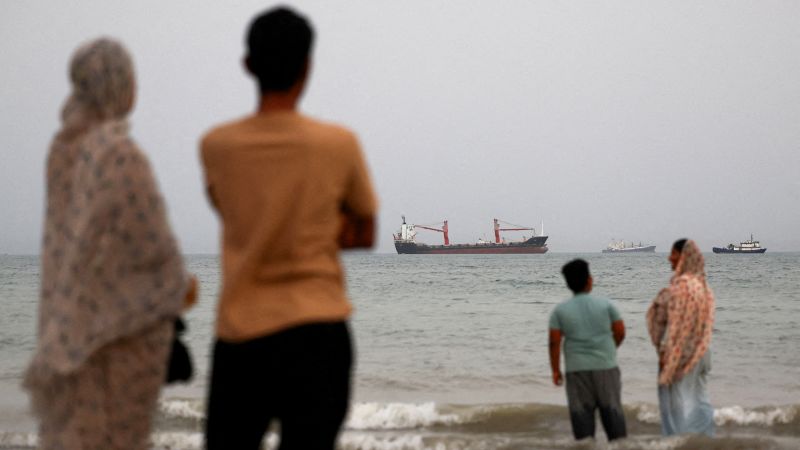
• State of talks: President Donald Trump signaled an emphasis on increasing economic pressure on Iran, saying that Washington is “low-keying” negotiations with the country. Tehran said it was not engaging in talks with the US. Oil futures rose 1.2% on the news
• Tehran’s leadership:Iran’s supreme leader has replaced his national security chief, appointing Moshen Rezaei, a regime stalwart and veteran Revolutionary Guards commander who has previously voiced skepticism about talks with the United States. Iran is in talks with Oman to approve safe passage through the Strait of Hormuz, but Tehran has issued a list of conditions for reopening the waterway
• US weapons supply:The Pentagon has asked the US defense industry to ramp up production as stockpiles run low during the Iran war. The issue has frustrated Trump, Tehran
6 Posts
Somehow President Donald Trump has maneuvered himself into a more vulnerable spot regarding Iran than any president since Jimmy Carter
As in the 1979-80 hostage crisis, the Islamic Republic is exerting political pressure that it can dial up on the US leader ahead of a national election
A week ago, Trump’s team predicted a deal to reopen the Strait of Hormuz was imminent. But Tehran, now dictating terms to the US global superpower, has imposed tough new conditions
At the same time, Trump faces a separate but related problem at home. The war’s impact on energy prices is further souring voter perceptions of the economy
In 1980, Iran exerted leverage over a US election after holding 52 Americans in Tehran in a standoff that eventually lasted 444 days. Forty-six years later, it’s not people being held hostage — but the Strait of Hormuz oil exporting route
This means the regime has another election-season pressure point as US voters — as they did with Carter — turn on a president over the economy
Read the full storyhere
President Donald Trump said the United States is “low-keying” talks with Iran in an interview Sunday, in which he highlighted Washington’s economic pressure campaign as a key tool while strikes remain on pause
“We are only semi-negotiating with them. We are just watching Iran with its huge inflation and the fact they have no money,” Trump told Axios
Iran has consistently said no direct talks can take place with the US until Washington honors the agreements from an interim deal signed in June. It has, however, been negotiating with Oman on a plan for the Strait of Hormuz
- US weapons supply:The Defense Department has urged US military contractors to ramp up weapons production amid concerns that stockpiles are running low during the war with Iran. The issue has frustrated President Donald Trump, sources previously told CNN, as he seeks to maintain leverage over Tehran.
- Tehran’s leadership:Iran’s supreme leader has appointed regime stalwart Moshen Rezaei as the new national security chief. Rezaei, a former IRGC commander, has been serving as Ayatollah Mojtaba Khamenei’s military advisor and has previously expressed skepticism about negotiations with the US.
- Strait of Hormuz:Iran is demanding the US lift its naval blockade, remove military forces from the region, compensate Iran for war damages, release frozen Iranian assets, and “correct its behavior” in order for the critical waterway to reopen. That Iran is issuing such a list underlines the perception that Tehran believes it has the upper hand.
- Oil prices up:Oil prices rose on Monday as uncertainty continued over the reopening of the Strait of Hormuz as Iran said a deal with Oman defining new shipping lanes was in its final stages, Reuters reported. Brent crude futures rose above $84 on Sunday, after trading below $80 last week.
- Widening conflict:Meanwhile, the Houthi militant group claimed Sunday strikes targeting Saudi Arabian forces in Yemen and a major oil refinery. Recent Houthi attacks underline the risk of Iranian proxy groups escalating the Middle East conflict.
CNN’s Tim Lister, Aida Karimi, Ibrahim Dahman, Catherine Nicholls, Aileen Graef, Christian Sierra, Molly English and Maureen Chowdhury contributed to this report
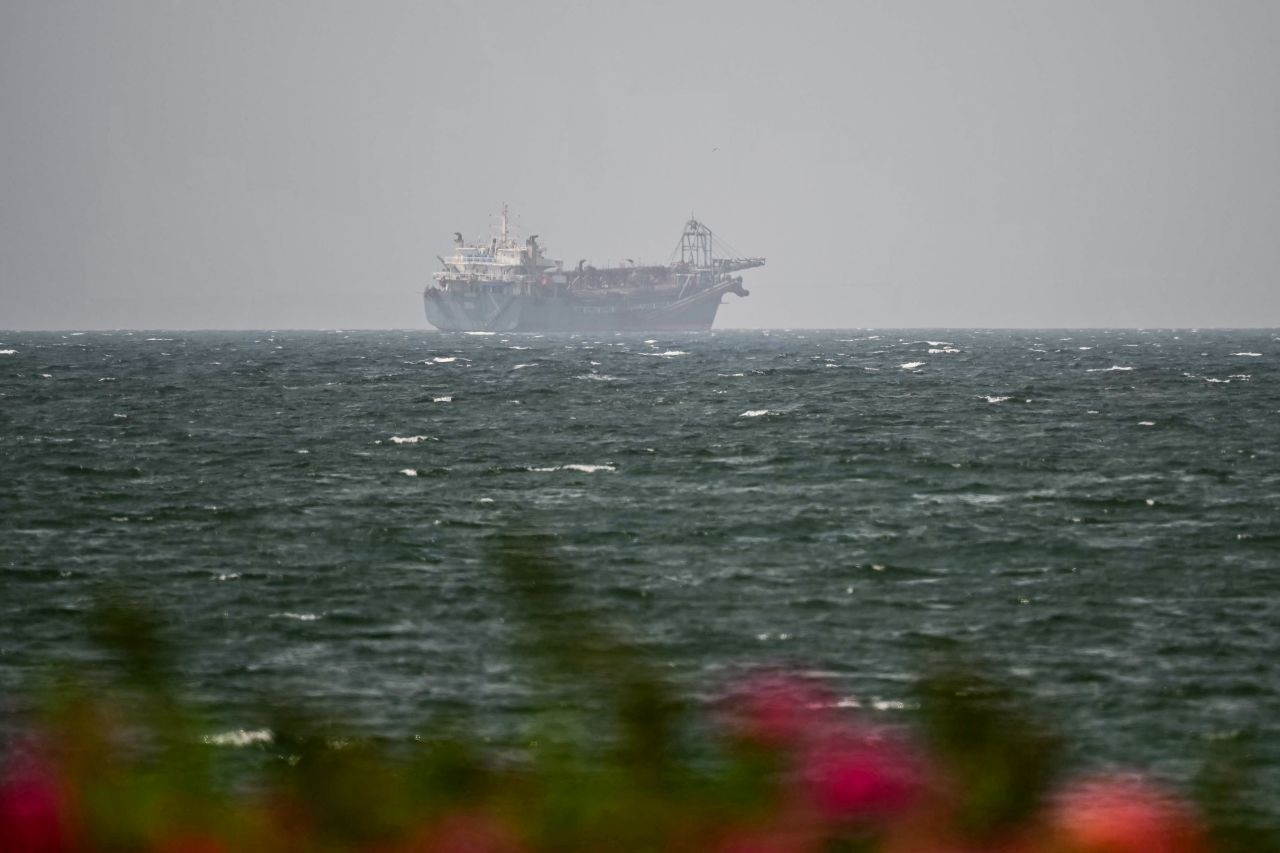
A vessel is seen off the coast of Sharjah in the United Arab Emirates on August 3, 2026. (Photo by AFP via Getty Images) /
Oil futures rose 1.2% on Sunday after Tehran said it was not engaging in negotiations with the United States and submitted a list of demands for reopening the Strait of Hormuz
Brent crude, the international benchmark, rose about 1.2% to $84.58 a barrel, and US crude rose about 1.1% to $79.28 a barrel
On Sunday, President Donald Trump said the US is “low-keying” negotiations with Iran
Tehran is demanding the US end its attacks on Iran and its regional allies, end the blockade of Iran’s ports, remove US military forces around Iran, lift US sanctions, unfreeze Iranian assets and compensate for war damages
Oil tankers have been largely unable to pass through the Strait of Hormuz since Iran closed the critical waterway after fighting resumed in July. The renewed tensions essentially undid the ceasefire agreement signed in June, which included reopening the strait, through which about 20% of the world’s oil flows
Tehran is in talks with Oman to approve safe passage through the strait but has warned that does not mean reopening the waterway
Stalled oil flows have been exacerbated by the Iran-backed Houthis effectively blocking the Bab al-Mandeb Strait connecting the Gulf of Aden and the Indian Ocean to the Red Sea. The Houthi rebels also attacked a Saudi oil refinery on the Red Sea coast
US gas prices have remained higher, as they follow the trend set by oil prices. The national average for a gallon of gas was $4.01 on Sunday, down eight cents from a week ago, but 34.6% higher than before the war began
Stock futures, meanwhile, opened flat
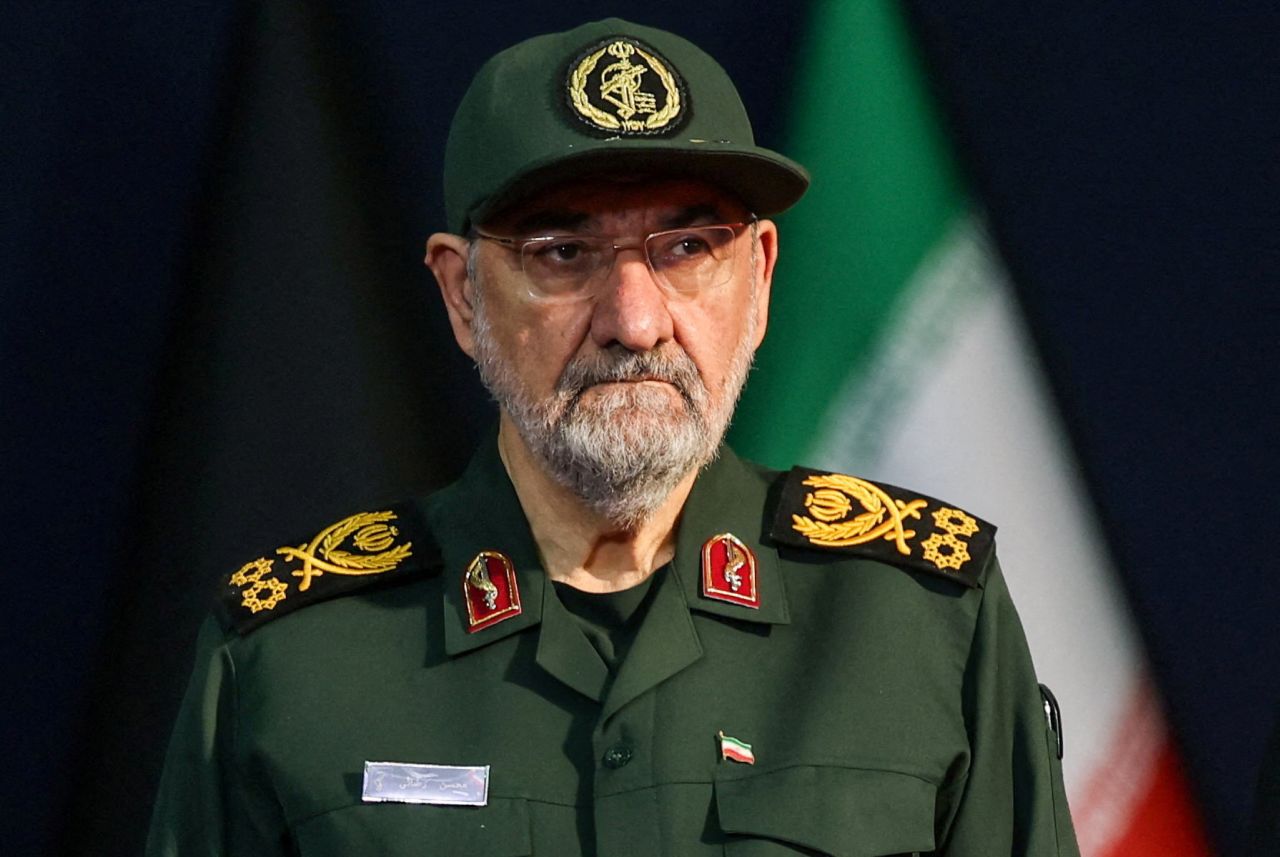
Adviser to Iran’s supreme leader Mohsen Rezaei attends a farewell ceremony for Iran’s late Supreme Leader Ayatollah Ali Khamenei at the Imam Khomeini Grand Mosalla in Tehran, Iran on July 3.
Iran’s Supreme Leader Mojtaba Hosseini Khamenei has appointed Mohsen Rezaei as his representative to the country’s Supreme National Security Council, replacing Mohammad Bagher Zolghadr, according to a decree published Sunday
Rezaei is a senior Iranian military adviser and former commander of the Islamic Revolutionary Guard Corps
Citing Rezaei’s “valuable experience,” Khamenei described him as a pioneer of the eight-year “Sacred Defense,” Iran’s term for the 1980-1988 Iran-Iraq War
“I wish you every success in carrying out this important responsibility,” the decree said. Khamenei also thanked Zolghadr for his “tireless efforts.”
Over the weekend, state media published a list of demands from Zolghadr that included the lifting of US naval blockade, withdrawal of military forces, and a permanent end to the war
It is unclear whether Rezaei’s appointment affects the status of those demands
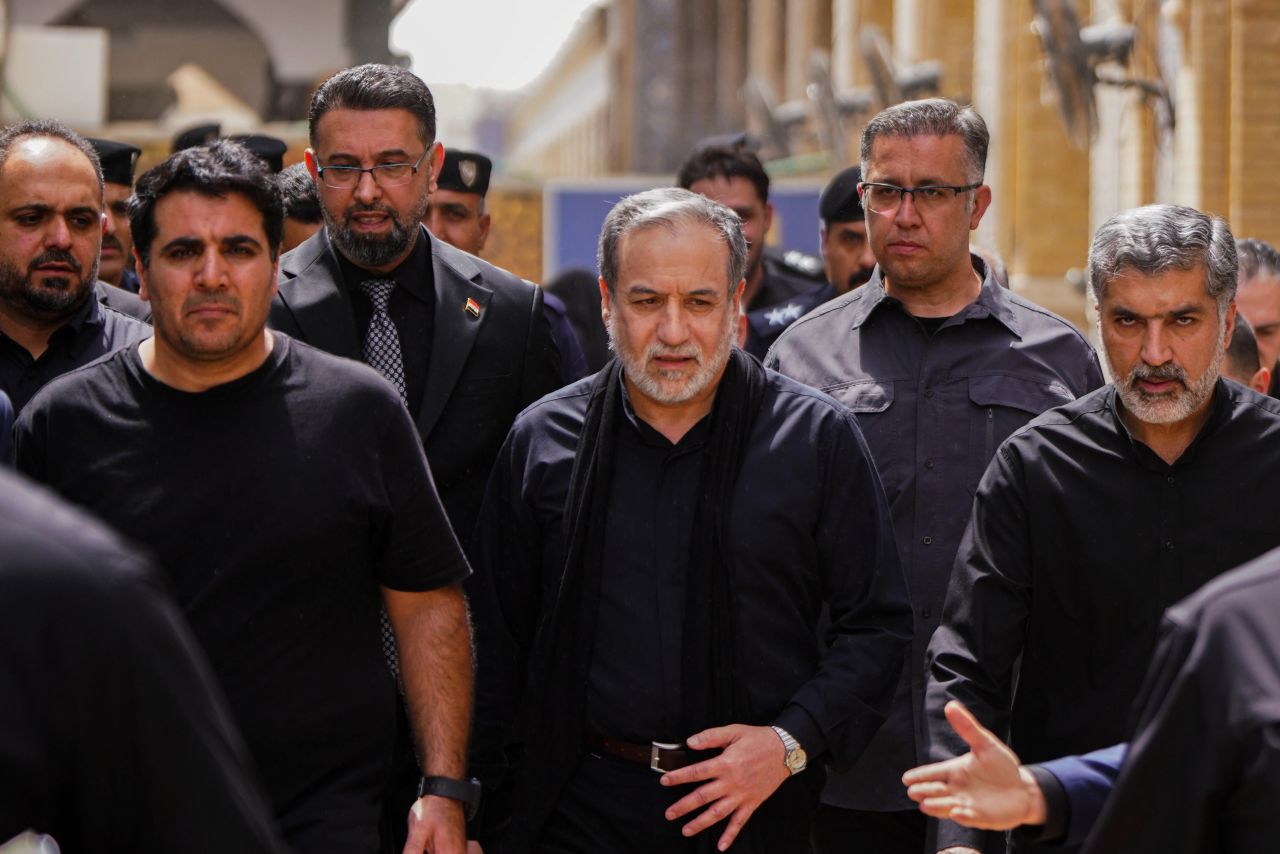
Iranian Foreign Minister Abbas Araghchi, center, is surrounded by security personnel as he walks during the Arbaeen commemoration in Najaf, Iraq, on August 3.
President Donald Trump said Sunday that the United States is “low-keying” negotiations with Iran and signaled an emphasis on increasing economic pressure on the country
The president’s comments came amid a new set of demands from the Iranians on reopening the Strait of Hormuz
“It will work out. It always works out. It’s like a chess game,” Trump said
But for its part, Tehran has insisted it won’t negotiate if Washington continues to breach the countries’ initial agreement from June. Foreign Minister Abbas Araghchi said Sunday that Iran and the US are not currently engaged in talks
The foreign minister did acknowledge that Iran continues to exchange messages through intermediaries, and that these intermediaries are trying to find ways to resume negotiations
Images ofIran’s supreme leader out in public will soon be released for the first time since his appointment in March, according to a report from Iran’s official state-run Mizan news agency
There has been wide speculation about the health of the country’s top political and religious authority for months
Images of Supreme Leader Mojtaba Khamenei “among the people and out in streets, as well in meetings with the commanders of armed forces” will be released in the future, Mizan said, citing Islamic Revolutionary Guard Corps official Qasem Qoraishi
Over the weekend, Iranian media shared an undated video of Khamenei, the first since his appointment following the assassination of his father Ali Khamenei at the start of the war. The footage showed Khamenei giving a religious lesson to a group of people and appears to have been taken before the war. The post provided no detail on the timing of the footage
There have been questions over the supreme leader’s health and whether he was injured during US-Israeli airstrikes earlier this year, withhe had suffered a fractured foot, as well as minor lacerations to his face. The are no signs of injury in the undated video released Saturday
The state-run Islamic Republic News Agency also reported Sunday that Khamenei had held a meeting with Iranian President Masoud Pezeshkian to discuss the nation’s “military and economic affairs.”
CNN’s Hanna Ziady and Valey Arya contributed reporting
