

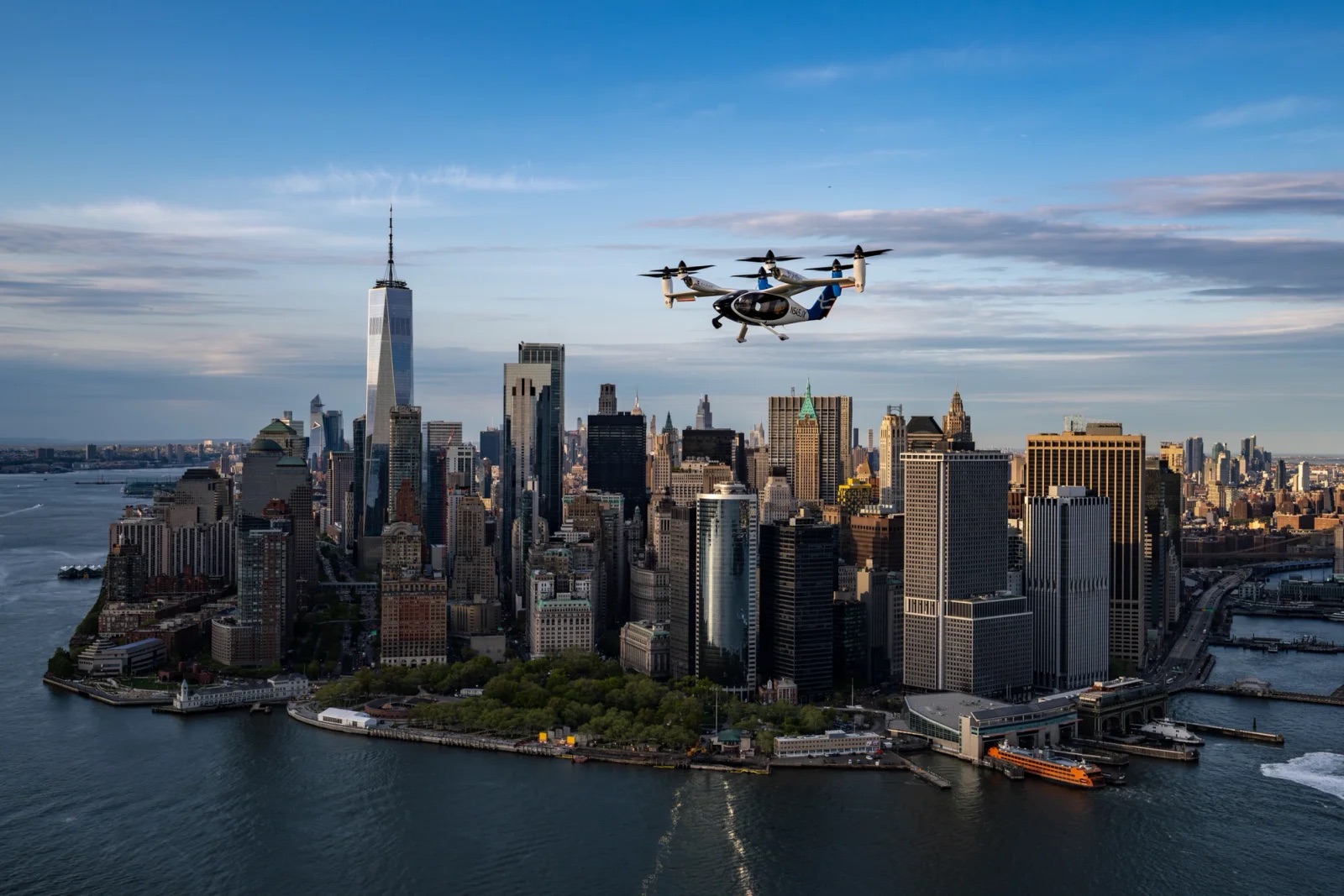
Joby Afor $500 million, giving the electric air-taxi developer a sizeable defence business as it continues to spend heavily on getting its commercial aircraft through certification and into passenger service
Under the agreement, Joby will pay $450 million in cash and $50 million in stock. The transaction is expected to close in the first half of 2027, subject to regulatory approvals. Resonant Sciences, led by Co-Founder and CEO J. Micah North, will then operate under its own name as Joby’s dedicated defence business

What is Resonant Sciences?
Resonant, founded in 2015 and based in Dayton, Ohio, develops and manufactures radio-frequency, sensing and mission systems for US national security customers. Its technology covers advanced radar, navigation and communications, electronic countermeasures, low-observability systems and autonomous applications
The company has about 250 employees and its products are qualified on more than 20 air platforms, according to the material supplied by the companies
That gives Joby something it does not have to build from scratch: an established defence engineering and manufacturing operation with national security customers, specialised technology and personnel working on programmes that can already move through the defence procurement system
The deal is more than an expansion into another market. It shows how quickly the business plans of the leading US electric vertical take-off and landing (eVTOL) companies are changing. Joby and rival Archer Agreater weight on military and government applications that can reach customers sooner
Joby Aadvances
The acquisition comes at an important point for Joby’s commercial programme
In its second-quarter results, the company said it had reached the fifth and final stage of the Federal Aaft were flying and another 12 were in production as it continued to increase manufacturing output. Joby also said its first eIPP flights in Texas were expected in September, with first passengers targeted in 2026
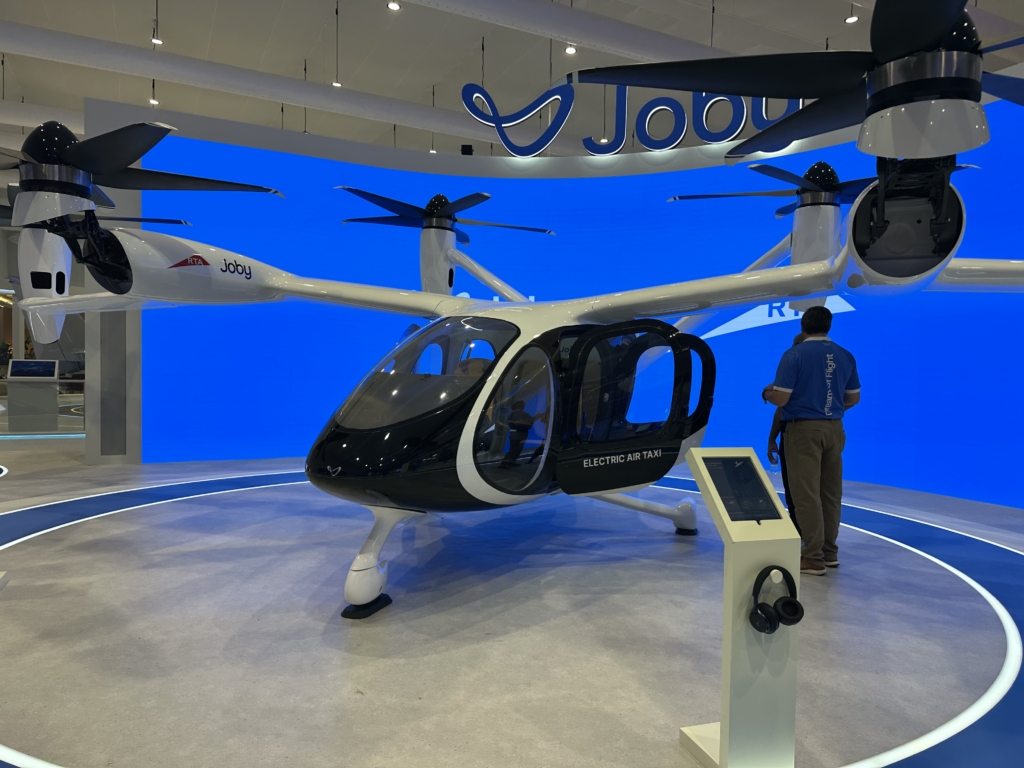
That programme requires substantial capital before it becomes a scaled passenger business
Joby reported $2.3 billion in cash and short-term investments at the end of June. Its commercial operation is therefore still being built while the company is simultaneously developing a business that can sell into a very different market
The defence acquisition gives Joby access to technology that can also complement its own work in propulsion and autonomy
The company intends to combine its aircraft and autonomy capabilities with Resonant’s radio-frequency (RF) systems, sensors and mission technologies. That combination could support the development of aircraft specifically designed for defence missions rather than simply adapting the passenger aircraft
Beyond developing RF hardware, Resonant performs end-to-end payload integration and aircraft modification. Its electronics, apertures and radomes are qualified across more than 20 commercial and defence airframes
The distinction matters. A commercial air taxi has to meet civilian certification requirements and operate in a passenger market that is still being established. A defence aircraft can be designed around a military mission from the start
That is one reason Archer CEO Adam Goldstein has been increasingly direct about the attraction of defence
Archer ATOL manufacturers
Archer has been pursuing the same basic idea from a different direction
Earlier this week, Archer agreed to acquire Boeing’s Wisk Aero, drone maker Insitu and airspace-services company SkyGrid in an all-stock transaction. Boeing would receive shares representing 19.75% of Archer’s Class A stock and gain the right to appoint a director to Archer’s board
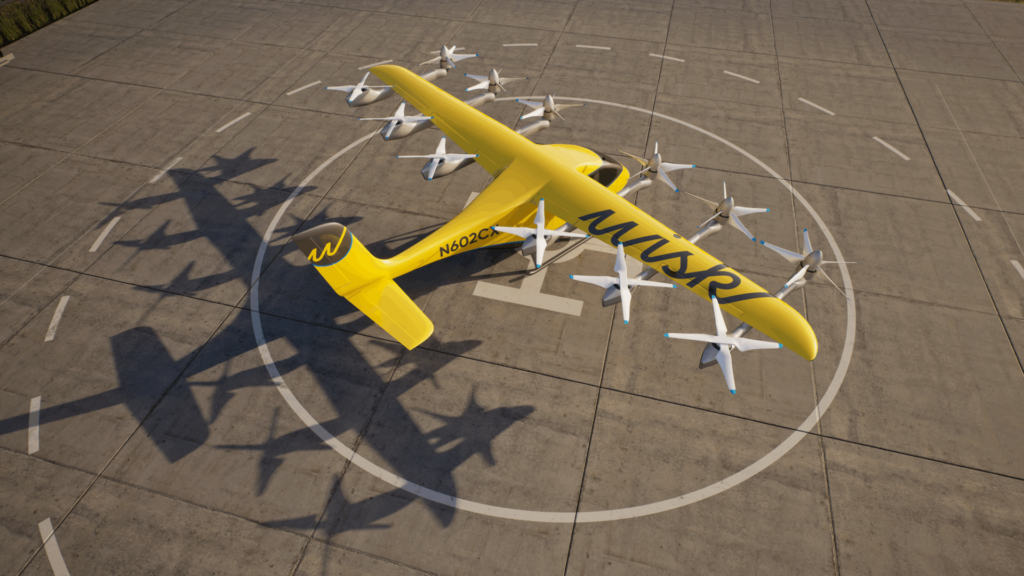
The deal gives Archer access to Wisk’s autonomous-flight technology, while Insitu brings an established defence business into the company
Insitu generates more than $200 million in annual revenue and is already profitable, according to a Reuters report. That is significant for a company whose core air-taxi business has yet to generate substantial revenue
The contrast with the commercial air-taxi market is central to the strategy
The eVTOL industry has spent years developing aircraft, certification programmes and manufacturing systems, but the commercial market has taken longer to develop than many early projections suggested. Archer’s acquisition therefore brings in a business that is already selling defence products rather than waiting for an entirely new passenger market to mature
Goldstein made that point directly after the acquisition. “This is the next big step forward in becoming a diversified platform, rapidly growing our revenue base and bringing scale to our business,” he said
Defence aircraft and autonomous systems are becoming a eky eVTOL growth market
The shiftis becoming visible in the aircraft themselves
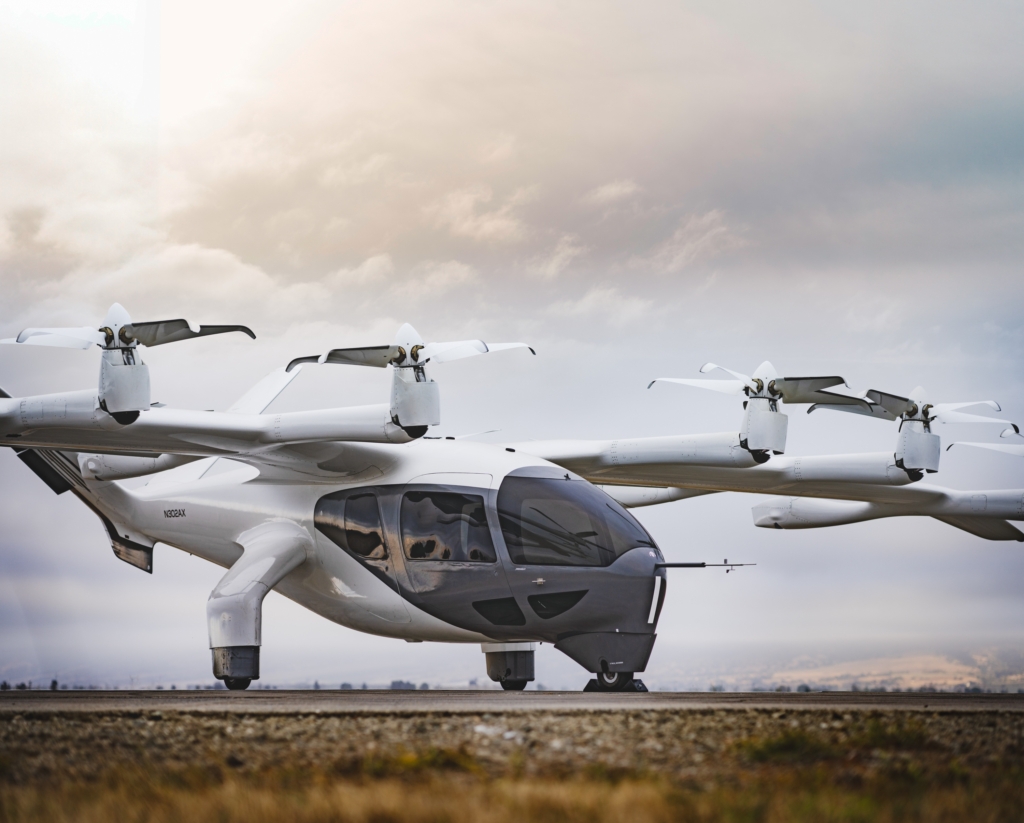
In July, Archer and Anduril unveiled Thunder, a jointly developed autonomous VTOL platform aimed at both defence and commercial applications
Thunder is a Group 5 autonomous attack rotorcraft. It uses a series-hybrid electric powertrain and dual tiltrotors, combining vertical take-off and landing with wingborne cruise. The companies say the platform is intended to operate from austere locations and carry modular heavy payloads
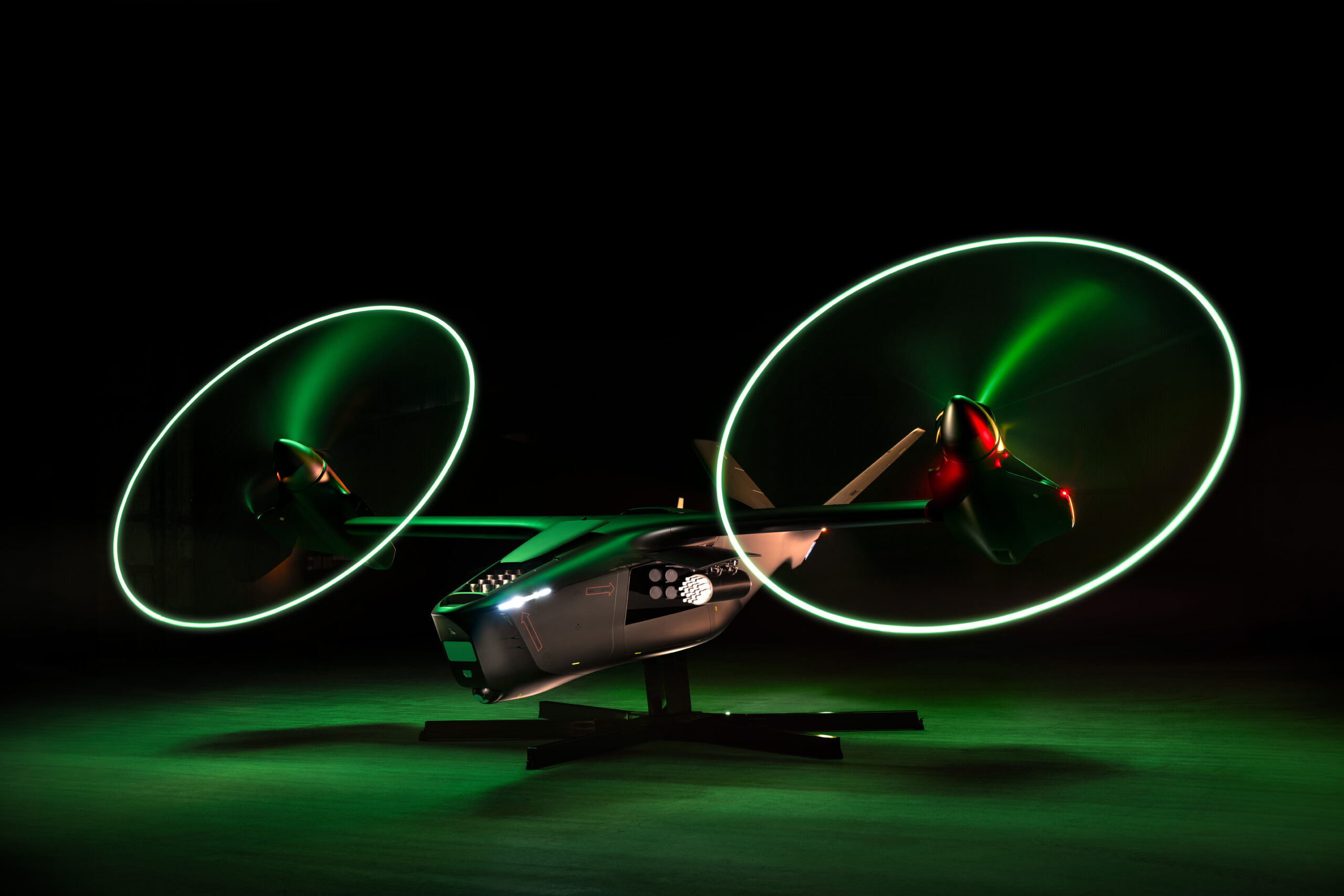
Multiple test flights have already been conducted with full-scale surrogate aircraft, while Thunder’s first flight is planned for 2027
Anduril’s Shane Arnott said the programme is intended to bring technology developed in the commercial eVTOL sector into defence
“From raw performance to producibility, harnessing the best technologies from the commercial eVTOL market for defense is central to how Thunder will deliver operational value to our customers,” he said
Archer’s commercial aircraft, Midnight, remains central to the company’s plans. But the company is now developing a parallel route in which its experience with electric propulsion, vertical flight and autonomous systems can be applied to military aircraft
That is an important change in the economics of the sector
Instead of waiting for millions of passengers to begin using air taxis, the companies can pursue government and defence customers for aircraft, autonomous systems, sensors and other technologies that can generate revenue earlier
Resonant Sciences gives Joby’s A
Joby’s approach is more concentrated. Rather than acquiring several businesses, it is taking control of one established defence technology company and making it the foundation of a dedicated defence division
Resonant has already expanded its manufacturing capacity and nearly doubled its highly skilled technical workforce since Cerberus invested in the company in 2023. Cerberus said Resonant has also moved technologies from research and development into production-ready offerings and expanded its customer and programme base
Cerberus Senior Managing Director and Co-Head of Supply Chain Michael Palmer said the investment had focused on building the operational base needed to scale
“Over the past three years, we expanded manufacturing capacity, advanced key technologies into production, and deepened relationships with customers,” Palmer said
Resonant CEO J. Micah North said the company had retained its focus on national security customers while expanding its ability to execute more programmes
“Cerberus understood what makes Resonant different – our culture, our focus on the warfighter, and our drive to move quickly and solve difficult problems,” North said
“Demand for advanced defense technology is growing rapidly, and Resonant has built the technology, customer relationships and manufacturing capabilities required to meet it,” North added
“Joining Joby gives our team access to additional engineering depth, aircraft platforms, autonomy technology and production expertise, allowing us to move faster for our existing customers and pursue opportunities that neither company could address alone,” he added
That experience is now moving into Joby

Military contracts could generate revenue ahead of large-scale air taxi operations
There is no indication that Joby is abandoning its passenger aircraft. Its latest financial results show the company continuing to push through the final phase of FAA certification, increase aircraft production and prepare for passenger operations
But the Resonant acquisition changes the scale of its ambitions
Joby will have a defence organisation with its own engineering, manufacturing and national security capabilities. It can pursue defence aircraft and mission systems while its commercial aircraft moves through the final stages of certification and towards passenger operations
The combination of Joby and Resonant is also expected to create significant opportunities in adjacent markets. An early focus is expected to be the integration of Joby’s dual-use autonomy stack with Resonant’s Radio Frequency sensing and signal-processing capabilities, accelerating the development of software-defined autonomous systems for defense customers
JoeBen Bevirt, Founder and CEO of Joby A capabilities with Joby’s globally leading aircraft propulsion technologies, creating a powerful platform for the next phase of Resonant’s growth.”
Joby’s existing defence initiatives, which are built on more than a decade of work with defence and intelligence customers, will be consolidated within the new business unit. These include the development of dual-use turbine-electric and hydrogen-electric aircraft, as well as a dual-use autonomy technology stack
Housing this work within Resonant will allow Joby’s commercial ag, manufacturing, and commercialising its electric air taxi, Bevirt added
Read the latest Joby Aviation news on AGNRead the latest Joby Aviation news on AGN
News
Air TransportAviation ServicesDefenceTrending Articles
Sign up for our newsletter and get our latest content in your
inbox.
1
Latvia considers Embraer A-29 Super Tucano to counter Russian drone threats Latvia considers Embraer A-29 Super Tucano to counter Russian drone…
Embraer A-29 Super Tuca…
August 12, 2026
2
UK MPs urged to mandate cabin air sensors as fume event inquiry gathers pace UK MPs urged to mandate cabin air sensors as fume…
Cabin Air Quality
August 12, 2026
3
Why sonic booms happen and how NASA’s X-59 Quesst plans to eliminate them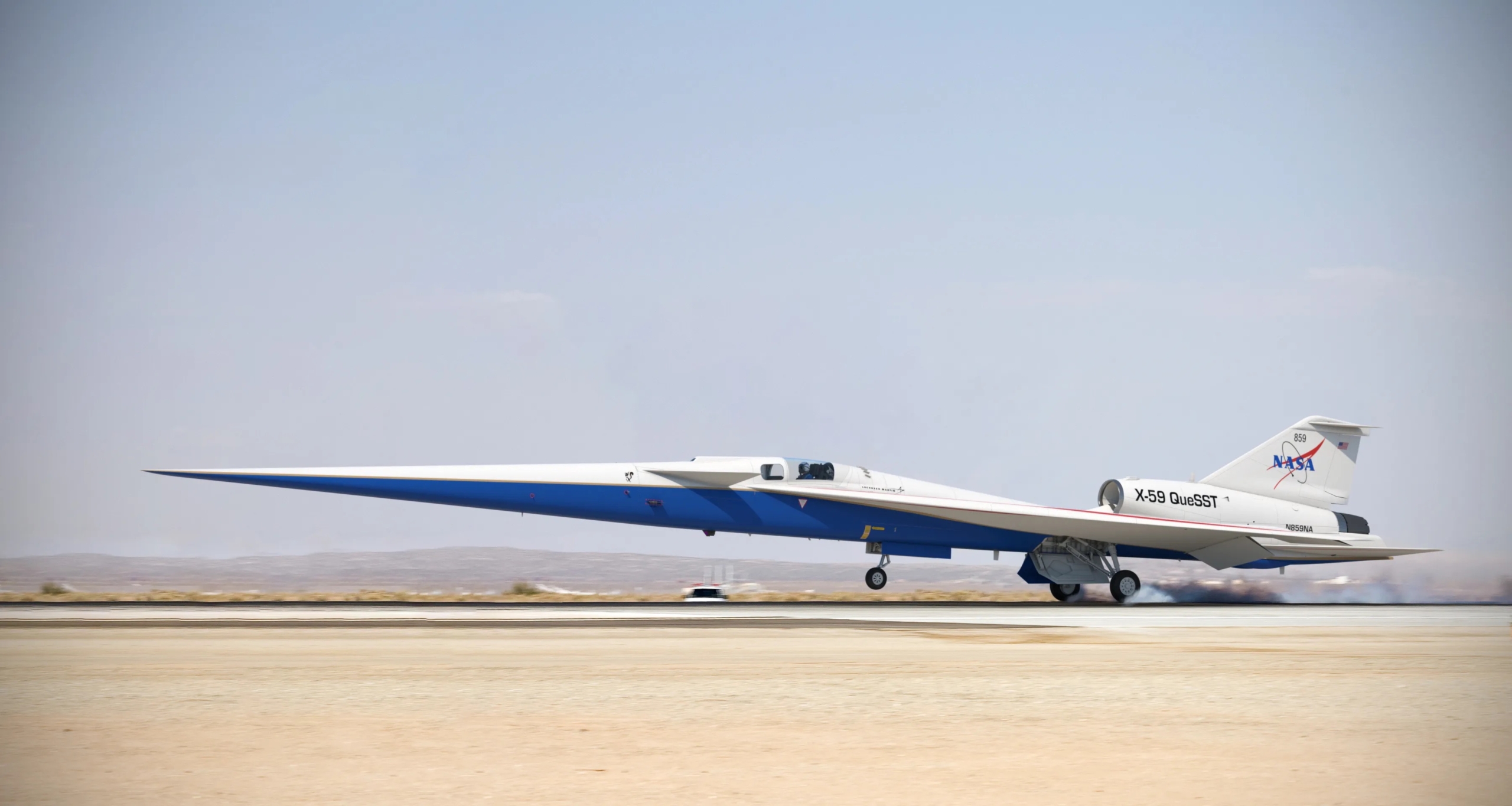 Why sonic booms happen and how NASA’s X-59 Quesst plans…
NASA X-59
August 11, 2026
4
From an 80-mile hop to a 19-hour marathon: The Airbus A350’s shortest and longest flights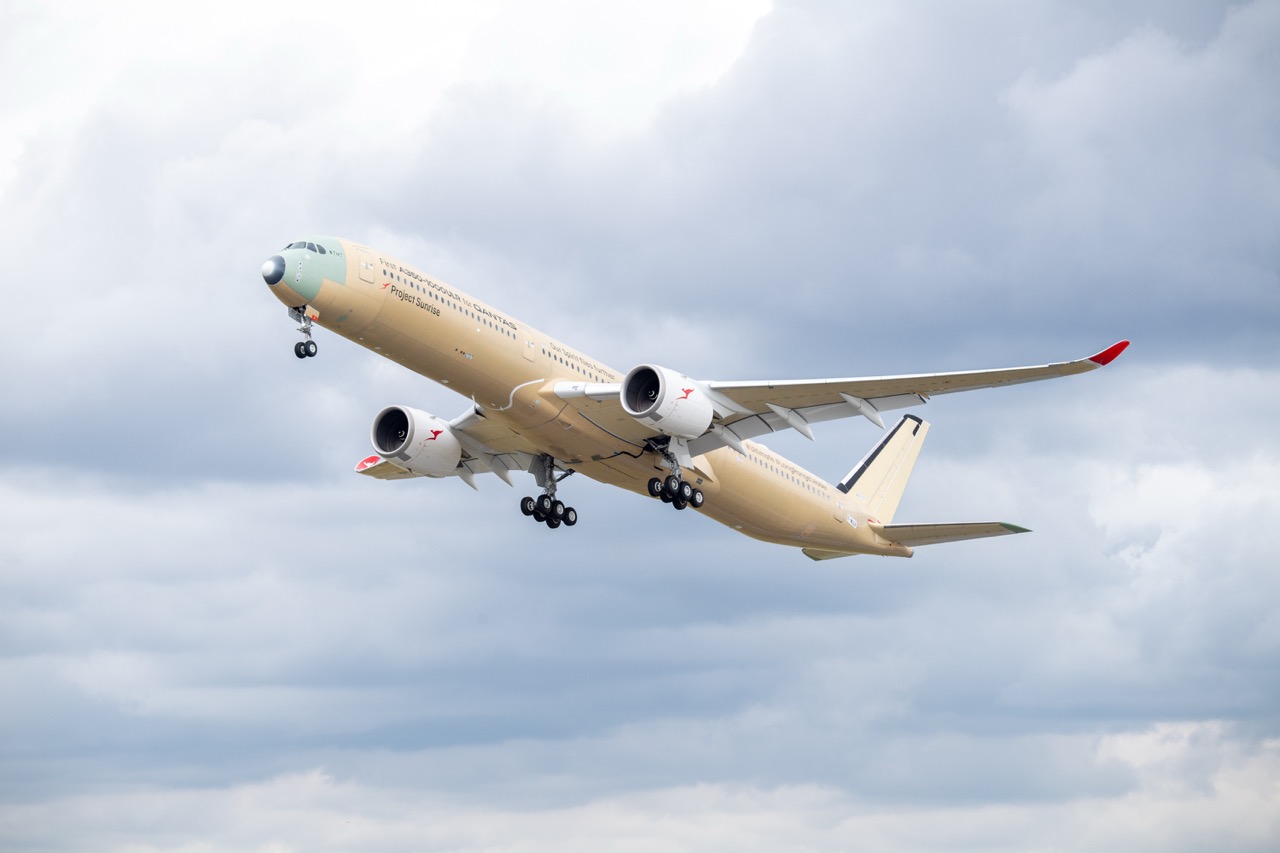 From an 80-mile hop to a 19-hour marathon: The Airbus…
Airbus A350
August 11, 2026
Related Topics
More from
UK MPs urged to mandate cabin air sensors as fume event inquiry gathers paceUK MPs urged to mandate cabin air sensors as fume event inquiry gathers pace
August 12, 2026
From an 80-mile hop to a 19-hour marathon: The Airbus A350’s shortest and longest flightsFrom an 80-mile hop to a 19-hour marathon: The Airbus A350’s shortest and longest flights
August 11, 2026
Archer vs Joby: Which eVTOL air taxi company is ahead in 2026?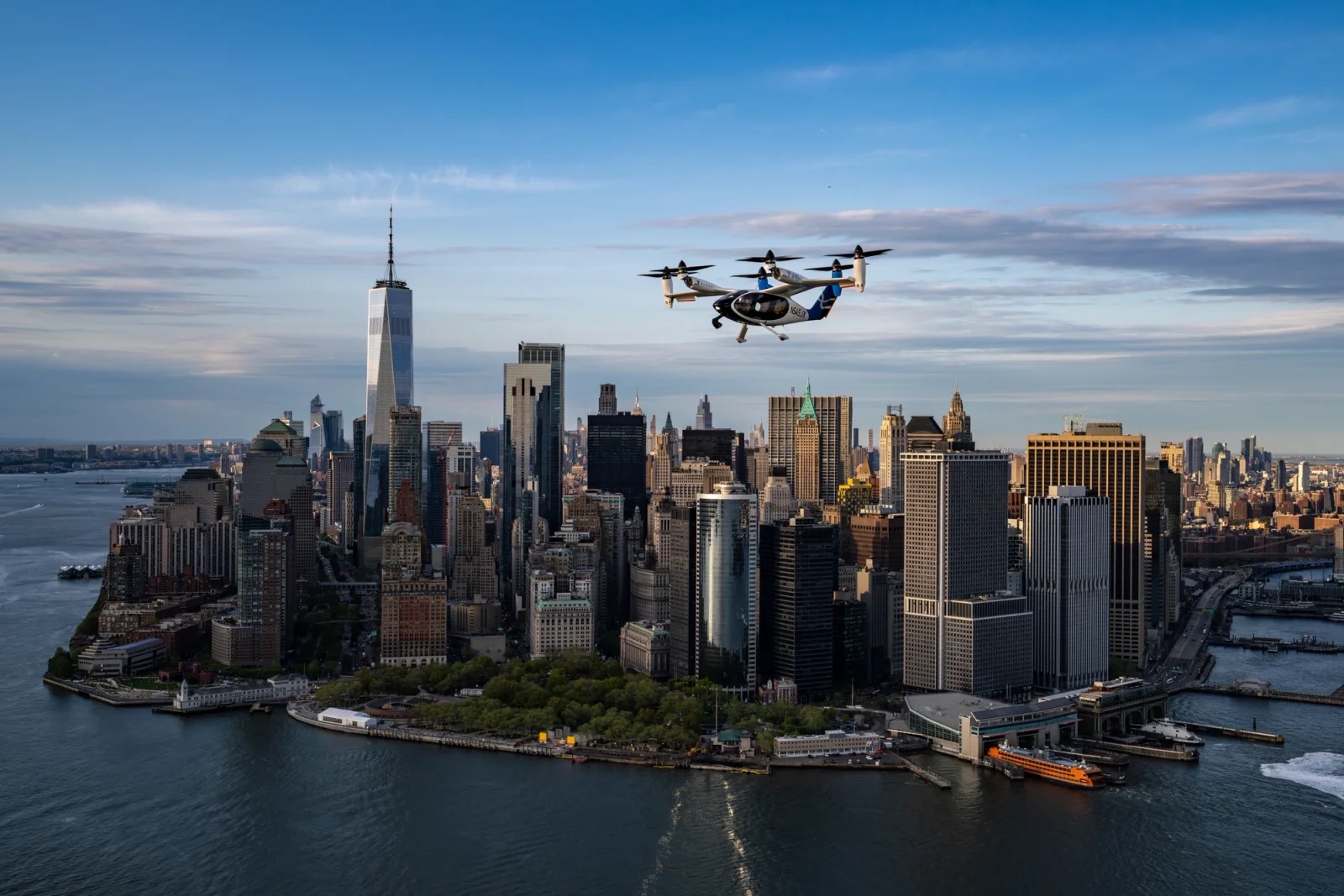 Archer vs Joby: Which eVTOL air taxi company is ahead in 2026?
August 11, 2026
How pilots fly during a total solar eclipse How pilots fly during a total solar eclipse
August 11, 2026
Why sonic booms happen and how NASA’s X-59 Quesst plans to eliminate themWhy sonic booms happen and how NASA’s X-59 Quesst plans to eliminate them
August 11, 2026
Archer’s ZEE AI predicts aircraft movements minutes before they happen Archer’s ZEE AI predicts aircraft movements minutes before they happen
August 11, 2026
Archer vs Joby: Which eVTOL air taxi company is ahead in 2026?Archer vs Joby: Which eVTOL air taxi company is ahead in 2026?
August 11, 2026
Swarm Aero targets MQ-9 Reaper successor with mass-produced Group 5 drone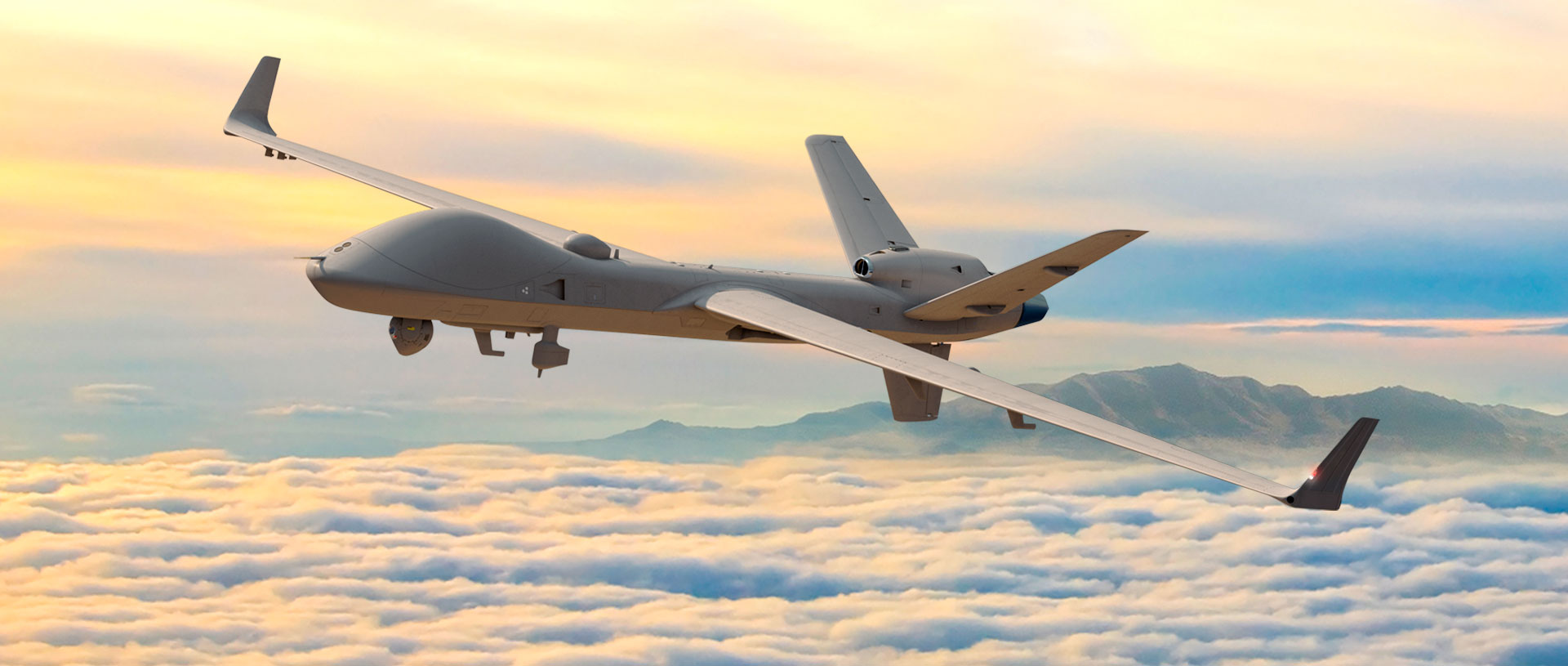 Swarm Aero targets MQ-9 Reaper successor with mass-produced Group 5 drone
August 11, 2026
Why sonic booms happen and how NASA’s X-59 Quesst plans to eliminate themWhy sonic booms happen and how NASA’s X-59 Quesst plans to eliminate them
August 11, 2026
Swarm Aero targets MQ-9 Reaper successor with mass-produced Group 5 droneSwarm Aero targets MQ-9 Reaper successor with mass-produced Group 5 drone
August 11, 2026
Archer to acquire Wisk, Insitu and SkyGrid as Boeing takes 19.75% stakeArcher to acquire Wisk, Insitu and SkyGrid as Boeing takes 19.75% stake
August 10, 2026
US Air Force says B-21 Raider remains on track for 2027 service entry US Air Force says B-21 Raider remains on track for 2027 service entry
August 10, 2026
Vertical Aerospace secures $100m financing commitments to advance Valo towards certification Vertical Aerospace secures $100m financing commitments to advance Valo towards certification
August 11, 2026
eSAF could solve aviation’s fuel problem. So why is almost nobody making it? eSAF could solve aviation’s fuel problem. So why is almost nobody making it?
August 7, 2026
Why is sustainable aviation fuel so scarce and expensive?Why is sustainable aviation fuel so scarce and expensive?
August 1, 2026
Amsterdam Schiphol champions airport quality as it reveals €801 million investment Amsterdam Schiphol champions airport quality as it reveals €801 million investment
July 29, 2026
