

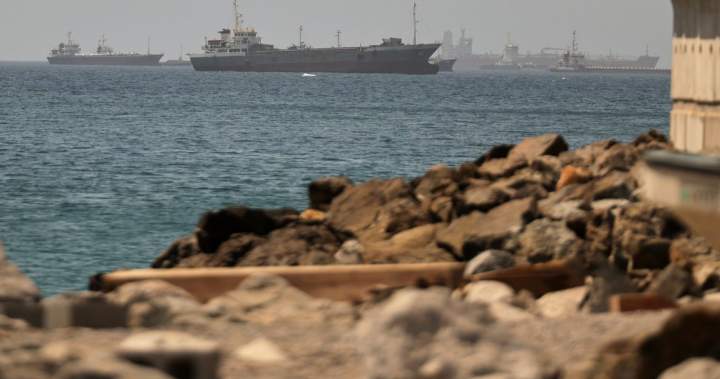
Iran is insisting that the U.S. meet its demands in negotiations before the Strait of Hormuz reopens. Yemen’s Defense Ministry announced a new death toll in the latest attack by Houthi rebels on the Red Sea town of Mokha. And Israel’s military declared the Christian-majority town of Taybeh in the occupied West Bank a closed military zone after repeated settler attacks

Here’s a look at the latest developments in the Iran war and the wider Middle East on Monday
Iran presses demands on US as shipping standoff grinds on
An Iranian Foreign Ministry spokesperson said Iran will not reopen the Strait of Hormuz until the United States met its conditions
“It is up to the U.S. side to stop and make amends for its illegal and destructive actions,” Esmail Baghaei said Monday, noting the American blockade of Iranian ports
Iran wants the U.S. to lift the blockade, pay compensation for months of war damage, lift economic sanctions and release Iran’s frozen assets
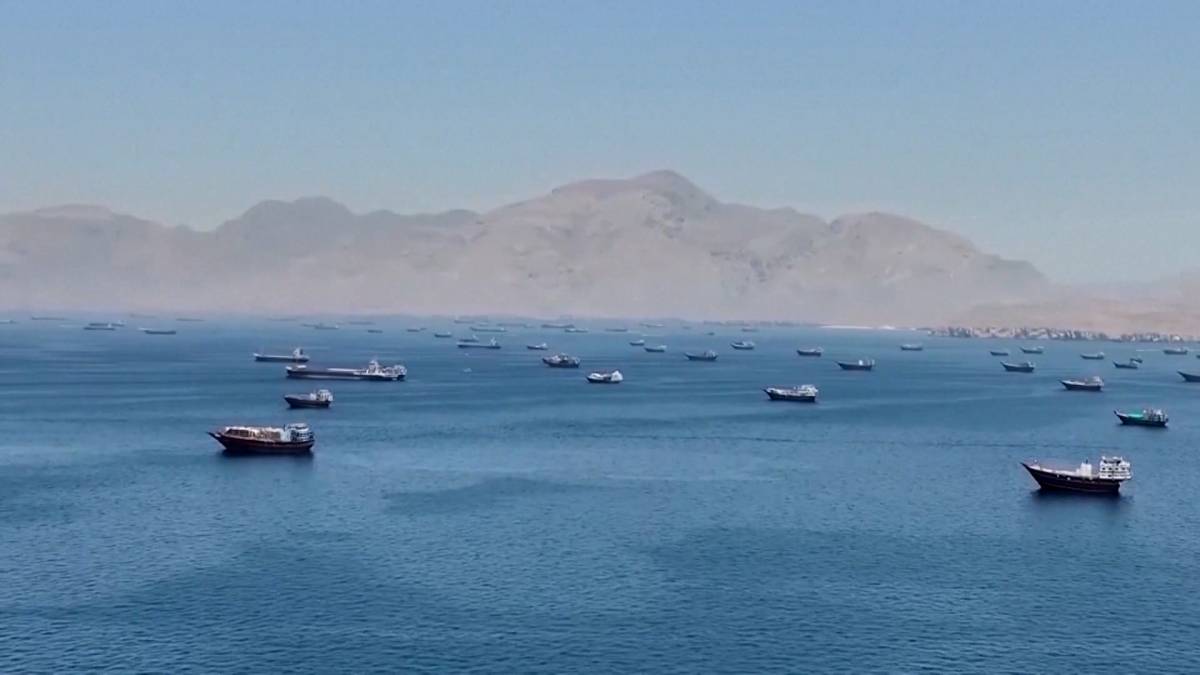
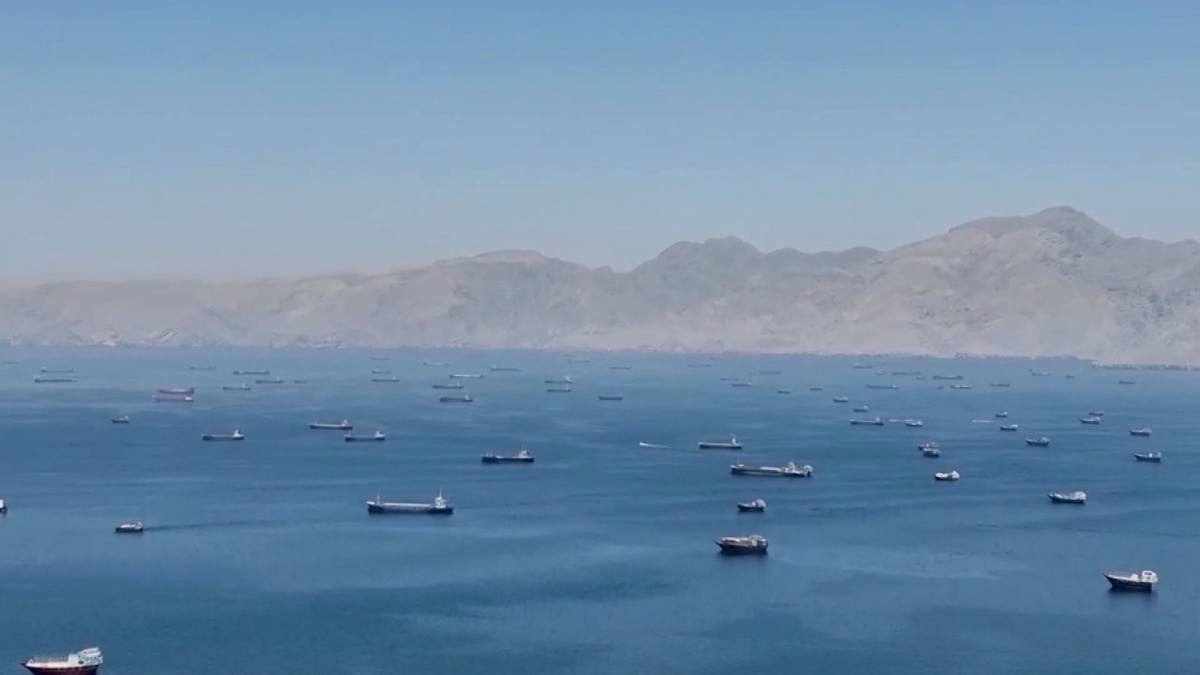
The closure of the Strait of Hormuz — a waterway that normally carries roughly one-fifth of the world’s traded oil supplies — has become the war’s most lasting consequence. The impasse has kept energy prices as a major focus of U.S. politics ahead of November’s midterm elections
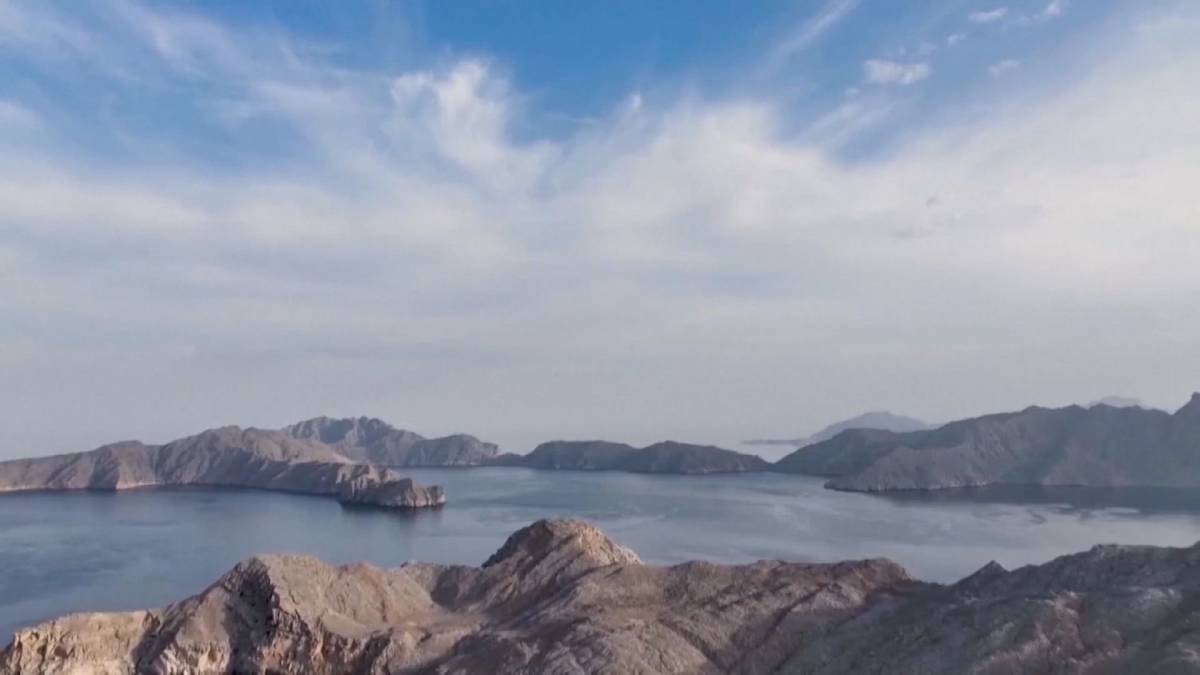
Iran is holding separate talks with Oman over transit through the strait, including potentially a temporary shipping corridor. But it has said any actual reopening is contingent on talks with the U.S
Related Videos

1:40
Trump reportedly says US is “low-keying it” with Iran war
- Trump reportedly says US is “low-keying it” with Iran war

Iran, Oman close in on Strait of Hormuz agreement, ship routes established
Hope renewed for Strait of Hormuz’s reopening
Trump warns he’s giving Iran ‘last chance before decapitation’
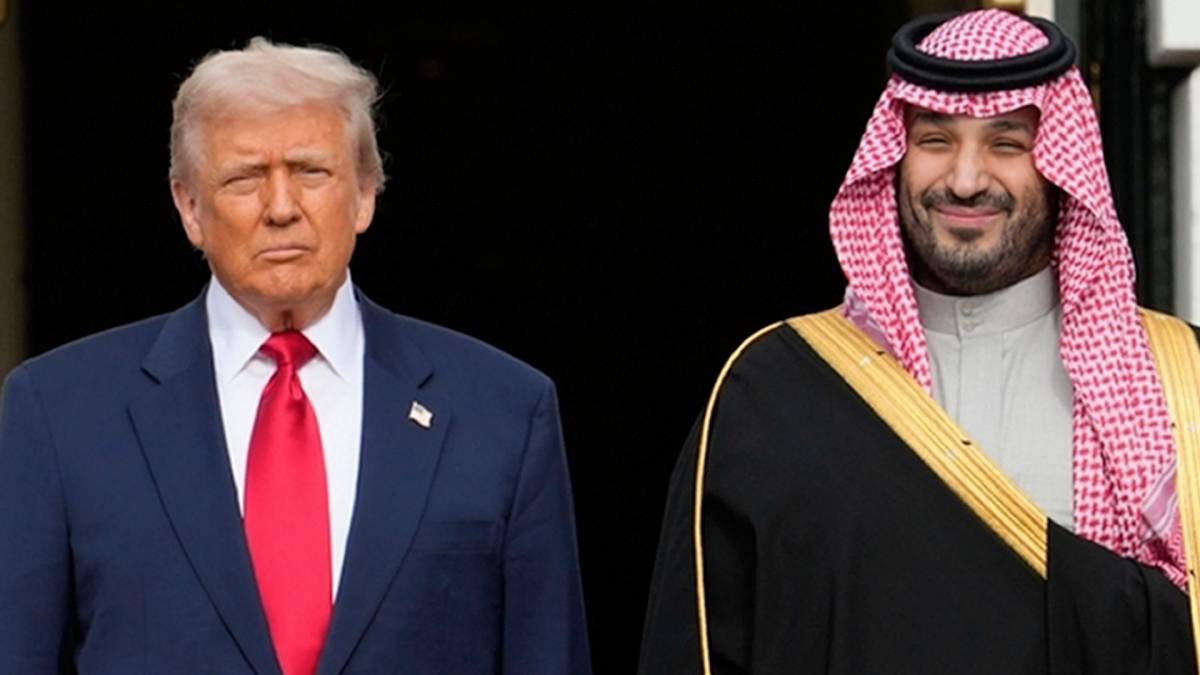
Did a call from Saudi’s crown prince stop Trump from striking Iran?
Israel declares closed military zone in Taybeh
Israel’s military said Monday it had declared a Christian-majority town in the occupied West Bank a closed military zone to keep out Israeli settlers and other non-residents

Get daily National news
Get daily Canada news delivered to your inbox so you’ll never miss the day’s top stories.
By providing your email address, you have read and agree to Global News’ Terms and Conditions and Privacy Policy.
The new tactic is designed to keep Israelis out of Taybeh, which is surrounded by settlements to its east and west and has been subject to arson, vandalism and settlers coming onto private and village property. The order does not apply to Palestinian residents or journalists, who the army said would be allowed unless soldiers determine their presence poses a threat. The army said its troops would detain suspects and disperse gatherings to keep the peace
The designation comes after months of the army and police struggling to maintain order throughout the territory, where at least 87 Palestinians have been killed by Israeli settlers or soldiers in 2026, according to the Ramallah-based Palestinian Health Ministry. Parts of Taybeh lie in what’s called “Area B” where Israel maintains security control, but residents have complained that the army and police are slow to respond to attacks by extremist settlers
Yemen provides death toll on Sunday’s Houthi attack on Red Sea town
Yemen’s Iran-backed Houthi rebels attacked a Red Sea port town controlled by government forces on Sunday, killing seven and injuring 30 people. Yemen’s Defense Ministry — which operates under its internationally recognized government — said four military personnel and three civilians were killed
The attack on Mokha is the latest in one of the largest waves of Houthi strikes on Yemeni military positions and areas held by the Saudi-backed government since a 2022 truce
It comes as threats to shipping through the Strait of Hormuz have renewed focus on the Red Sea and Bab el-Mandeb Strait at its southern tip. Some shipping has shifted toward that route with Hormuz largely off limits to traffic
Beekeepers try to restart honey production in Gaza
More than two years of war in Gaza flattened most of the territory and destroyed sectors of the economy, but beekeepers are now beginning to rebuild their businesses
Before the start of the Israel-Hamas war, the sector was based in agricultural lands near the perimeter of the strip, which today remains under the control of Israel’s military. But beekeepers have returned to areas near the Yellow Line that divides the territory and found enough hives to restart honey production
Producers in Gaza City and parts of Jabalia near the line are now maintaining hives to try and provide some income for themselves and their families
Yet they say their efforts are constrained by Israel’s blockade on many items from entering the strip, including ones used for beekeeping
“The bee sector is an important sector for sustainability, ecological balance and farming,” said Ibrahim al-Dabbeh, the head of the Cooperative Association of Beekeepers
