

Indonesia Moves Beyond Bali as Flores, Alor and Sumba Emerge as Eastern Island Frontiers for Eco-Luxury Resorts, Marine Conservation and Adventure Tourism Boom: A New Era for Southeast Asian Travel Unfolds – Travel And Tour World
Indonesia Moves Beyond Bali as Flores, Alor and Sumba Emerge as Eastern Island Frontiers for Eco-Luxury Resorts, Marine Conservation and Adventure Tourism Boom: A New Era for Southeast Asian Travel Unfolds
By: Subhankar Chakraborty
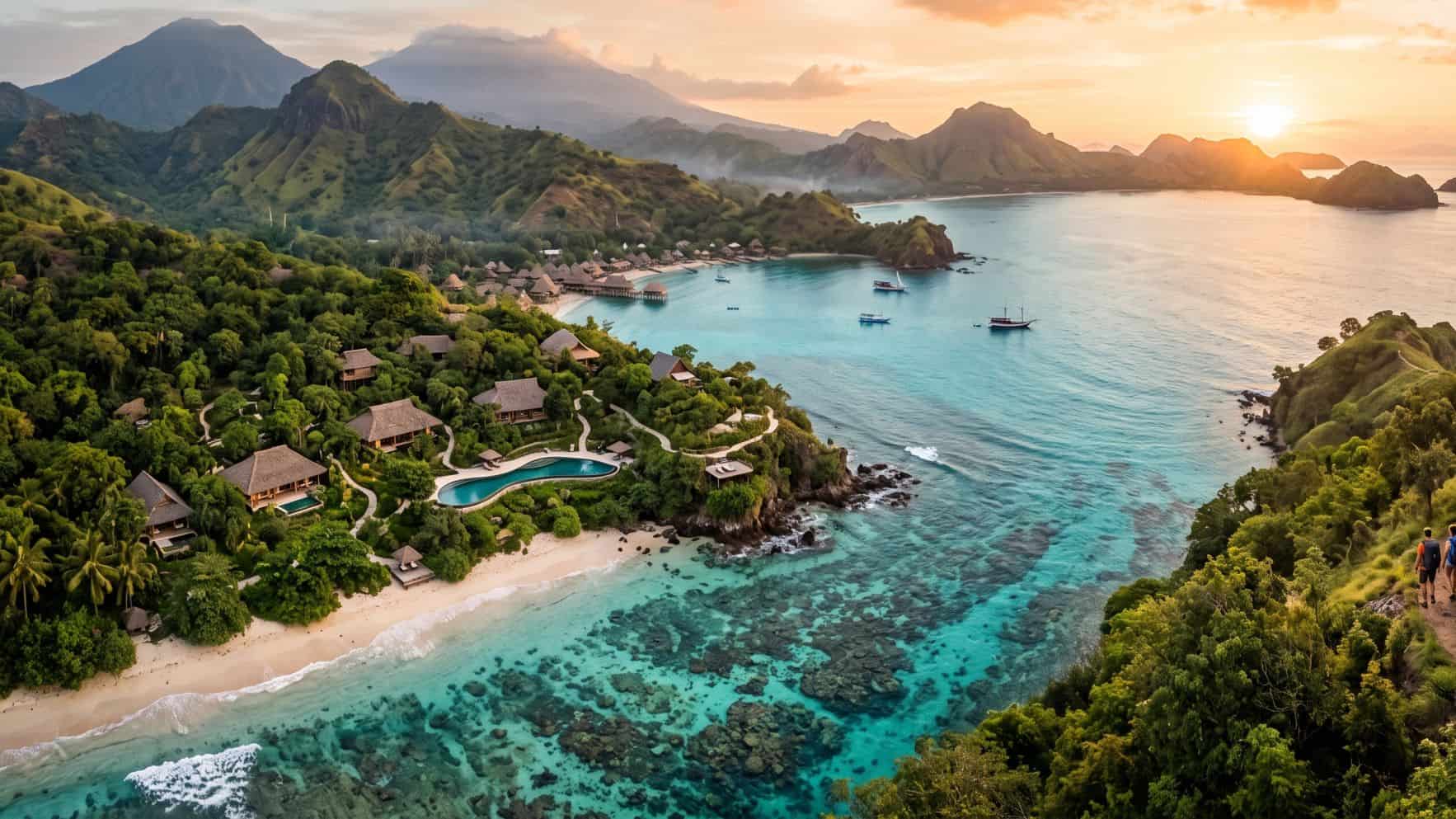
Image generated with Ai
Indonesia is entering a new chapter in tourism development as the country expands its focus beyond Bali and unlocks the extraordinary potential of its eastern islands. Flores, Alor and Sumba are emerging as important destinations in Indonesia’s sustainable tourism vision, offering unique landscapes, marine ecosystems, cultural heritage and adventure experiences. While Bali continues to remain Indonesia’s leading international tourism destination, the government is actively creating a broader tourism network that distributes growth across more regions. This shift represents a major transformation for Southeast Asian Travel, where travellers increasingly seek authentic, low-impact and nature-focused experiences.
The Indonesian government is encouraging a move from high-volume tourism towards quality tourism. This approach focuses on attracting travellers who value meaningful experiences, environmental responsibility and local community connections. Instead of relying only on established destinations, Indonesia is building new tourism frontiers where nature conservation and economic growth can develop together
The national tourism strategy for 2026 highlights sustainable destinations, tourism villages, cultural preservation and environmentally responsible investment as key priorities. The Indonesian government aims to strengthen tourism as a long-term economic driver while protecting the natural renistry for Economic Affairs Indonesia Tourism Development Strategy 2026
This development does not mean Indonesia is replacing Bali. Instead, it represents a strategic expansion. Bali continues to attract millions of visitors with its beaches, culture, hospitality sector and international connectivity. However, Indonesia recognises the need to create more destinations that can offer different experiences and reduce pressure on traditional tourism centres
Advertisement
Eastern islands such as Flores, Alor and Sumba perfectly match this new direction. They offer untouched coastlines, rare biodiversity, traditional communities and adventure opportunities that appeal to modern travellers. These destinations are becoming symbols of a new tourism era where sustainability, exploration and premium experiences come together
Bali Remains Indonesia’s Tourism Giant While New Destinations Create Greater Balance
Bali remains the heart of Indonesia’s tourism industry and continues to hold a powerful position among global holiday destinations. The island attracts international visitors because of its world-famous beaches, spiritual traditions, cultural attractions, luxury resorts and established tourism infrastructure
Advertisement
Advertisement
Official tourism statistics from Bali’s Provincial Statistics Agency show continued strong visitor demand in 2026. Bali recorded more than half a million foreign visitors in April 2026, proving that the island remains a major international tourism gateway. Bali Statistics Agency Tourism Development April 2026
However, Indonesia’s tourism authorities are also responding to challenges linked with mature destinations. Popular areas often experience increasing pressure from large visitor numbers, environmental concerns and infrastructure demands. As global travellers become more conscious about sustainability, Indonesia is preparing new destinations that can provide alternative experiences
Advertisement
Advertisement
This strategy supports a wider Southeast Asian Travel transformation. Travellers today are moving beyond traditional sightseeing. They are searching for places where they can connect with nature, explore local cultures and participate in active experiences
Flores, Alor and Sumba represent this changing demand. These islands provide opportunities for diving, hiking, wildlife exploration, cultural tourism and wellness travel. They allow Indonesia to attract visitors looking for deeper experiences rather than only short leisure breaks
The government’s approach focuses on creating a balanced tourism ecosystem. Bali will continue serving as Indonesia’s international tourism powerhouse, while eastern destinations will strengthen the country’s position as a diverse and sustainable travel destination
This balance can help Indonesia compete more strongly in the Southeast Asian Travel market. By offering different experiences across multiple islands, Indonesia can attract a wider range of travellers and encourage longer stays
Advertisement
Advertisement
Flores Becomes Indonesia’s Flagship Destination for Sustainable Luxury and Nature-Based Tourism
Among Indonesia’s eastern destinations, Floreshas become one of the strongest examples of sustainable tourism development. The island has gained international attention through Labuan Bajo, a gateway destination that connects travellers with some of Indonesia’s most extraordinary natural attractions
The Indonesian government has placed major importance on developing Labuan Bajo and Flores as a premium sustainable tourism region. The Labuan Bajo Flores Tourism Authority (BPOLBF) works to strengthen tourism development while protecting biodiversity, supporting local communities and encouraging responsible investment. Labuan Bajo Flores Tourism Authority Sustainable Tourism Development 2026
Flores offers a rare combination of natural and cultural attractions. The island features volcanic landscapes, traditional villages, coastal scenery and some of the world’s most impressive marine environments
The biggest tourism attraction remains Komodo National Park. The protected area provides visitors with opportunities to experience unique wildlife, including the famous Komodo dragon, while exploring dramatic islands and marine ecosystems
Labuan Bajo has developed a reputation as a premium nature destination. Luxury travellers increasingly visit the region for private yacht journeys, diving experiences, island exploration and exclusive resort stays. The destination provides a different experience compared with Bali’s established tourism model
The growth of Flores reflects a wider shift in global tourism. Many travellers now prefer destinations that combine comfort with authenticity. Eco-luxury resorts, conservation programmes and community-based experiences are becoming increasingly important factors when choosing holiday destinations
Advertisement
Advertisement
Indonesia is using Flores as a model for future tourism development. The focus is not only increasing visitor numbers but creating a sustainable destination where tourism supports environmental protection and local livelihoods
This approach places Flores at the centre of Indonesia’s ambition to become a leading destination for responsible Southeast Asian Travel
Labuan Bajo Shows How Eco-Luxury Tourism Can Protect Nature and Support Local Communities
Labuan Bajorepresents one of Indonesia’s most important examples of eco-luxury tourism development. The destination combines premium hospitality with environmental awareness, creating a tourism model designed for modern international travellers
Unlike traditional mass tourism destinations, Labuan Bajo focuses on lower-density experiences. Visitors come for personalised journeys, marine exploration and nature-based activities rather than large-scale entertainment
The Indonesian government continues to promote responsible investment in the region. Tourism development focuses on maintaining the balance between economic opportunities and environmental protection
The destination’s appeal comes from its extraordinary marine ecosystem. Diving, snorkelling and island exploration allow visitors to discover coral reefs and underwater biodiversity. These experiences support the growing demand for adventure travel across Southeast Asian Travel markets
Advertisement
Advertisement
Luxury accommodation development has also increased the region’s international profile. Resorts and tourism businesses are increasingly adopting sustainable practices, including environmental management, community engagement and conservation partnerships
The government’s sustainable tourism programmes also highlight the importance of tourism villages and local participation. Communities around Flores are becoming more involved in tourism activities by offering cultural experiences, local products and traditional knowledge
This creates a stronger connection between visitors and residents. Travellers gain authentic experiences while communities receive new economic opportunities
The rise of Labuan Bajo shows how Indonesia can develop tourism without repeating the challenges faced by overcrowded destinations. The destination demonstrates that luxury and sustainability can work together when development follows careful planning
As global travellers continue searching for unique destinations, Flores and Labuan Bajo are positioned to become major names in the future of Southeast Asian Travel
Sumba Emerges as Indonesia’s Cultural and Nature-Led Luxury Island Destination
Sumba is becoming one of Indonesia’s most fascinating emerging destinations as travellers search for authentic experiences beyond traditional tourism centres. The island represents a different vision of luxury travel. Instead of crowded attractions and large-scale development, Sumba offers wide landscapes, traditional communities, untouched beaches and meaningful cultural encounters
Advertisement
Advertisement
The island has gained international attention because of its unique combination of adventure, heritage and natural beauty. Travellers visit Sumba for surfing, hiking, wellness experiences, traditional villages and cultural discoveries. These experiences connect visitors directly with the island’s identity and create a stronger sense of place
Indonesia’s tourism authorities have recognised Sumba’s potential within the country’s sustainable tourism strategy. The Ministry of Tourism’s 2026 priority programmes highlight sustainable tourism villages and community-based tourism development. Prai Jing Tourism Village in West Sumba has been included among destinations receiving attention under Indonesia’s sustainable tourism initiatives. Indonesia Ministry of Tourism 2026 Priority Programmes
The island’s tourism appeal comes from its ability to offer rare experiences. Visitors can explore traditional villages where ancient architecture and cultural traditions remain part of daily life. They can also discover dramatic coastlines, scenic hills and peaceful rural landscapes
Sumba’s tourism development reflects a global movement towards slow travel. Many international visitors now prefer longer stays where they can understand local cultures and experience destinations at a deeper level
This trend is particularly important for Southeast Asian Travel because competition among destinations is increasing. Countries and regions are looking for new ways to attract travellers who value authenticity and sustainability
Sumba provides Indonesia with a powerful opportunity to expand its tourism identity. It shows that luxury does not always depend on large resorts or busy entertainment districts. Modern luxury can also mean privacy, nature, cultural connection and unforgettable experiences
Advertisement
Advertisement
The island’s future growth depends on maintaining this balance. Sustainable development, environmental protection and community participation will determine whether Sumba can continue attracting responsible travellers while preserving its unique character
Alor Strengthens Indonesia’s Position as a Global Marine Conservation Destination
Alor remains one of Indonesia’s lesser-known island treasures, but its importance is growing as marine conservation and adventure tourism become major global travel trends. Located in East Nusa Tenggara, Alor offers some of Indonesia’s most remarkable underwater environments, making it highly attractive for diving enthusiasts and nature-focused travellers
The island’s greatest strength lies beneath the ocean. Alor is recognised for its coral ecosystems, marine biodiversity and clear waters. These natural assets create opportunities for sustainable diving tourism and conservation-focused experiences
While official 2026 tourism data does not show Alor surpassing Bali in visitor numbers, the island represents the type of destination Indonesia wants to promote in the future. Its low-density tourism model aligns with the government’s focus on sustainable and environmentally responsible travel
Alor offers a completely different experience from Indonesia’s major tourism hubs. Visitors travel there for marine exploration, island adventures and close contact with nature. The destination appeals to travellers who want unique experiences away from crowded locations
Marine conservation is becoming increasingly important for Indonesia. The country contains some of the world’s richest marine ecosystems, and protecting these environments is essential for long-term tourism growth
Advertisement
Advertisement
Responsible tourism initiatives can help Alor create economic opportunities while protecting its natural recommodation, guiding and cultural tourism activities
The rise of destinations like Alor demonstrates Indonesia’s wider tourism transformation. The country is not only promoting famous locations but also developing destinations that represent environmental responsibility and authentic exploration
For Southeast Asian Travel, Alor represents the future of marine tourism. It shows how conservation and tourism can work together to create valuable experiences without damaging fragile ecosystems
As travellers increasingly seek meaningful adventures, Alor has the potential to become one of Indonesia’s most important sustainable island destinations
Eastern Indonesia Benefits From the Global Growth of Active Travel Experiences
The rise of Flores, Alor and Sumba connects strongly with one of the biggest changes in global tourism: the rapid growth of active travel. Modern travellers increasingly want experiences that involve movement, exploration and personal discovery
Traditional beach holidays remain popular, but many visitors now search for hiking routes, diving adventures, wildlife encounters, cultural activities and outdoor experiences. Indonesia’s eastern islands are naturally positioned to benefit from this trend
Advertisement
Advertisement
Flores offers volcanic landscapes, island exploration and marine adventures. Visitors can hike through dramatic scenery, explore traditional communities and discover protected natural areas
Alor attracts travellers through diving and underwater exploration. The island provides opportunities to experience marine biodiversity in a more remote environment
Sumba appeals to adventure travellers through surfing, trekking, cultural journeys and nature-based activities
Together, these destinations strengthen Indonesia’s position as a leading adventure destination in Southeast Asia
The Indonesian government’s tourism programmes support this direction by developing sustainable tourism villages, improving local capacity and encouraging responsible destination management. The strategy aims to ensure tourism growth creates benefits for communities while protecting natural re
Active travel also supports longer visitor stays. Travellers who participate in hiking, diving, cultural experiences and nature exploration often spend more time in destinations compared with short city visits
Advertisement
Advertisement
This creates economic opportunities for local businesses, guides, accommodation providers and community tourism operators
Indonesia’s eastern islands therefore represent more than alternative holiday locations. They are becoming strategic assets in the country’s long-term tourism development
The combination of nature, culture and adventure gives Flores, Alor and Sumba a competitive advantage. These destinations offer experiences that cannot easily be replicated elsewhere
As Southeast Asian Travel continues evolving, Indonesia’s eastern islands are positioned to attract a new generation of travellers seeking discovery, sustainability and authentic connections
East Nusa Tenggara Tourism Growth Shows Rising Momentum Beyond Traditional Destinations
Official tourism data from East Nusa Tenggara (NTT) shows that tourism activity in the region is gaining momentum. Although the province remains smaller than Bali in overall visitor volume, the growth trend demonstrates increasing interest in Indonesia’s eastern destinations
According to the East Nusa Tenggara Statistics Agency, foreign tourist arrivals through major entry points reached 20,465 visitors in January 2026, representing a 35.25% increase compared with the same period in the previous year. Domestic tourist trips reached 920,409, increasing by 10.28% year-on-year
Advertisement
Advertisement
The positive trend continued in February 2026. Foreign arrivals reached 18,836 visitors, increasing by 24.97% year-on-year, while domestic tourism trips reached 758,334
By May 2026, foreign tourist arrivals through key entry points reached 24,323 visitors, showing continued growth momentum for the region.
These figures highlight the increasing importance of East Nusa Tenggara within Indonesia’s tourism landscape
The growth is supported by improved destination awareness, stronger promotion, increased investment and rising global interest in nature-based tourism
Flores, Alor and Sumba benefit from this broader regional development. Each island offers different experiences, allowing Indonesia to attract diverse traveller segments
The data also supports Indonesia’s strategy of spreading tourism benefits across more regions. Instead of concentrating growth only in Bali, the country is building a wider network of destinations
Advertisement
Advertisement
This approach strengthens Southeast Asian Travel by introducing more diverse experiences while creating economic opportunities outside traditional tourism centres
Eco-Luxury Resorts Transform Eastern Indonesia Into a New Premium Travel Frontier
Indonesia’s eastern islands are entering a new phase of tourism development as eco-luxury resorts become a major part of the region’s growth story. Flores, Alor and Sumba are attracting attention from investors and travellers who are looking for exclusive experiences that combine comfort, nature and sustainability
Unlike traditional mass tourism models, eco-luxury tourism focuses on smaller-scale developments that protect the environment while delivering high-quality experiences. This approach supports Indonesia’s wider ambition to create premium destinations that generate greater economic value without putting excessive pressure on natural re
The concept of luxury travel is changing globally. Many travellers no longer define luxury only through large hotels, shopping districts or entertainment facilities. They increasingly value privacy, untouched landscapes, cultural connection and environmentally responsible stays
Eastern Indonesia fits this demand perfectly. The islands offer dramatic coastlines, rare wildlife, traditional communities and marine ecosystems that create unforgettable experiences
Flores, especially through Labuan Bajo, has become a leading example of this transformation. The destination attracts visitors through luxury sailing journeys, private island experiences, high-end accommodation and access to Komodo National Park
Advertisement
Advertisement
Sumba follows a different but equally powerful model. The island’s appeal comes from its cultural heritage, remote landscapes and wellness-focused experiences. Travellers visit Sumba not only for accommodation but for the opportunity to experience a completely different way of life
Alor represents another opportunity. Its future tourism growth is closely connected with marine conservation and responsible diving experiences. The island’s natural environment creates possibilities for boutique tourism developments that support both visitors and local communities
The Indonesian government’s sustainable tourism strategy supports this direction by encouraging responsible investment, conservation efforts and community involvement. The goal is to ensure tourism development creates long-term benefits rather than short-term expansion
This transformation positions Indonesia as a leader in sustainable Southeast Asian Travel. By combining luxury with environmental responsibility, the country is creating destinations that appeal to a new generation of international travellers
The growth of eco-luxury resorts does not mean replacing Bali. Instead, it strengthens Indonesia’s tourism portfolio by offering more choices. Bali continues to serve global travellers, while eastern islands provide new experiences built around nature, culture and adventure
Marine Conservation Becomes a Key Driver of Indonesia’s Eastern Island Tourism Growth
Marine conservation is becoming one of the strongest foundations behind Indonesia’s eastern tourism expansion. The country’s eastern islands contain some of the world’s richest underwater ecosystems, making them valuable destinations for responsible marine tourism
Advertisement
Advertisement
Flores, Alor and surrounding islands benefit from extraordinary ocean biodiversity. Their coral reefs, marine species and coastal landscapes attract divers, researchers and adventure travellers from around the world
Indonesia understands that protecting these ecosystems is essential for the future of tourism. The government’s sustainable tourism approach focuses on balancing economic development with environmental protection
Labuan Bajo and Flores demonstrate this approach through conservation-linked tourism. Visitors experience marine environments while supporting a destination model that values biodiversity protection
Alor represents another important example. The island’s underwater environment provides opportunities for diving tourism that depends on maintaining healthy marine ecosystems. Protecting coral reefs and marine habitats allows communities to benefit from tourism while preserving natural re
This model creates a stronger connection between tourism and conservation. Travellers become participants in protecting destinations rather than simply consumers of natural attractions
The shift also reflects changing traveller expectations. Many international visitors now research the environmental impact of their journeys. They prefer destinations and businesses that demonstrate responsible practices
Advertisement
Advertisement
Indonesia’s eastern islands have a major advantage because their tourism identity is naturally connected with conservation. Unlike heavily developed destinations, these regions still maintain strong links with nature
The future of Southeast Asian Travel will increasingly depend on destinations that can offer authentic experiences while protecting their environment. Indonesia’s eastern islands are well-positioned to meet this demand
Through marine conservation, responsible tourism and community participation, Flores, Alor and Sumba can continue growing without losing the qualities that make them unique
Community-Based Tourism Strengthens Local Economies Across Flores, Alor and Sumba
One of the most important elements of Indonesia’s tourism transformation is the growing role of local communities. The development of Flores, Alor and Sumba is not only about attracting visitors. It is also about ensuring tourism creates opportunities for residents
Community-based tourism has become a central part of Indonesia’s sustainable tourism strategy. The government promotes tourism villages where local people participate directly in tourism activities
These initiatives allow communities to benefit through:
Advertisement
Advertisement
- accommodation services
- cultural experiences
- local food businesses
- guiding services
- traditional crafts
- environmental programmes
Flores has several communities that showcase local traditions and cultural heritage. Visitors can experience traditional villages, local ceremonies and indigenous knowledge
Sumba offers some of Indonesia’s strongest cultural tourism experiences. Traditional architecture, heritage practices and community lifestyles provide travellers with authentic encounters
Alor’s tourism potential also depends heavily on local participation. Diving operators, island guides and community businesses play an important role in creating meaningful visitor experiences
This approach creates a more balanced tourism economy. Instead of concentrating income only among large companies, community-based tourism spreads benefits across local populations
The Indonesian government’s 2026 tourism priorities continue to emphasise sustainable tourism villages and stronger local involvement
This model also improves destination authenticity. Travellers increasingly want to meet local communities and understand cultures rather than simply visit attractions
Advertisement
Advertisement
For Indonesia, this creates a powerful advantage in the global tourism market. The country offers not only beautiful landscapes but also meaningful human connections
As Southeast Asian Travel evolves, destinations that combine nature, culture and community participation will become increasingly valuable
Flores, Alor and Sumba represent this future. They demonstrate how tourism can support economic development while protecting cultural identity and environmental re
Indonesia Builds a Multi-Destination Tourism Future Beyond Bali’s Traditional Dominance
Indonesia’s shift towards eastern destinations represents a major strategic change in the country’s tourism future. The government is not reducing Bali’s importance. Instead, it is creating a stronger national tourism network where multiple destinations contribute to growth
For decades, Bali has been Indonesia’s global tourism symbol. The island created international recognition for Indonesian culture, hospitality and natural beauty
However, global tourism is changing. Travellers increasingly want diversity, authenticity and experiences beyond famous destinations
Advertisement
Advertisement
Indonesia’s response is to expand its tourism map
Flores, Alor and Sumba represent this expansion. Each island offers a different tourism identity:
| Destination | Main Tourism Strength |
|---|---|
| Flores | Sustainable luxury, Komodo experiences, marine exploration |
| Alor | Diving, marine biodiversity, conservation tourism |
| Sumba | Culture, adventure, wellness and nature experiences |
This diversity strengthens Indonesia’s position within Southeast Asian Travel. Visitors can combine multiple destinations and experience different sides of the country
The government’s long-term strategy focuses on creating quality tourism rather than simply increasing visitor numbers. This means improving destination management, protecting ecosystems and developing tourism experiences with higher value
The transformation also supports regional economic development. More tourism investment outside Bali can create jobs, strengthen infrastructure and improve opportunities for local communities
Indonesia’s eastern islands are becoming examples of how emerging destinations can grow responsibly. They show that tourism success does not always depend on large crowds
Advertisement
Advertisement
Instead, the future may belong to destinations that offer rare experiences, environmental protection and genuine cultural connections
Flores, Alor and Sumba are helping redefine Indonesia’s tourism identity. They represent a move towards a more balanced, sustainable and experience-driven future
Indonesia’s Eastern Islands Signal the Next Chapter of Sustainable Southeast Asian Travel Growth
Indonesia’s tourism future is entering a defining period as the country expands beyond its traditional centres and builds a more diverse destination network. Flores, Alor and Sumba are becoming important symbols of this transformation, representing a new generation of travel experiences built around nature, culture, conservation and adventure
The rise of these eastern islands reflects a global change in traveller behaviour. Visitors are increasingly moving away from simple sightseeing and searching for deeper connections with destinations. They want experiences that combine exploration, environmental awareness and cultural discovery
Indonesia is responding to this demand by promoting sustainable tourism models that protect natural re26 tourism priorities focus on quality tourism, sustainable destinations, tourism villages and responsible investment. These policies aim to strengthen Indonesia’s position as a leading destination in Southeast Asian Travel
The eastern islands are central to this ambition because they provide experiences that are difficult to replicate elsewhere. Flores offers dramatic volcanic landscapes, world-class marine attractions and access to Komodo National Park. Alor provides exceptional diving and marine conservation opportunities. Sumba delivers cultural experiences, adventure activities and peaceful natural surroundings
Advertisement
Advertisement
Together, these destinations create a powerful alternative tourism network. They allow Indonesia to attract different categories of travellers, from luxury holidaymakers and adventure seekers to conservation enthusiasts and cultural explorers
However, the development of these destinations must continue carefully. Rapid tourism expansion can create challenges if environmental protection and community involvement are ignored. Indonesia’s sustainable tourism approach recognises this need by encouraging responsible development rather than uncontrolled growth
The future success of Flores, Alor and Sumba will depend on maintaining the qualities that make them attractive. Protecting ecosystems, supporting local communities and managing visitor numbers will be essential
Indonesia’s tourism transformation is therefore not simply about finding replacements for Bali. It is about creating a stronger and more balanced national tourism ecosystem where every region contributes unique experiences
This approach gives Indonesia a competitive advantage. Few countries can offer such a wide combination of tropical landscapes, marine biodiversity, cultural heritage and adventure opportunities
As global travellers continue searching for authentic journeys, Indonesia’s eastern islands are positioned to become some of the most exciting destinations in the future of Southeast Asian Travel
Advertisement
Advertisement
Flores, Alor and Sumba Create New Opportunities for Responsible Luxury Tourism
The emergence of Flores, Alor and Sumba demonstrates how Indonesia is redefining luxury tourism. The new generation of luxury travellers is looking beyond traditional resort experiences. They are searching for destinations where comfort meets authenticity and where tourism supports environmental protection
Eastern Indonesia provides exactly this type of experience
Luxury in these destinations is based on exclusivity, natural beauty and meaningful experiences. Visitors can explore remote islands, discover marine ecosystems, experience local cultures and enjoy peaceful surroundings away from crowded tourism zones
Flores leads this movement through Labuan Bajo. The destination has become internationally recognised for premium nature experiences connected with Komodo National Park and marine exploration
Sumba attracts travellers through its cultural identity and untouched landscapes. Its appeal comes from traditional villages, beaches, outdoor adventures and wellness experiences
Alor offers a different form of luxury through isolation and underwater discovery. For many travellers, the opportunity to explore some of Indonesia’s most remarkable marine environments represents a rare and valuable experience
Advertisement
Advertisement
This new tourism model benefits Indonesia because it attracts visitors who often stay longer and seek more meaningful activities. Higher-value tourism can generate stronger economic benefits while reducing pressure created by overcrowded destinations
The Indonesian government’s strategy supports this direction by encouraging sustainable tourism investment and destination quality improvements
The growth of responsible luxury tourism also strengthens Indonesia’s international reputation. The country is increasingly recognised not only as a beach destination but as a place for conservation, adventure and cultural discovery
This shift represents a major opportunity. If Indonesia continues developing these destinations responsibly, Flores, Alor and Sumba can become leading examples of sustainable luxury tourism in Southeast Asia
The Verified Reality: Eastern Islands Are Rising but Bali Remains Indonesia’s Tourism Leader
While Flores, Alor and Sumba are gaining international attention, official data confirms that Bali remains Indonesia’s leading tourism destination
It is important to separate tourism trends from visitor volume rankings. Current 2026 government statistics do not show that Flores, Alor or Sumba have surpassed Bali in total international arrivals, tourism revenue or accommodation capacity
Advertisement
Advertisement
Bali continues to attract significant global demand because of its established tourism infrastructure, international connectivity and worldwide recognition
The real transformation is not a replacement of Bali. It is an expansion of Indonesia’s tourism landscape
The government is actively developing new destinations to create greater balance. This strategy allows Indonesia to offer more diverse travel experiences while reducing pressure on heavily visited areas
The growth of Eastern Indonesia should therefore be viewed as a complementary development. Bali remains a global tourism icon, while Flores, Alor and Sumba are becoming emerging destinations with unique strengths
Official tourism data from Bali and East Nusa Tenggara demonstrates this difference. Bali maintains a much larger visitor base, but East Nusa Tenggara is experiencing encouraging growth rates. This indicates rising interest rather than complete market dominance
The distinction is important for understanding Indonesia’s tourism future
Advertisement
Advertisement
The country does not need one destination to replace another. Instead, it can succeed by creating a network of destinations that appeal to different travellers
Bali can continue attracting visitors seeking established hospitality and cultural experiences. Eastern islands can attract travellers seeking adventure, conservation and authenticity
This balanced approach creates a stronger tourism industry for Indonesia and strengthens its role in Southeast Asian Travel
Indonesia’s Eastern Island Strategy Could Redefine Global Perceptions of Southeast Asian Travel
Indonesia’s move beyond Bali marks one of the most significant developments in the country’s tourism strategy. The rise of Flores, Alor and Sumba demonstrates how destinations with natural beauty, cultural heritage and conservation value can become powerful tourism assets
The future of travel is changing. Visitors increasingly want more than famous landmarks. They want stories, experiences and connections
Indonesia’s eastern islands provide exactly this opportunity
Advertisement
Advertisement
Flores offers adventure and premium nature tourism. Alor represents marine conservation and underwater exploration. Sumba delivers cultural authenticity and remote island experiences
Together, they create a new vision of Indonesian tourism
The government’s sustainable tourism approach provides the foundation for this growth. By supporting responsible investment, tourism villages and conservation initiatives, Indonesia is building destinations designed for long-term success
The transformation also reflects wider changes across Southeast Asia. Countries throughout the region are searching for ways to attract international visitors while protecting their natural and cultural re
Indonesia’s approach demonstrates that tourism growth and sustainability can work together
The country’s greatest advantage is its diversity. Few destinations can match Indonesia’s combination of thousands of islands, marine ecosystems, cultural traditions and adventure opportunities
Advertisement
Advertisement
As Southeast Asian Travel continues evolving, Indonesia’s eastern islands are likely to play an increasingly important role. They represent a future where travellers explore deeper, stay longer and connect more meaningfully with destinations
The rise of Flores, Alor and Sumba is therefore not the end of Bali’s story. It is the beginning of a broader Indonesian tourism journey
A new era is unfolding where sustainability, adventure and cultural discovery shape the next generation of travel experiences
Conclusion: Indonesia Creates a More Diverse and Sustainable Tourism Future Beyond Bali
Indonesia’s tourism transformation shows a clear movement towards a more balanced, sustainable and experience-focused future
Flores, Alor and Sumba are emerging as important destinations because they offer what many modern travellers seek: natural beauty, cultural depth, environmental responsibility and authentic adventure
The evidence confirms that these islands are gaining momentum, supported by government sustainability programmes, increasing regional tourism activity and growing international interest
Advertisement
Advertisement
However, Bali remains Indonesia’s dominant tourism destination. The country is not replacing Bali but expanding beyond it
This expansion creates new opportunities for travellers and communities alike. It allows Indonesia to showcase more of its extraordinary landscapes while ensuring tourism benefits reach more regions
Flores, Alor and Sumba represent the next stage of Indonesia’s tourism evolution. Their success will depend on responsible development, conservation protection and meaningful community participation
If managed carefully, these eastern islands can become some of the most important destinations in Southeast Asian Travel
Indonesia’s future tourism story will not be defined by one island alone. It will be shaped by a collection of destinations working together to offer the world richer, more sustainable and unforgettable travel experiences
Advertisement
Tags: Eco Luxury Resorts Indonesia, Flores Alor Sumba Travel, indonesia tourism, Southeast Asian Travel Destinations, sustainable tourism Indonesia
Advertisement
Advertisement
This content is protected under the Copyright Act. Unauthorized scraping, AI extraction, reproduction, or republication is strictly prohibited. Read ourCopyright Policy.
Follow Travel And Tour World in Google News

PARTNERS








REGIONAL NEWS
Europe

England Reveals New Portishead and Pill Stations as £200 Million Scenic Railway
Wednesday, July 15, 2026

Edinburgh Prepares to Make History on July 24 with the UK’s First 5% Transient
Wednesday, July 15, 2026
America

Erling Haaland’s FIFA World Cup Heroics Put Norway on Every American Trave
Wednesday, July 15, 2026

Venice Beach Reclaims Its Global Tourism Spotlight as FIFA World Cup Fan Zone Dr
Wednesday, July 15, 2026
Middle East
UAE, Qatar, Bahrain and Kuwait Come Under Global Travel Spotlight as UK, Austral
Wednesday, July 15, 2026
Iran, Iraq, Lebanon, Syria, Yemen and Palestine Come Under Global Spotlight as S
Wednesday, July 15, 2026
Asia

Turkey Tourism Reveals a Surprising Summer Escape Beyond Scorching Beaches as Co
Wednesday, July 15, 2026
These countries are making headlines as they roll out sweeping changes in a
Wednesday, July 15, 2026
© 2026 Travel And Tour World. All Rights Reserved.
Copyright Policy
We use cookies on our website to give you the most relevant experience by remembering your preferences and repeat visits. By clicking “Accept”, you consent to the use of ALL the cookies.Do not sell my personal information.
Settings
Manage consent
X
