

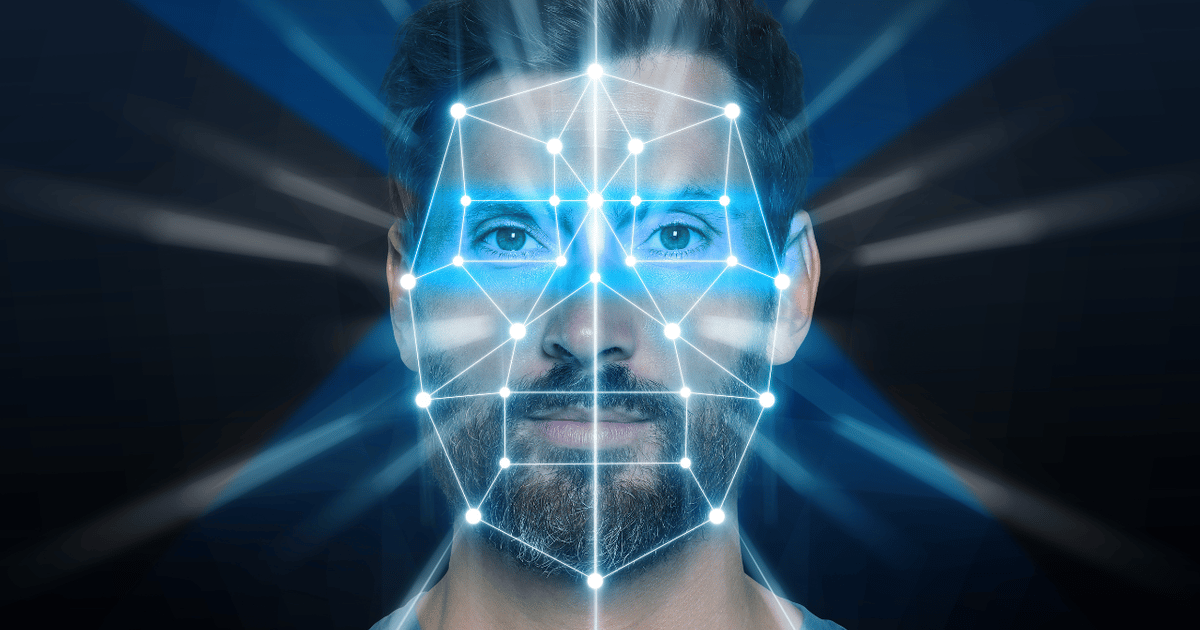
Nonprofit news outlet Mission Local found signs at locations in Pleasant Hill and Concord and at two stores in San Francisco.Shutterstock
Grocery retailers have tried facial recognition technology before, and it has been met with controversy, a lawsuit and a suspension
Grocery Outlet has now entered the fray, installing the tech at some California stores, theSan Francisco Chroniclereports
Some locations have posted signs on front doors that read: “Face Matching software being used to prevent shoplifting.” The sign features a QR code where customers can find out more about the privacy policy behind the tech, which Safr Guard is setting up
Safr Guard collects facial images of shoppers when they enter stores, along with security camera footage and information from individual retailers about those suspected of theft, violence or other illegal conduct. The company maintains a watch list of people caught on surveillance footage committing crimes and sends alerts to retailers when offenders enter a store
Nonprofit news outletMission Localfound those signs at locations in Pleasant Hill and Concord and at two stores in San Francisco
Grocery Outlet has not yet responded to a request for comment
In early 2024, the now-defunct Rite Aidreacheda settlement with the Federal Trade Commission that banned the pharmacy retailer from using facial recognition tech for five years, following charges that the company misused the biometric tech in hundreds of stores
The FTC said in a Dec. 19 announcement that from 2012 to 2020, Rite Aid used artificial intelligence-based surveillance to identify customers who engaged in shoplifting and other problematic behavior in its stores. The tech erroneously identified some customers as shoplifters, prompting Rite Aid employees in some cases to follow customers around the store, search them, call police and accuse them of shoplifting, the FTC said. The agency added that the false identifications disproportionately affected people of color.
In 2024, an Illinois womansuedTarget for using biometric data without obtaining written permission or providing shoppers with advance notice that the company was collecting biometric data
Illinois’ Biometric Information Privacy Act makes it unlawful for a company to “collect, capture, purchase, receive through trade, or otherwise obtain a person’s or a customer’s biometric identifiers biometric information unless it first: informs the subject in writing that a biometric identifier or biometric information is being collected or stored; informs the subject in writing of the specific purpose and length of term for which a biometric identifier or biometric information is being collected and used; and receives a written release by the subject of the biometric identifier or biometric information.”
BothMassachusettsandNew York Cityhave looked at legislation banning biometrics in stores
Early this year, Wegmansannouncedit was using facial and voice recognition tech to track customers at two locations in New York City
Grocery Outlet Inc.
