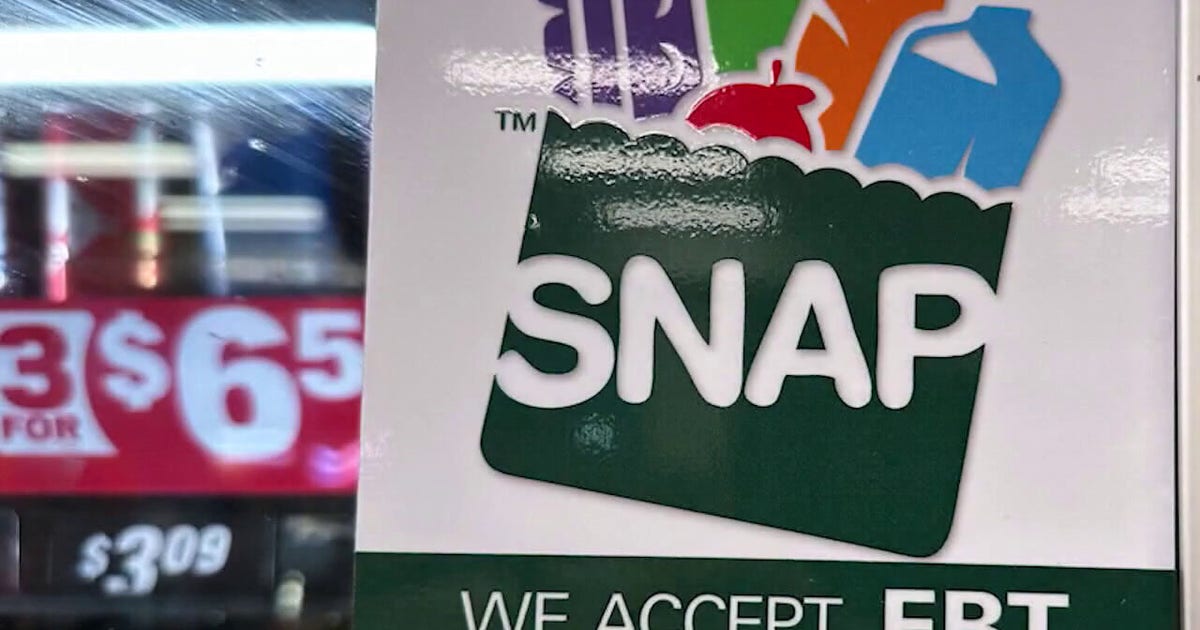
State officials in Florida are racing against a federal deadline to overhaul how food assistance applications are handled or risk losing nearly $1 billion in federal funding.Florida is struggling with widespread bureaucratic errors within its Supplemental Nutrition Assistance Program, commonly known as SNAP. Federal data shows the state has an error rate of nearly 13%, reflecting benefit dollars handed out in incorrect amounts to families.Federal rules penalize states that exceed a 6% error threshold. Policy analysts estimate that if Florida maintains its current rate, annual federal penalties will approach $1 billion.If Florida must pay nearly $1 billion every year to cover grocery benefits out-of-state funds, taxpayers will bear the financial load. Lawmakers would likely have to cut other state programs or reduce food aid for the 2.6 million Floridians relying on the program.Bureaucratic delays leave vulnerable residents facing empty shelves. In Wimauma, Erica Wojciezak applied for food assistance after losing her job of 12 years and learning her partner, Billy Chapple, had stage four cancer.Despite sending in all required paperwork, Wojciezak said the state repeatedly closed her case early, wrongly claimed paperwork was missing, and routed her mail across the state to Miami Gardens. Her family went without food benefits for three separate months due to state mistakes and never received retroactive back pay.While Chapple's cancer is now undetectable following chemotherapy and the family eventually got SNAP benefits, their ordeal demonstrates a system shortchanging hungry families.Experts attribute the high error rates to staffing shortages, natural disasters, and outdated technology. Dr. David Himmelgreen, a University of South Florida professor leading the Center for the Advancement of Food Security, said the state agency suffers from understaffing, high turnover, and inadequate training.Florida also experienced a rapid population influx, inflation, and back-to-back hurricanes that forced workers to handle emergency disaster benefits. Dr. Himmelgreen noted these factors, alongside new state legislative rules and ongoing computer system updates, made accurate processing difficult.Federal penalties kick in October 2027, based on official error rate data published in June 2027. That data evaluates state performance during the federal fiscal year closing in September.To prevent penalties, state lawmakers passed reforms this year to modernize system technology. The plan includes deploying artificial intelligence to catch and fix processing mistakes before cases are wrongly closed.
Trending
- World War II explosives emerge and detonate in wildfire-ravaged village in France: “Sound of war”
- Nurses Chase Cyclospora, Aided by Interviews, Fast-Food Receipts — And the Messy Details
- Jaxson Dart approaching training camp with eye on preventing another Giants losing season | Latest NFL News, Analysis & Updates
- Maude Apatow Directorial Debut ‘Poetic License’ Lands at Sony Classics After Row K Debacle
- ‘Several steps ahead’: Why Palantir stock is surging
- Michigan health officials urge residents to keep eating fresh produce as cyclosporiasis outbreak continues
- No excuse for not getting data protection right
- Runaway online rumors sparked frantic rush by migrants to the Spanish territory of Ceuta
Florida SNAP error penalty: State faces $1 billion federal fine over food aid